Euskal Herria
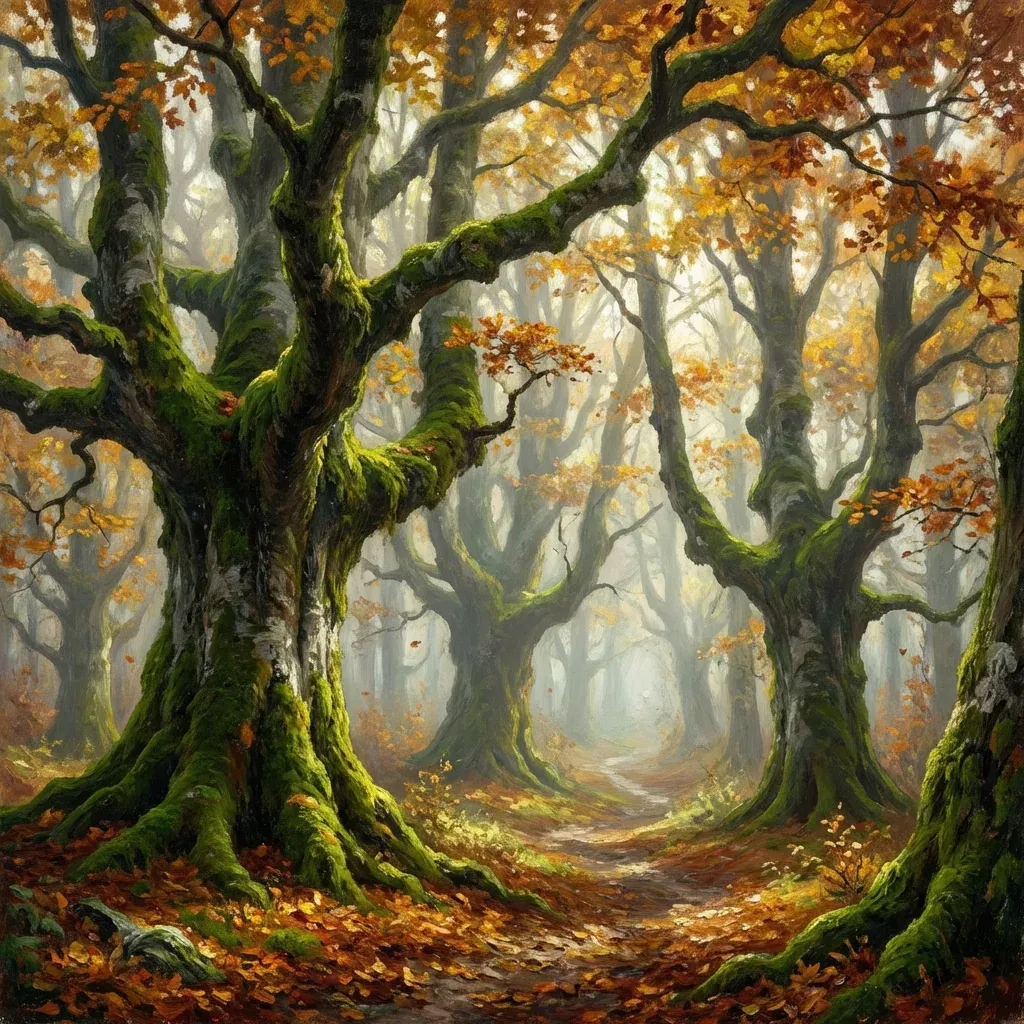
The land where Olentzero travels from village to village each winter.
? The charcoal burner who brings light on the longest night ?
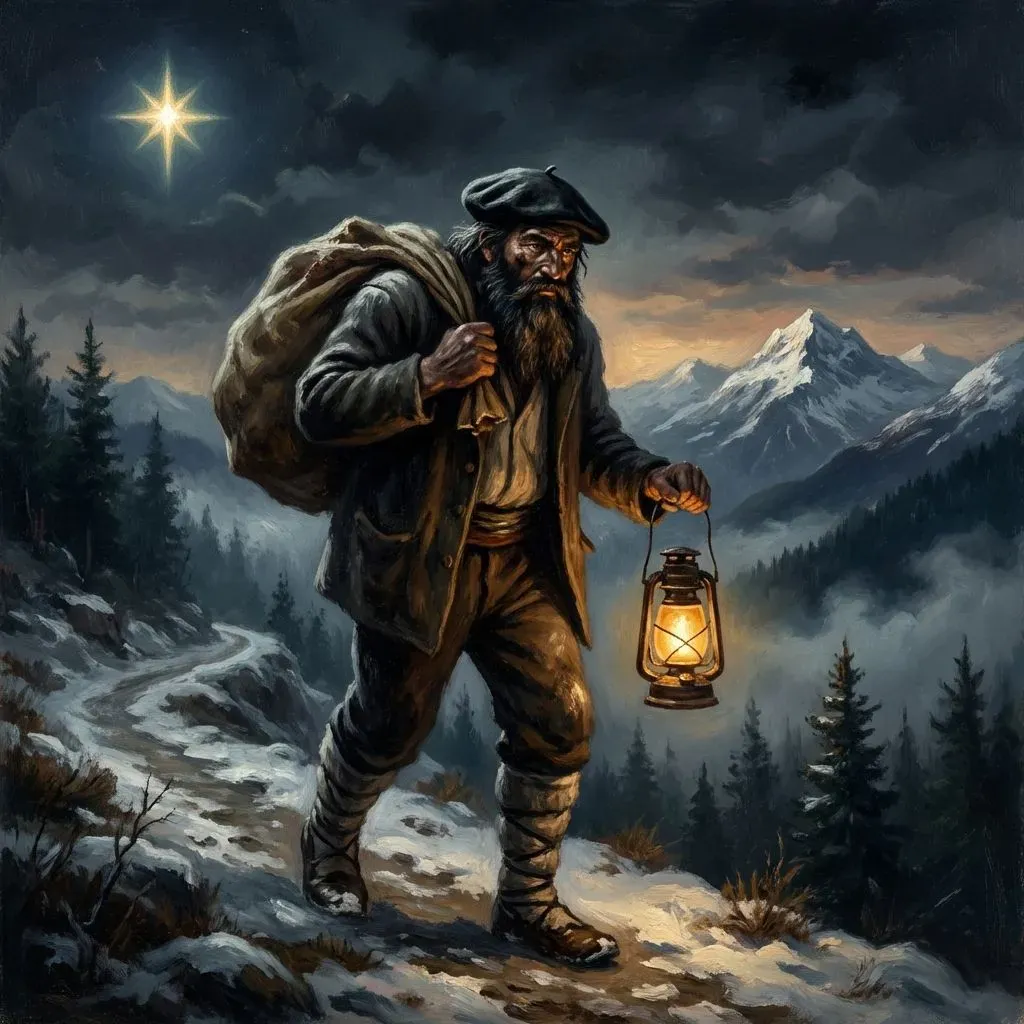
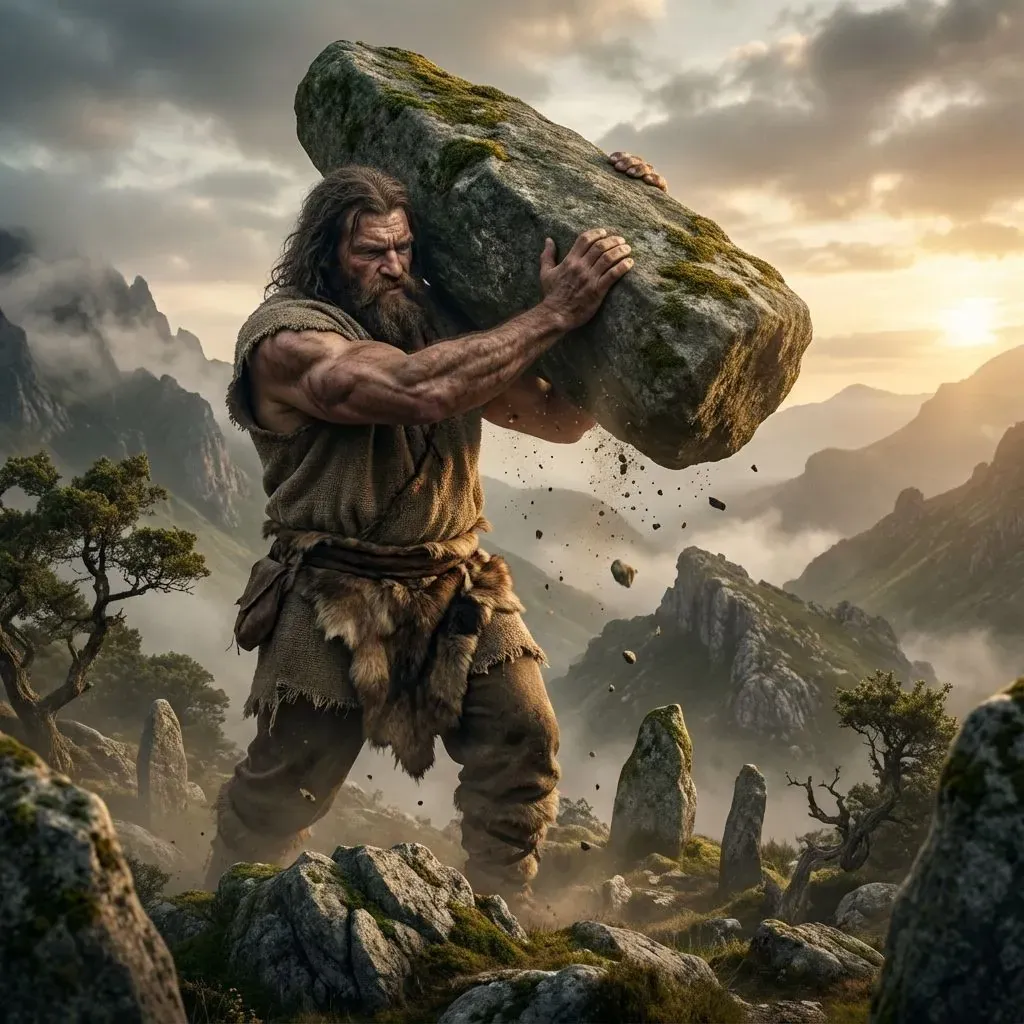
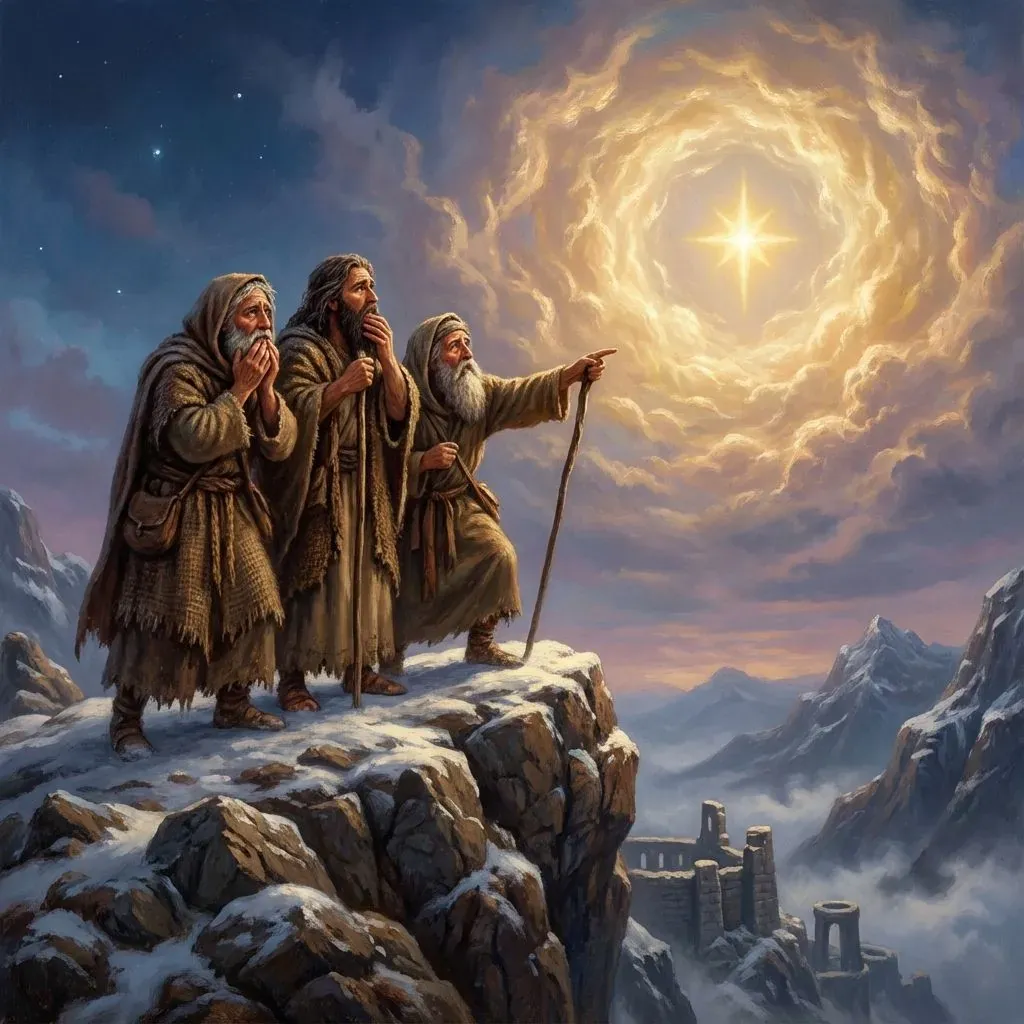
When Kixmi (Christ) was born and a luminous star appeared in the sky, the jentils understood that their time had come to an end. Those pagan giants who had ruled the mountains for ages threw themselves into chasms or fled north, unable to bear the new light.
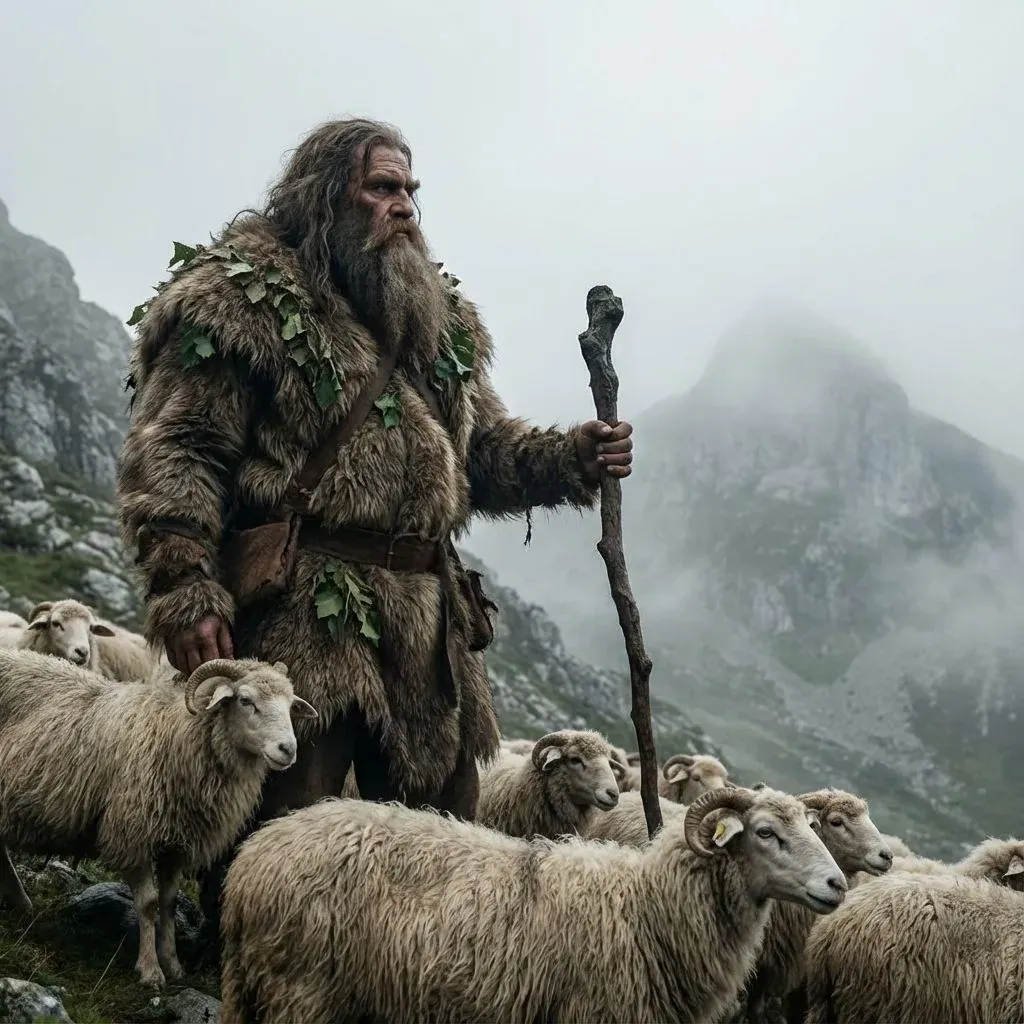
But one of them did not flee. Olentzero, a different kind of jentil, looked at the star and felt curiosity rather than terror. He came down from the mountains into the valleys where humans lived and accepted the new age. He became a charcoal burner and lived among people, making charcoal in the forests.
Each year, on the longest night ? the winter solstice ? Olentzero comes down from the mountain carrying his sack of charcoal. But instead of black coal, he brings gifts for children who have behaved well. His round figure, his beret and his pipe have become symbols of Basque Christmas.
The legend of Olentzero represents the transition between the old world and the new, between paganism and Christianity, but also the rebirth of light after the darkest night of the year. He is the last jentil who became the first bearer of a new tradition.
The land where Olentzero travels from village to village each winter.
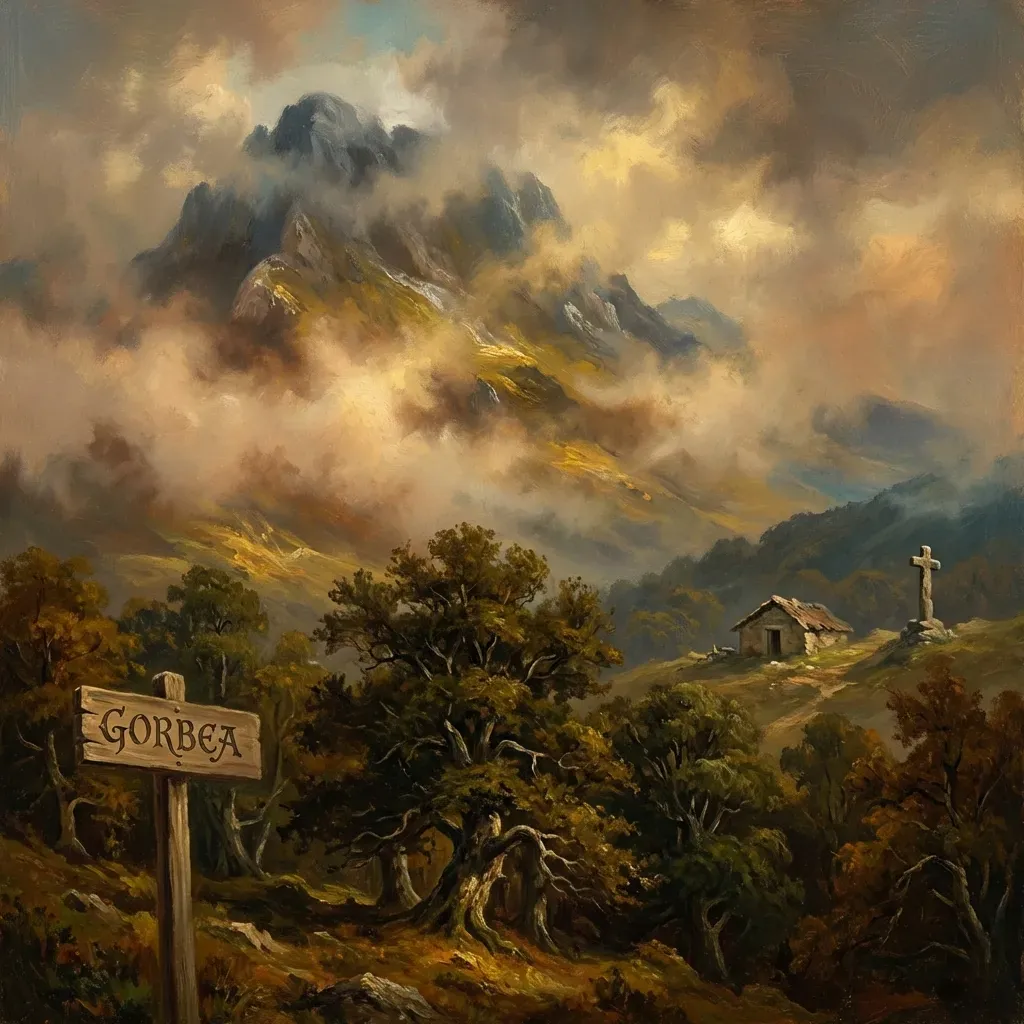
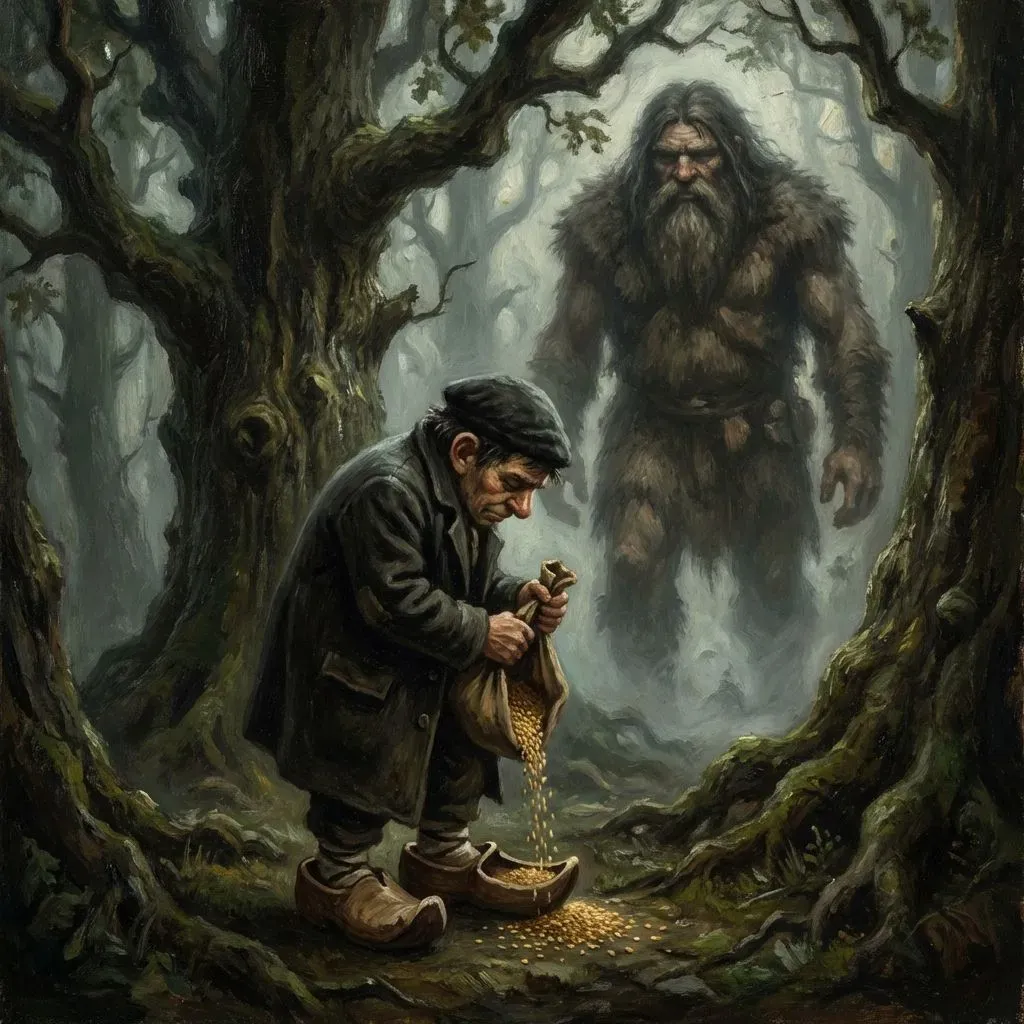
The world of charcoal and wood from which Olentzero descends.
Olentzero is one of the clearest examples of how Basque tradition transforms older mythic structures instead of simply erasing them. The figure of the last jentil allows a pre-Christian world to survive within a new seasonal and religious framework.
This is why the legend is so rich symbolically. Olentzero does not disappear like the other giants. He remains, changes role and becomes the mediator between mountain and village, darkness and light, old cycle and renewed hope. He is continuity through adaptation.
The charcoal he carries is equally meaningful. It ties him to forest labour, winter hardship and the dark substance from which warmth and domestic fire are made. The later gift-giver grows naturally out of that older image, without losing its rustic and seasonal depth.
That is why Olentzero is far more than a local version of a Christmas character. He is a Basque cultural answer to the question of how an ancient world ends without vanishing completely, and how tradition survives by changing form while keeping memory alive.