Forests of Euskal Herria
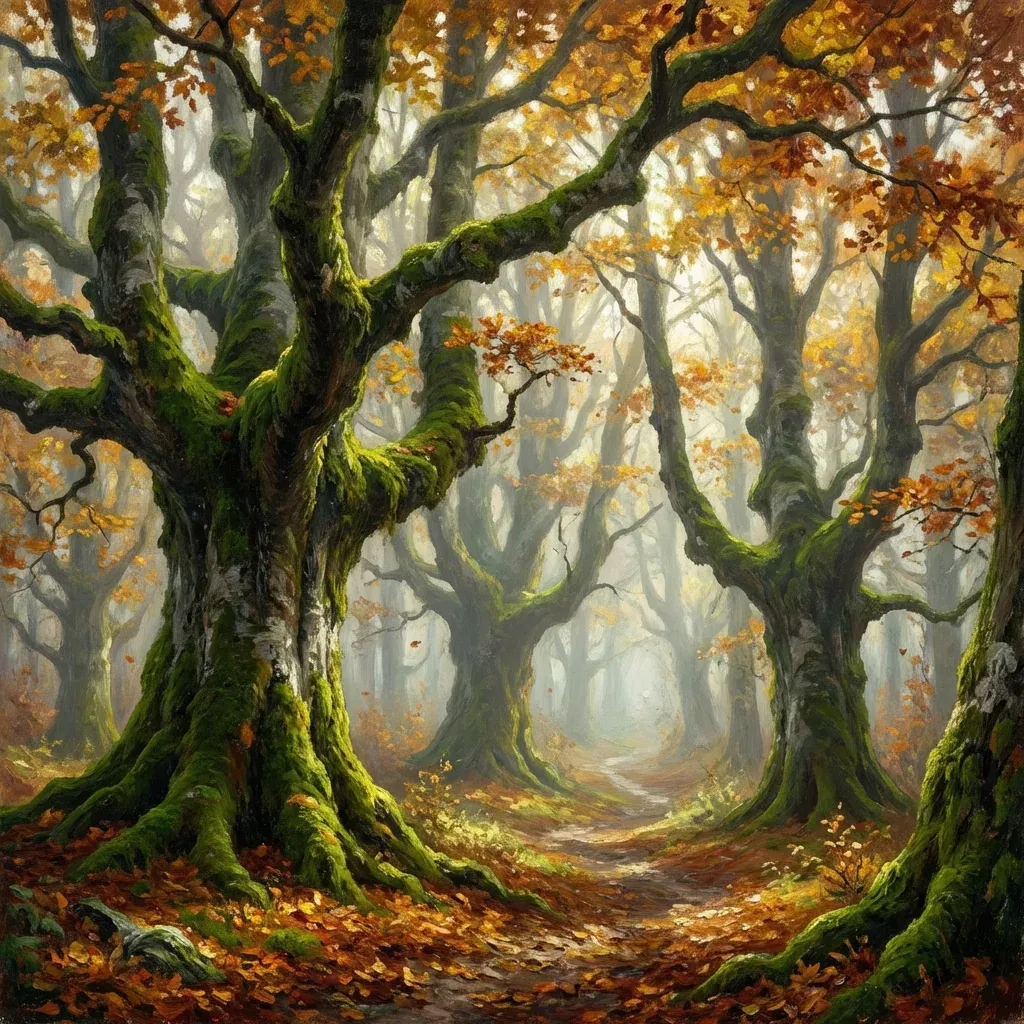
Basajaun's domain, where he guarded the secret of wheat.
— The origin of Basque agriculture —
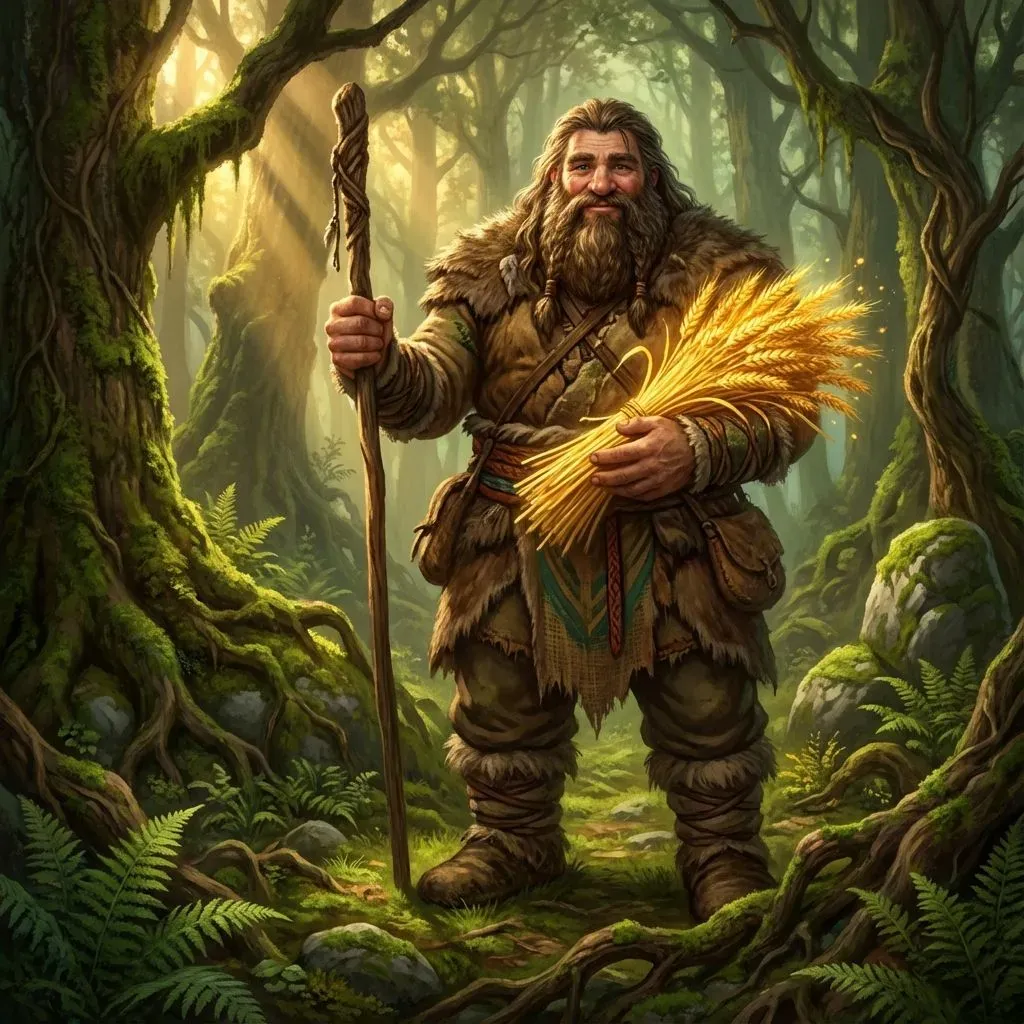
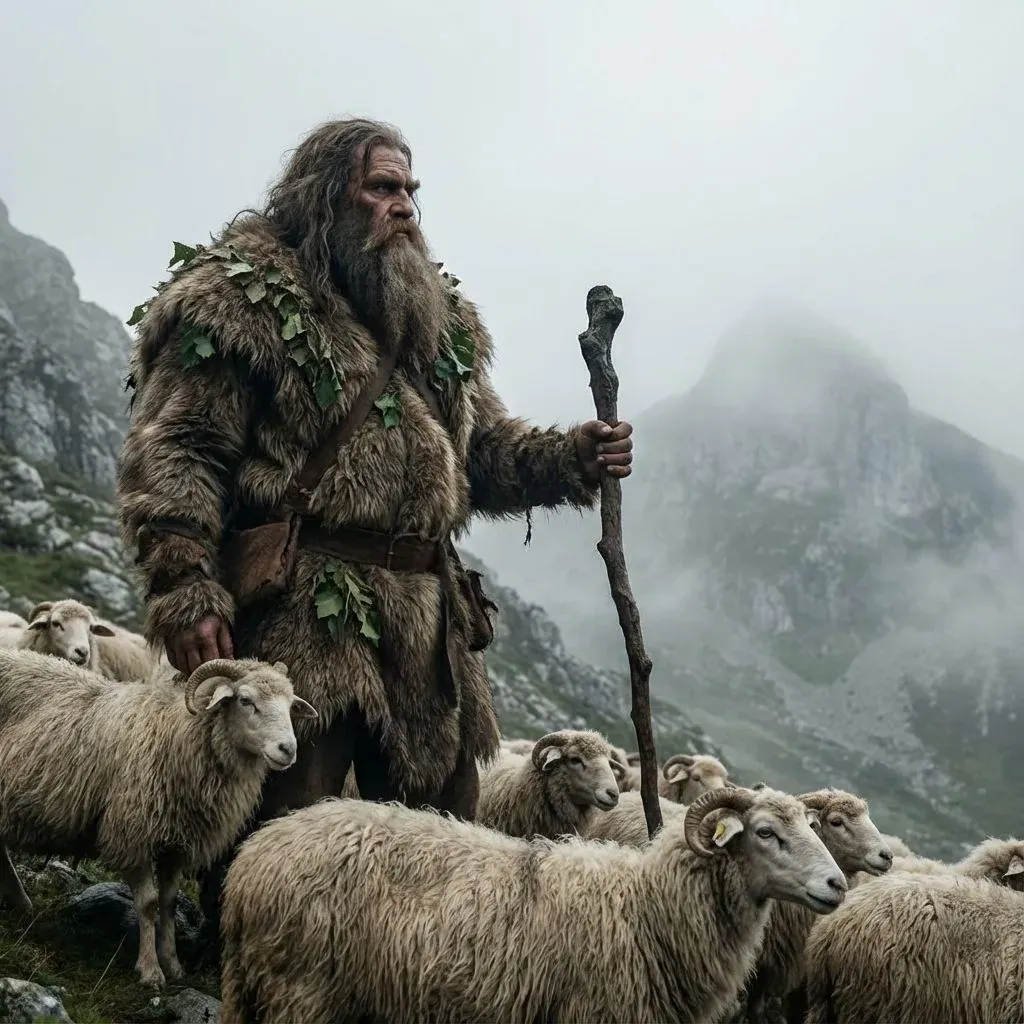
In ancient times, Basajaun jealously guarded the seed of wheat in the depths of the forest. That knowledge was forbidden to humans, who still had to rely on wild fruits and hunting to survive.
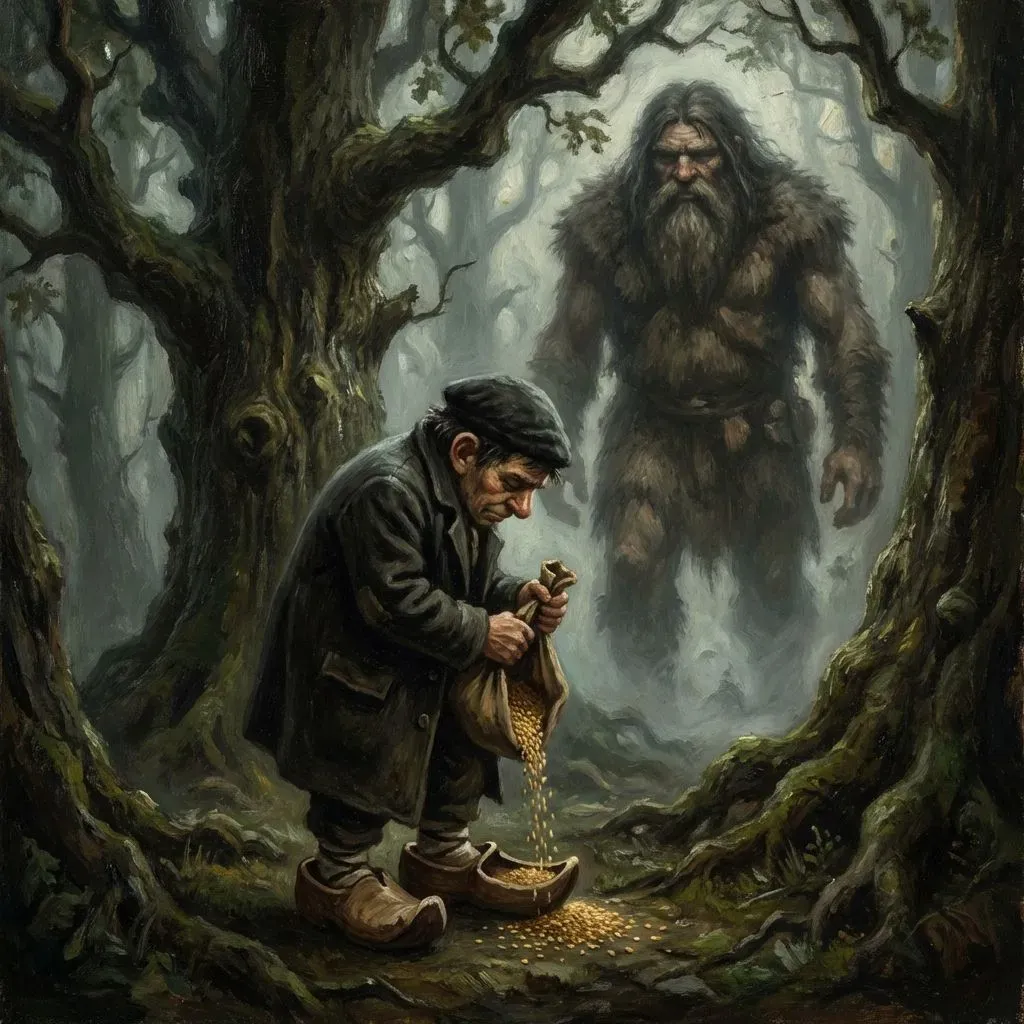
A clever youth from one of the valley villages resolved to steal the secret of agriculture. For days he observed the customs of the Lord of the Forest, learning where he hid his secret fields of golden grain.
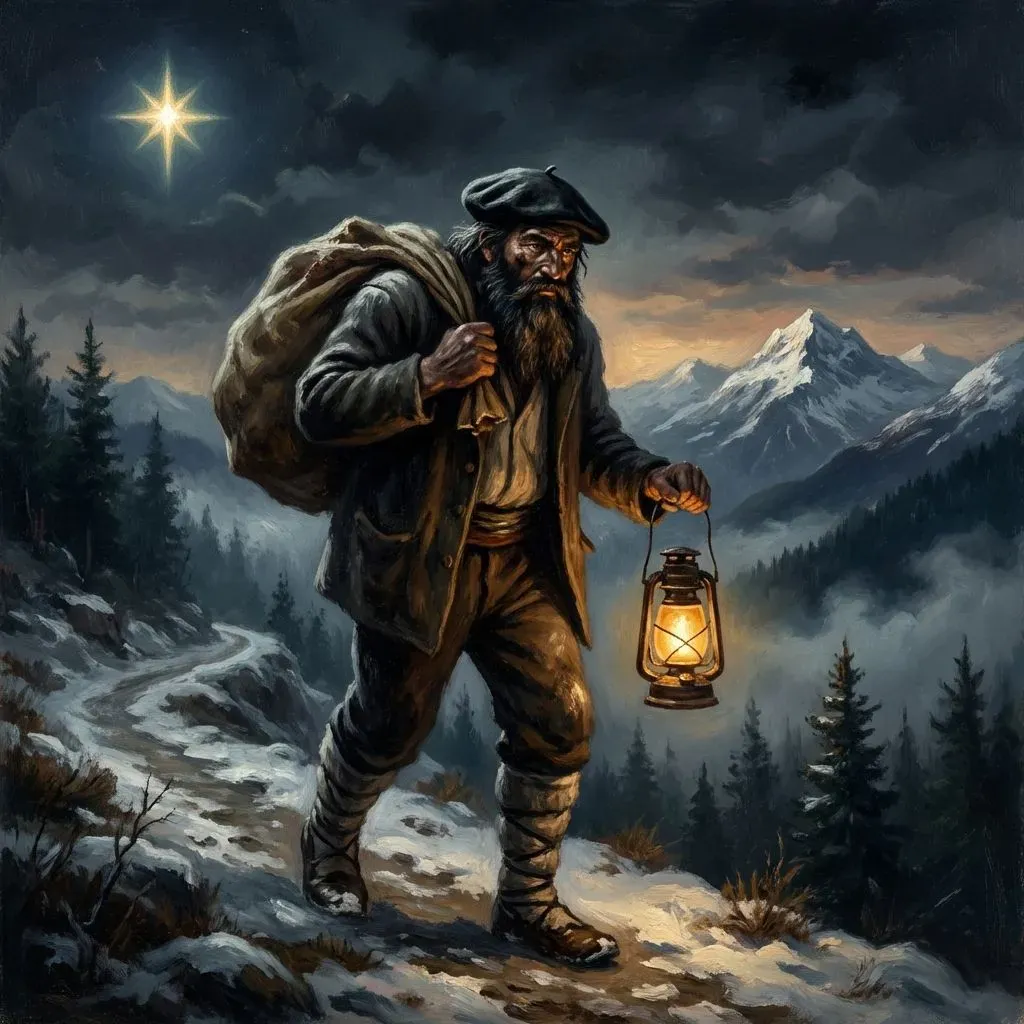
On a moonless night, the youth slipped into the clearing where the wheat grew. With trembling hands, he tore off a few ears and hid the grains in his satchel. When Basajaun discovered the theft, he roared with fury, but the thief was already running toward the valley.
Since then, the Basques have cultivated cereal thanks to the boldness of that thief. The myth explains the passage from hunting and gathering to agriculture as an act of human ingenuity against the power of the forest.
Basajaun's domain, where he guarded the secret of wheat.
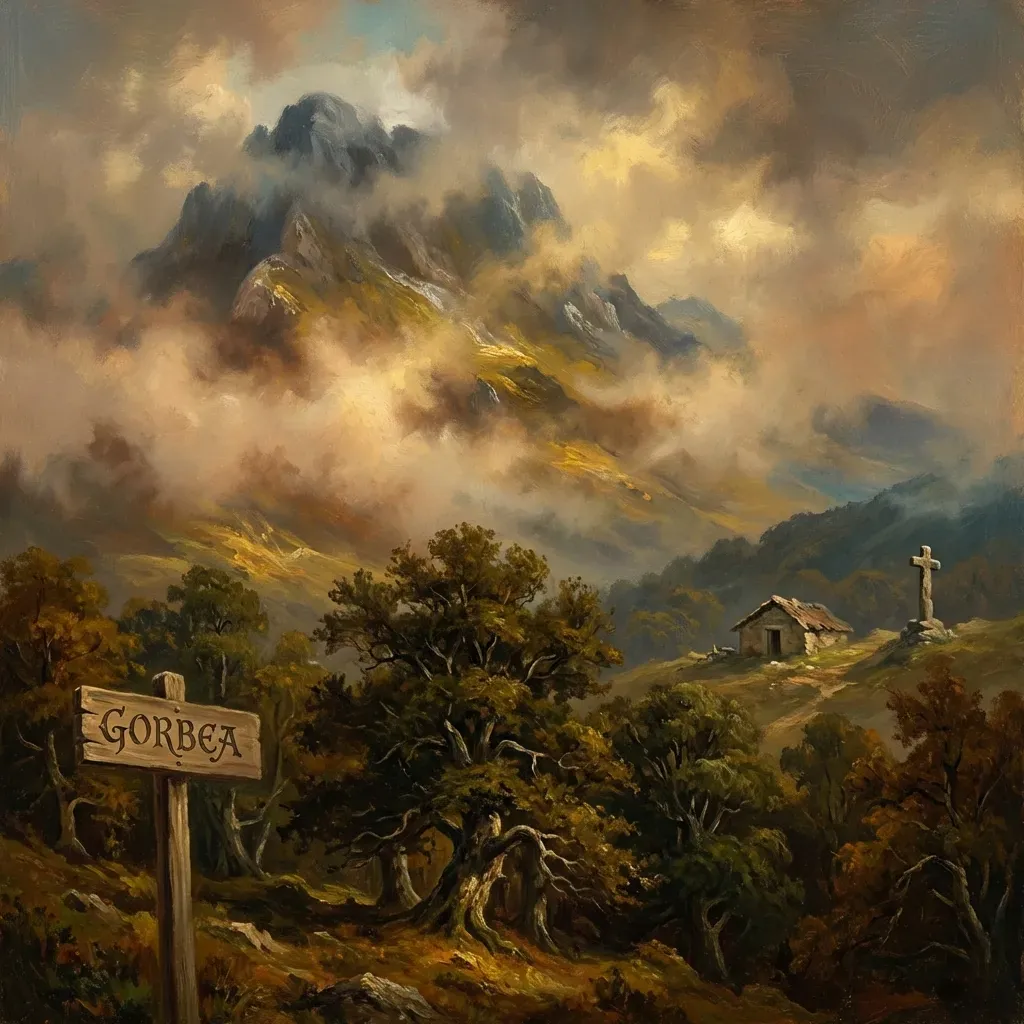
The lands where humans sowed the stolen grain.
This legend is one of the clearest Basque myths about the theft of sacred knowledge. What humans lack at the beginning of the story is not merely food, but a whole civilizing technique: the ability to sow, reap and live from cultivated land.
Basajaun stands here as the keeper of an older wisdom belonging to the wild world. He is not simply an enemy, but a guardian of a knowledge that humans are not yet supposed to possess.
The theft of wheat therefore marks a decisive turning point. Culture advances not through brute strength, but through observation, patience and cunning, the same traits that define many Basque culture heroes.
That is why the story of the wheat seed has such symbolic force: it presents agriculture as a conquest of intelligence, a gift wrested from the forest and turned into the foundation of settled life.