Basque mountains
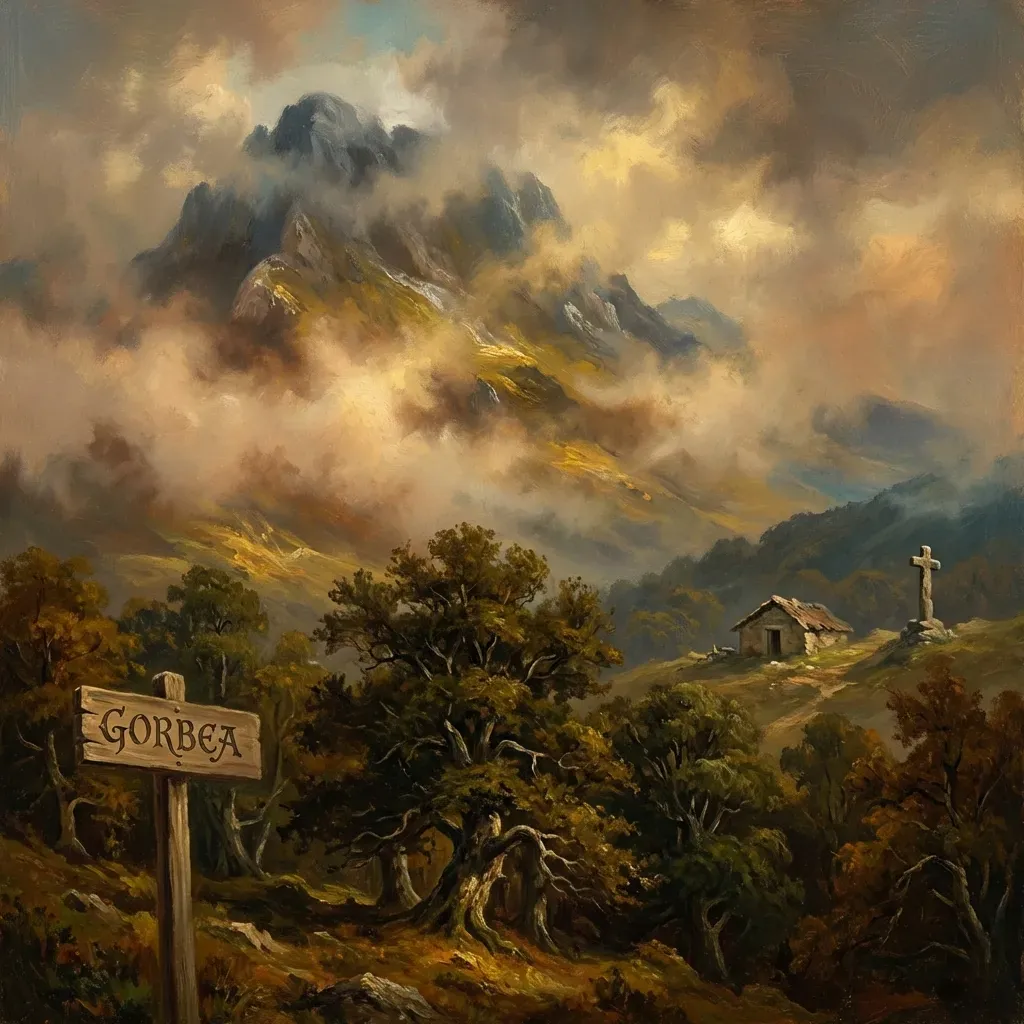
The high places where the Jentilak were said to vanish from the world.
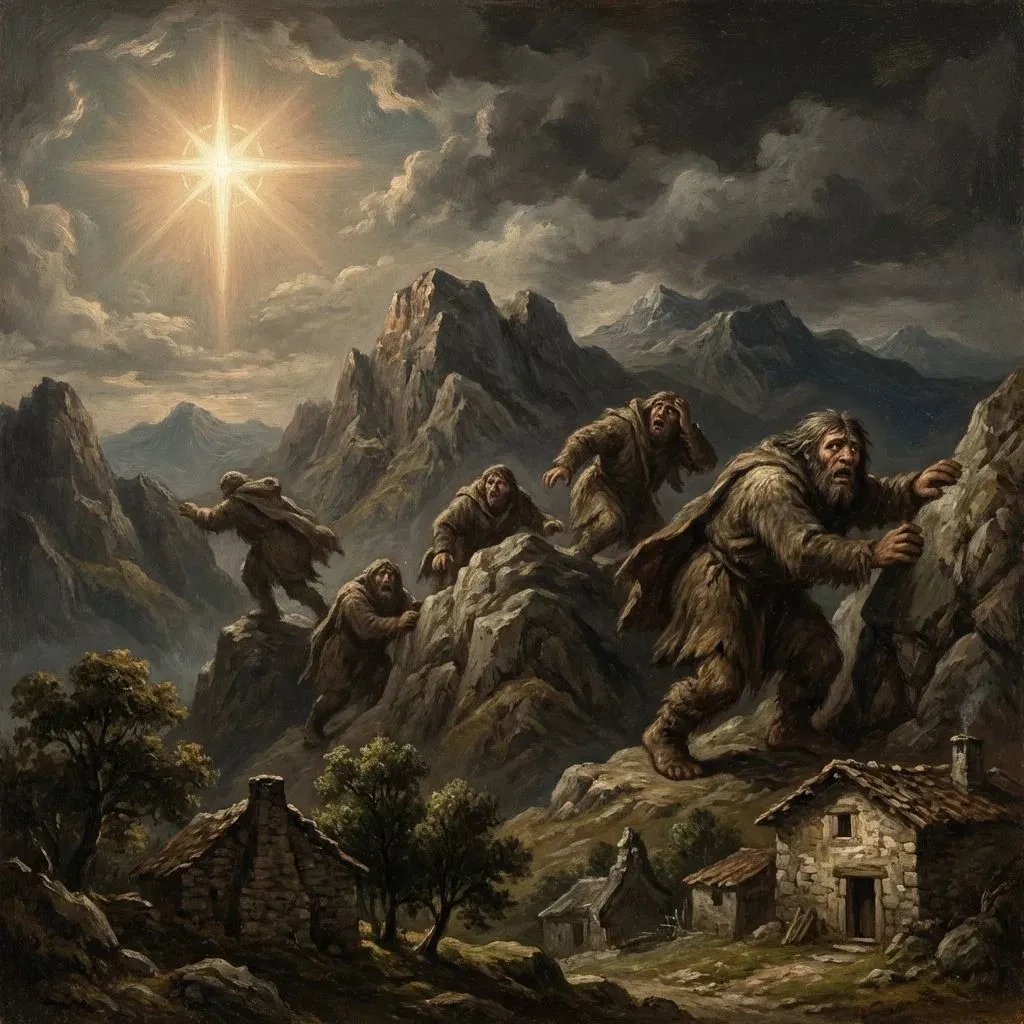
The great exodus of the giants at the end of their age
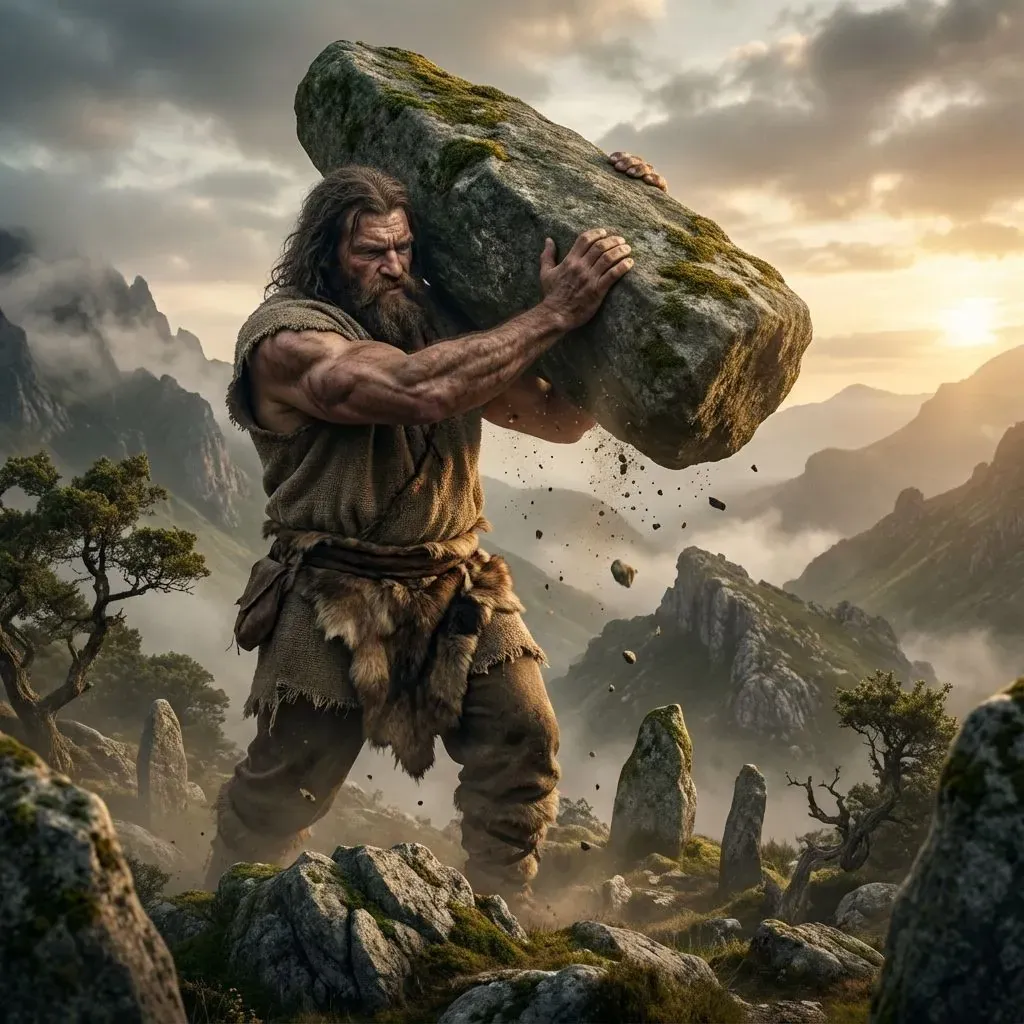
The Jentilak were remembered as the first great inhabitants of the Basque land, giant builders who raised megaliths as if they were no more than handfuls of stone.
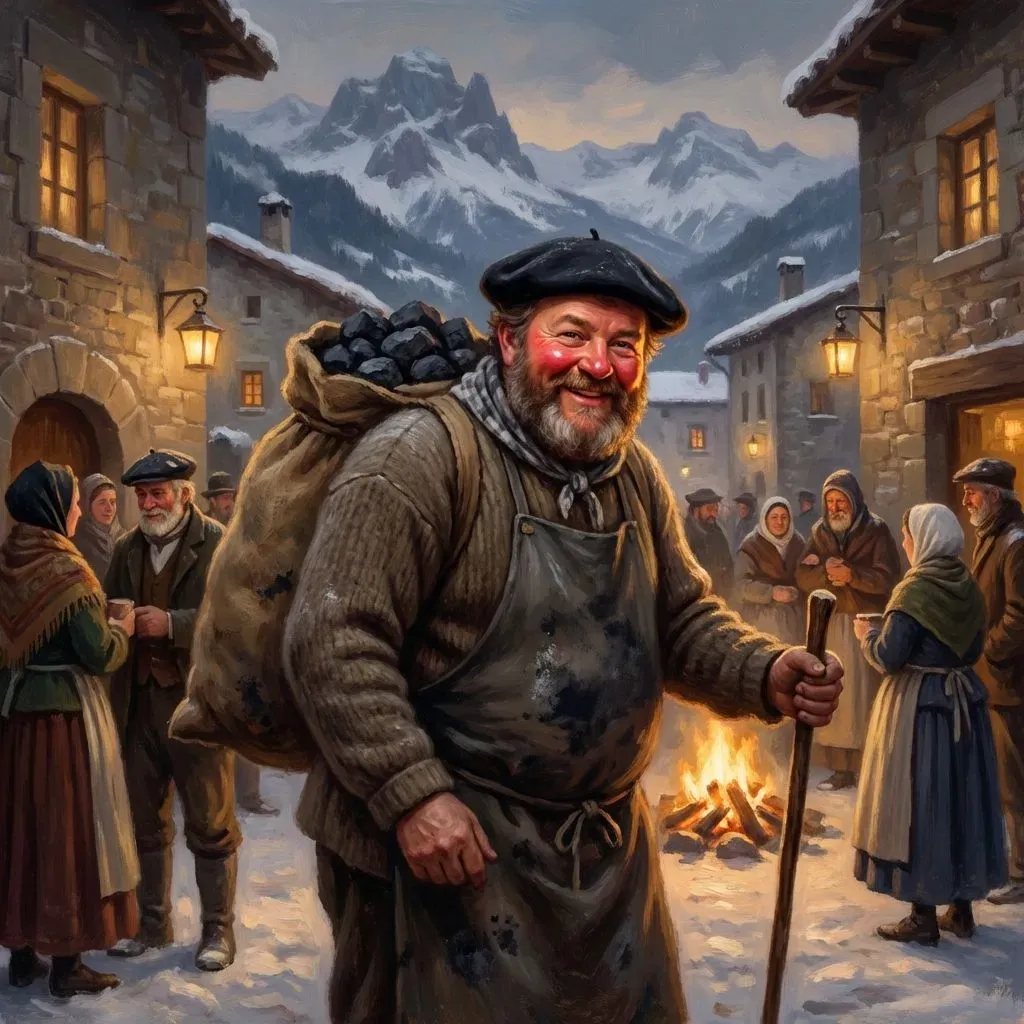
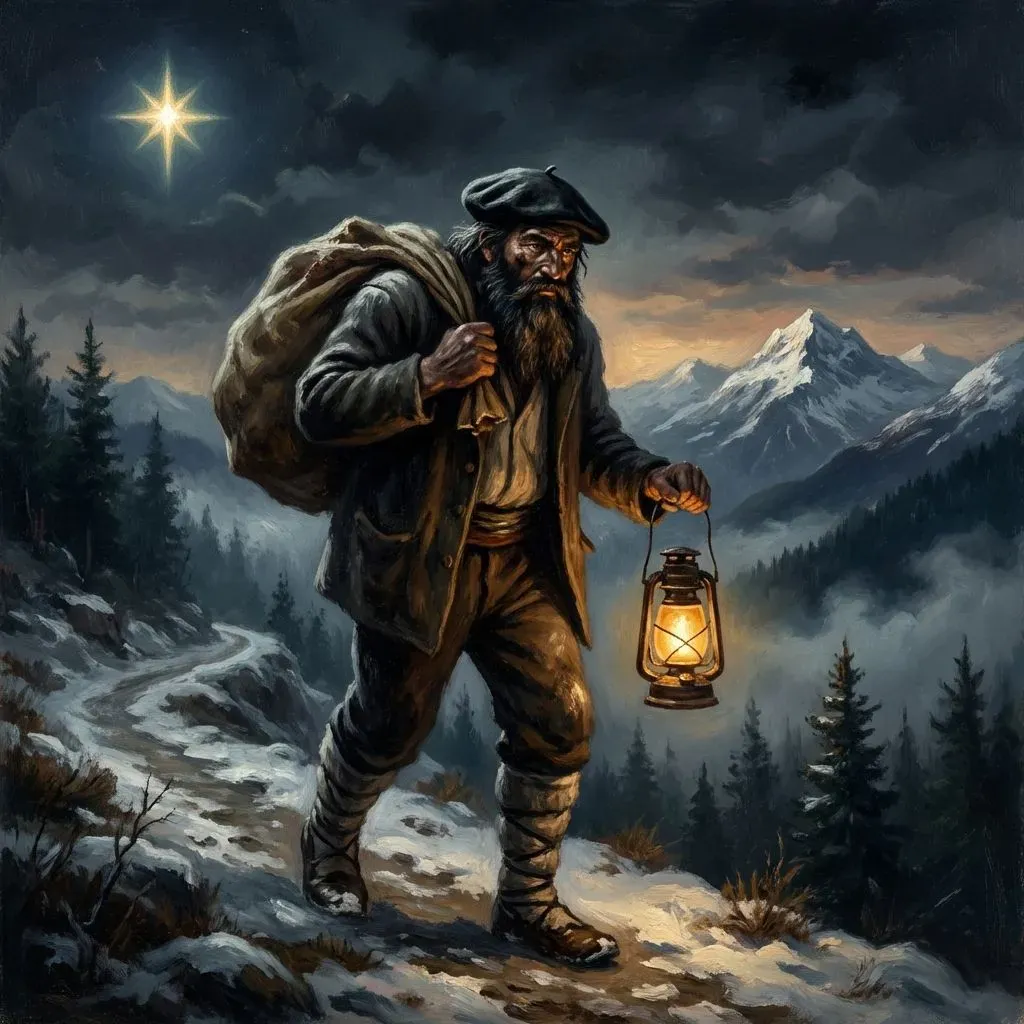
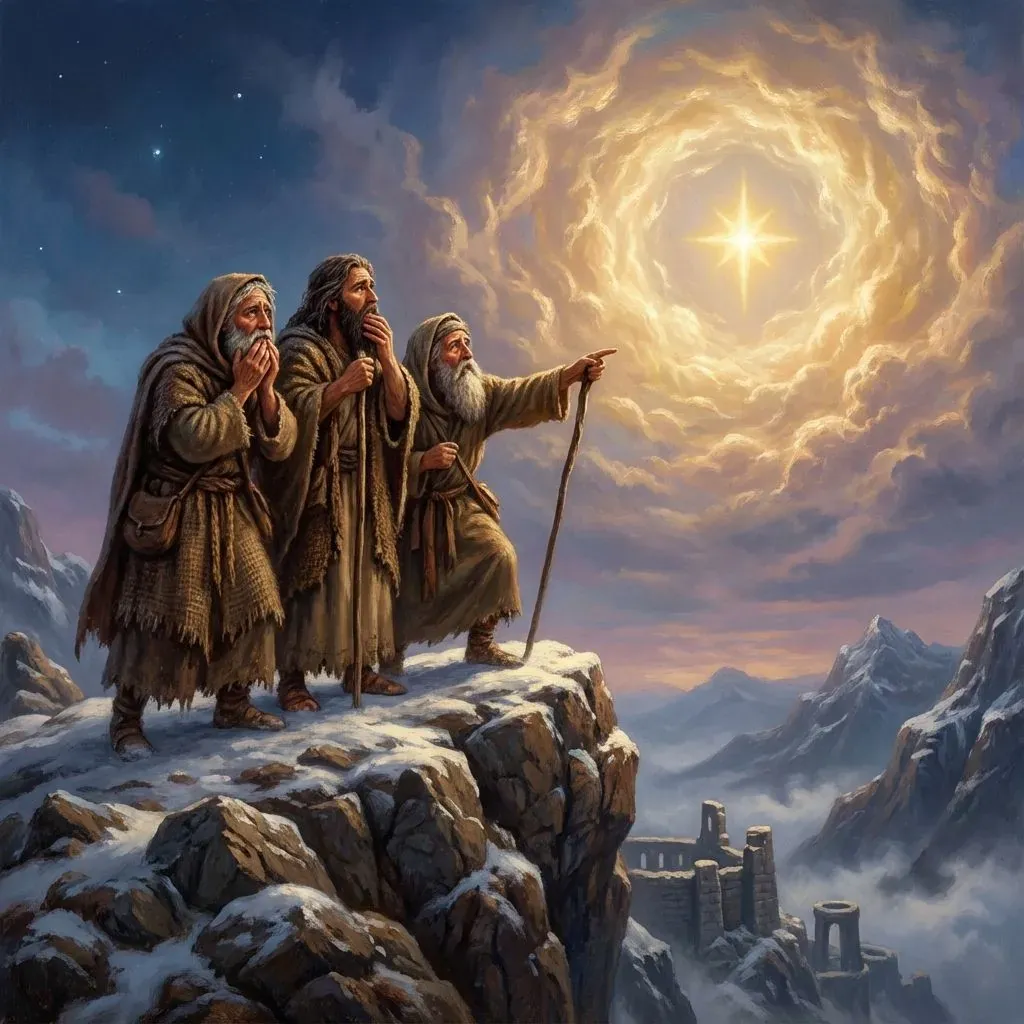
When the star or comet called Kixmi crossed the sky, the elders understood at once that their time had ended and that a new era, governed by different laws, was about to begin.
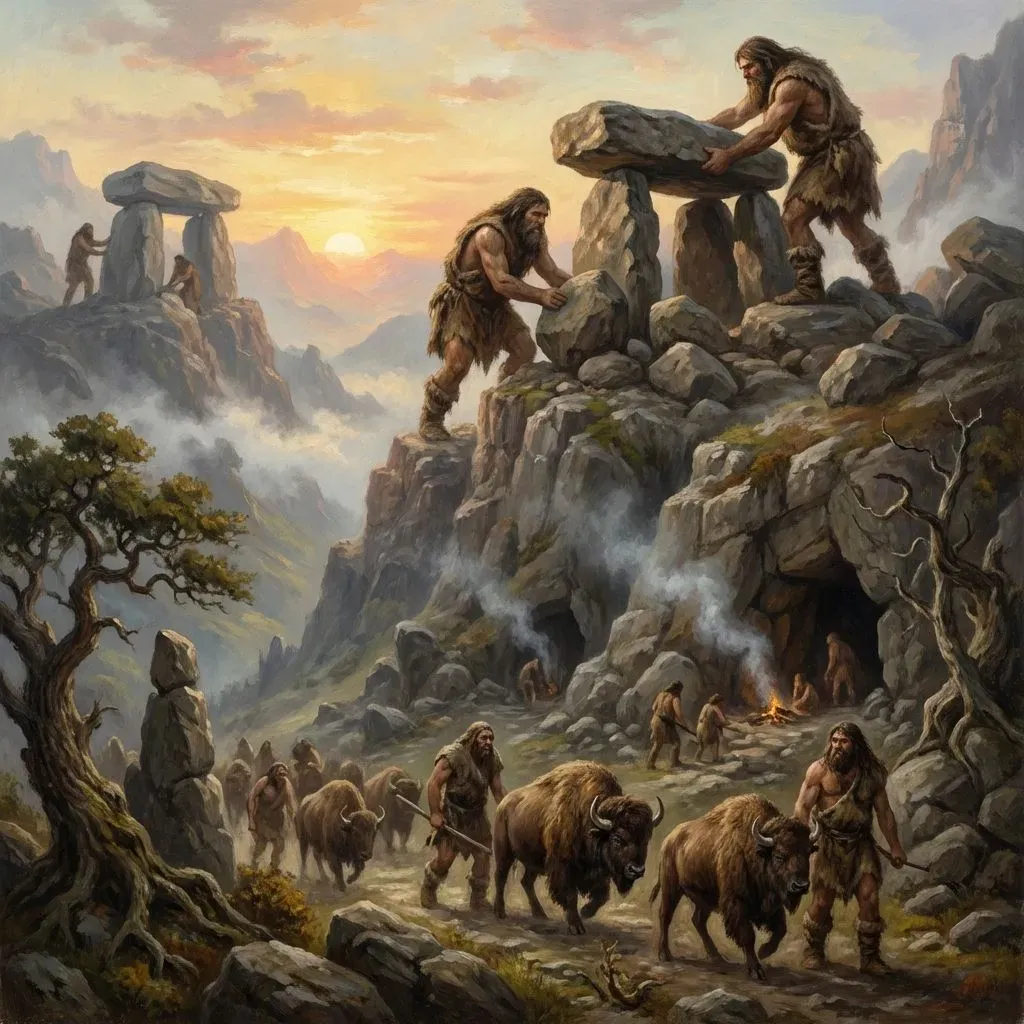
They did not choose battle. Instead, the Jentilak withdrew toward the highest places and let themselves disappear into the very earth they had shaped. Their departure was solemn, not chaotic.
The dolmens left across the mountains remained as their final testimony: monuments of a race that chose silence and withdrawal over futile resistance.
The high places where the Jentilak were said to vanish from the world.
Dolmen zones understood as their final works and memorials.
This legend gives a tragic grandeur to cultural transition. The Jentilak do not simply vanish; they recognize the sign of a changing world and withdraw before it.
That makes the story more than a tale of monsters. It becomes a myth of succession, memory, and the sorrow of one sacred order yielding to another.
The surviving dolmens are crucial to its power. They anchor the disappearance of the giants in visible stone, turning the landscape itself into evidence of a lost age.
The tale endures because it imagines the end of a people not as total erasure, but as a silent passing into mountain and memory.