The farmhouse hearth
Where the sacred fire was never allowed to die completely.
? Rituals to honor the spirits of the home ?
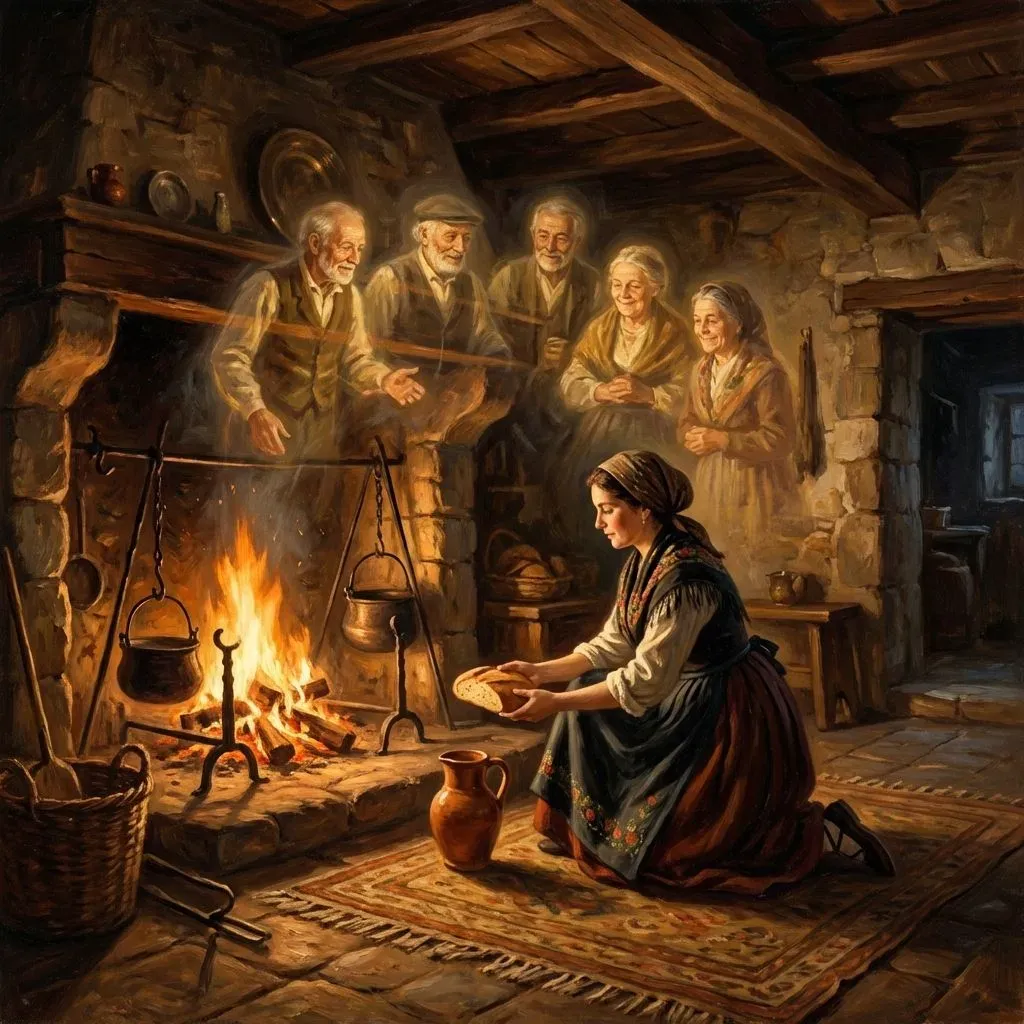
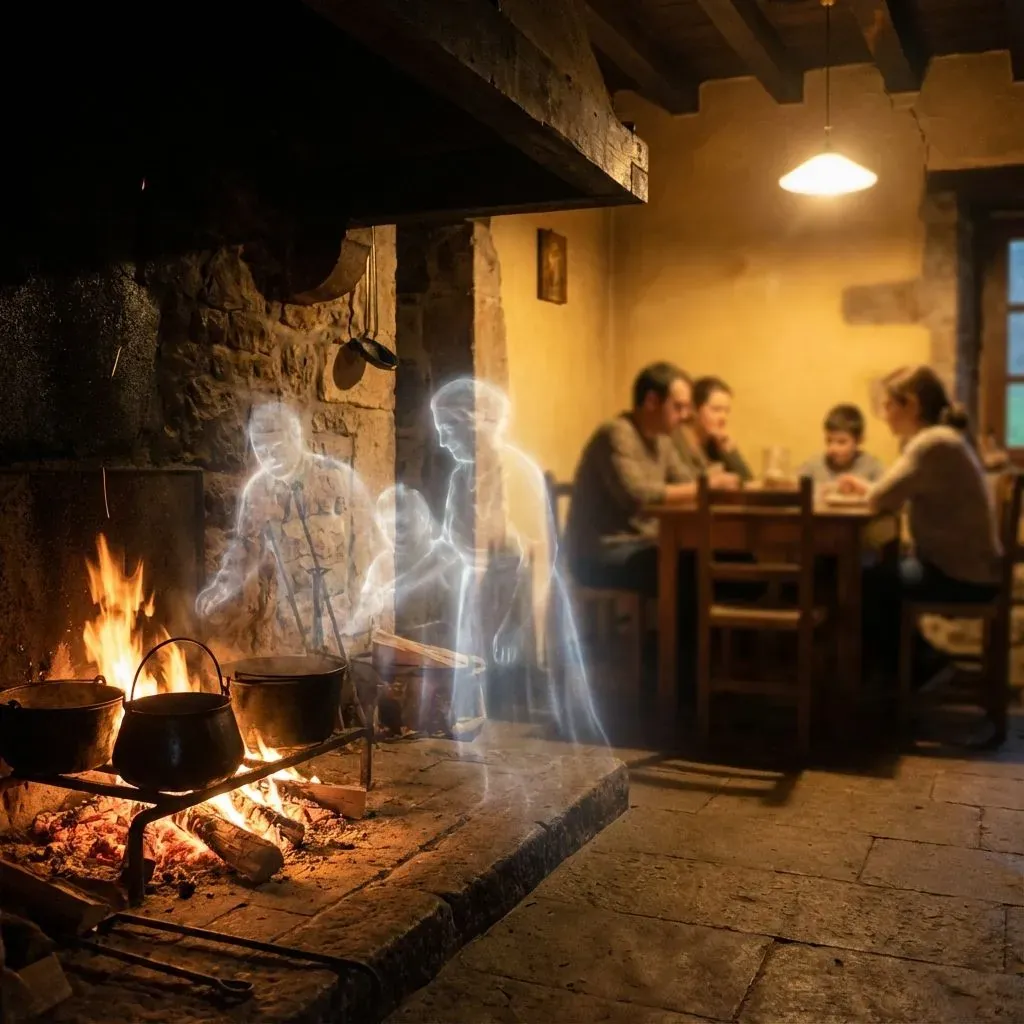
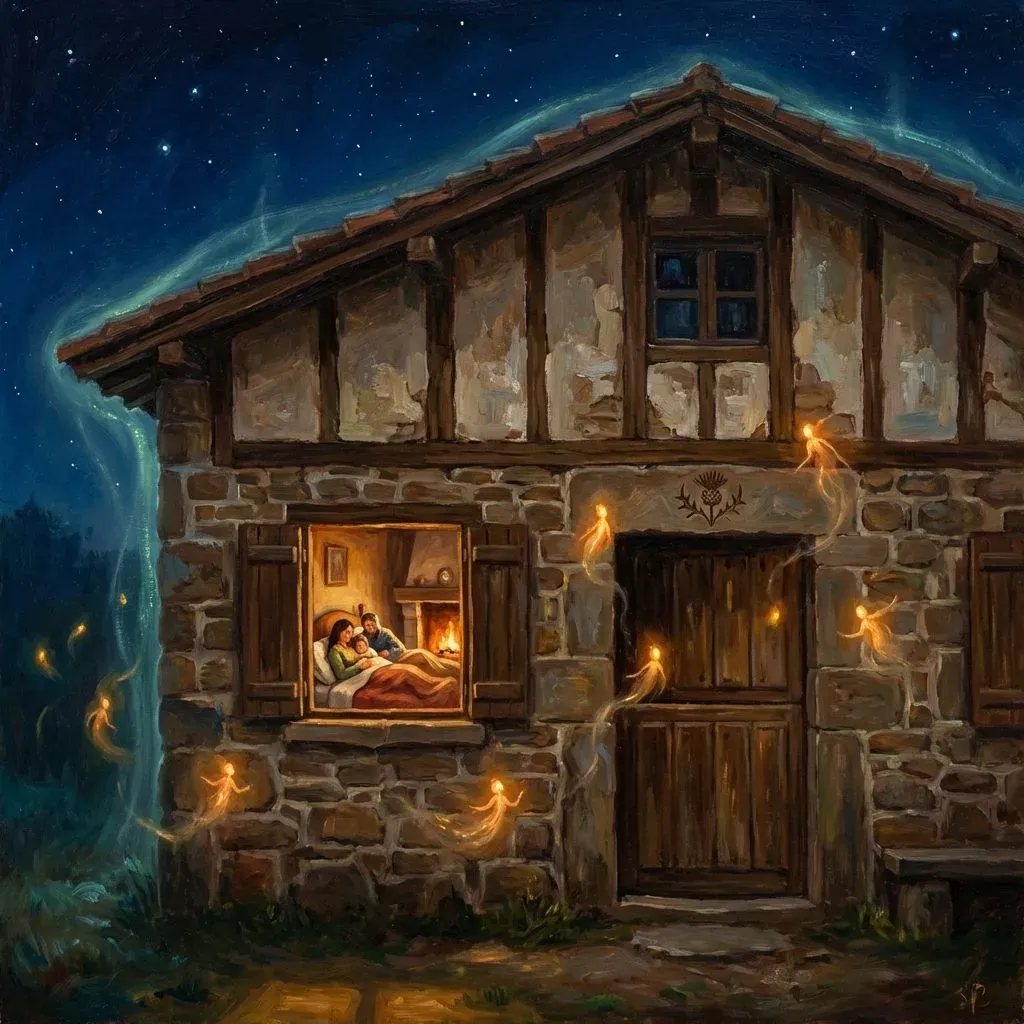
The hearth fire was the sacred center of the Basque farmhouse, the place where the Etxekoak dwelled. Keeping the flames alive was not only practical: it meant preserving the bond with the ancestors. That is why every family followed specific rites to honor the spirits of the fire.
Before each meal, the mistress of the house would cast a small piece of bread and a few drops of wine or cider into the fire. ?For those of the house,? she would say. This offering ensured the protection of the Etxekoak and the prosperity of the family. Forgetting it could bring bad luck for the whole day.
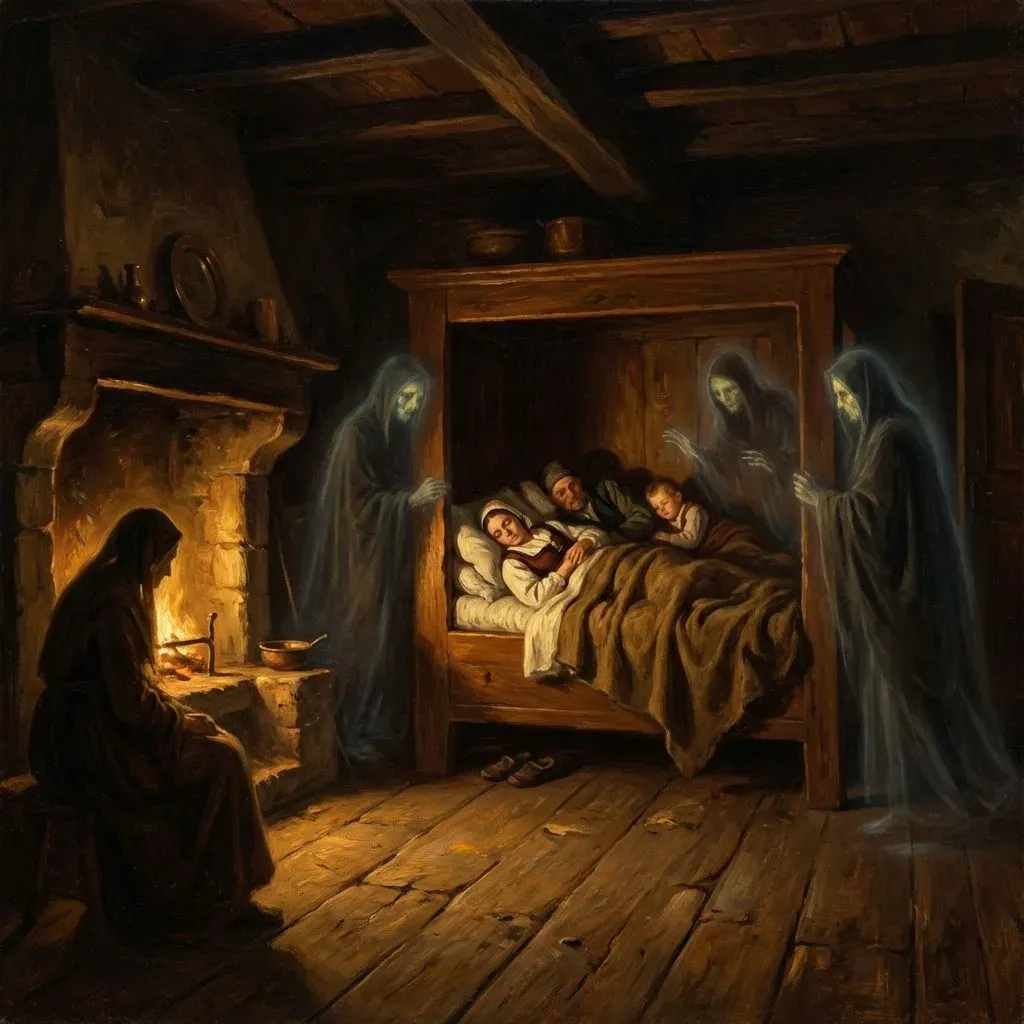
On special dates the offerings became more elaborate. On Christmas Eve, a great oak log called the Gabon Suberri was left burning throughout the night so the ancestors could warm themselves. On All Saints? night, the table was set with food and drink for the dead of the family, who were believed to return from the other world.
An old woman from Baztan used to say that her great-grandmother spoke directly to the fire, telling it family news and asking for guidance in difficult moments. ?The fire listens,? she said. ?And the Etxekoak answer through the flames. If they crackle loudly, it is a sign of approval. If they suddenly go out for no reason, it is a warning of danger.?
Where the sacred fire was never allowed to die completely.
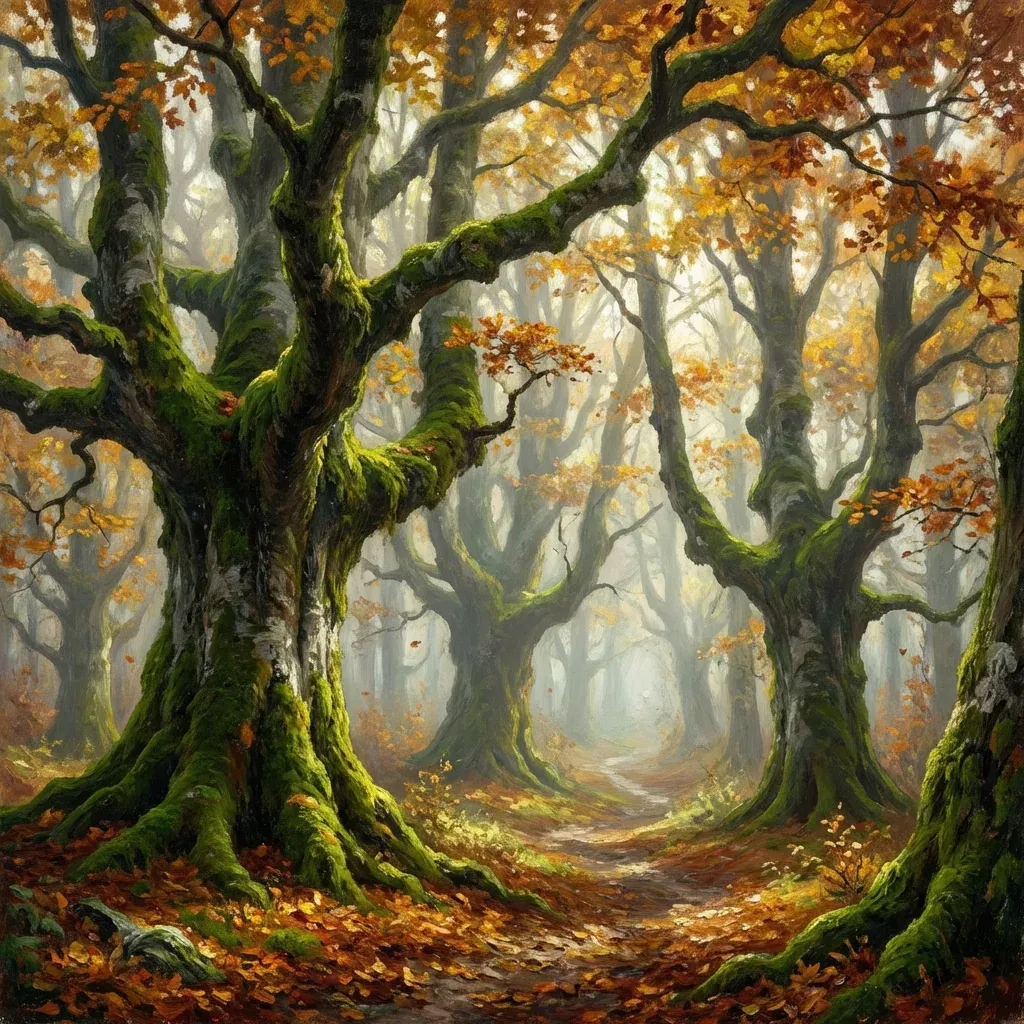
The heart of the farmhouse, where offerings were prepared.
Every year, when the sun reached its highest point during the summer solstice, Basque communities lit bonfires on mountain peaks visible from several valleys at once. This was not a random festivity, but a precise ritual with clear and codified purposes.
The solstice fire symbolically consumed everything that had ceased to be useful during the passing year: old rivalries, fading illnesses, failed harvests whose seeds were already being saved for the next attempt. It was a collective cleansing rather than an individual one.
Jumping over the flames was the central act of the ritual, a physical test of willingness to leave behind the weight of the past and commit to a lighter, freer future. The height of the jump did not measure courage, but the size of what one wished to leave behind.
These solstice bonfires are still lit in many Basque villages with more continuity than is often acknowledged. Their form has changed and their purpose has grown more festive than ritual, but the shared fire on the height of the longest night still carries a meaning that cannot be explained by sociability alone.