Basque farmhouses
The ancestral home where these protective spirits dwell.
Spirits of the home
Etxekoak are the spirits of the household, invisible protective genii of the farmhouse and the family who live there. Silent and discreet, they watch over domestic harmony from hidden corners and the warmth of the hearth.
They generously reward cleanliness, order and respect for old customs, but punish neglect with nocturnal noises and minor misfortunes. They are the domestic expression of the ancestral pact between house, lineage and protection.
The ancestral home where these protective spirits dwell.
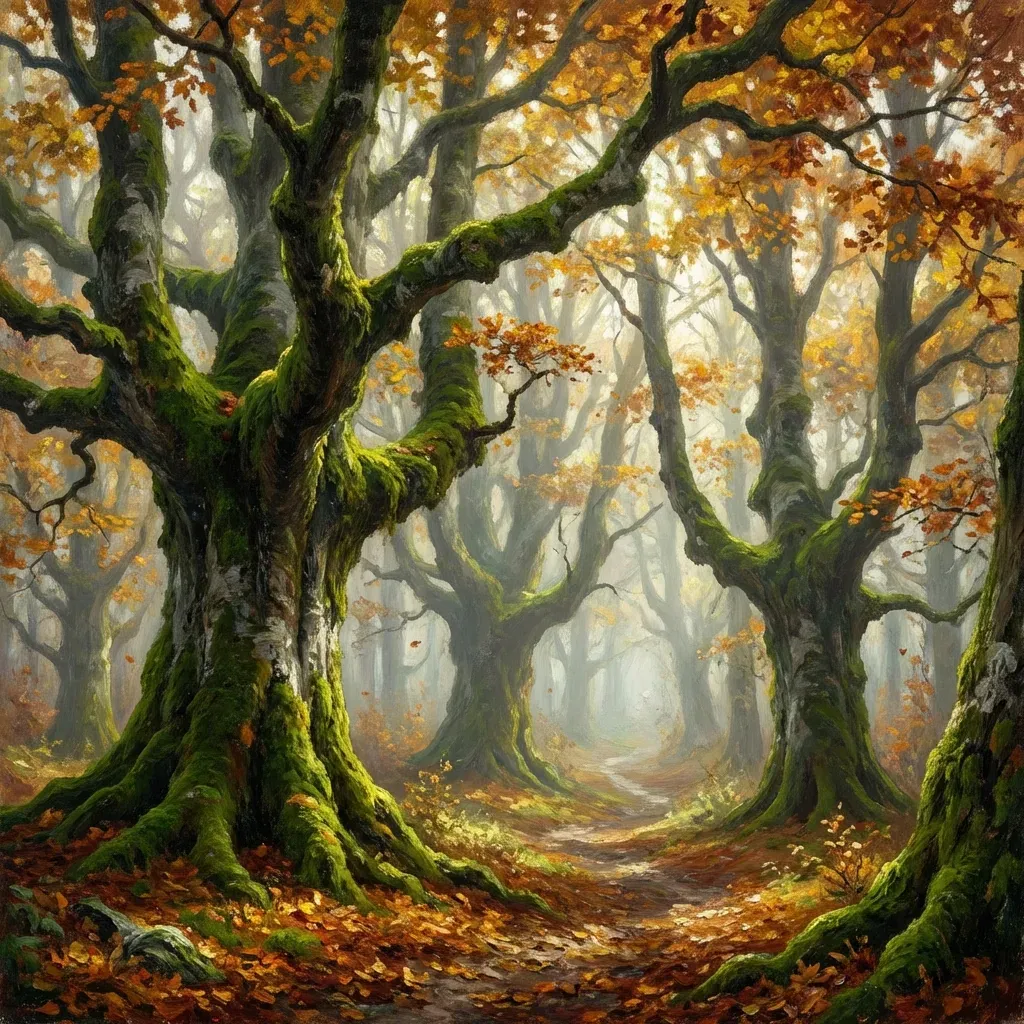
The sacred hearth where the Etxekoak find their strength.
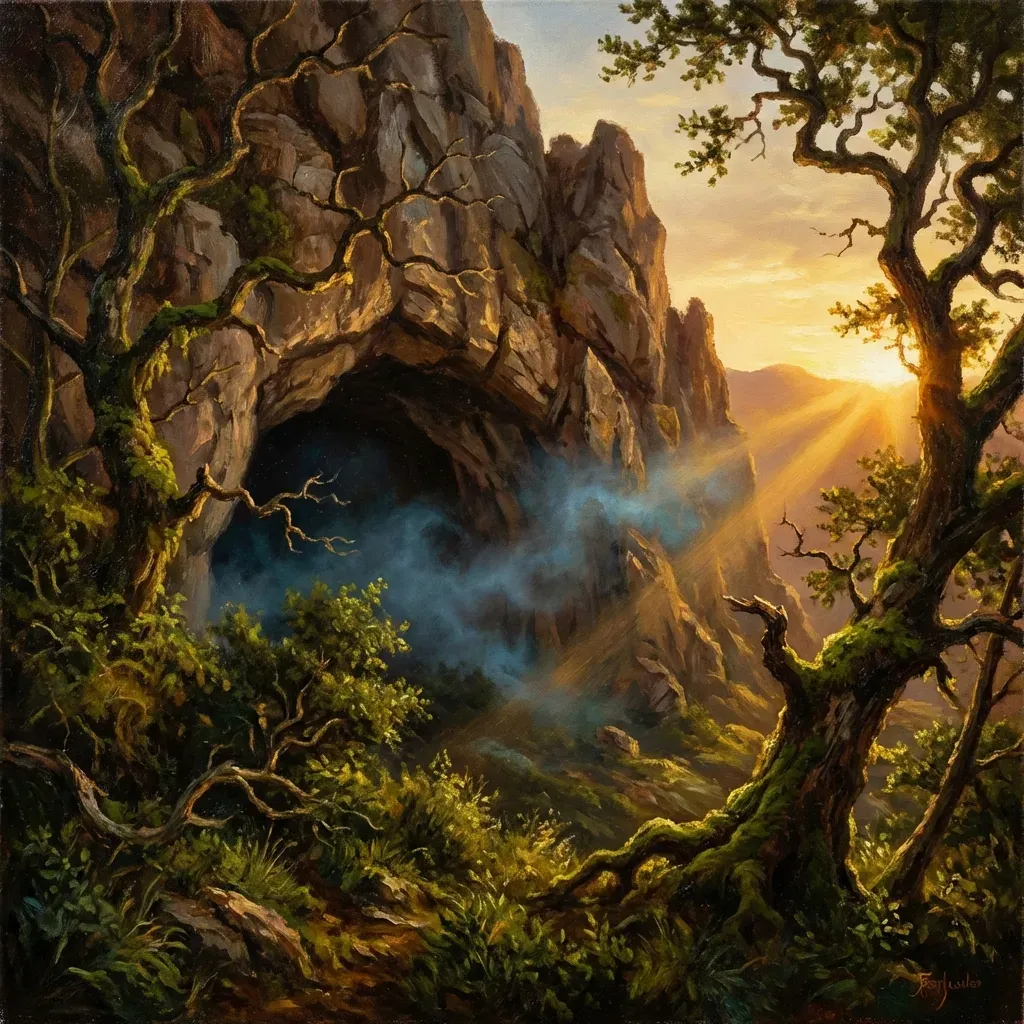
Spaces where these invisible guardians conceal themselves.
The name Etxekoak means "those of the house" in Basque, from etxe, house. It refers to the beings attached to the household and its continuity.
Etxekoak belongs to the oldest layer of Basque mythology and can be understood as the invisible beings of the household.
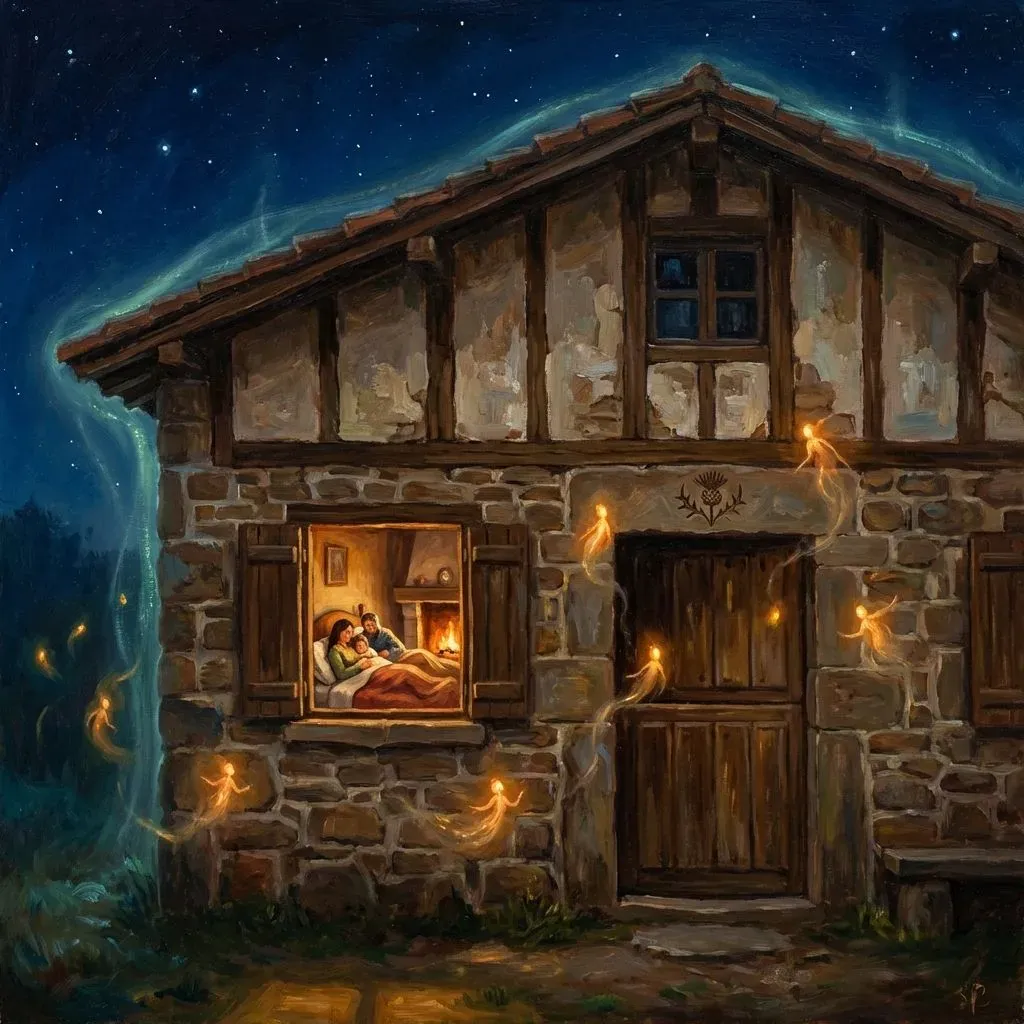
Its stories are closely tied to the threshold, the hearth and the moral life of the house.
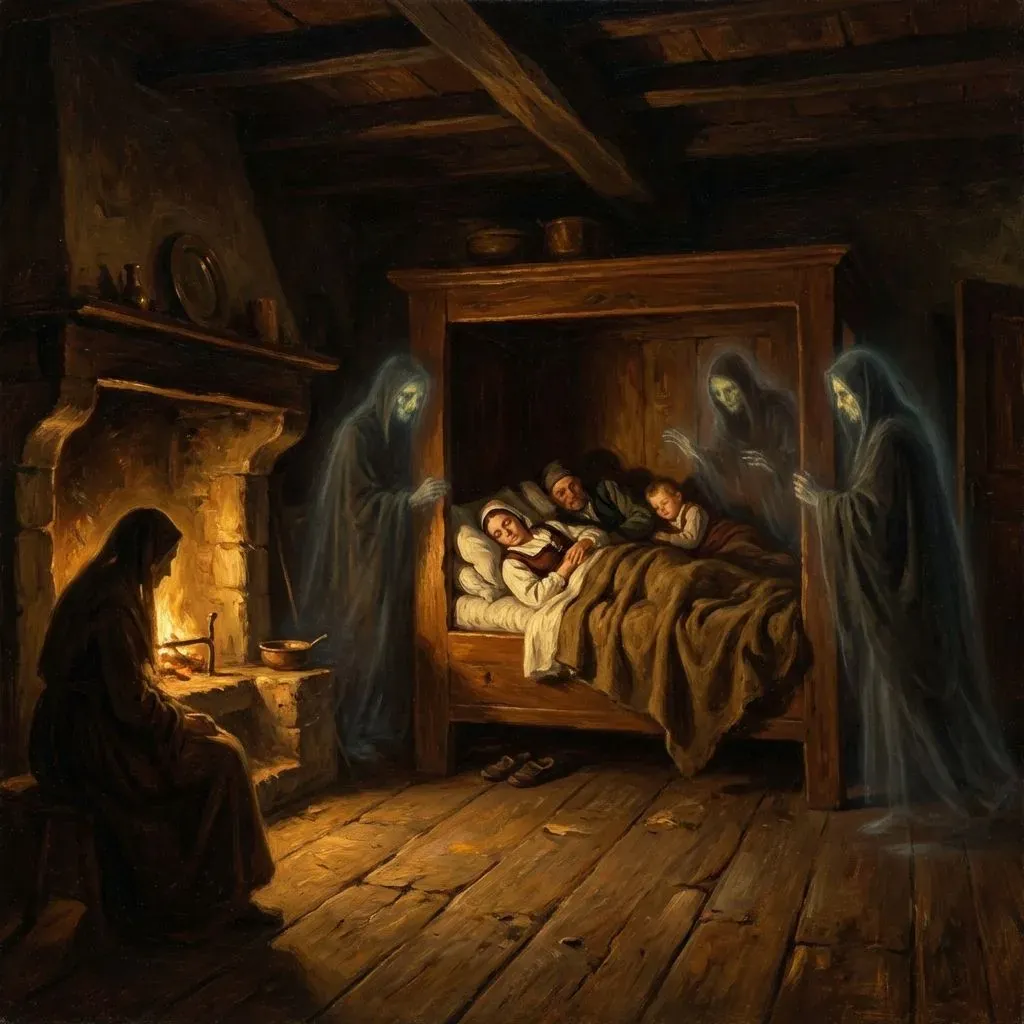
Again and again the tradition returns to domestic rites, continuity, memory and protection.
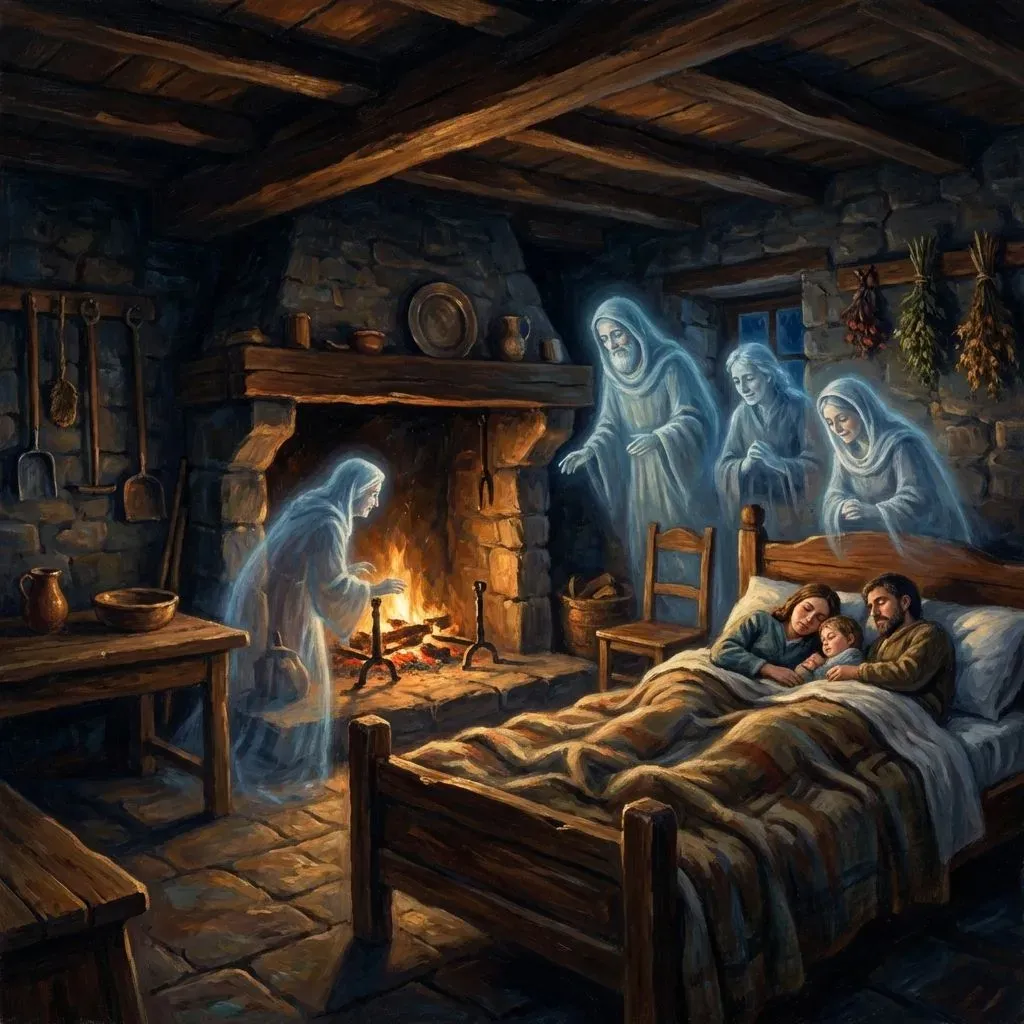
The sacred connection between these spirits and the ancestral home.
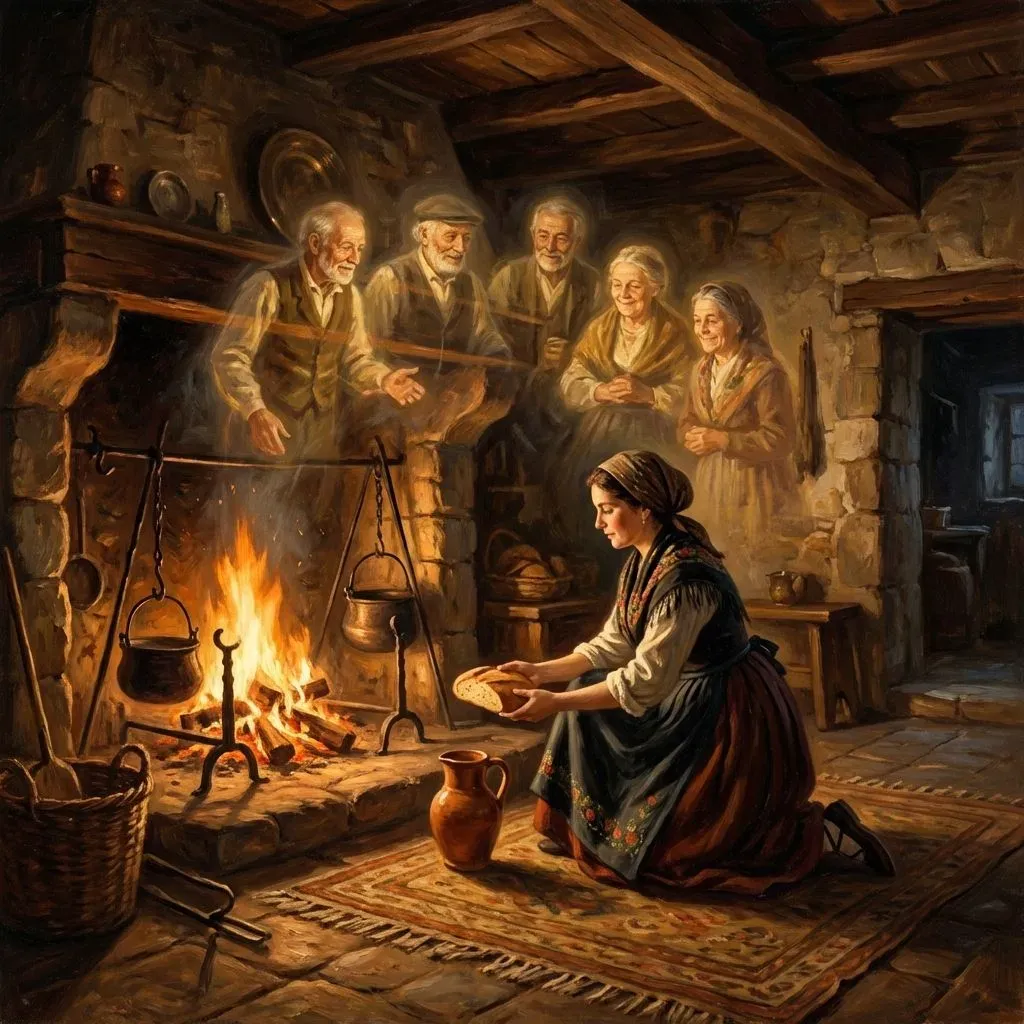
Rather than a decorative figure, Etxekoak helps explain how the Basque world understood danger, order and sacred space.
In many versions, Etxekoak marks a frontier between what belongs to human life and what must remain respected from a distance.
That is why the tales about Etxekoak often combine fear, wonder and moral instruction in the same narrative movement.
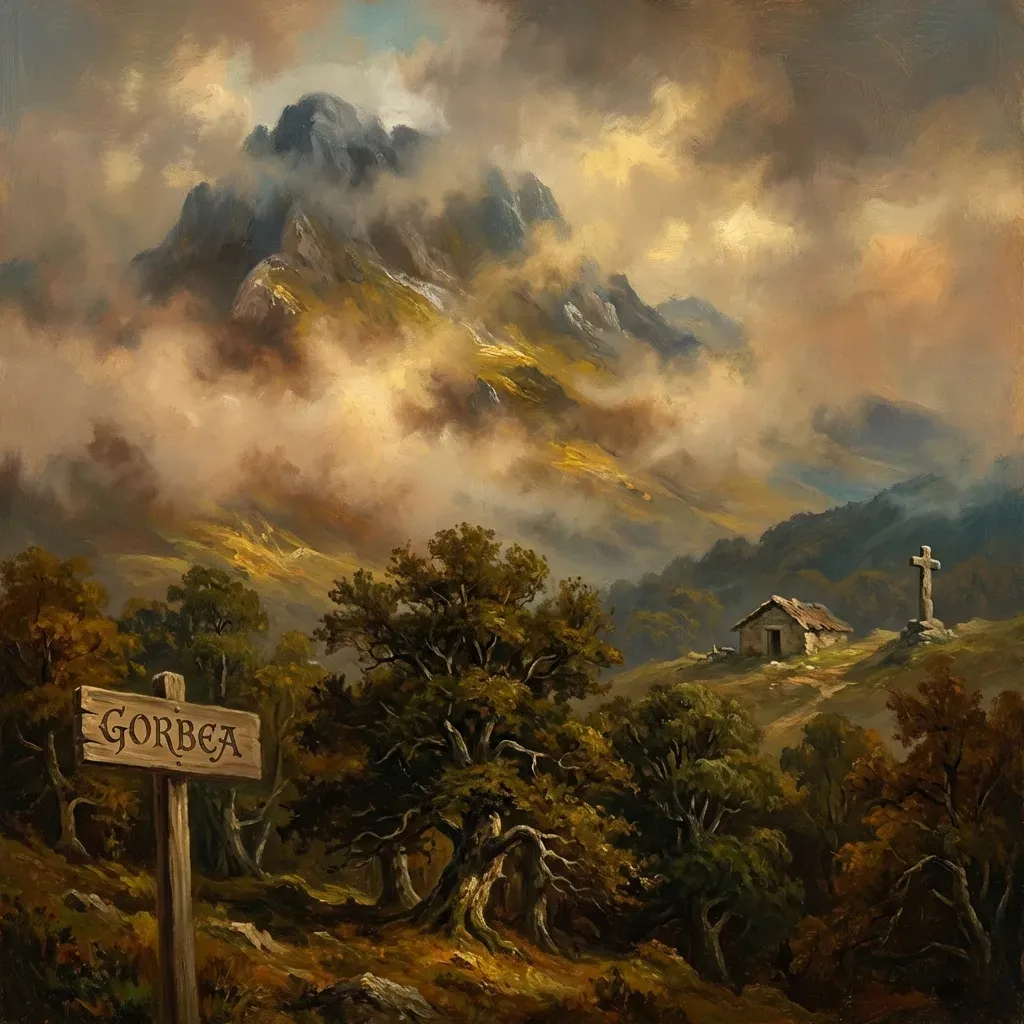
The figure also preserves an older way of reading the landscape, where mountains, houses, storms or caves are never neutral settings.
In the warm rural Basque home, the cult of these departed ancestors centred on the sacred hearth, the cherished *Sutondo*, where the fire was kept burning. To step across it or sit there without due respect was considered a violation of a sacred space; daily remembrance honoured the absent.
Through Etxekoak, myth gives shape to forces that cannot be seen directly but can still be felt in weather, place, memory and ritual.