Farmhouses vascos
Where the Iratxoak hide objects and play their tricks.
— Mischievous sprites —
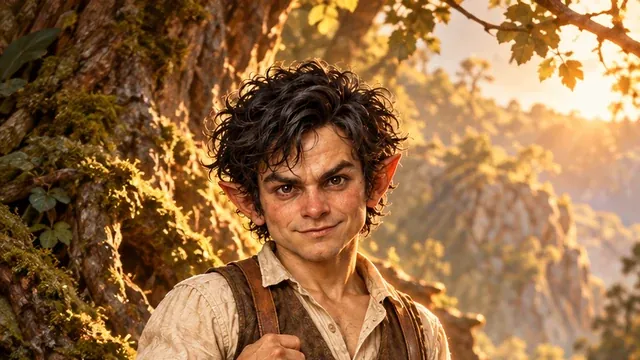
Iratxoak belongs to the oldest layer of Basque mythology and can be understood as the little hidden spirits of everyday Basque life.
Its stories are closely tied to roads, farm tools, houses and sudden odd events.
Where the Iratxoak hide objects and play their tricks.
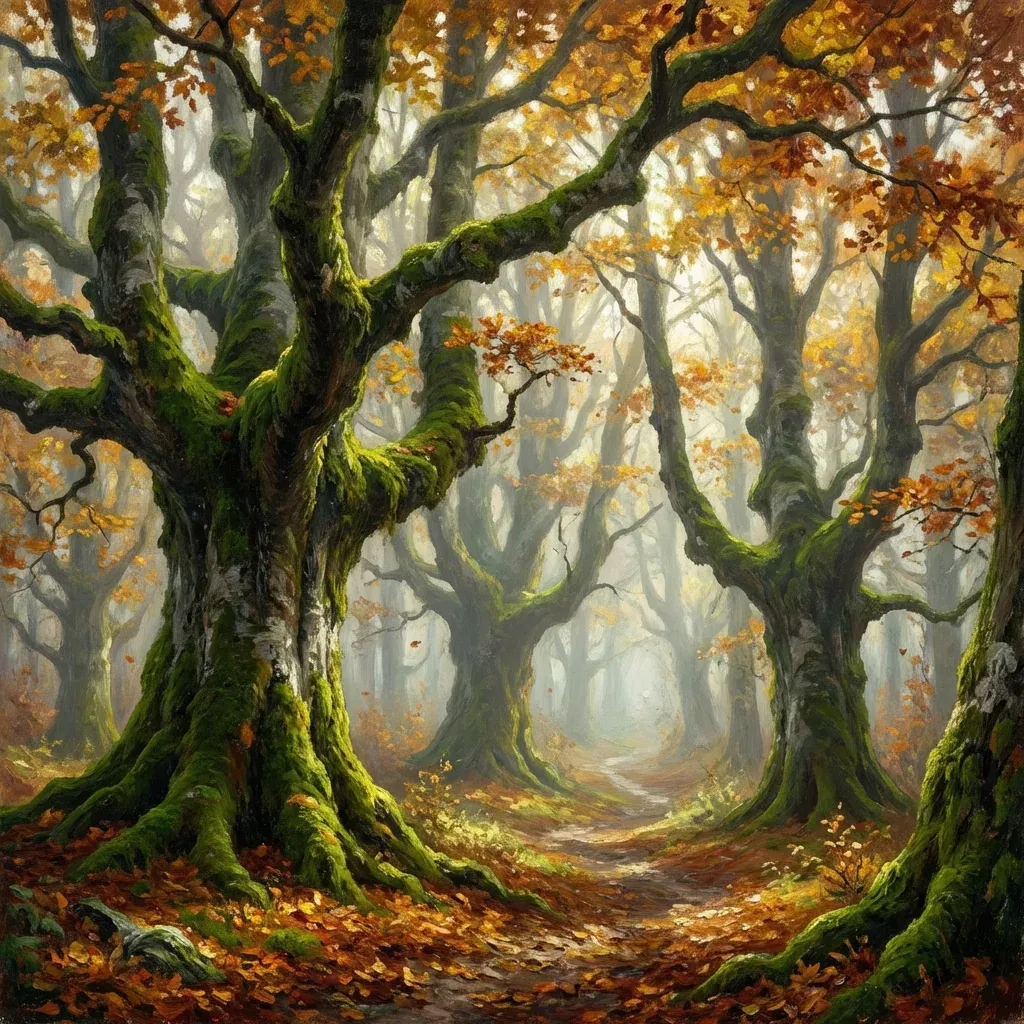
Places inhabited by these small mischievous beings.
Again and again the tradition returns to mischief, aid, surprise and invisible company.
Rather than a decorative figure, Iratxoak helps explain how the Basque world understood danger, order and sacred space.
In many versions, Iratxoak marks a frontier between what belongs to human life and what must remain respected from a distance.
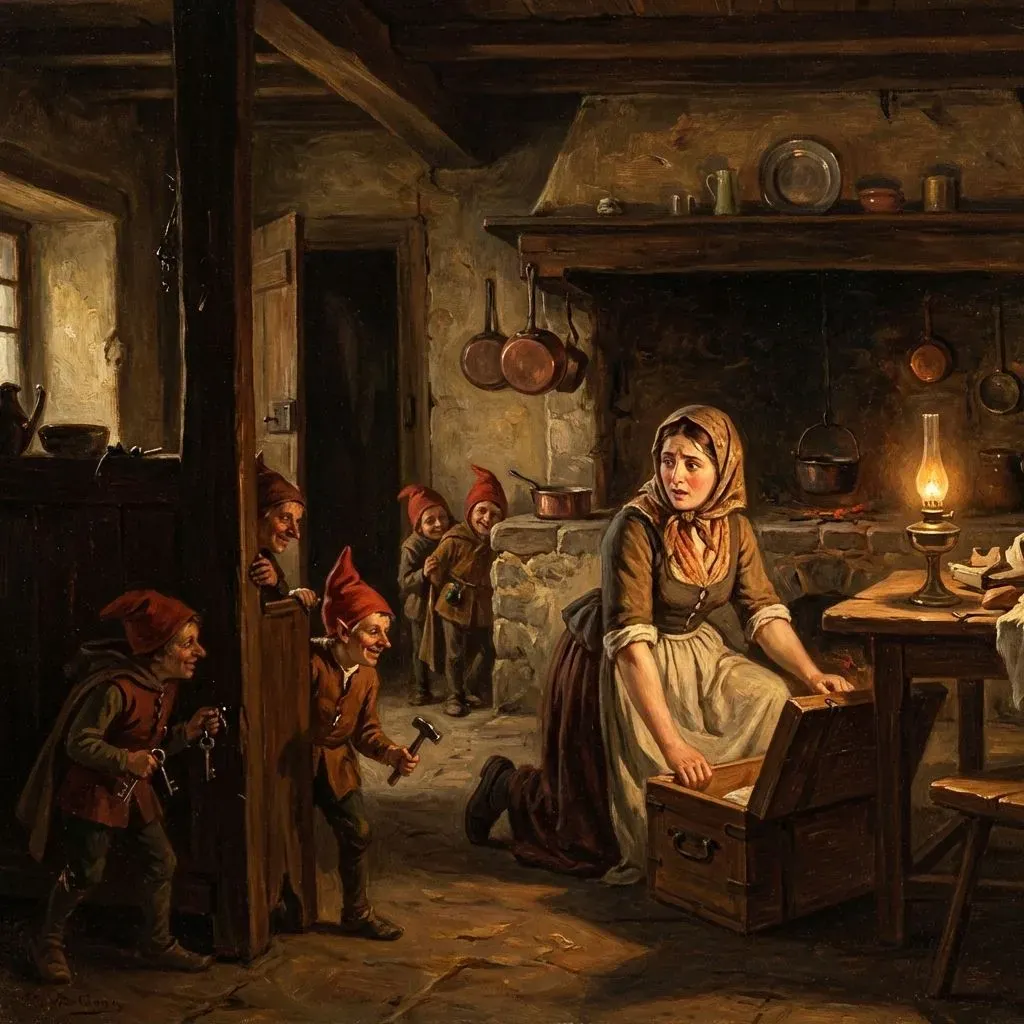
That is why the tales about Iratxoak often combine fear, wonder and moral instruction in the same narrative movement.
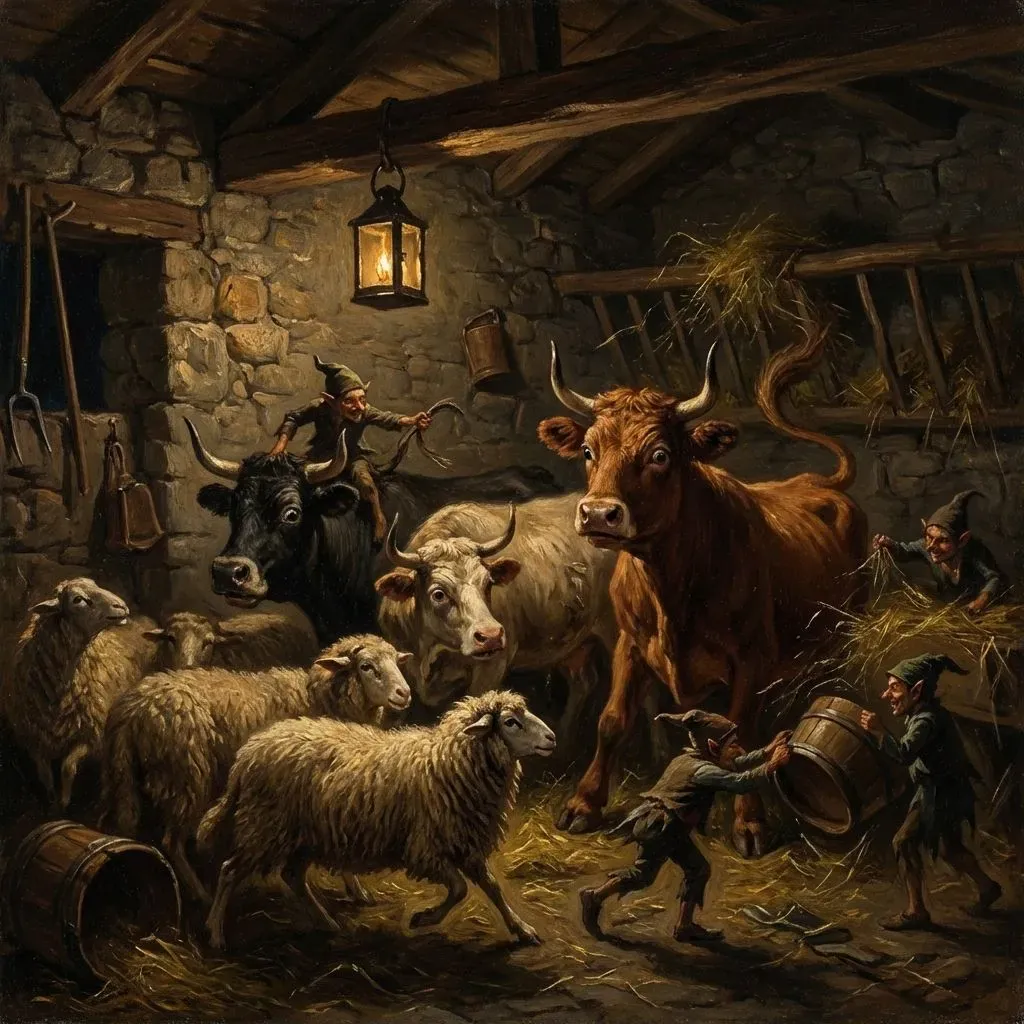
Pranks by the Iratxoak that frighten sheep and cows.
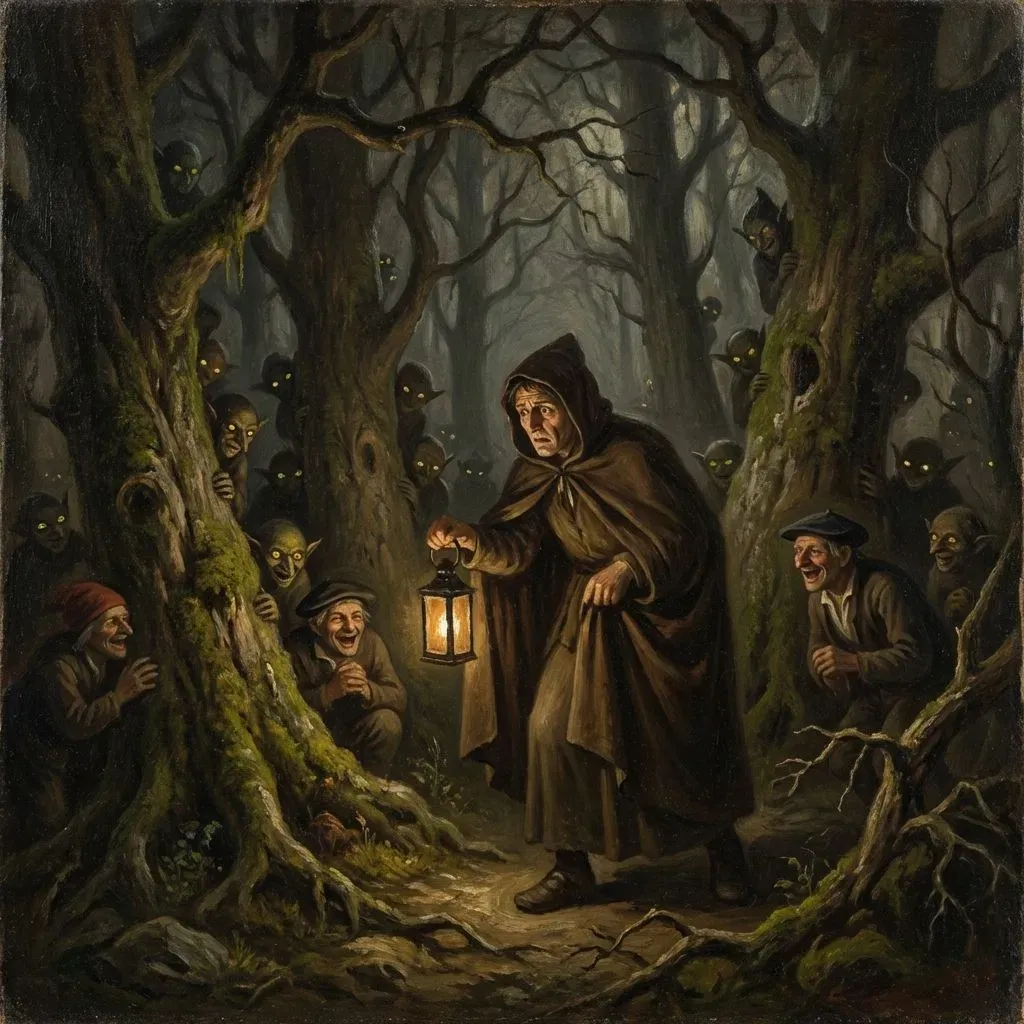
The sharp sound that reveals the presence of these beings.
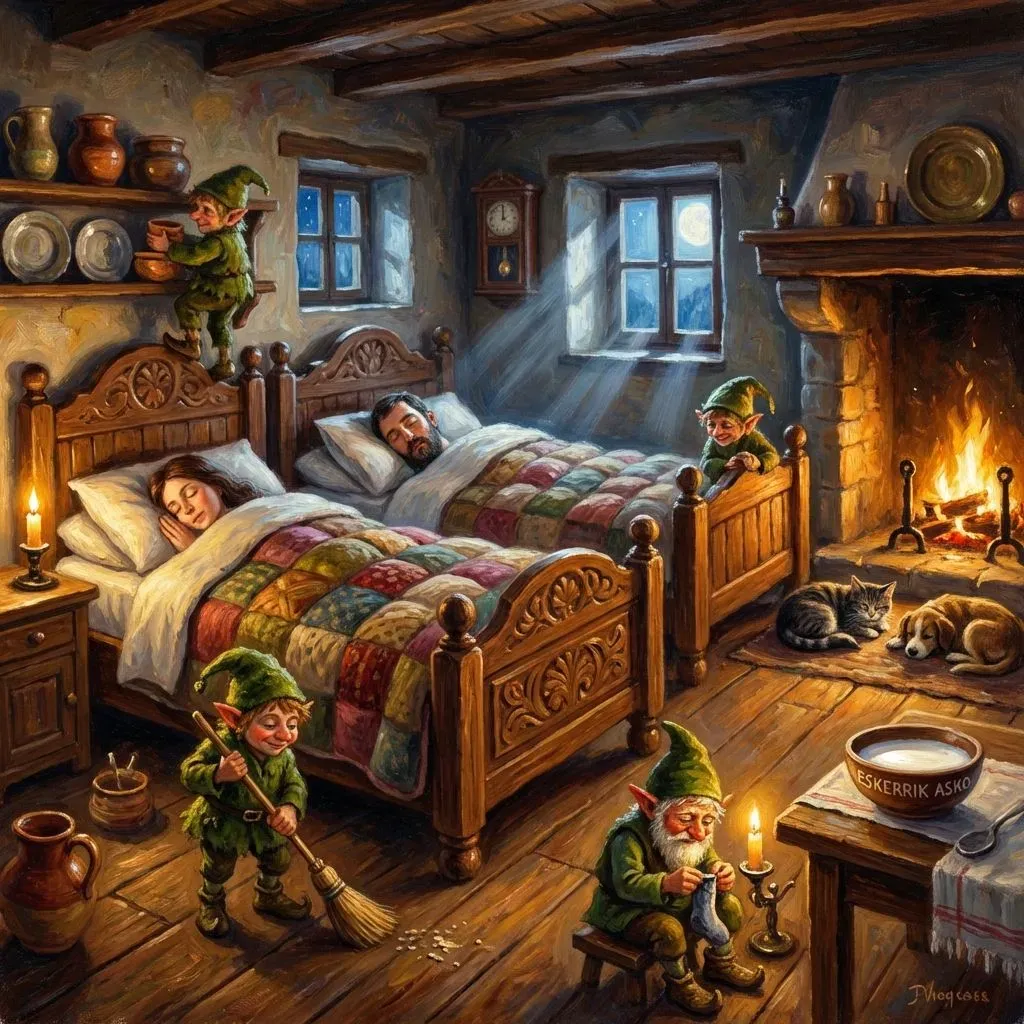
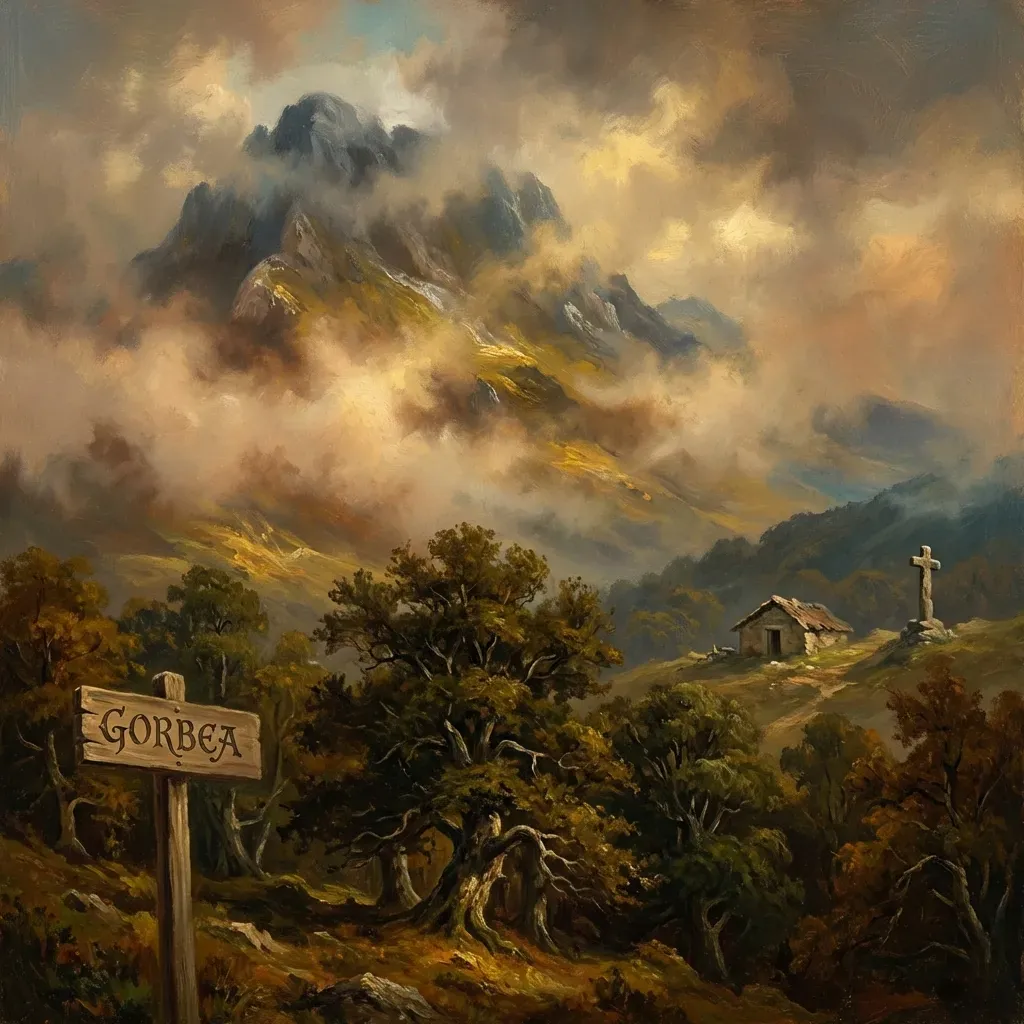
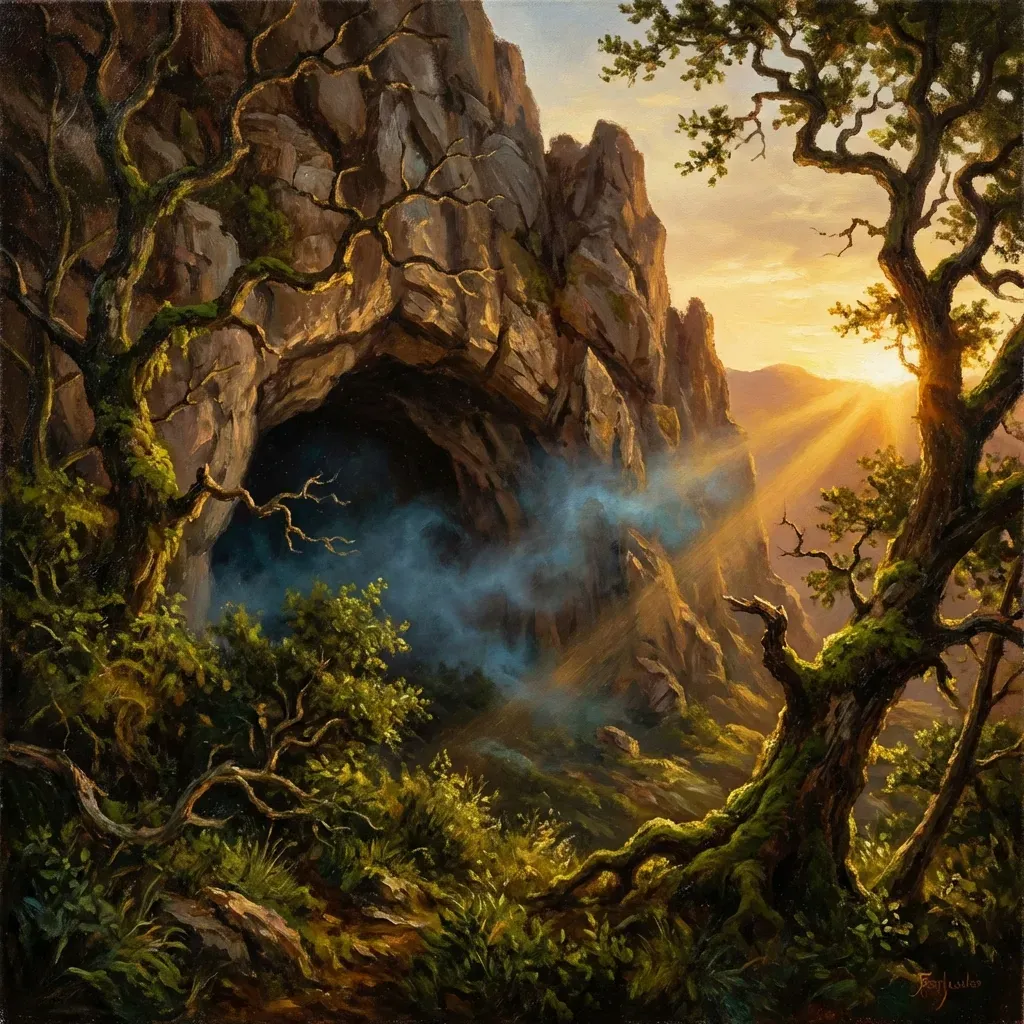
The figure also preserves an older way of reading the landscape, where mountains, houses, storms or caves are never neutral settings.
Through Iratxoak, myth gives shape to forces that cannot be seen directly but can still be felt in weather, place, memory and ritual.
Modern readers may approach Iratxoak as folklore, yet the character still carries the logic of a living symbolic world.
In that sense, Iratxoak remains a key doorway into the deeper structure of Basque imagination.
The persistence of this figure also shows how local myth can survive by adapting to new eras without losing its oldest core.