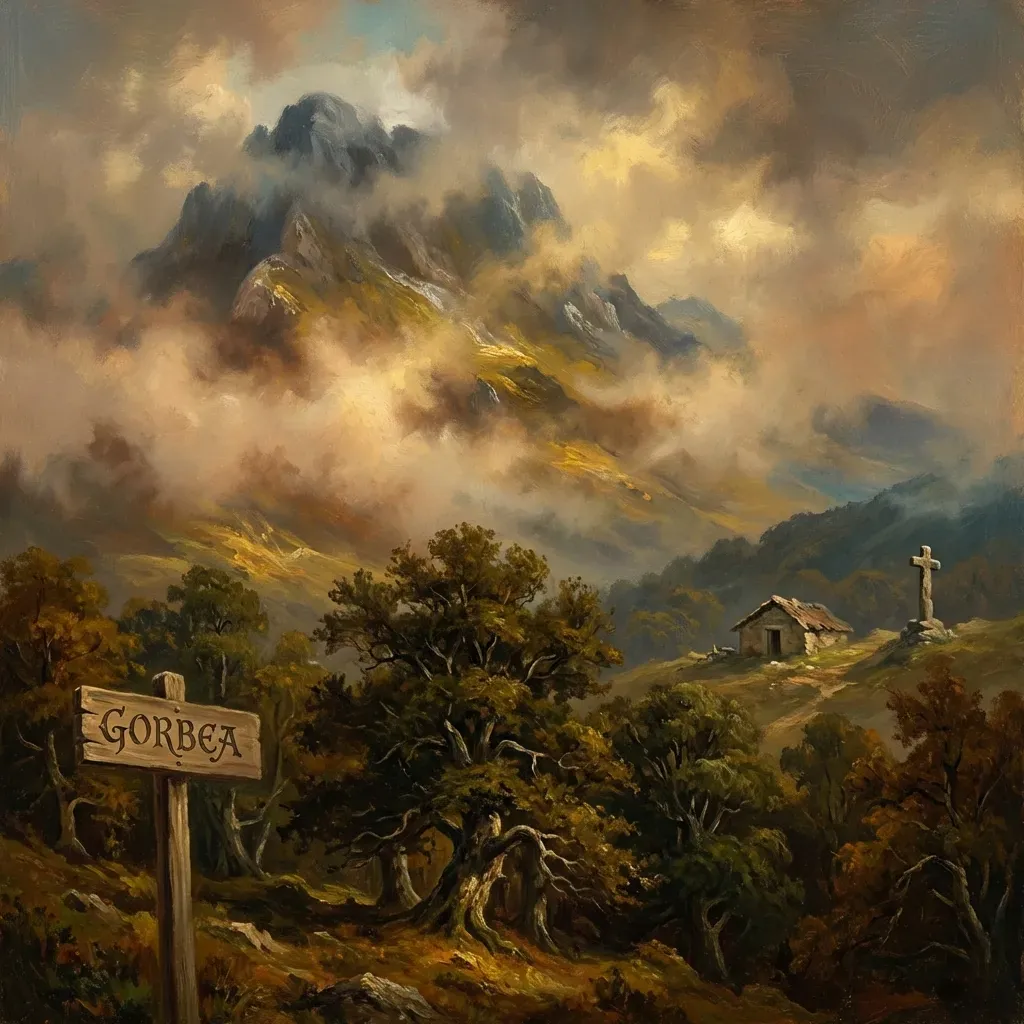
Farmhouses of the Basque Country
Where the Iratxoak perform their pranks.
? When the Iratxoak find delight in minor misfortunes ?
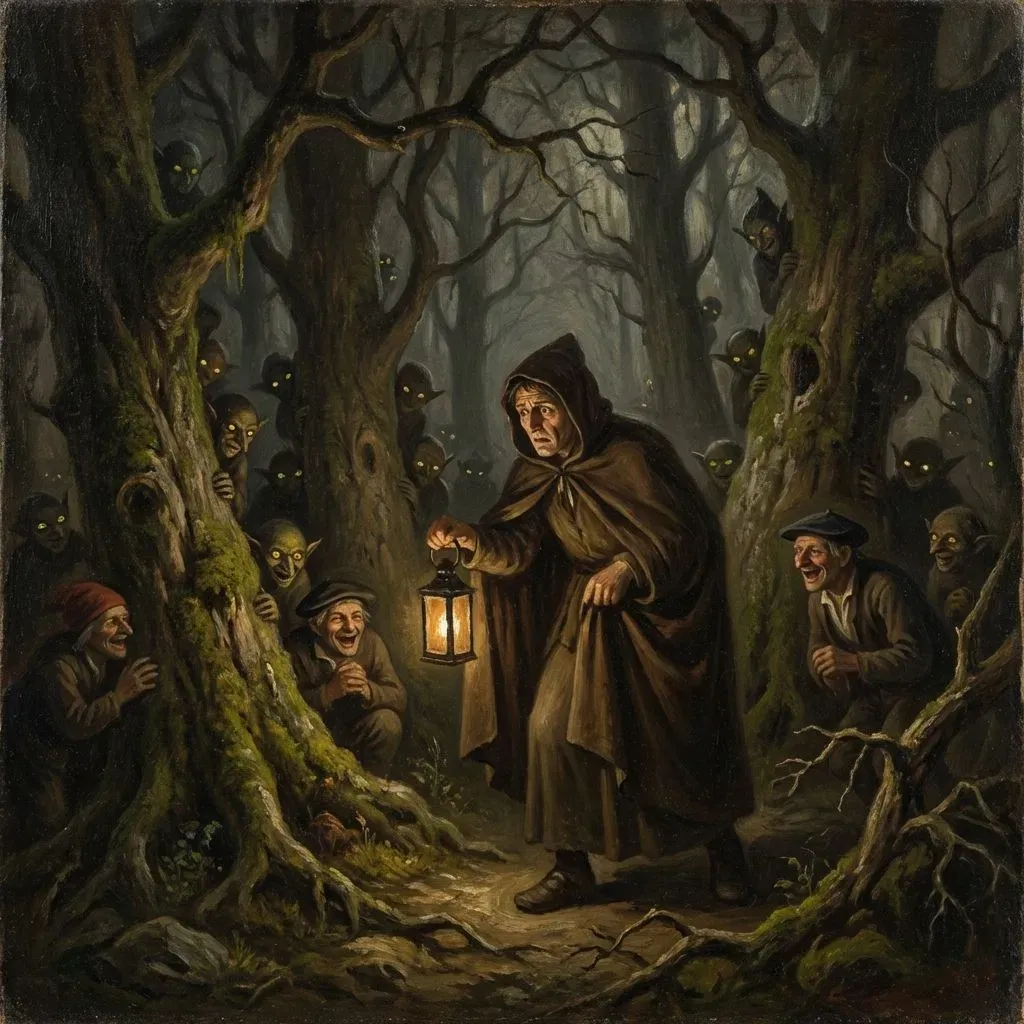
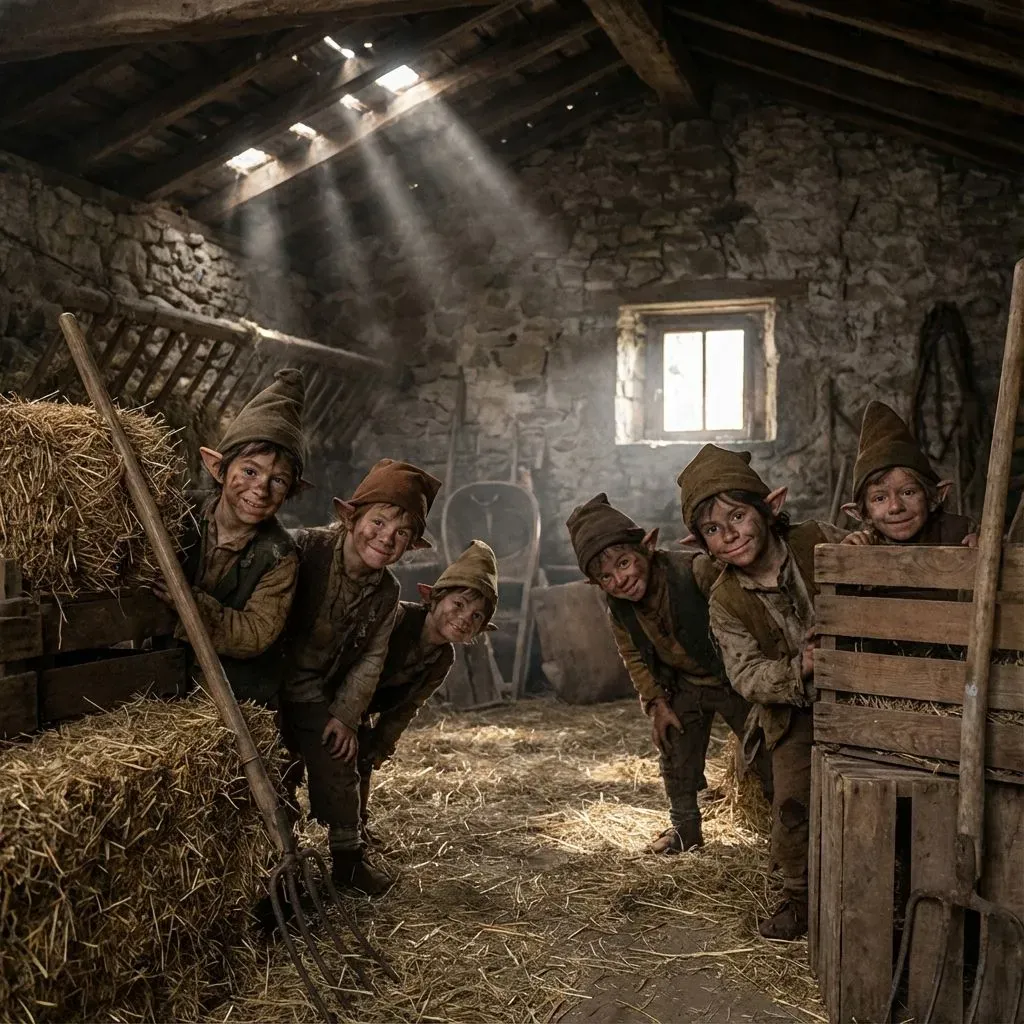
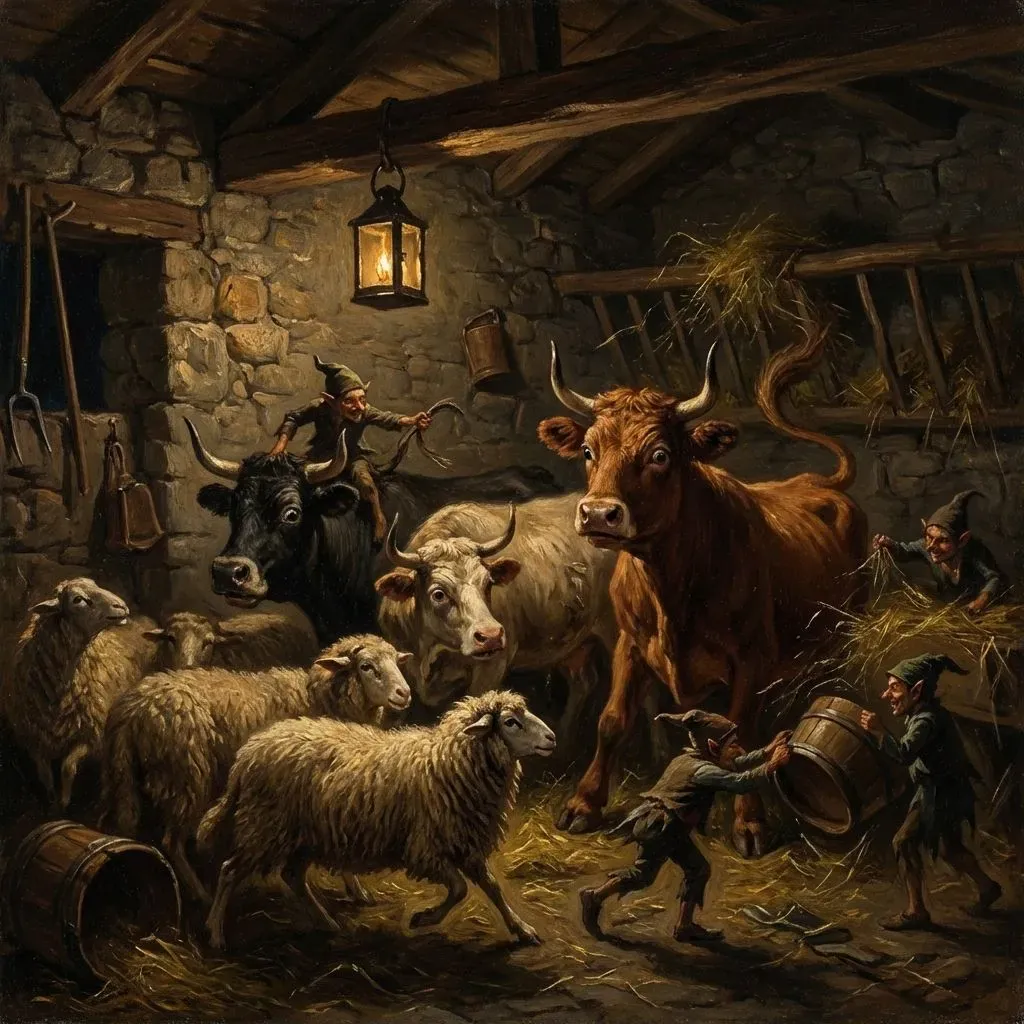
On new-moon nights, when the farmhouse sleeps in silence, sharp laughter can be heard among the rafters. They are the Iratxoak, tiny mischievous spirits who take endless pleasure in the minor misfortunes of the humans who live in the house.
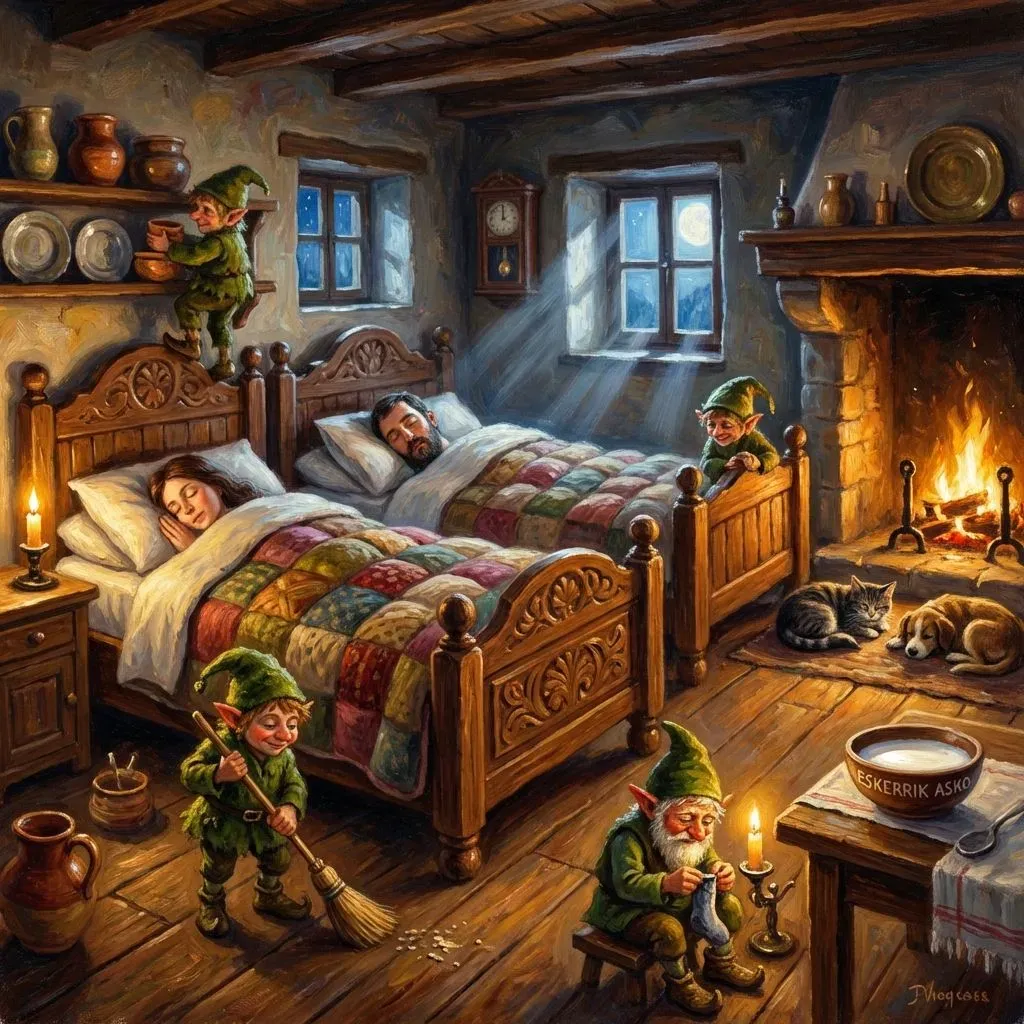
They tie shoelaces together while their owners sleep. They hide keys in impossible places where no one would ever think to look. They make milk curdle and doors creak for no apparent reason. And when the master of the house stumbles or curses in frustration, the laughter grows louder, multiplying through every dark corner of the farmhouse.
The elders knew that angering the Iratxoak was the worst mistake one could make. The more furious the human became, the more the goblins enjoyed the spectacle. Human rage was their favorite food and their finest entertainment.
The only way to calm them was to leave a bowl of fresh milk by the fire each new moon and pretend nothing had happened. By morning, the bowl would be empty and peace would return to the home... until the next new moon, when it would all begin again.
Where the Iratxoak perform their pranks.
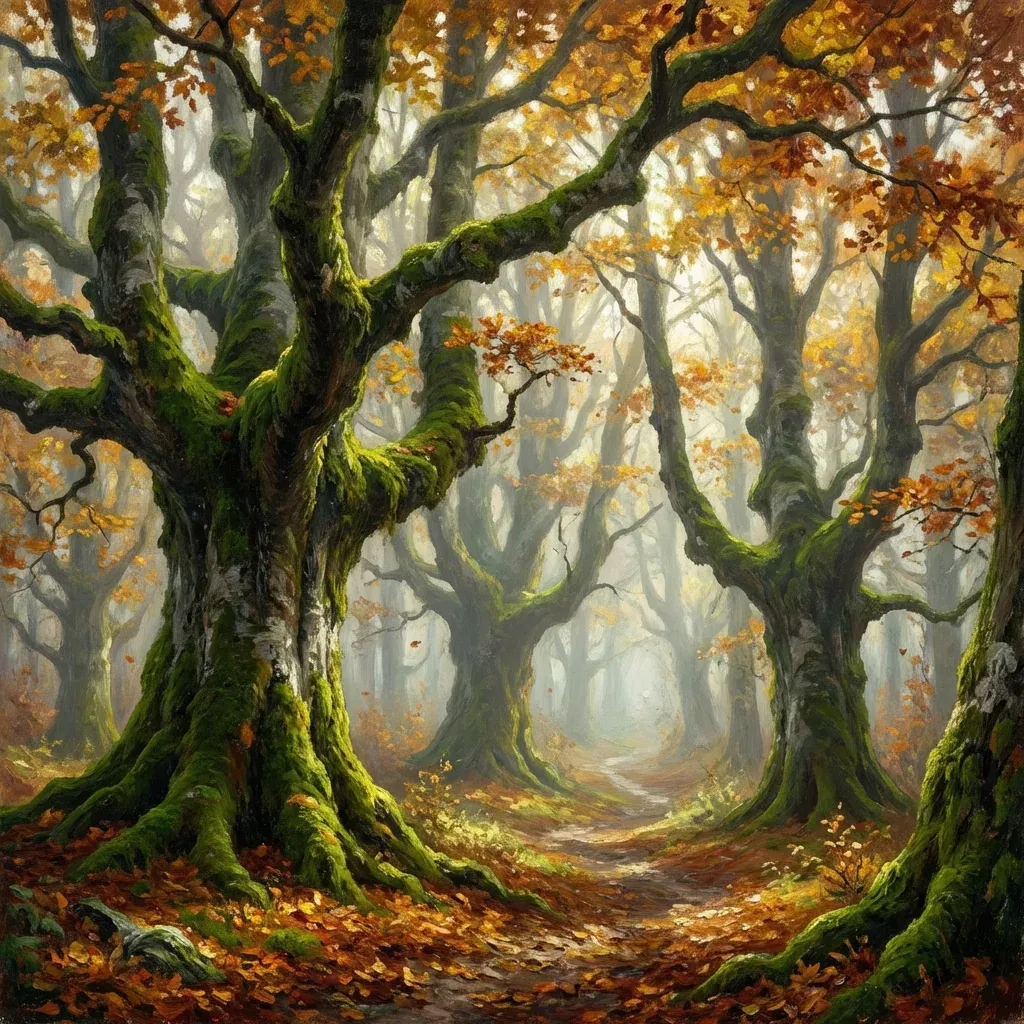
The goblins? favorite places inside the house.
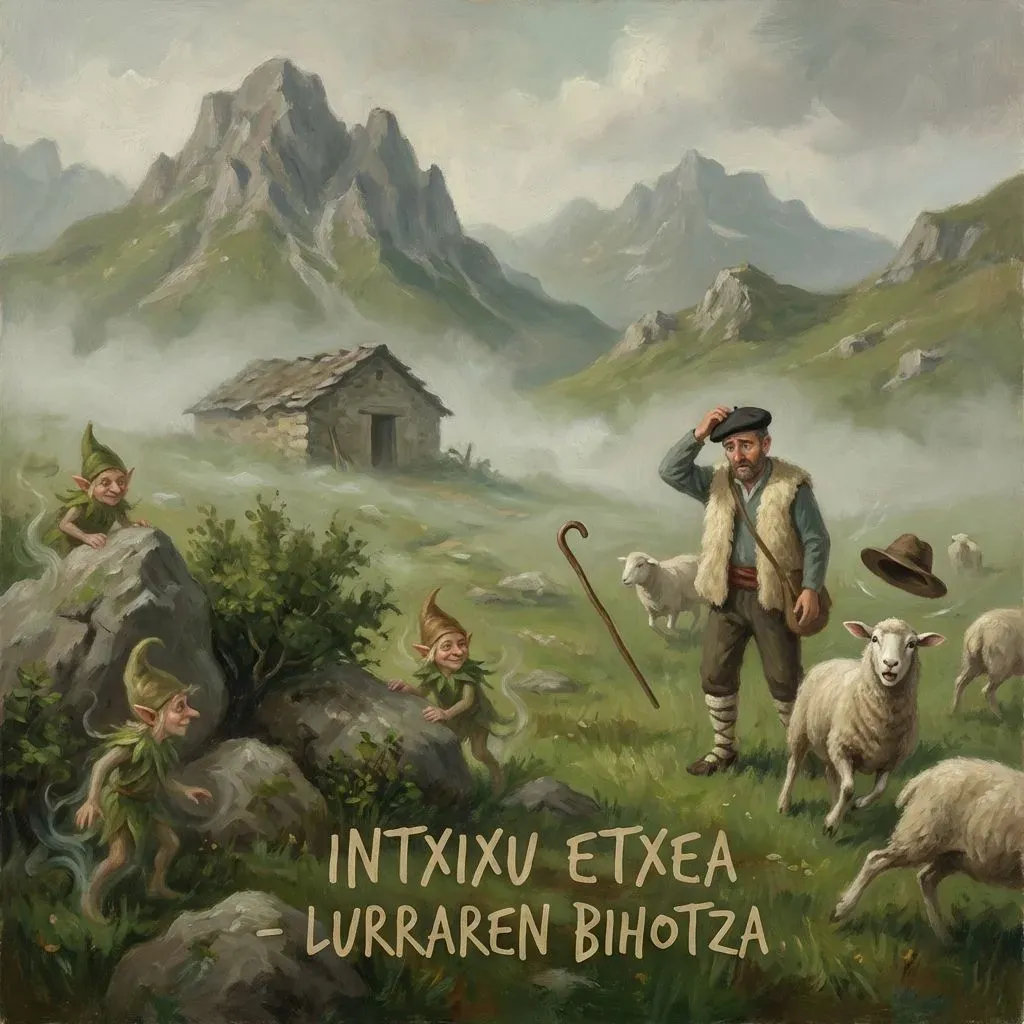
There is a stream of Basque tales that unsettles not through horror but through unease, where the disturbing element is neither violence nor death but something far more elusive: laughter without any visible body. A laugh rising from a cave, from behind a rock, or from some undefined point in the forest where no one stands.
Those who heard it described the sound as unmistakably human in tone and rhythm, which was exactly what made it so disturbing. A growl or a howl might be blamed on an animal, but a clear and articulated laugh in a place where no one was present defied every comforting explanation.
Some stories identified these laughs with the iratxoak, playful household spirits who delighted in human confusion and fear. Others attributed them to the souls of the dead, watching the living world from a distance that made mortal seriousness seem absurd.
Humor as a trait of the supernatural is one of the least explored and most revealing features of Basque mythology. A tradition that gives its unseen beings a sense of humor suggests that the universe itself is not entirely solemn, and that our human seriousness is, too, a source of cosmic amusement.