Farmhouse stables
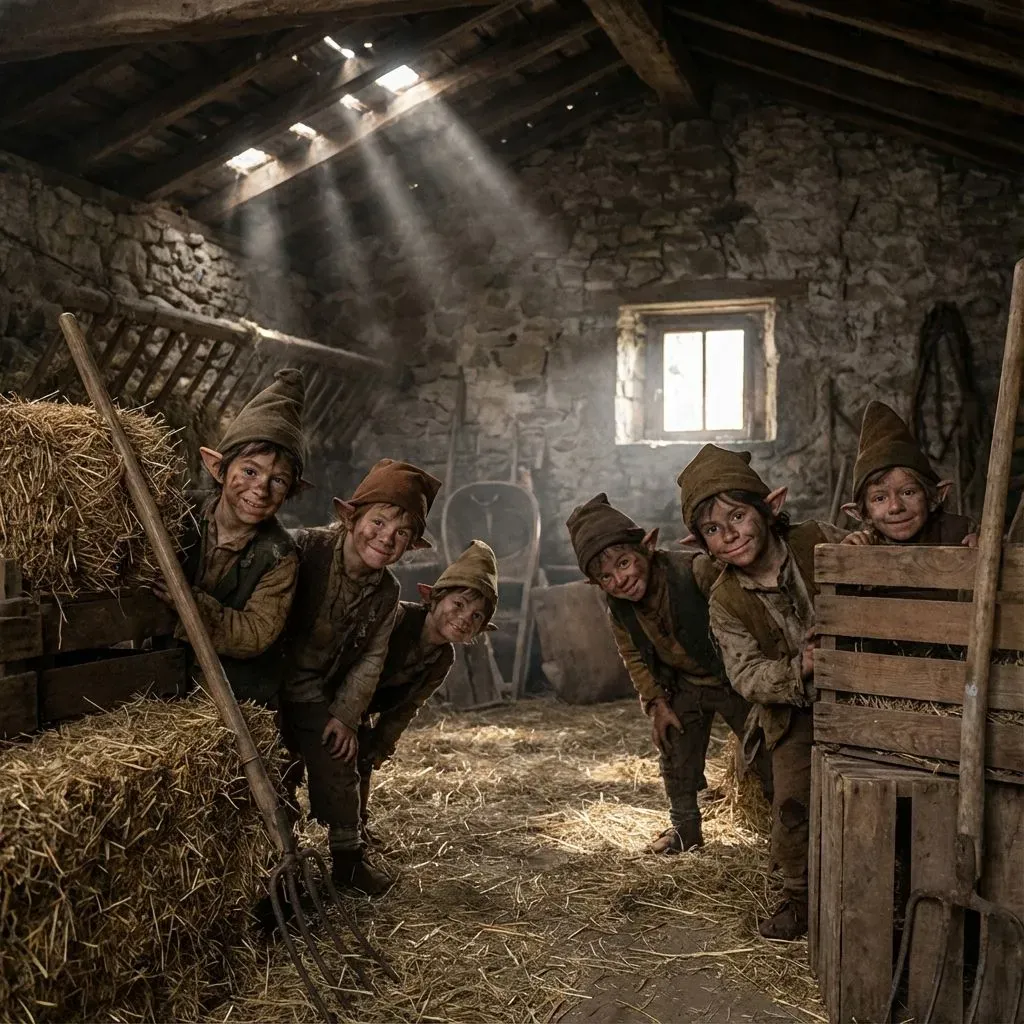
Where the Iratxoak frighten the animals during dark nights.
? The Iratxoak and their tricks against the herd ?
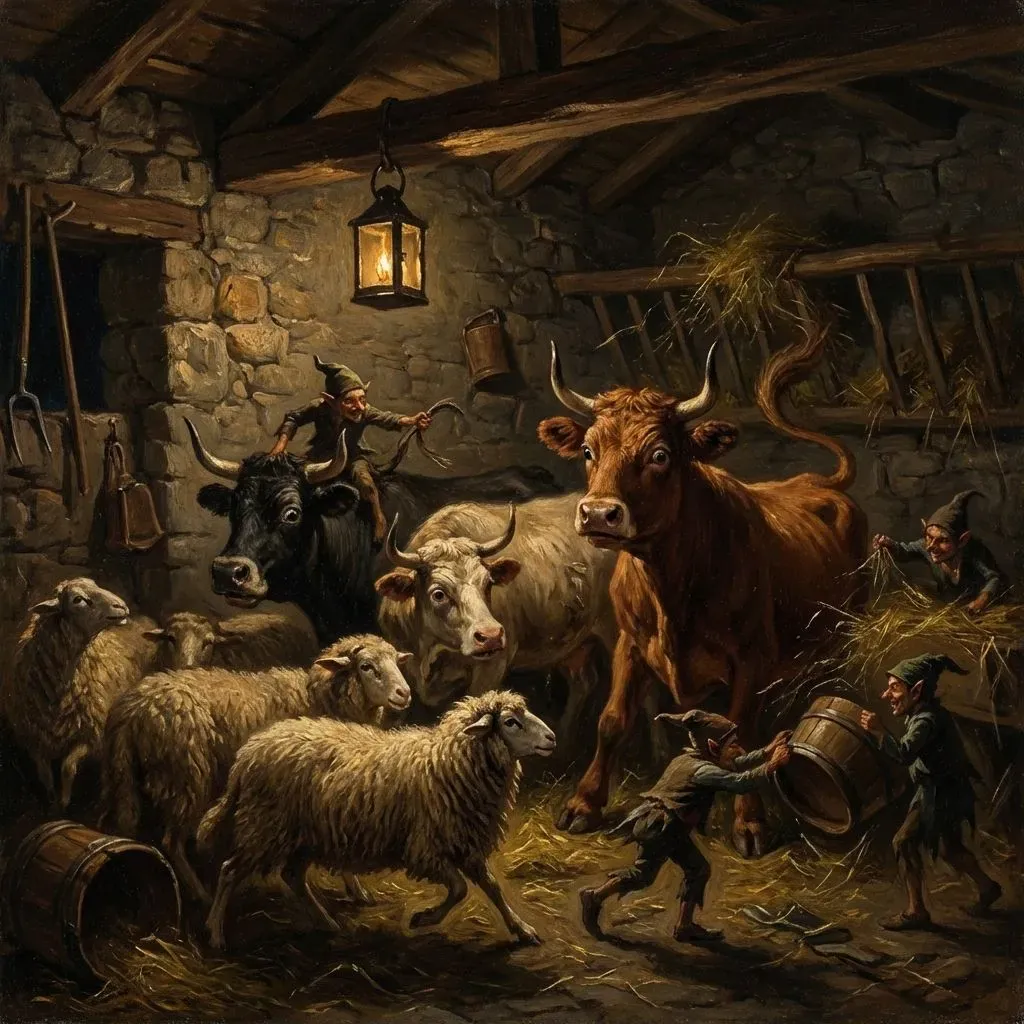
Shepherds knew the signs well: sheep scattering for no reason, cows lowing in terror in the middle of the night, horses tearing loose from their tethers to flee the stable. Such disturbances were blamed on the Iratxoak.
These small trickster spirits found endless amusement in frightening livestock. They pulled the tails of cows, made strange noises in the darkness of the stable, and sometimes mounted sheep like tiny wild riders, leaving the animals exhausted and trembling by dawn.
An old shepherd from Aralar used to say that the only way to protect the herd was to hang an iron horseshoe above the stable door and leave a bowl of fresh milk each night. If the Iratxoak found the offering, they would busy themselves with it and leave the animals in peace. If not, the disturbances continued until some sheep fell over a cliff or some cow stopped giving milk from fright.
The animals most affected always belonged to owners who were stingy or disrespectful toward old customs. The Iratxoak seemed to punish above all those who forgot that the small beings of the household also deserved respect and attention.
Where the Iratxoak frighten the animals during dark nights.
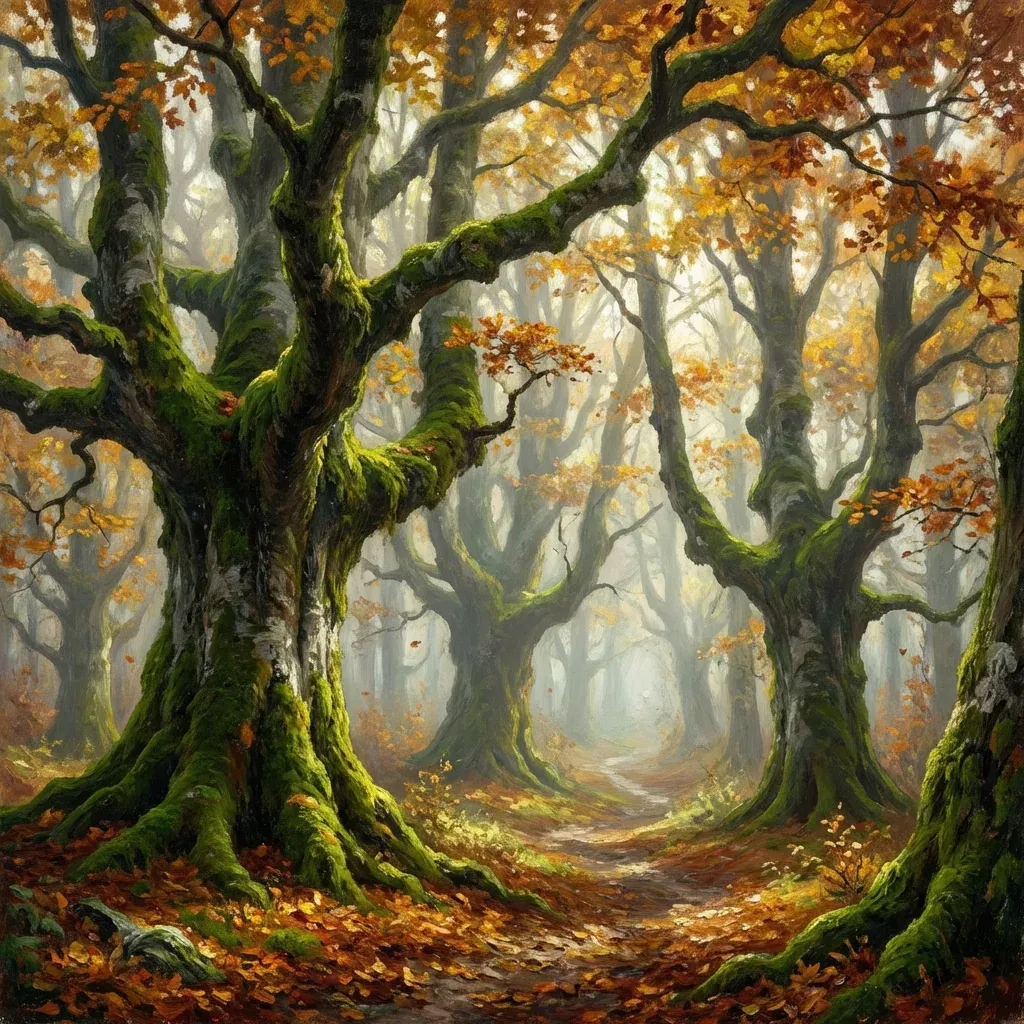
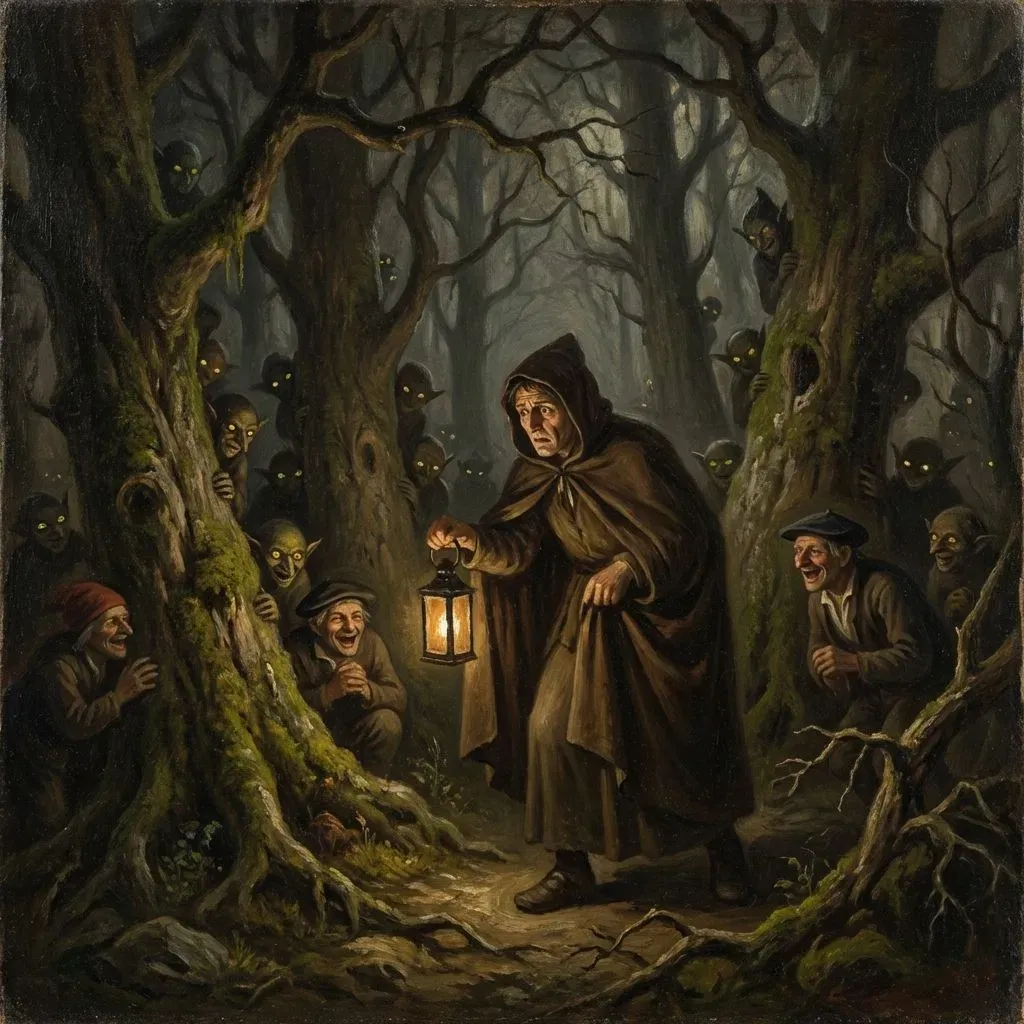
Meadows where the herd grazes and goblins lurk at dusk.
Stories of frightened livestock are common wherever the night world of the farmhouse overlaps with the world of hidden beings. Animals are often imagined as more sensitive than humans to what moves unseen in darkness, and their panic becomes a warning before people understand the cause.
That is why these tales matter beyond simple fear. They explain sudden agitation in the stable, but they also express a pastoral intuition: the herd notices disturbances in the environment before the shepherd does. Myth gives that intuition a face in the form of the Iratxoak.
The protective gestures are equally important. Iron, milk, and stable rituals do not only shield the animals; they remind the household that care involves both practical vigilance and symbolic respect.
The legend endures because it transforms ordinary rural anxiety?an unsettled herd, a sleepless night, an unexplained loss?into a meaningful drama in which neglect, fear, and protection all take visible form.