Basque farmhouses
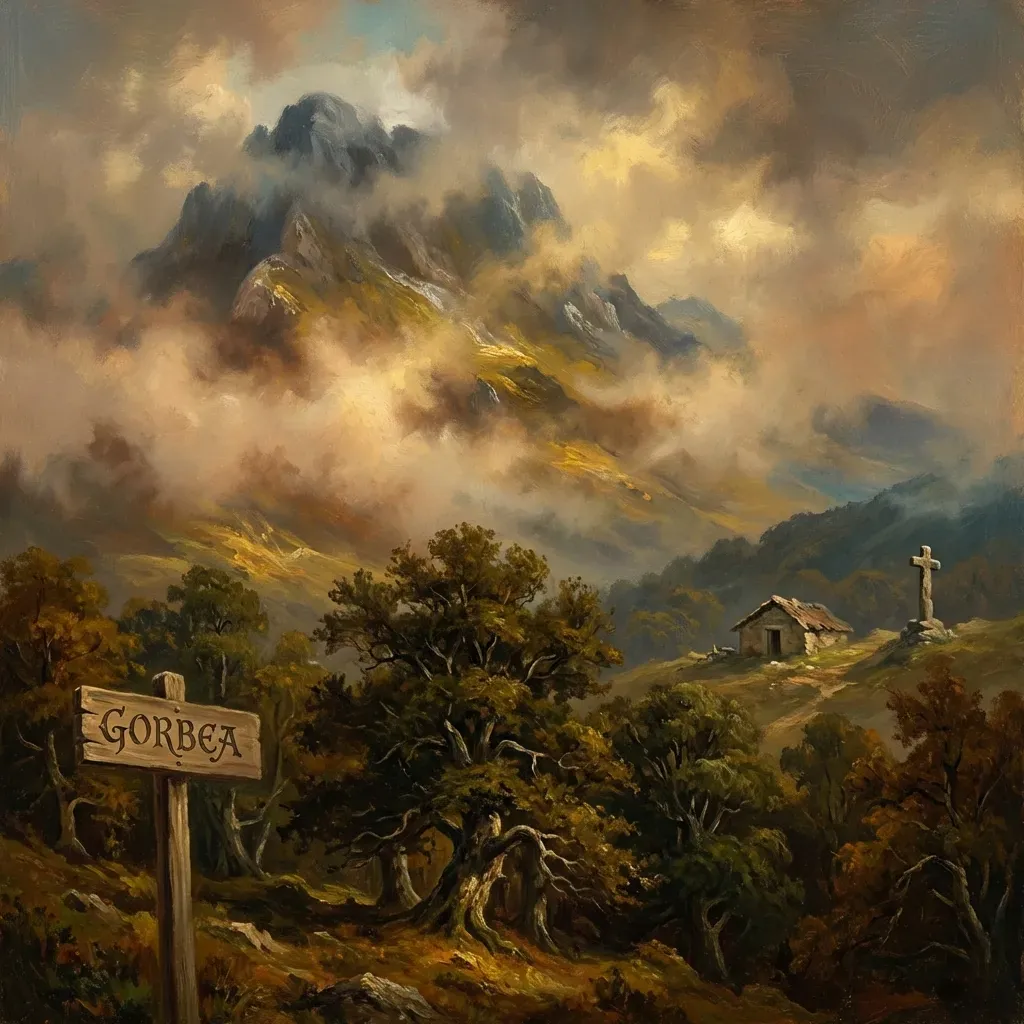
Traditional homes where mischievous goblins are said to live.
? The household mischief of the Iratxoak ?
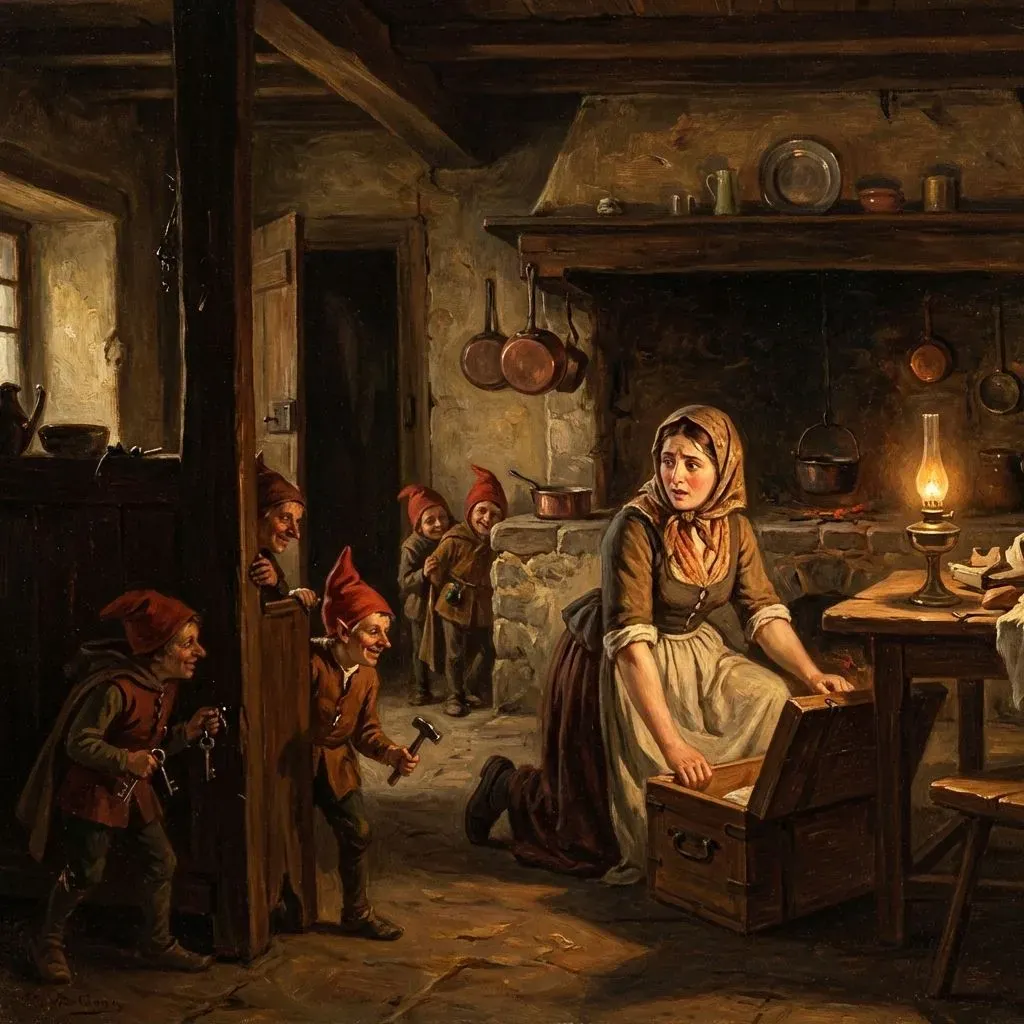
How many times have you left your keys somewhere only for them to vanish when you return? How many tools have disappeared from the workshop, only to turn up days later in the least likely corner? In Basque tradition, these are not coincidences or distractions: they are the Iratxoak at play.
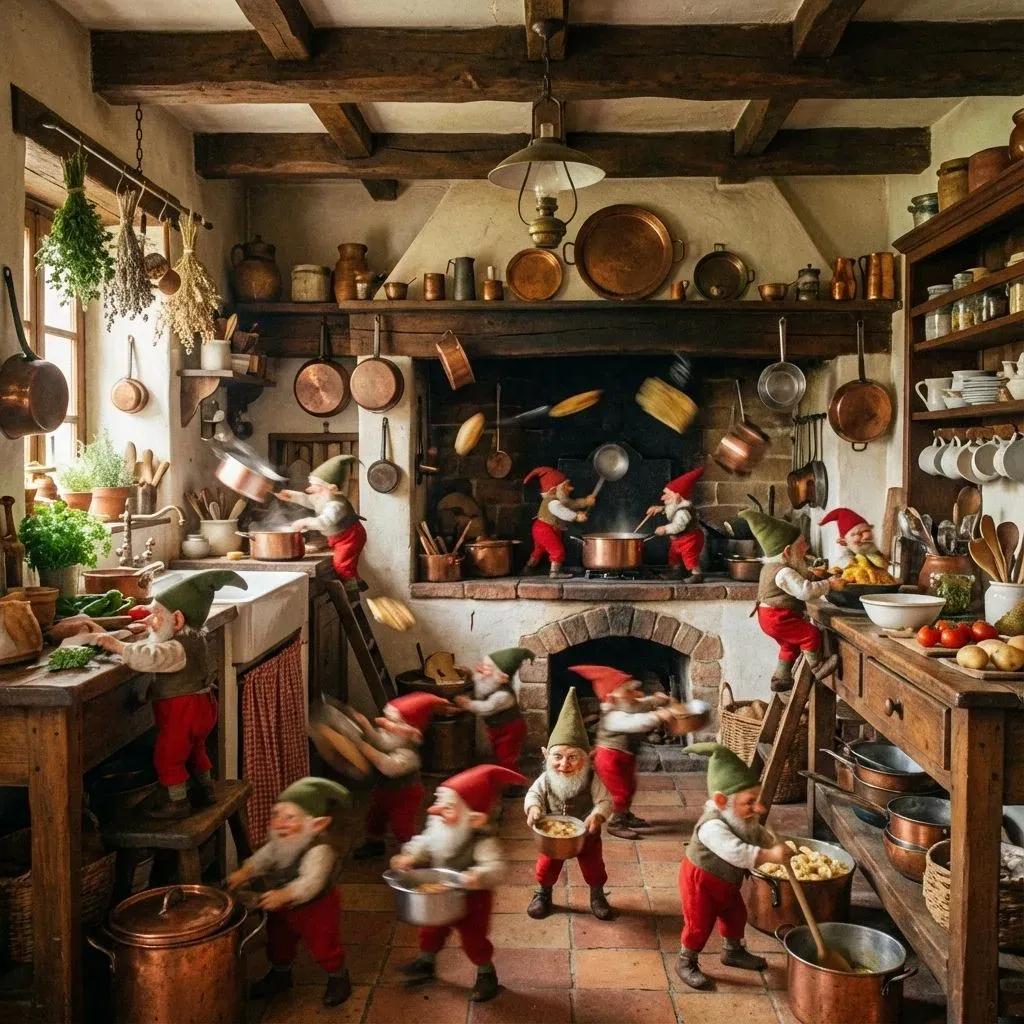
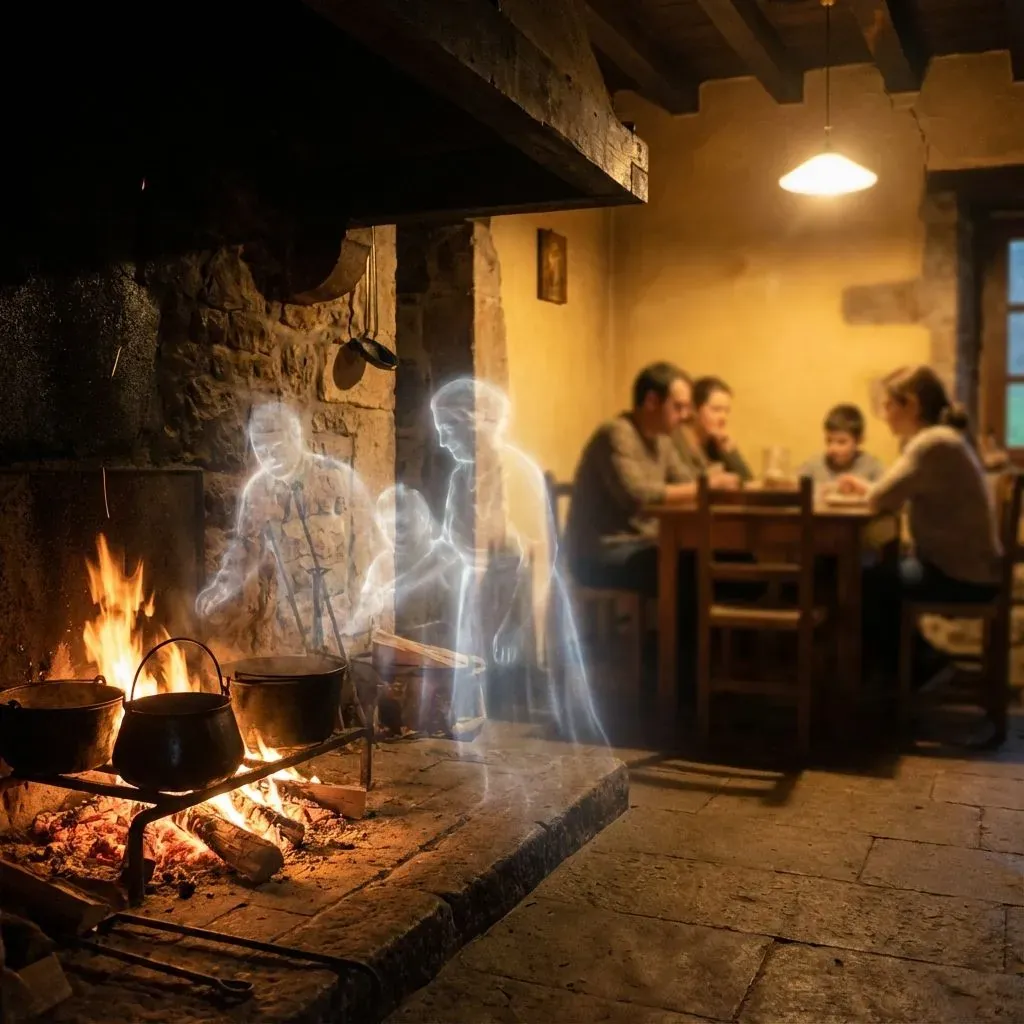
These small goblins with their sharp laughter live in the dark corners of farmhouses, beneath the hearthstones and among the roof beams. Their favorite pastime is to hide the objects people need most: the tailor's scissors, the grandmother's thimble, the blacksmith's hammer. And the more urgently someone needs them, the harder the Iratxoak laugh from their hiding places.
An old housewife from Oiartzun said she had learned to speak with them. Whenever something vanished, she left a small dish of milk and honey in the kitchen corner, and the next day the missing object appeared exactly where it should have been. The Iratxoak are not evil, she said, only mischievous. If you show them respect, they return it.
But woe to anyone who insults or curses them: then the tricks become more persistent, objects vanish for weeks, and the nighttime laughter keeps the whole house awake. The wise know it is better to have the Iratxoak as friends than as enemies.
Traditional homes where mischievous goblins are said to live.

Hidden household spaces where the Iratxoak conceal themselves.
Every Basque family with enough history behind it knew the feeling of searching for hours for a tool or everyday object only to find it later in the exact place they had already checked twenty times. Rational explanations always came too late and never fully convinced anyone.
The galtzagorriak and other household spirits were said to move objects not out of pure malice but to draw attention to something the owner had neglected, or as a response to some small offense committed without realizing it.
The traditional remedy was not to search more frantically but to stop, apologize aloud for whatever might have offended the spirit of the house, and say that the object was welcome to return whenever it wished. This way of negotiating with the invisible was said to work surprisingly well.
Beyond the supernatural explanation, the practice taught Basque children an important lesson: when something is lost, panic and frantic searching rarely help. Calm, reflection, and humility before what we do not fully control are far more useful than impatience.