Prosperous farmhouses
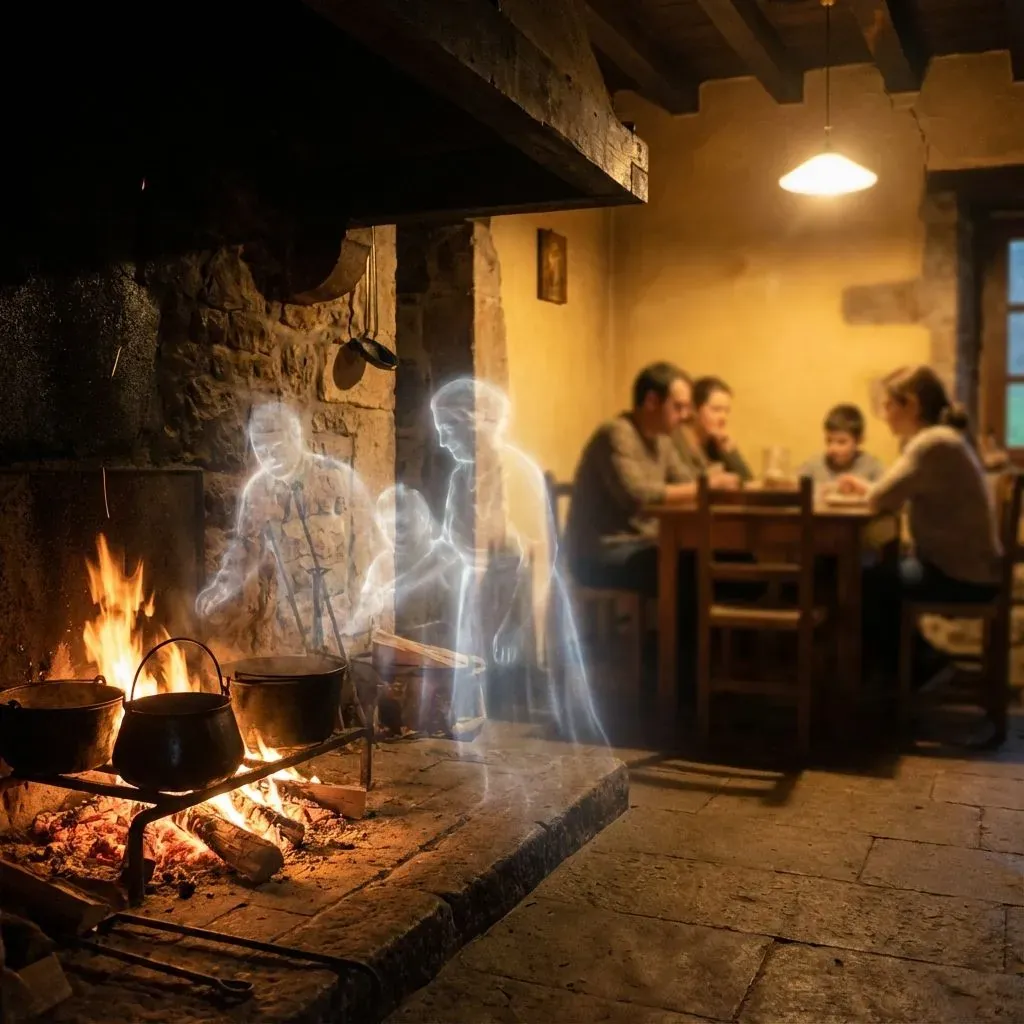
Homes where some suspected the use of Galtzagorriak.
? The dangerous services of the Galtzagorriak ?
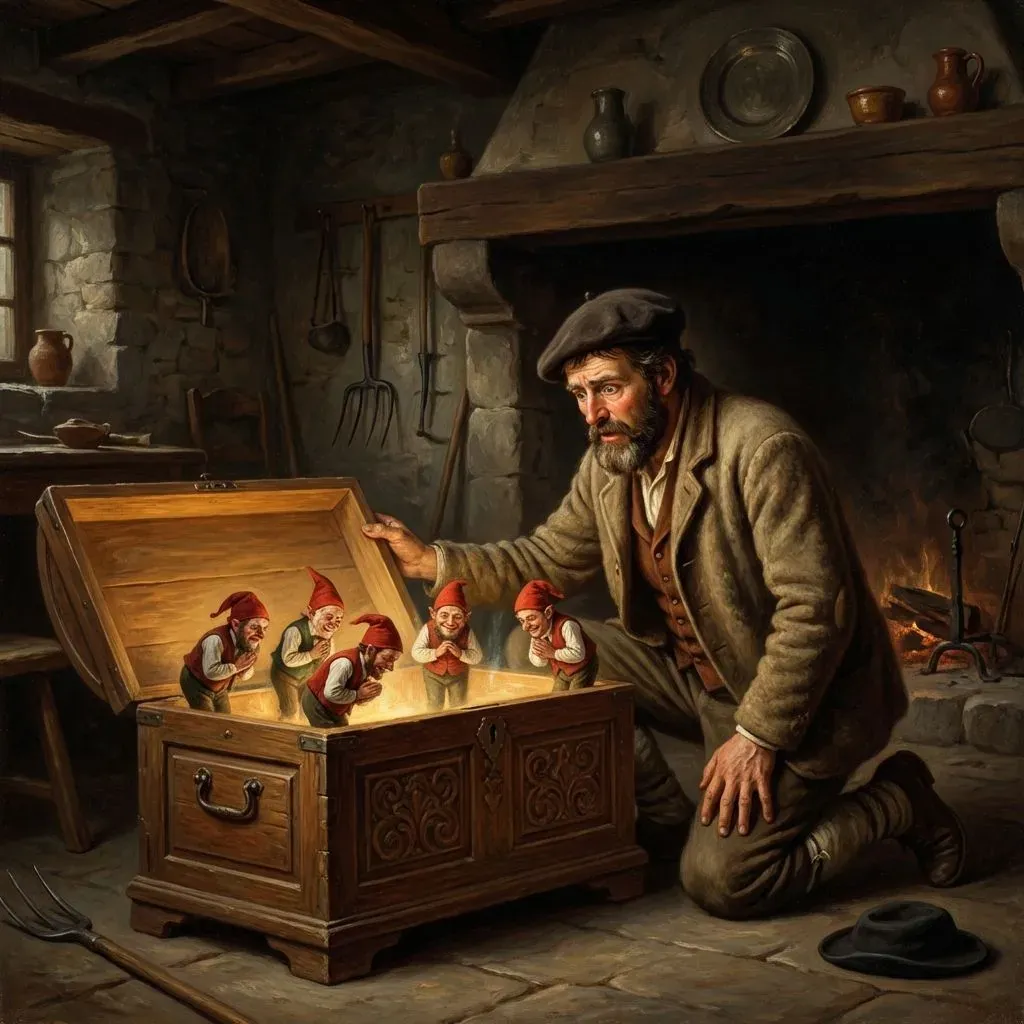
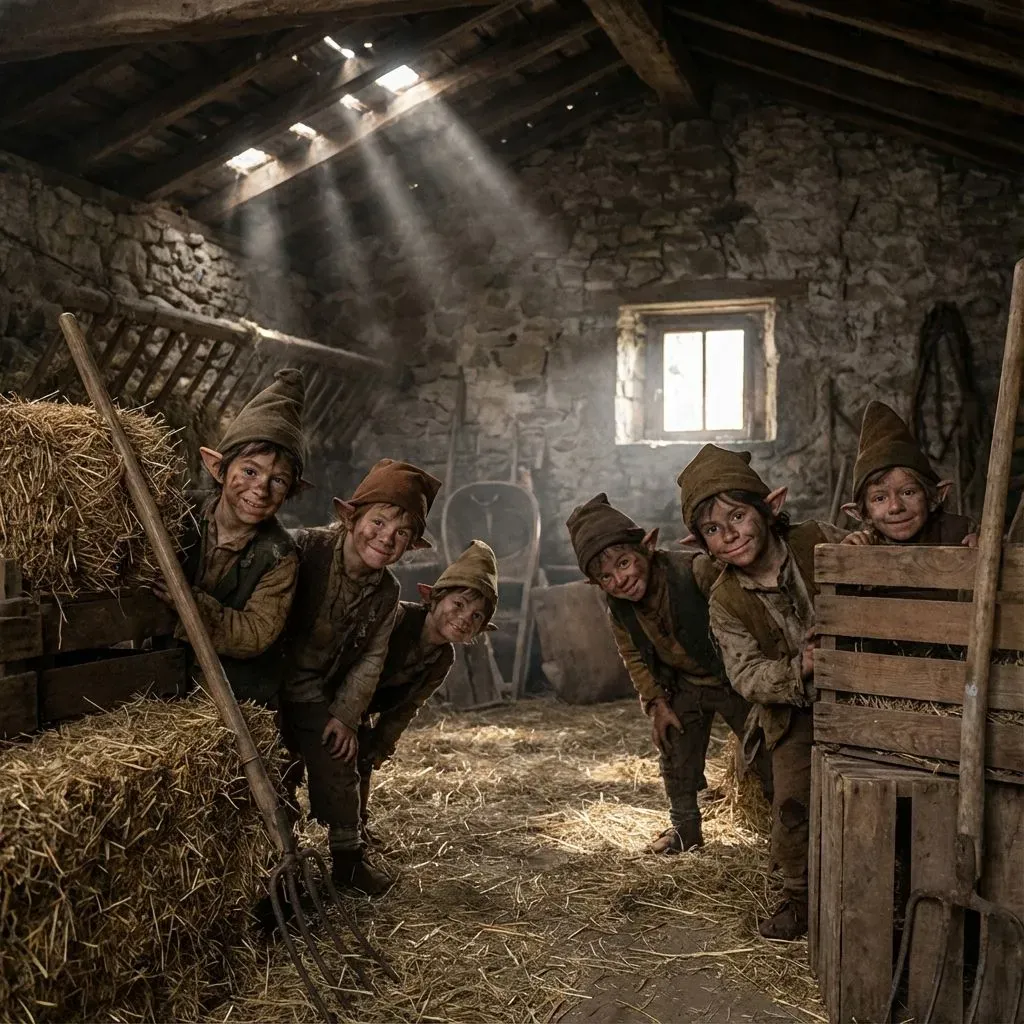
Once there was a farmer from Ataun who wanted to become rich without working. One day a mysterious merchant offered him a small box in exchange for three gold coins. ?Inside are Galtzagorriak,? said the merchant, ?little red-trousered spirits who will do any task you command. But be careful: they must never be left idle, or they will turn against you.?
The farmer opened the box and saw the tiny beings in their red trousers. ?Work!? he ordered. And the Galtzagorriak sowed his fields in a single night. ?More!? he demanded. And they built a mill before dawn. Soon the farmer was the richest man in the valley, but the Galtzagorriak never stopped asking for more work.
?Turn those stones into gold!? Done. ?Count the stars in the sky!? Finished before daybreak. Every impossible task was completed, and the little devils came back asking for another. The farmer began to fear the moment when he would run out of ideas.
In desperation he consulted a wise woman from Aralar. ?Order them to empty the sea with a shell,? she advised. And so he did. The Galtzagorriak are said to be there still, carrying away seawater drop by drop, a task they will never finish. And the farmer learned that easy wealth always comes with a hidden cost.
Homes where some suspected the use of Galtzagorriak.

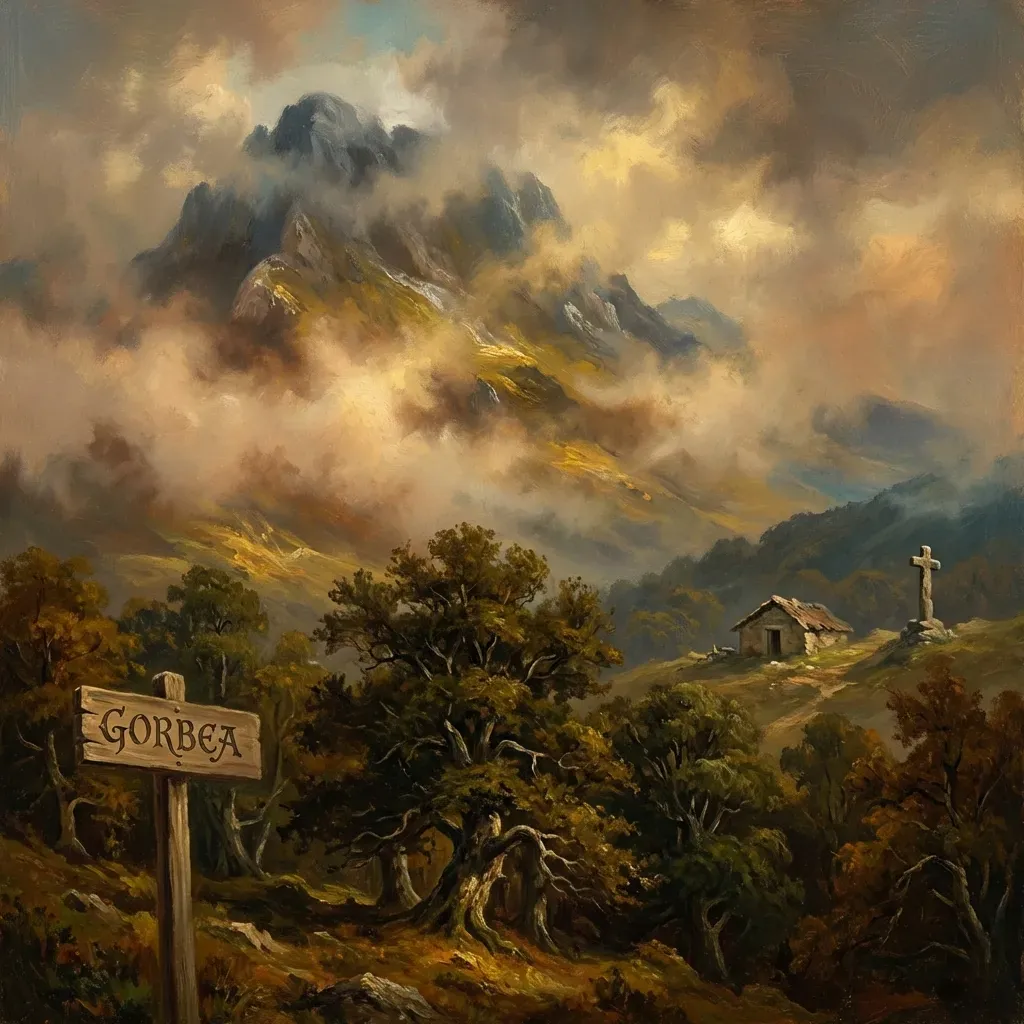
Where the spirits are still said to empty the sea with a shell.
Pacts between humans and mountain beings are one of the great narrative themes of Basque tradition. Unlike the devil's bargains of other European traditions, these Basque folkloric agreements usually did not involve surrendering the soul, but rather a more pragmatic exchange of services and obligations.
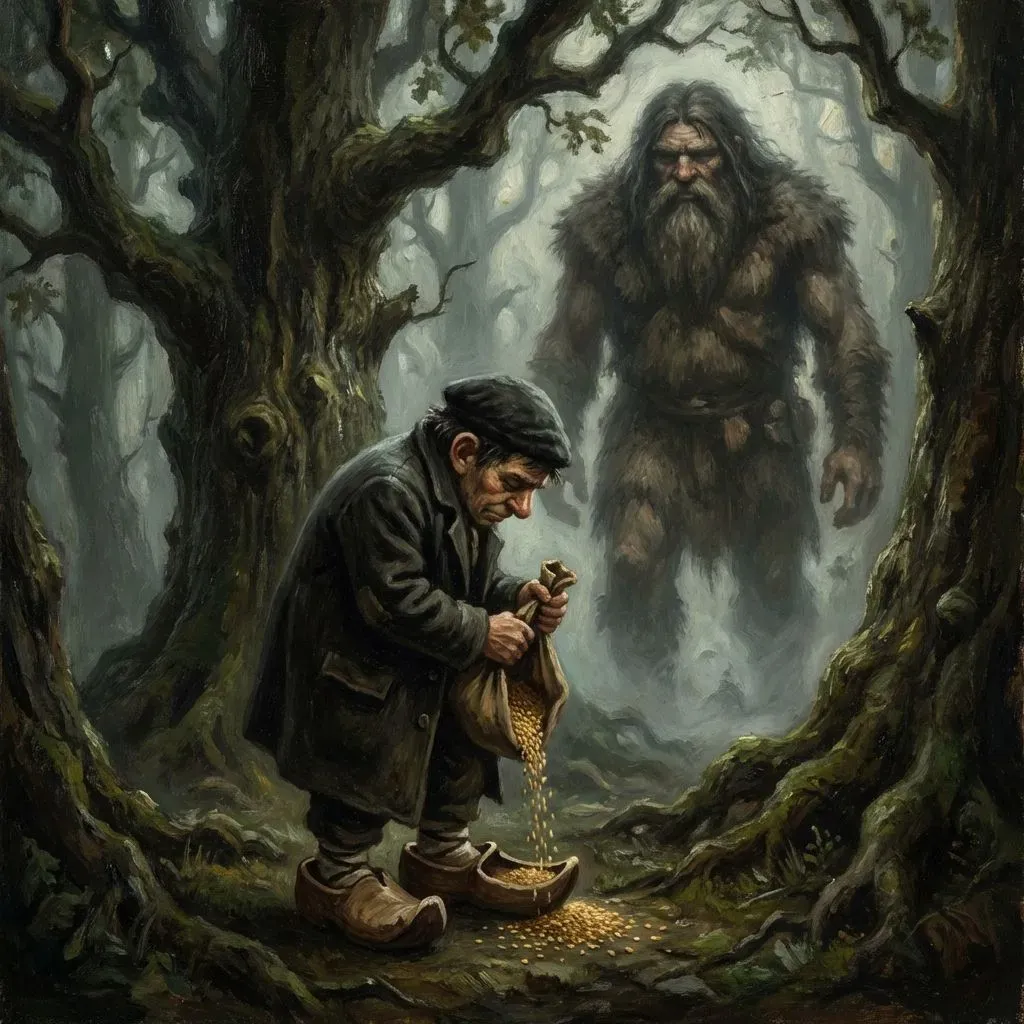
A villager in desperate straits, faced with a ruined harvest or an unpaid debt, might seek the place in the forest where a certain being was said to hear petitions. The agreement made there bound both parties, and its consequences could extend to the descendants of the one who sealed it.
The troubling part of such bargains was that the obligations did not end with the death of the original contractor. His children and grandchildren inherited both the benefits and the burdens of the agreement, even though they had no say in it.
This intergenerational dimension reflects a view of family time in which the choices of ancestors continue to shape later generations. The family was not merely a group of contemporaries, but a chain binding past, present, and future within a shared responsibility.