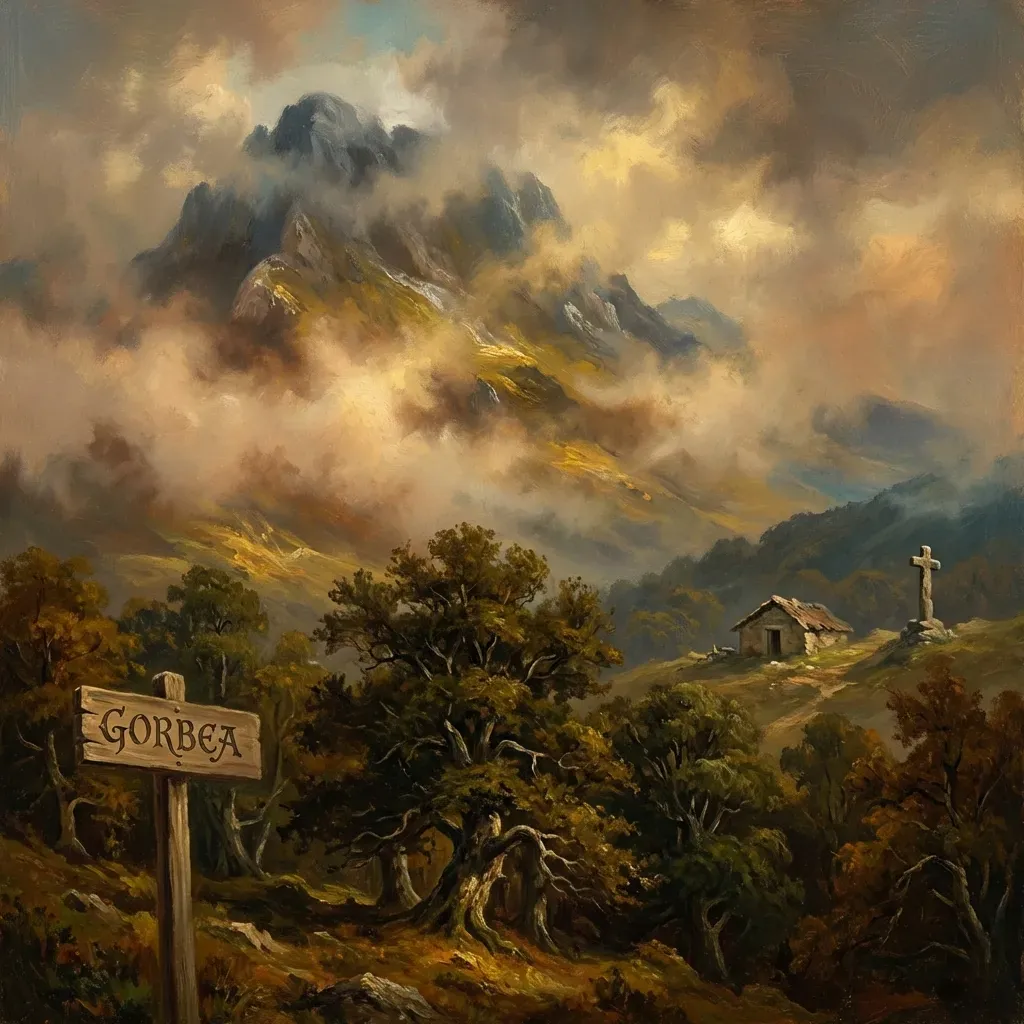
Traditional farmhouses
Where the spirits of the home dwell.
How the Etxekoak speak with the family
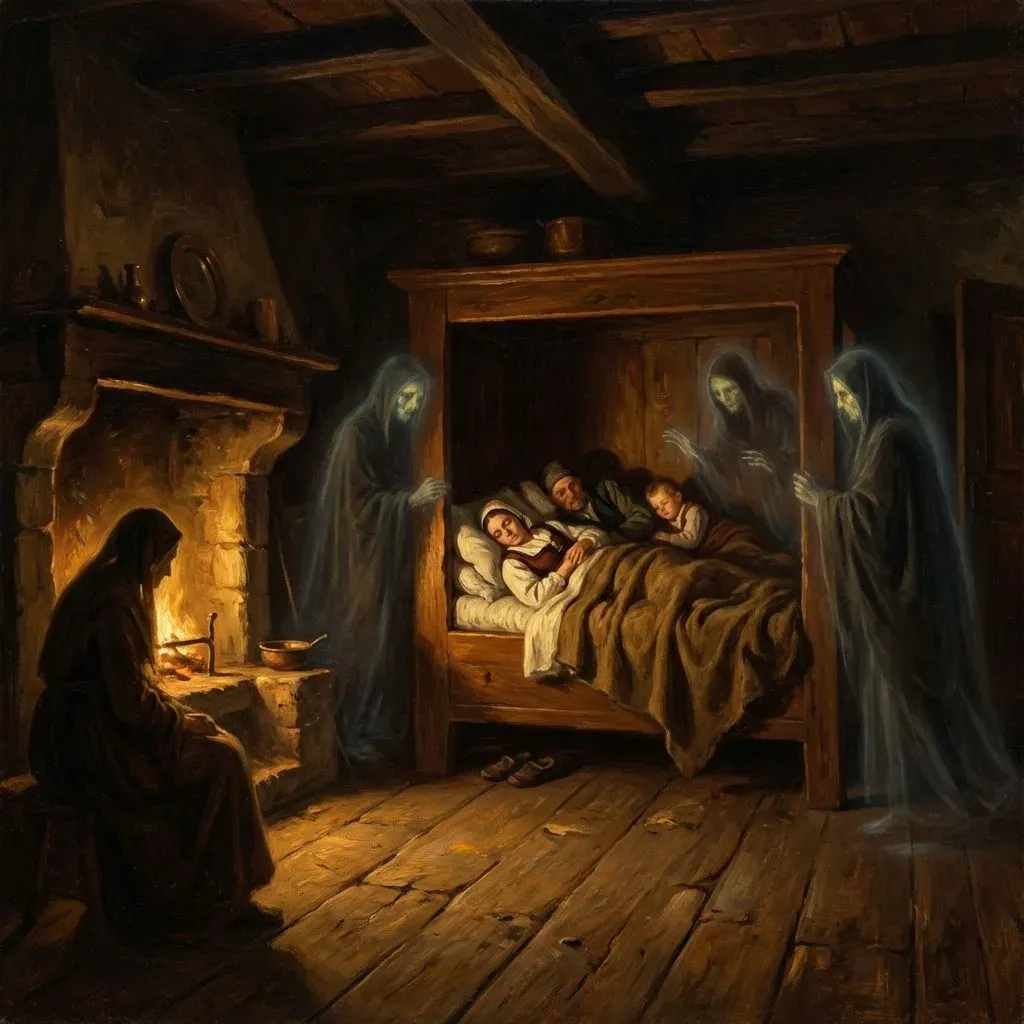
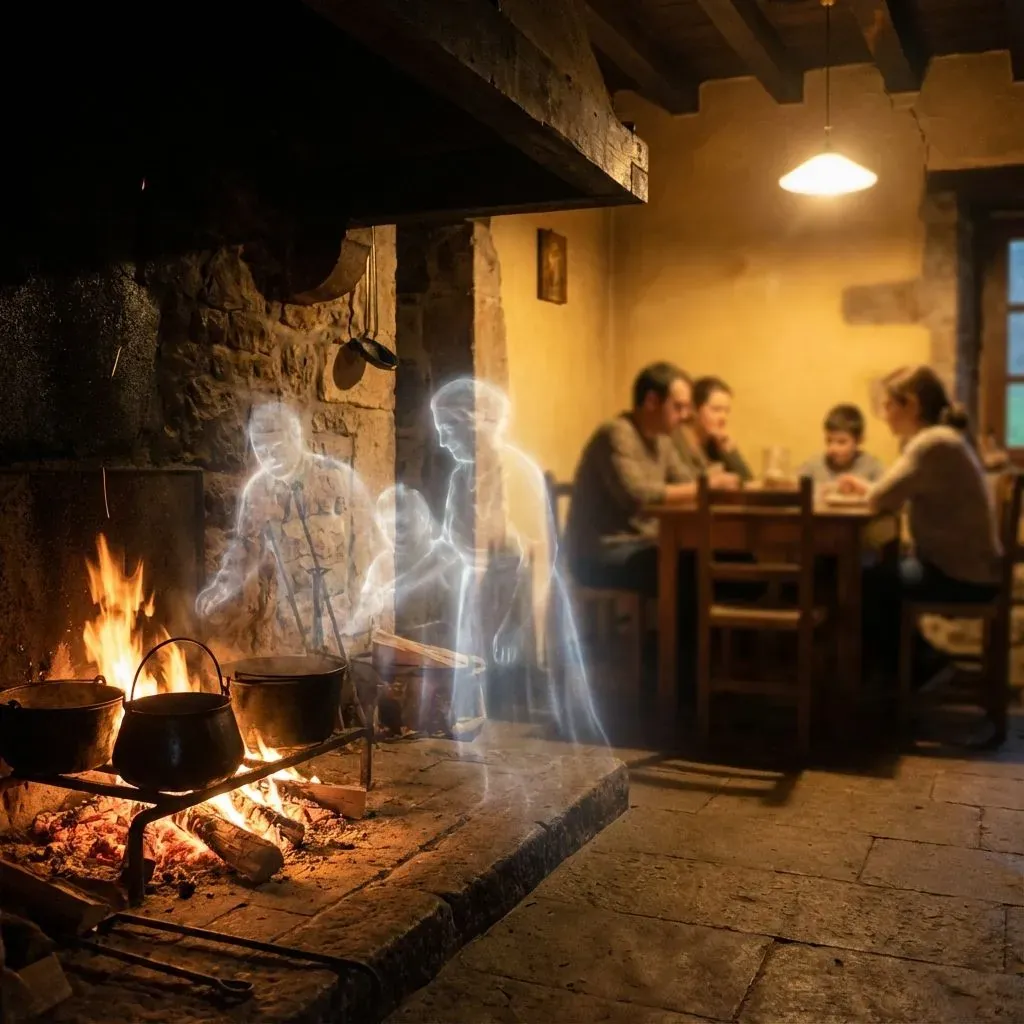
Ancient farmhouses are never truly silent. Beams creak, old doors groan, and centuries-old stones seem to whisper. These are the Etxekoak, the spirits of the house, keeping watch while the family sleeps. To those who know how to listen, every sound has meaning.
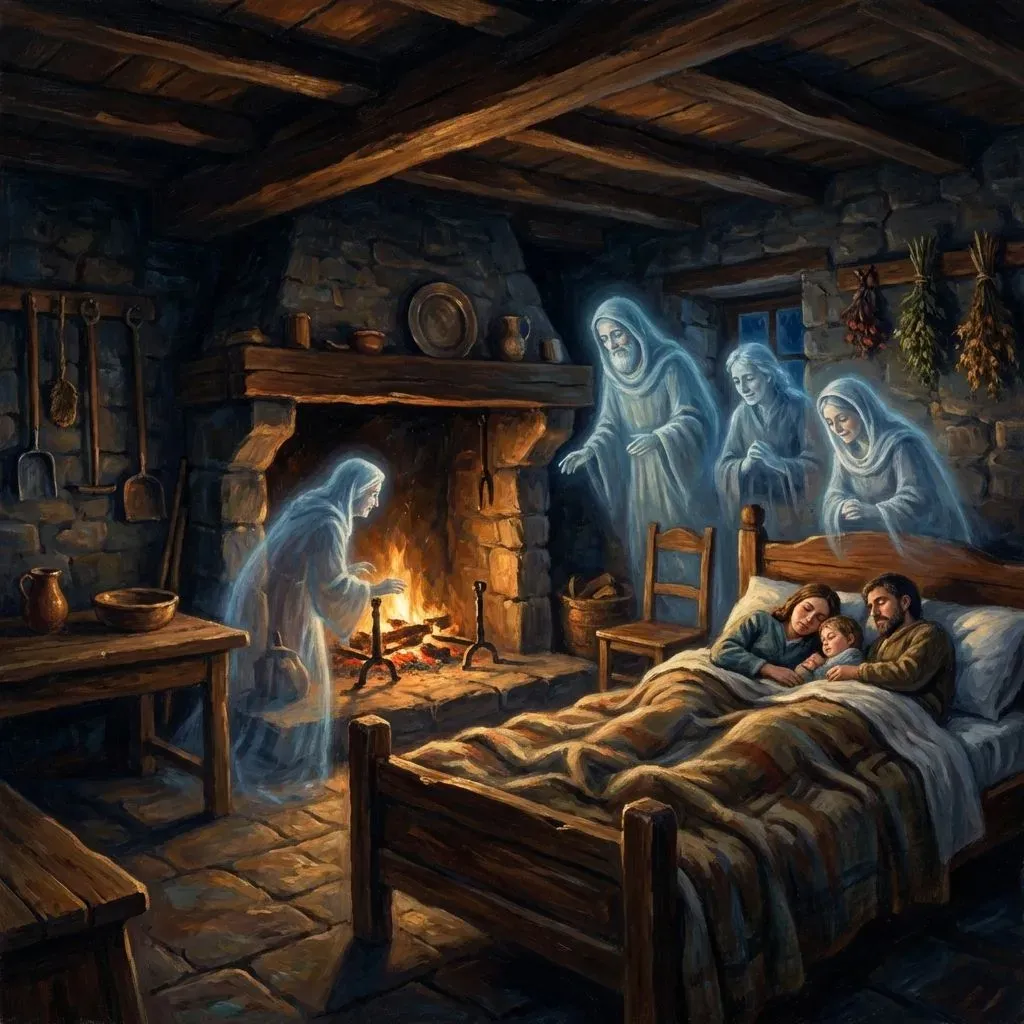
A soft creak by the cradle means the Etxeko is watching lovingly over the baby. A hard knock in the pantry warns that bad weather is coming and provisions must be prepared. And if at midnight bare footsteps seem to brush over the stone floor, the spirit is making its nightly round, ensuring that all is in order.
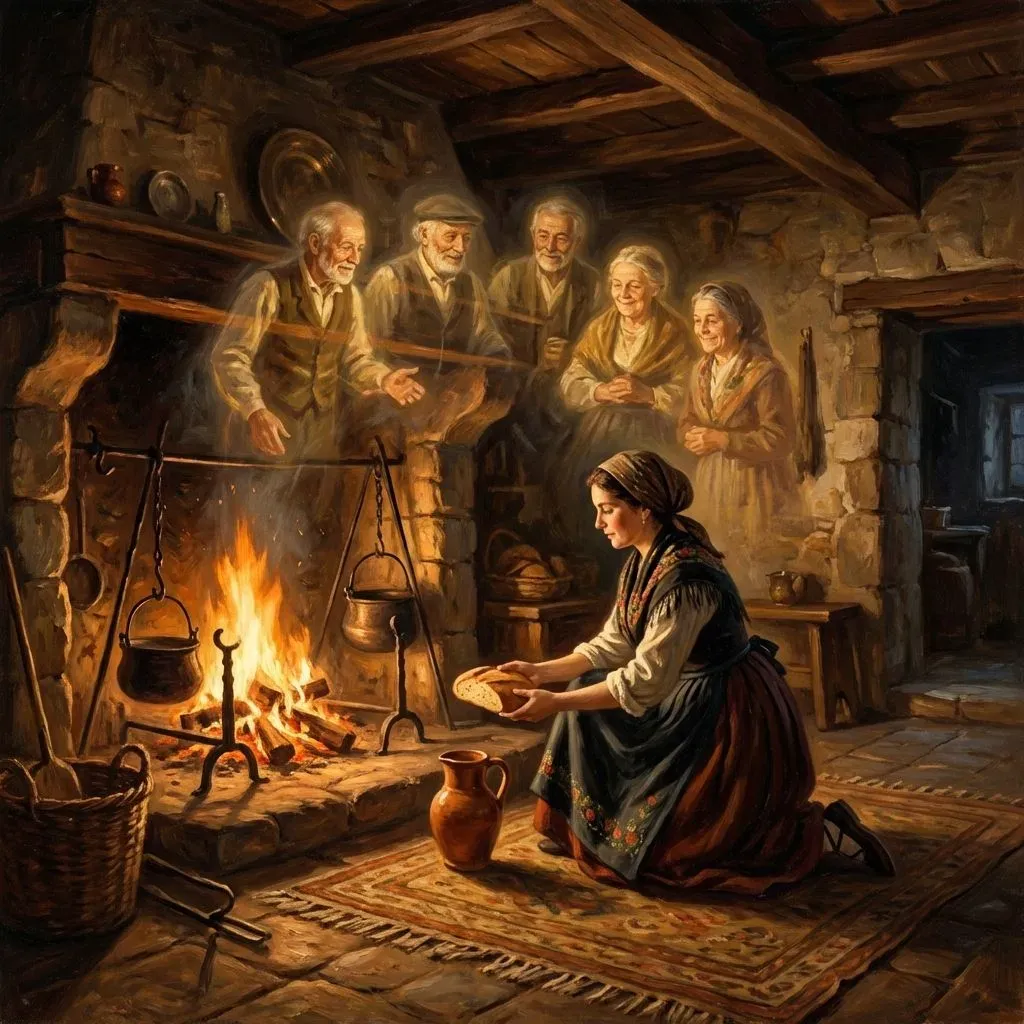
The elders said that a family who ignored the sounds of the farmhouse was ignoring its own unseen protectors. Listen to the house, they would say, because the house is speaking to you. Those who kept the home clean and the hearth fire alive slept in safety.
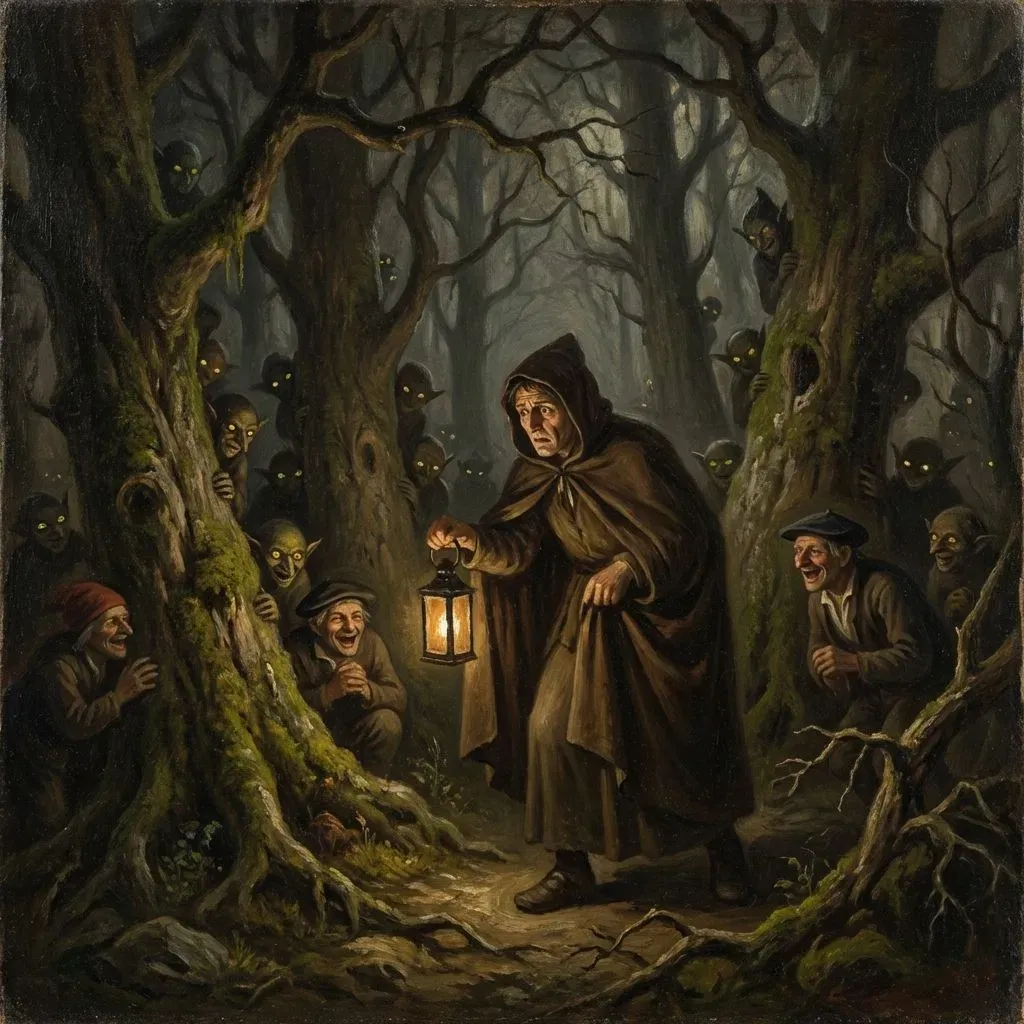
But those who neglected their dwelling soon heard different sounds: warning blows that grew harsher, angry doors slamming in the night, until the farmhouse became uninhabitable and the family had to leave it behind.
Where the spirits of the home dwell.

The sacred center of the farmhouse and seat of the Etxeko.
For those outside rural life, nocturnal sounds are mere nature: timber settling, animals moving, and doors shifting in the cold. In the Basque farmhouse, however, each sound could belong to a recognizable supernatural vocabulary.
The rattle of a chain in the granary, the rhythmic knocks in the stable, or the hinge of a door opening without wind all formed part of a sonic language through which the unseen world was interpreted.
The proper response was often not to investigate, but to listen carefully, classify the sound, and answer it according to tradition. Myth thus became a system for reading and managing fear.
That is why the legend is so revealing. It shows how folklore can transform anxiety into pattern, giving the night a structure that the household can endure.