Mountain caves
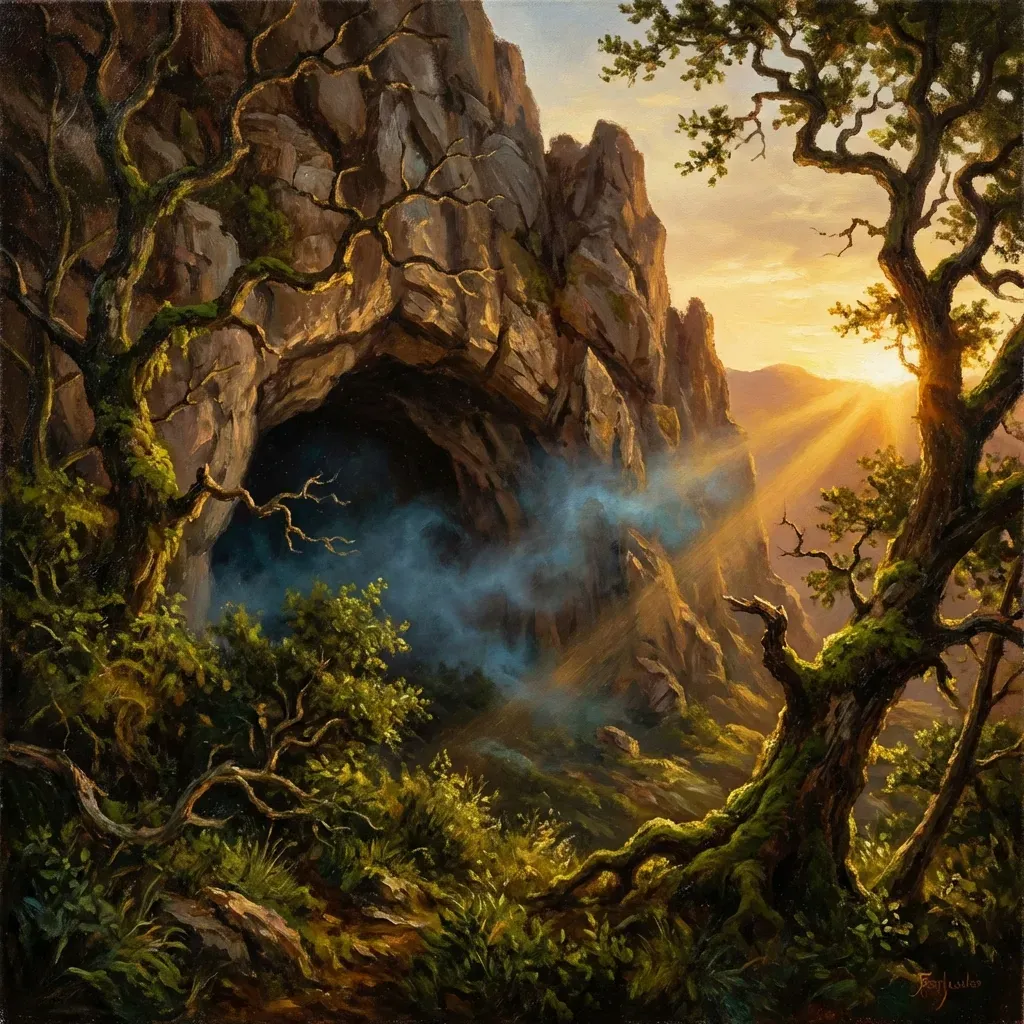
Lairs where Tartalo locks up his victims before devouring them.
The cannibal cyclops
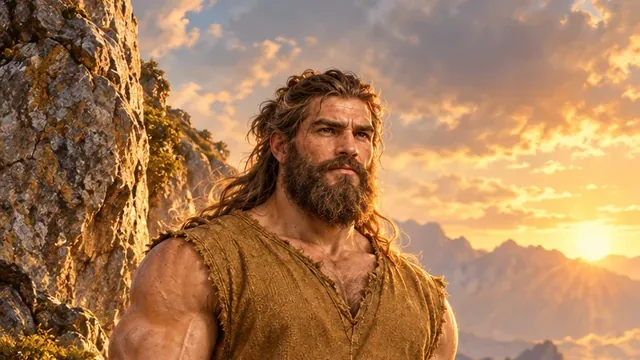
Tartalo is a one-eyed cannibal cyclops who lives in high mountain caves, especially in the ranges of Navarre and Gipuzkoa. He devours sheep and careless shepherds who venture into his territory in search of shelter. His colossal strength and savage appetite make him one of the most feared beings in Basque mythology.
A clever young hero always manages to blind him and escape from his dark lair. His story runs parallel to that of Polyphemus in the Homeric Odyssey, suggesting ancient Mediterranean contacts. Salvation comes through intelligence rather than brute force.
Lairs where Tartalo locks up his victims before devouring them.
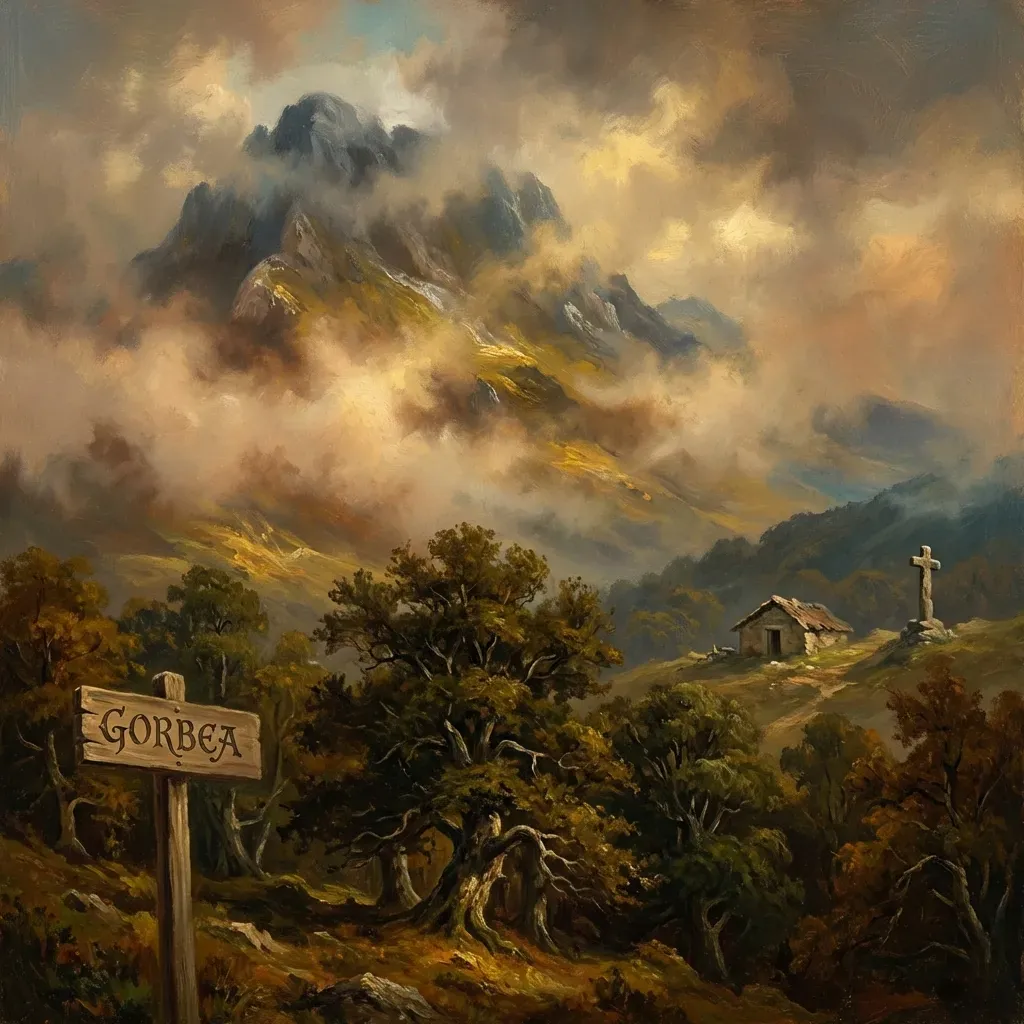
The highest summits where the fearsome cyclops is said to dwell.
Places where shepherds must beware of wandering into the monster's territory.
The name Tartalo may derive from the Greek Tartaros or have a native origin. The similarities with the myth of Polyphemus suggest very old Mediterranean influences.
Tartalo legends are concentrated in Navarre and Gipuzkoa. His cyclopean nature and his defeat through cunning are universal elements found across many Mediterranean traditions.
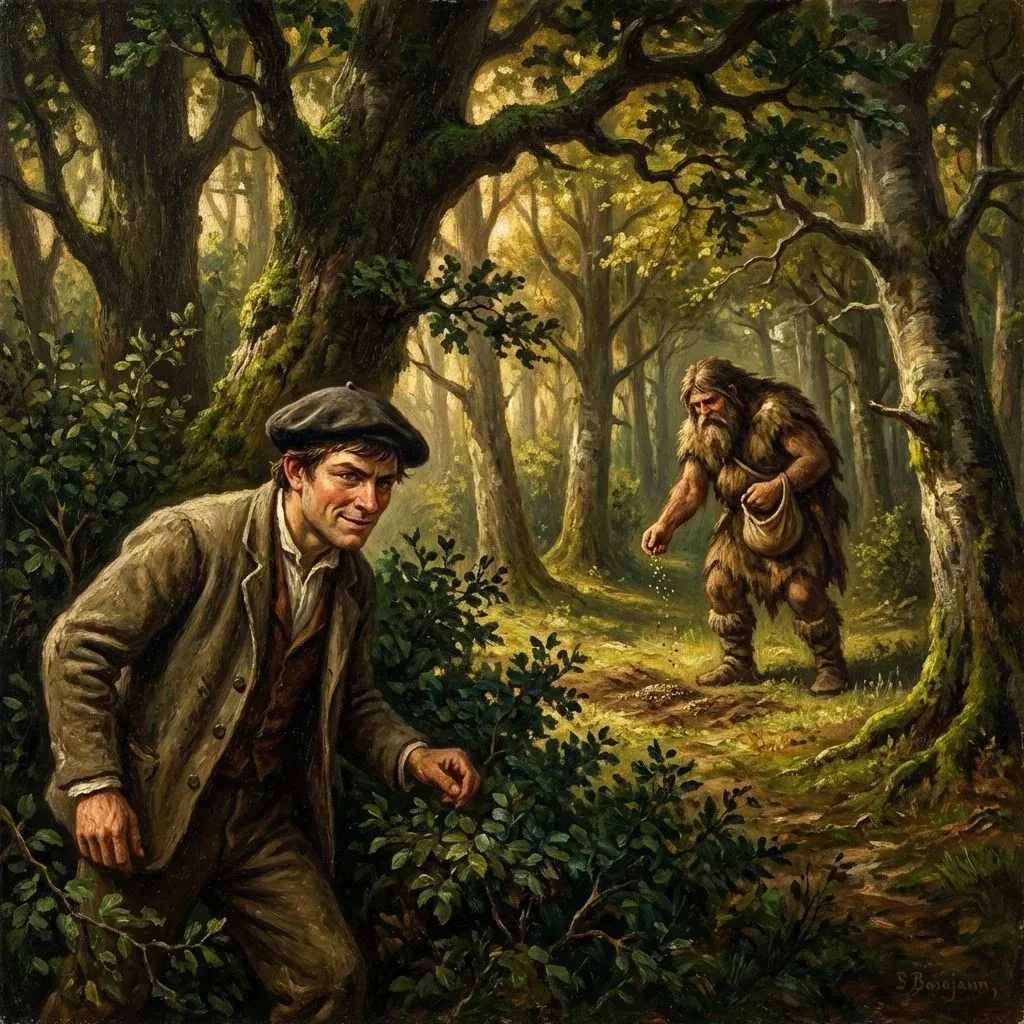
How a shepherd blinded Tartalo and escaped hidden beneath a sheep.
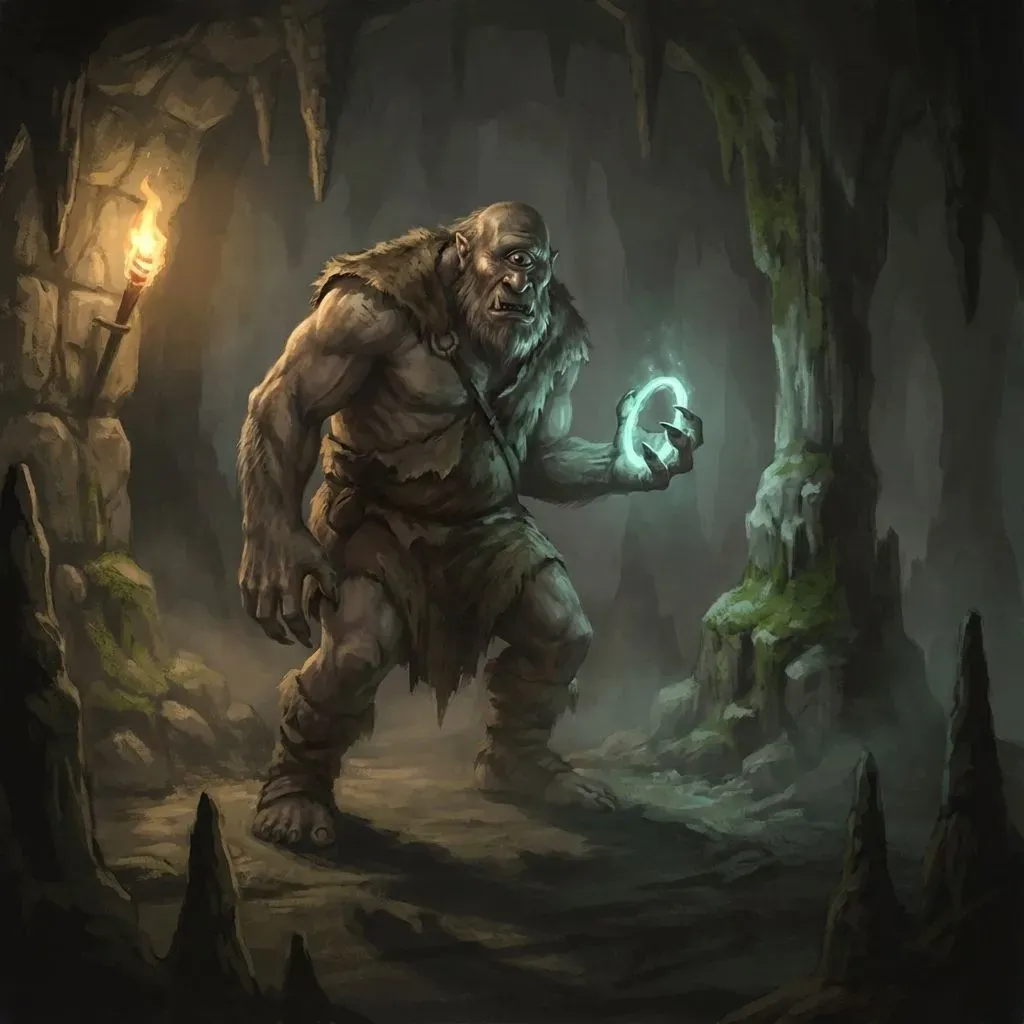
The ring that cries "here I am" and betrays the fugitive escaping from the giant.
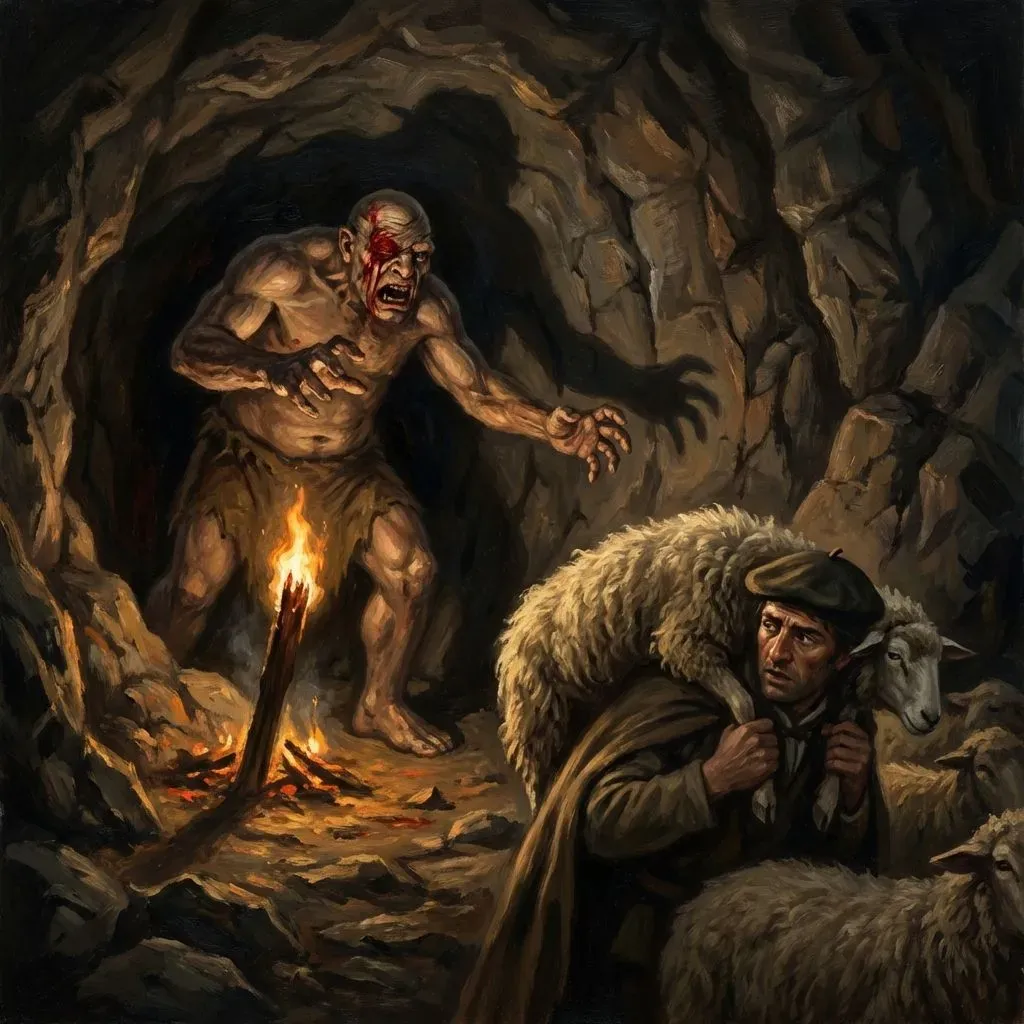
The horrors awaiting those who fall prisoner to Tartalo.
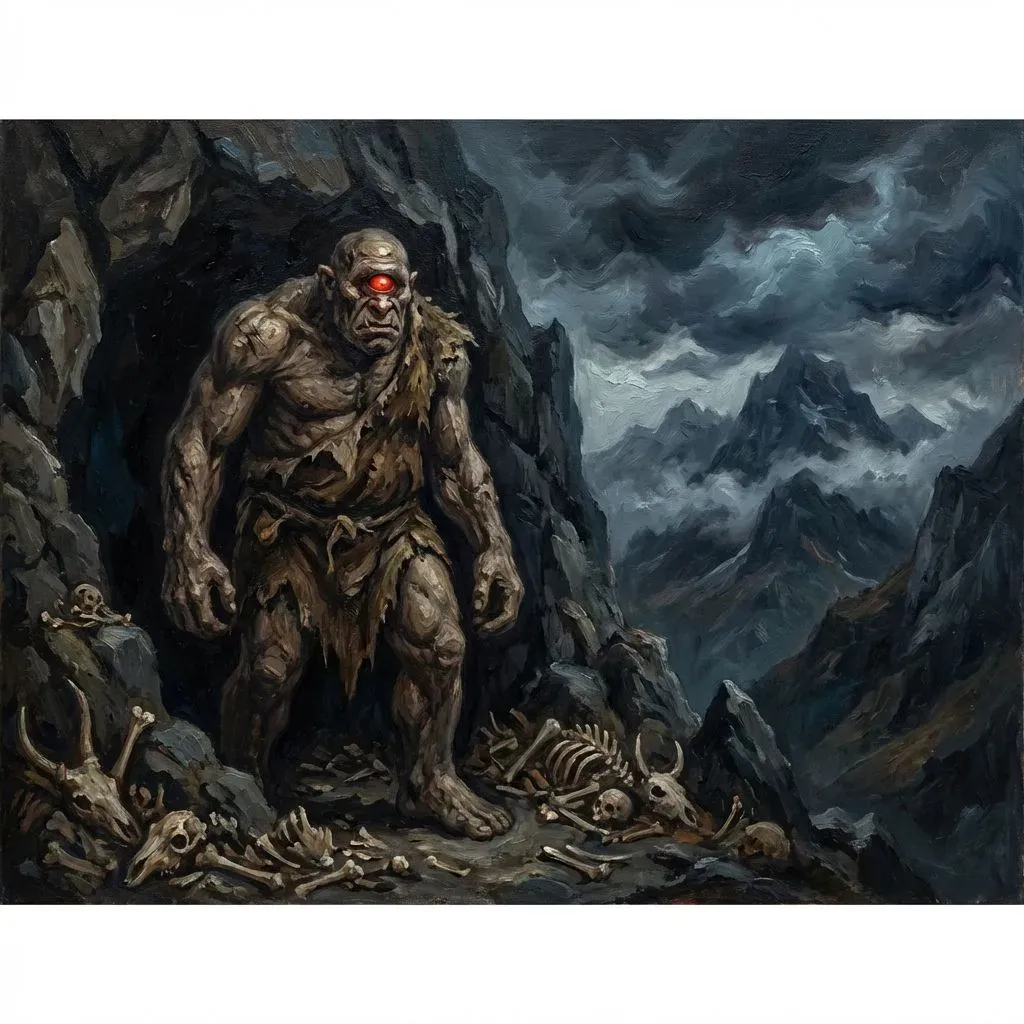
Tartalo belongs to the oldest layer of Basque mythology and can be understood as the Basque cyclops of caves and raw violence.
Its stories are closely tied to isolation, anthropophagy and survival by cunning.
Again and again the tradition returns to one eye, caves, magical ring and escape.
Rather than a decorative figure, Tartalo helps explain how the Basque world understood danger, order and sacred space.
In many versions, Tartalo marks a frontier between what belongs to human life and what must remain respected from a distance.
That is why the tales about Tartalo often combine fear, wonder and moral instruction in the same narrative movement.
The figure also preserves an older way of reading the landscape, where mountains, houses, storms or caves are never neutral settings.