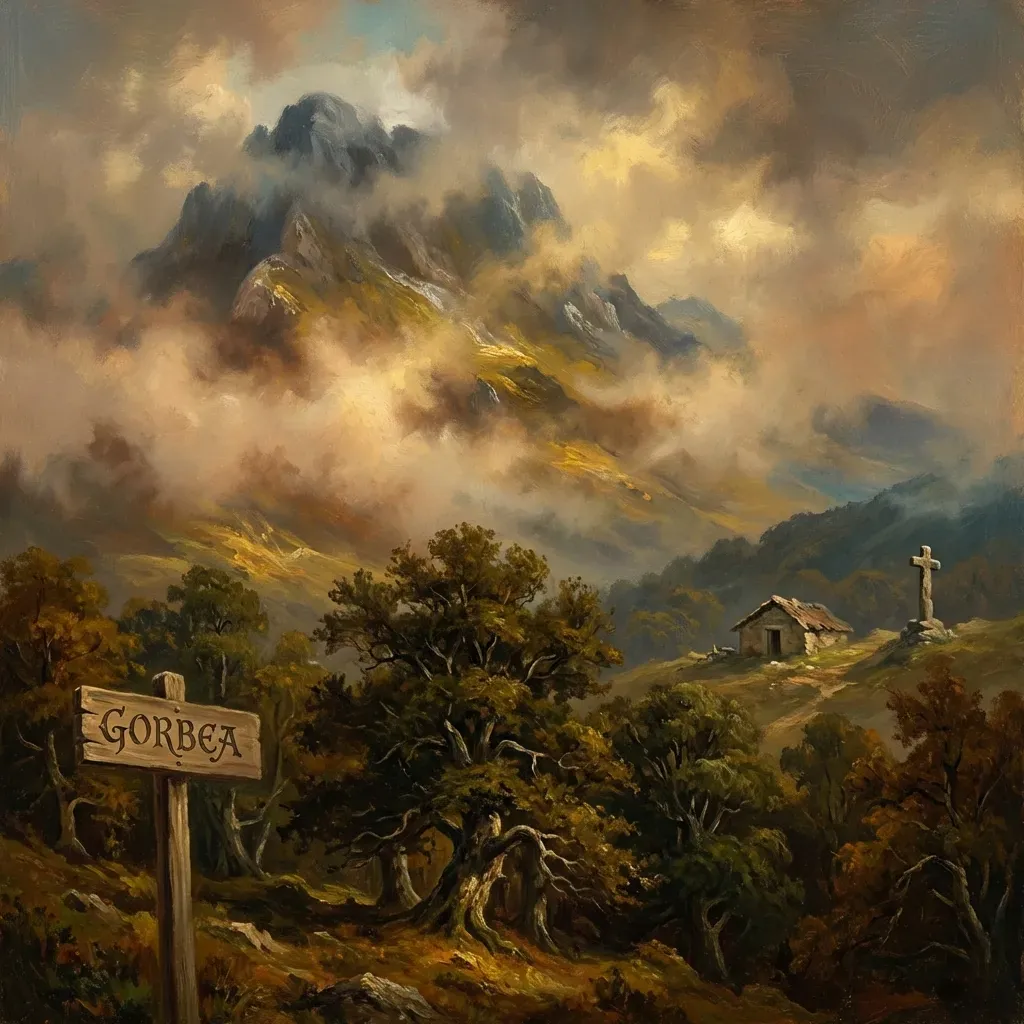
Western Pyrenees
Where Tartalo are said to dwell in their caves.
? Tartalo, the one-eyed giant who devours humans ?
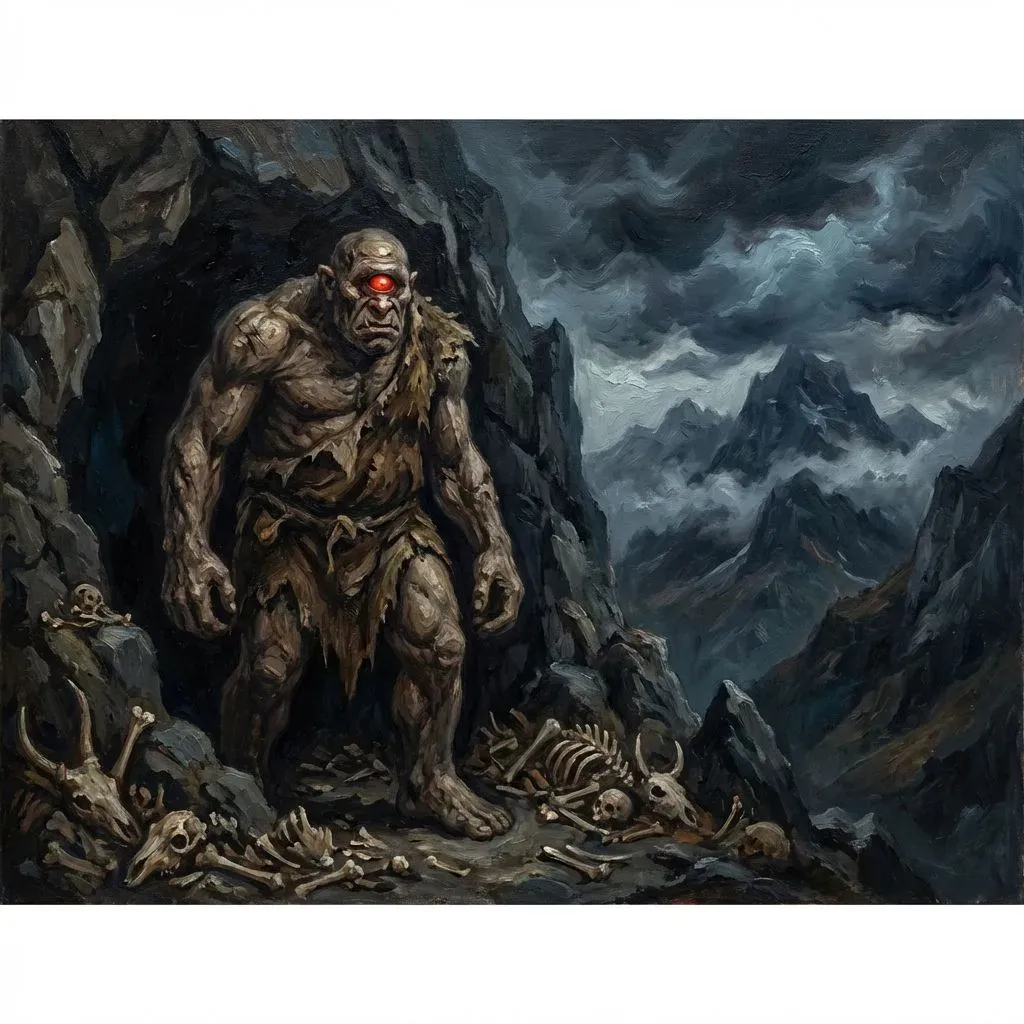
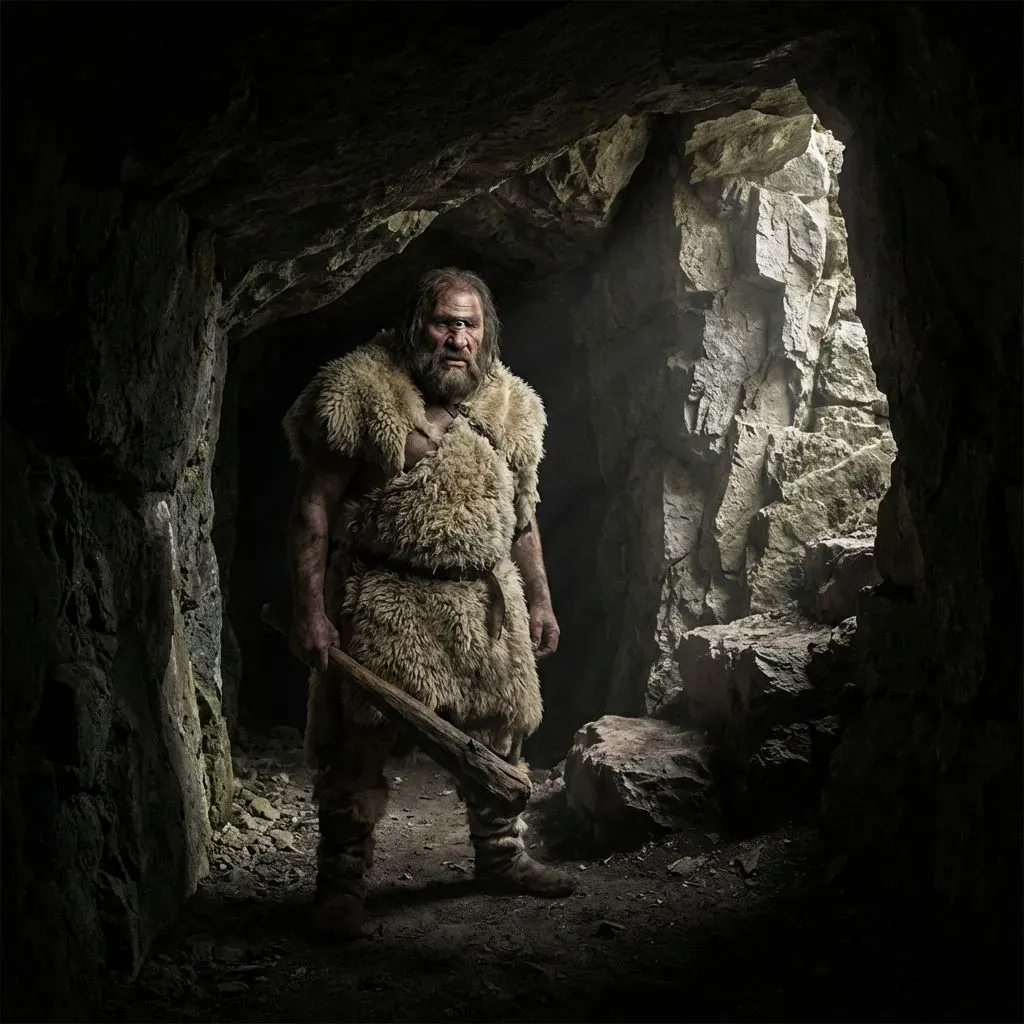
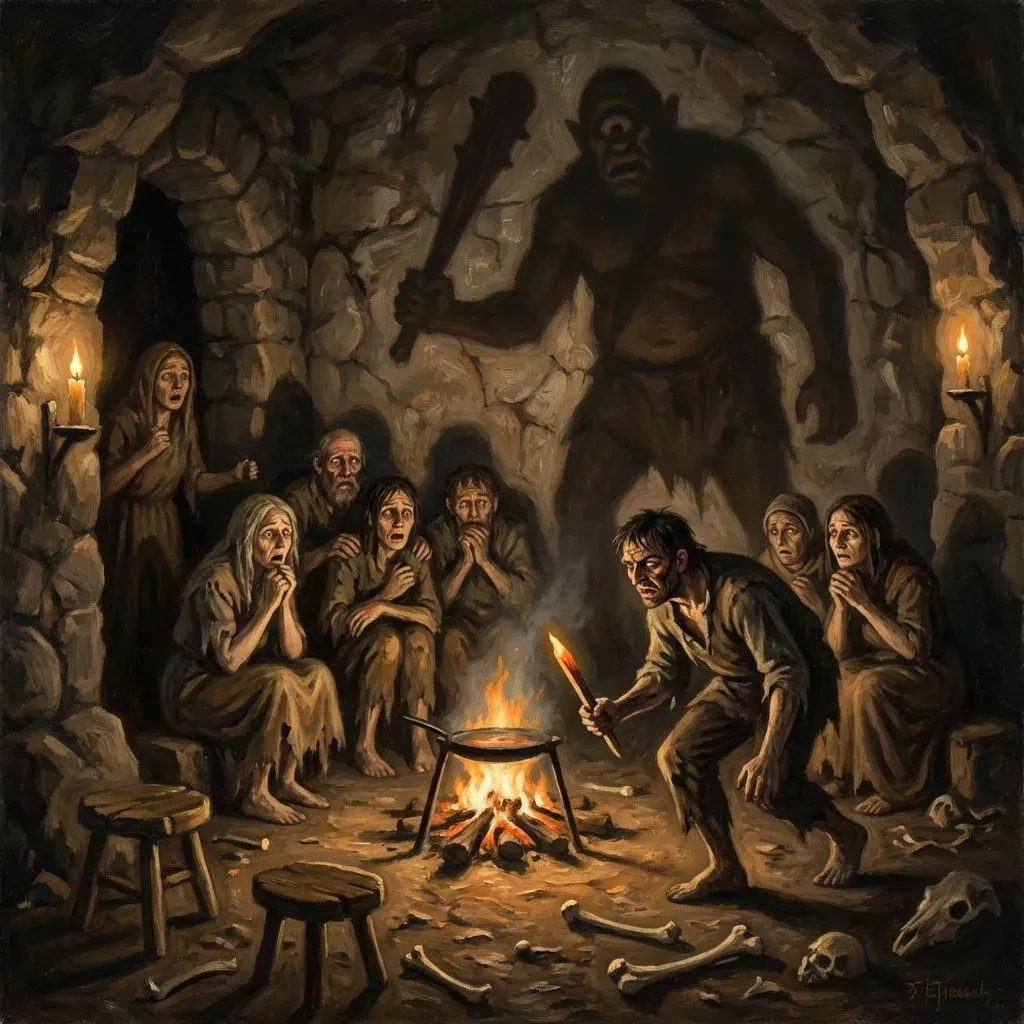
Tartalo is the Basque cyclops, a giant with a single eye in the middle of his forehead who lives in the deepest and darkest caves of the Pyrenees. His resemblance to Polyphemus, the cyclops from Homer's Odyssey, has fascinated folklore scholars for centuries.
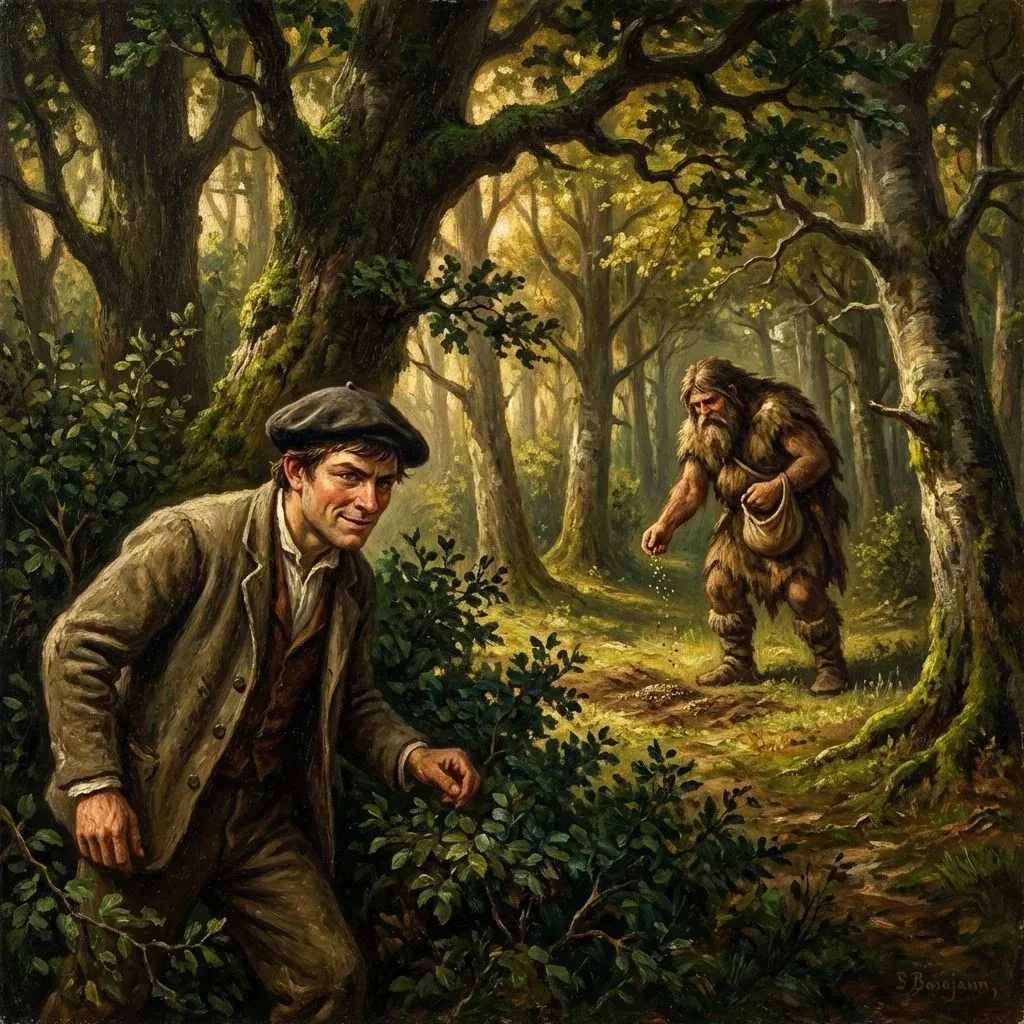
The similarities between both myths are striking: both are solitary shepherds of sheep, both dwell in remote caves, and both mercilessly devour the humans who cross their path. In both traditions, the hero escapes by blinding the monster and fleeing hidden beneath the woolly belly of a sheep.
Did the myth travel from ancient Greece to the Pyrenees with sailors trading across the Mediterranean? Or is the Basque version older, with Homer adapting a story heard from mariners who sailed as far as Basque shores? The question remains open.
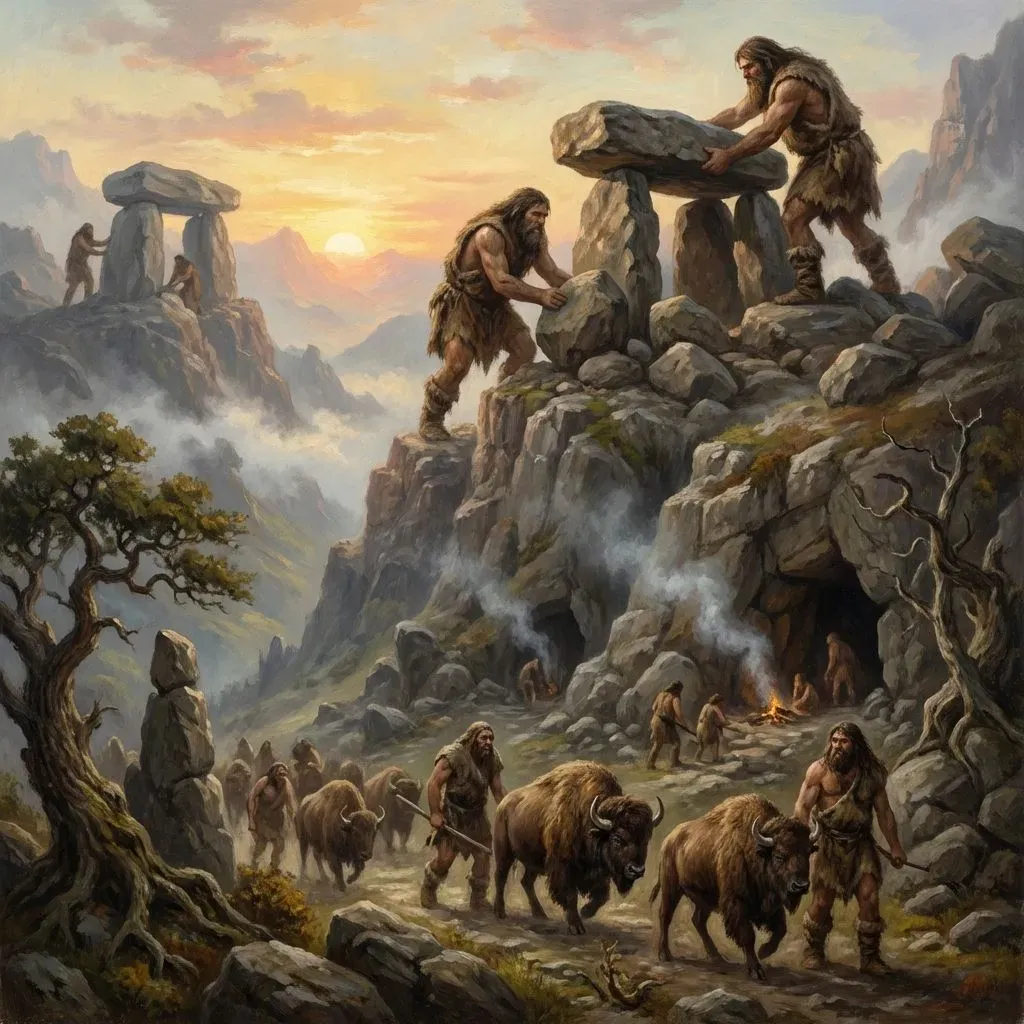
What is certain is that Tartalo endures in Basque memory as a figure from remote times, when one-eyed giants seemed as real as the mountains in which they lived. The story preserves both fear of the cave and admiration for the cleverness that defeats brute force.
Where Tartalo are said to dwell in their caves.

The dark homes of the cyclopes.
Few Basque beings condense so many layers of meaning as Tartalo. He is at once a local monster of the mountains, a terrifying devourer hidden in the dark, and a clue to a much older network of shared Mediterranean narratives about one-eyed giants and cunning escapes.
That double dimension explains his power. On one level, the tale speaks directly to the fear of enclosed and hidden places, where the human body becomes vulnerable and the wild world seems to dominate. On another, it invites comparison with a broader mythological heritage stretching beyond the Basque Country.
Whether the resemblance to Polyphemus comes from diffusion, deep antiquity or parallel invention, the legend preserves the same decisive lesson: brute violence is not invincible. The weak can survive through patience, wit and the ability to understand the habits of the monster they face.
Tartalo therefore remains more than a giant of oral tradition. He is a bridge between the Basque mountains and the wider mythic imagination of Europe, a reminder that stories travel, transform and take root in new landscapes without losing their archaic power.