Pyrenean caves
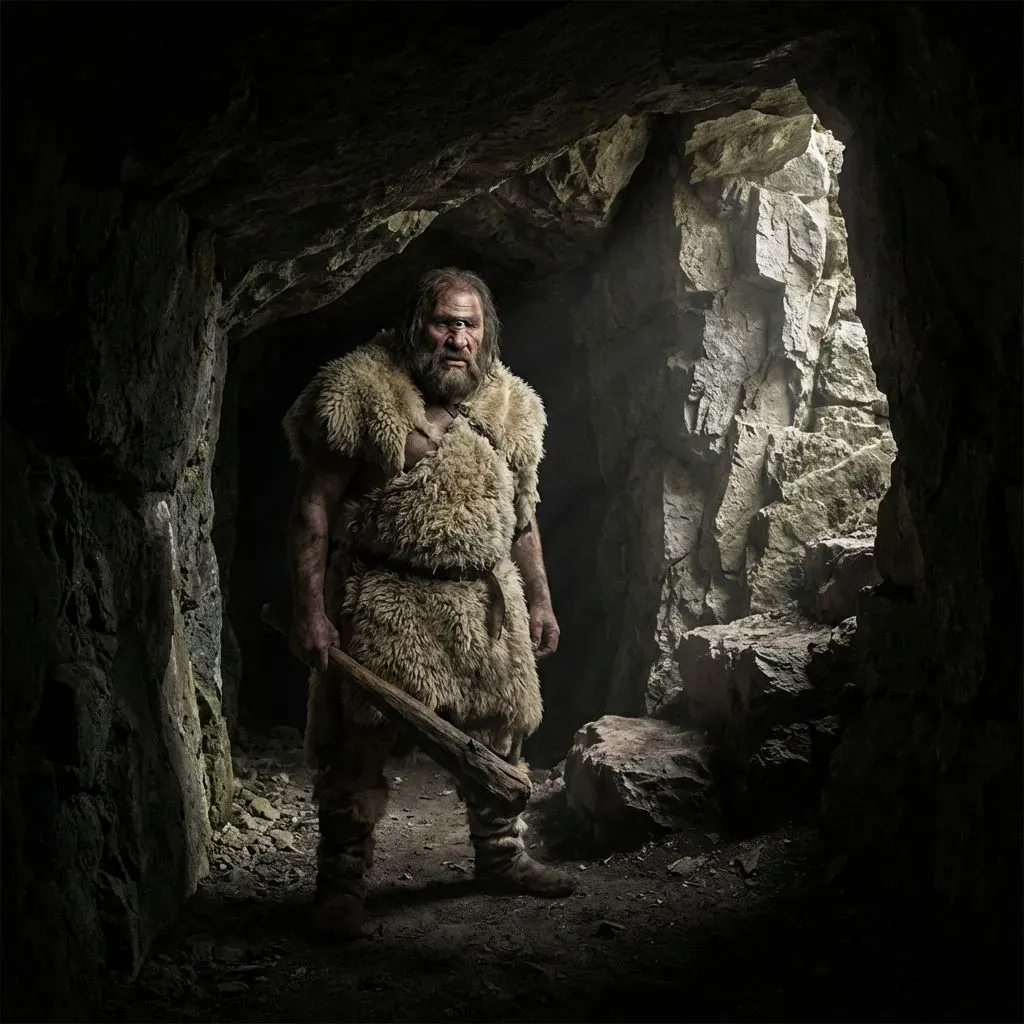
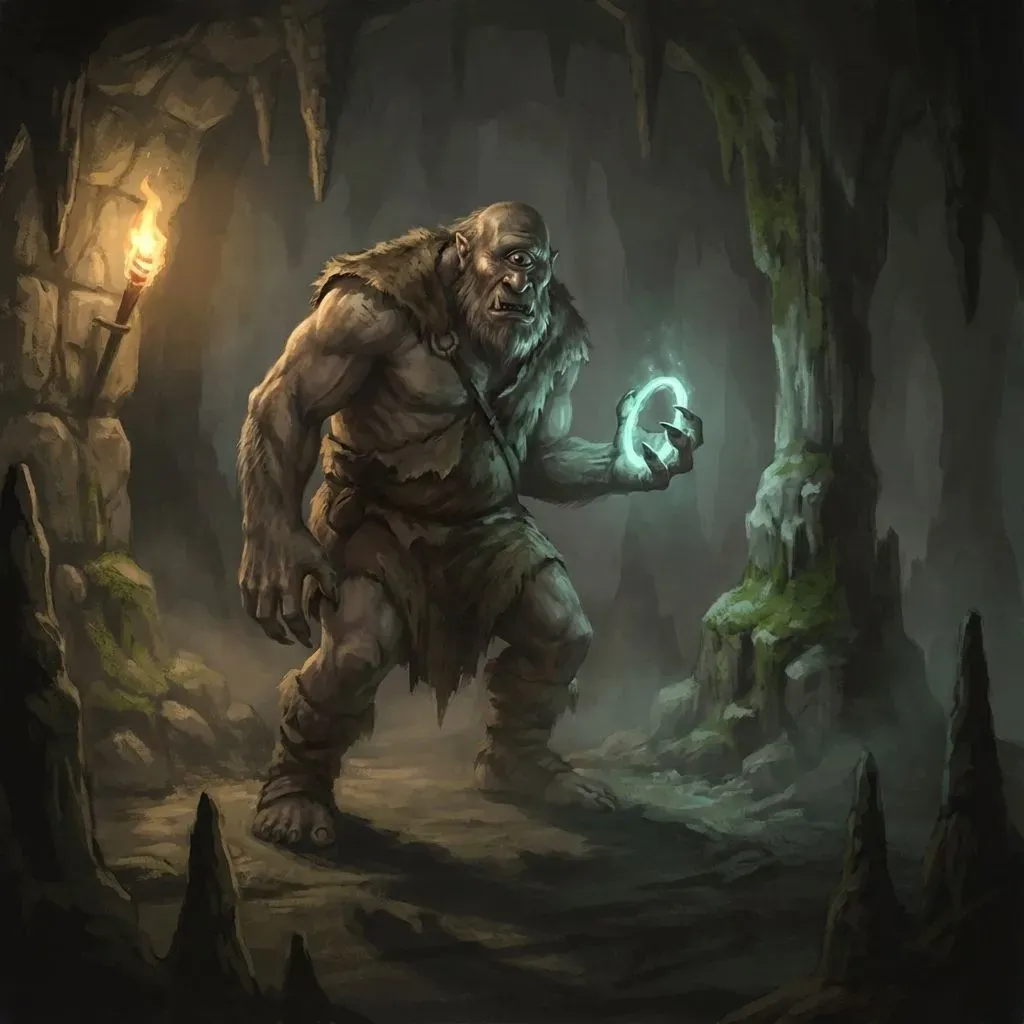
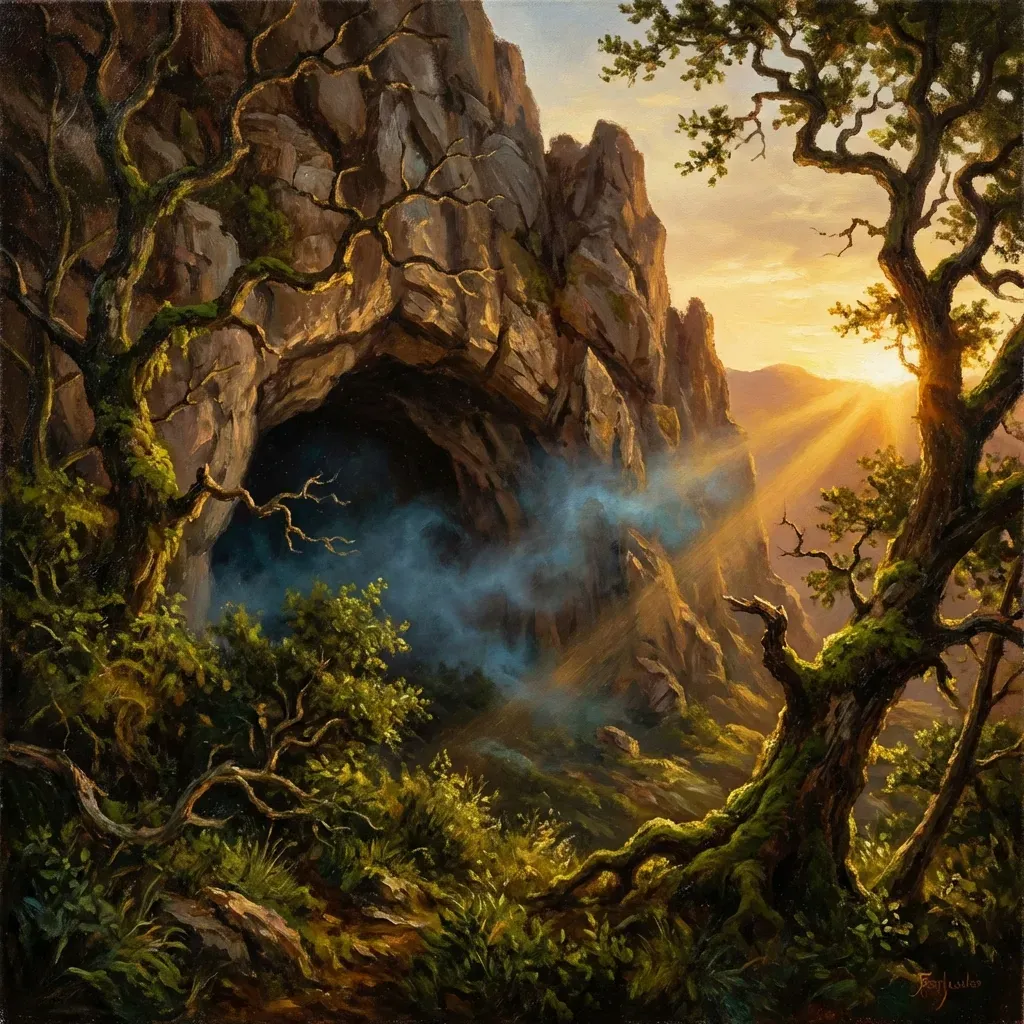
Lairs where Tartalo was said to dwell according to oral tradition.
? How to outwit the one-eyed cyclops ?
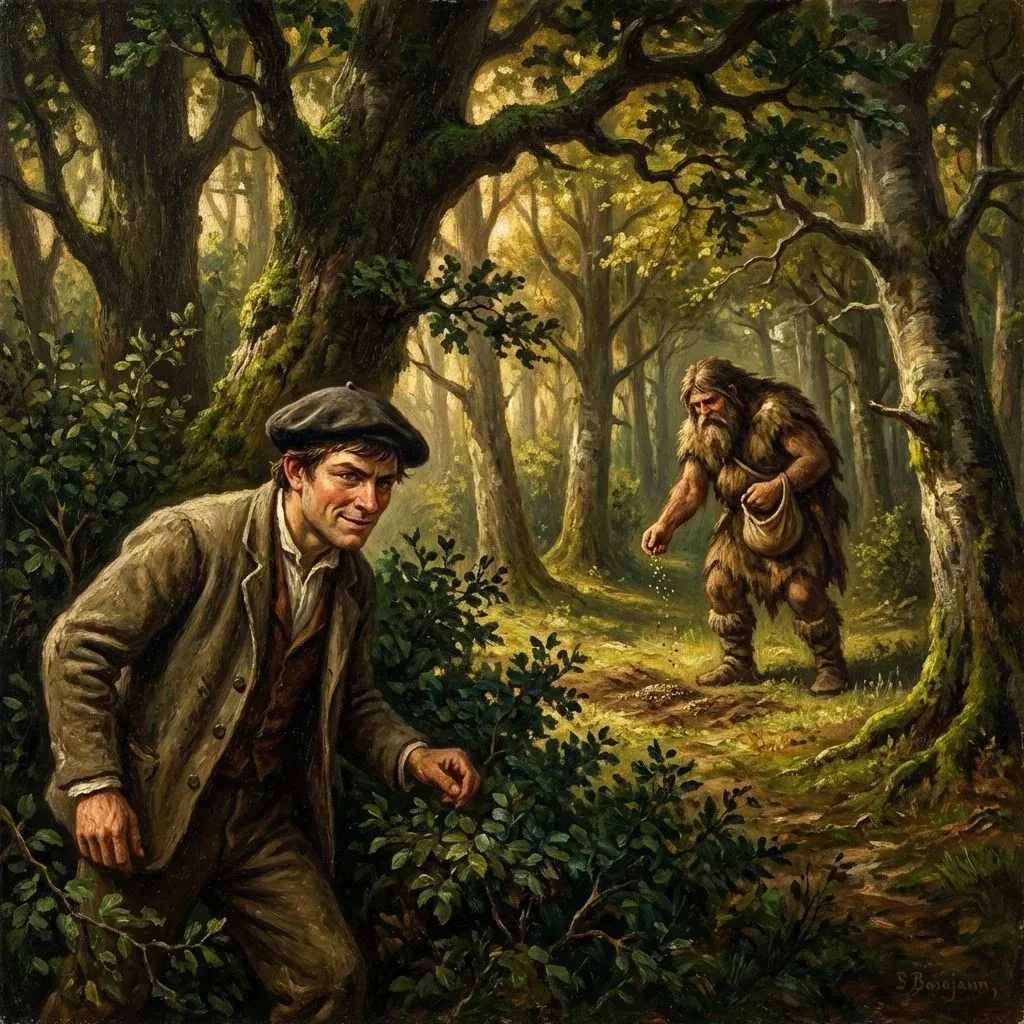
A young shepherd took shelter from a storm in a deep cave, not knowing that it was the lair of Tartalo, the terrible one-eyed giant. When the cyclops returned, he sealed the entrance with a rock that a hundred men could not have moved. The shepherd understood that he had fallen into the deadliest trap in the Basque mountains.
The shepherd watched Tartalo devour his companions one after another, choosing a victim each night amid sobs of terror. But while the giant slept his monstrous sleep, the young man quietly sharpened a stake. When Tartalo asked for wine, the shepherd kept filling his cup until the giant fell into a drunken slumber. Then he drove the burning stake into his only eye.
Blind and enraged, Tartalo sat beside the entrance and touched every sheep that came out, feeling their woolly backs to catch the shepherd. But the young man tied himself beneath the belly of the largest ram, and so escaped while the giant searched in vain along the animal?s back, never imagining that his prey was hanging below.
This story is told in Basque farmhouses as proof that cunning can defeat brute strength, and that even the weakest being can overcome the mightiest if he keeps calm and studies the weaknesses of his enemy. The shepherd became a local hero, and his tale has been passed down for centuries.
Lairs where Tartalo was said to dwell according to oral tradition.
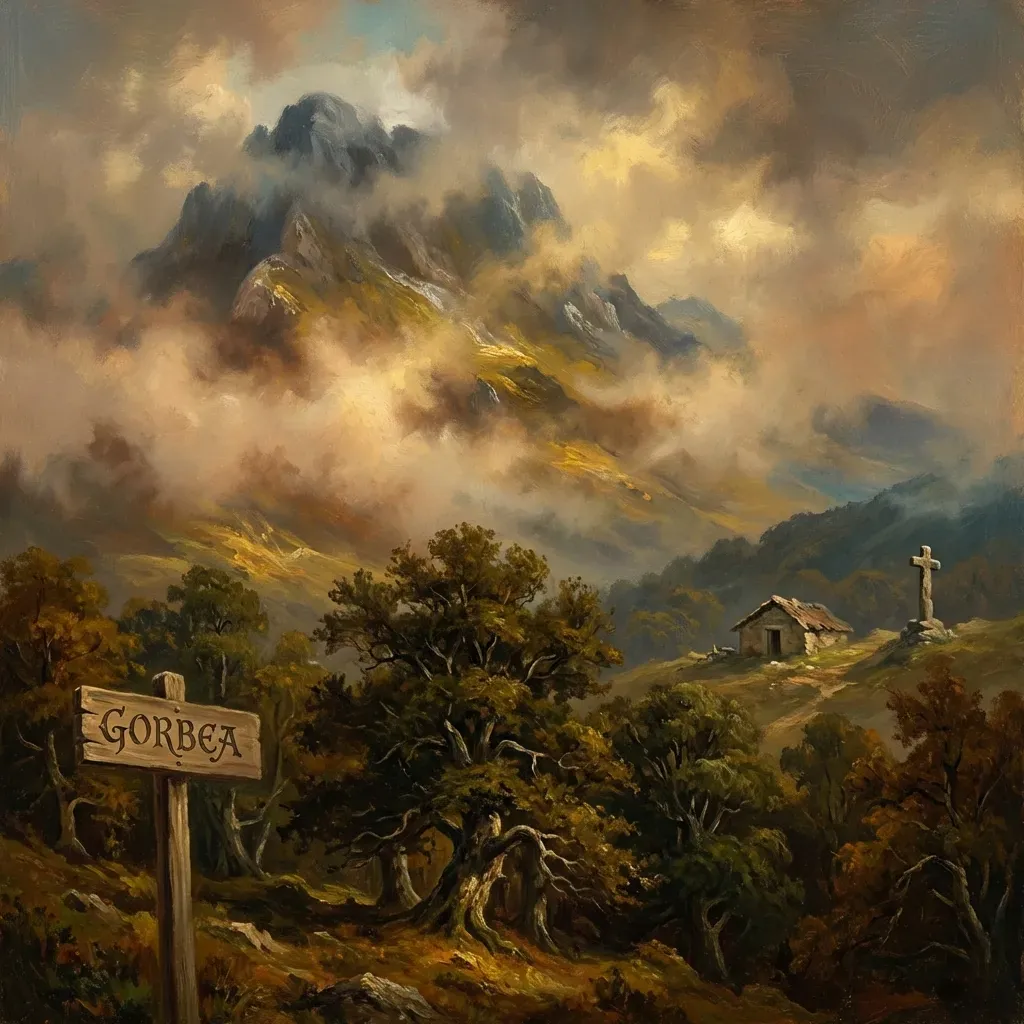
Where shepherds sought shelter during storms.
This tale places the human being in the most unequal struggle imaginable: a fragile shepherd trapped with a monstrous giant inside a closed cave. Yet the story refuses despair and insists that the mind can create openings even where force sees none.
That is why the hero does not win through strength, magic or noble birth. He prevails by observing, waiting and choosing the exact moment to strike. Intelligence is presented not as ornament, but as the true weapon of survival.
The episode also connects Basque oral tradition with a wider Mediterranean narrative world. The resemblance to Odysseus and Polyphemus is unmistakable, but Tartalo's presence in the Basque mountains gives the story a local body and a landscape of its own.
The legend endures because it teaches a lasting moral lesson: the weak are not powerless if they understand the habits, blind spots and pride of those who threaten them. Courage matters, but calm intelligence matters more.