Basque rivers
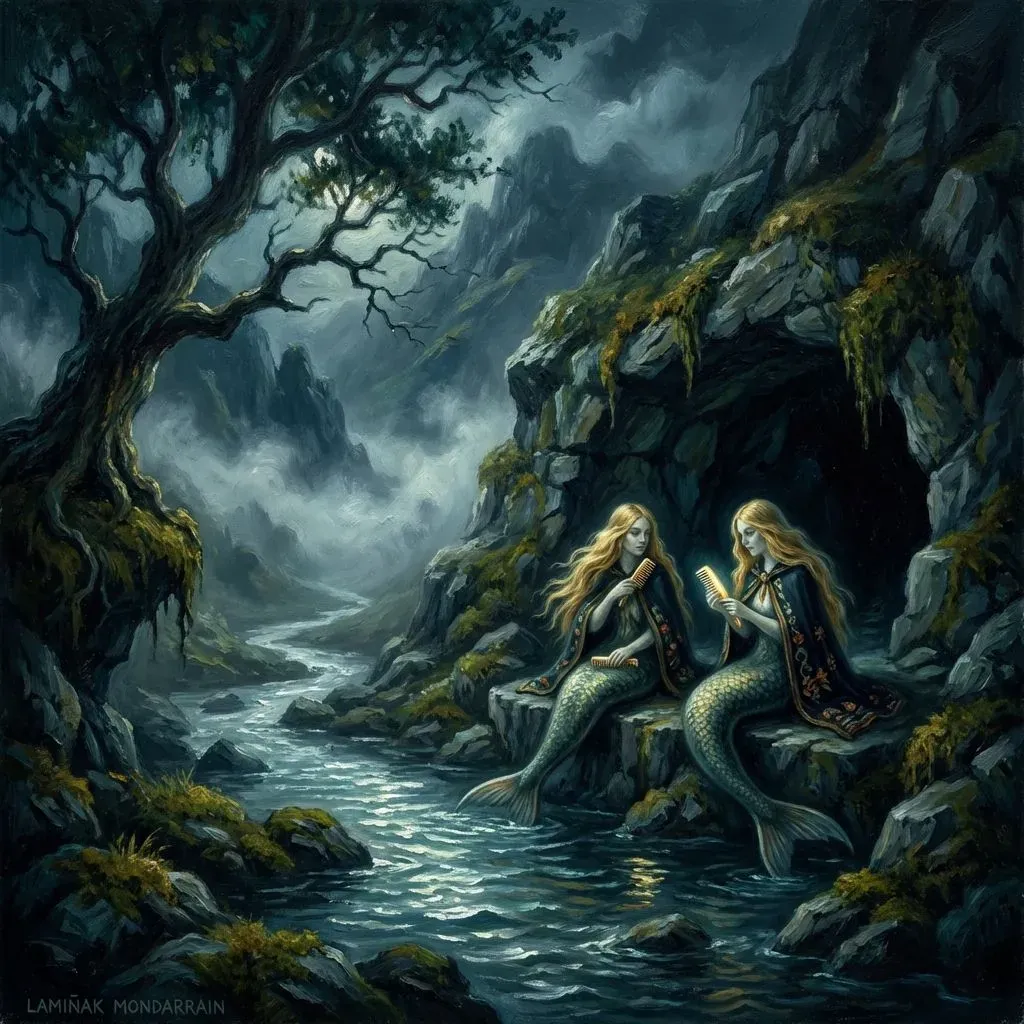
Waterside places where lamias were said to build crossings for the community.
The river goddesses who wove their bridges of moonlight
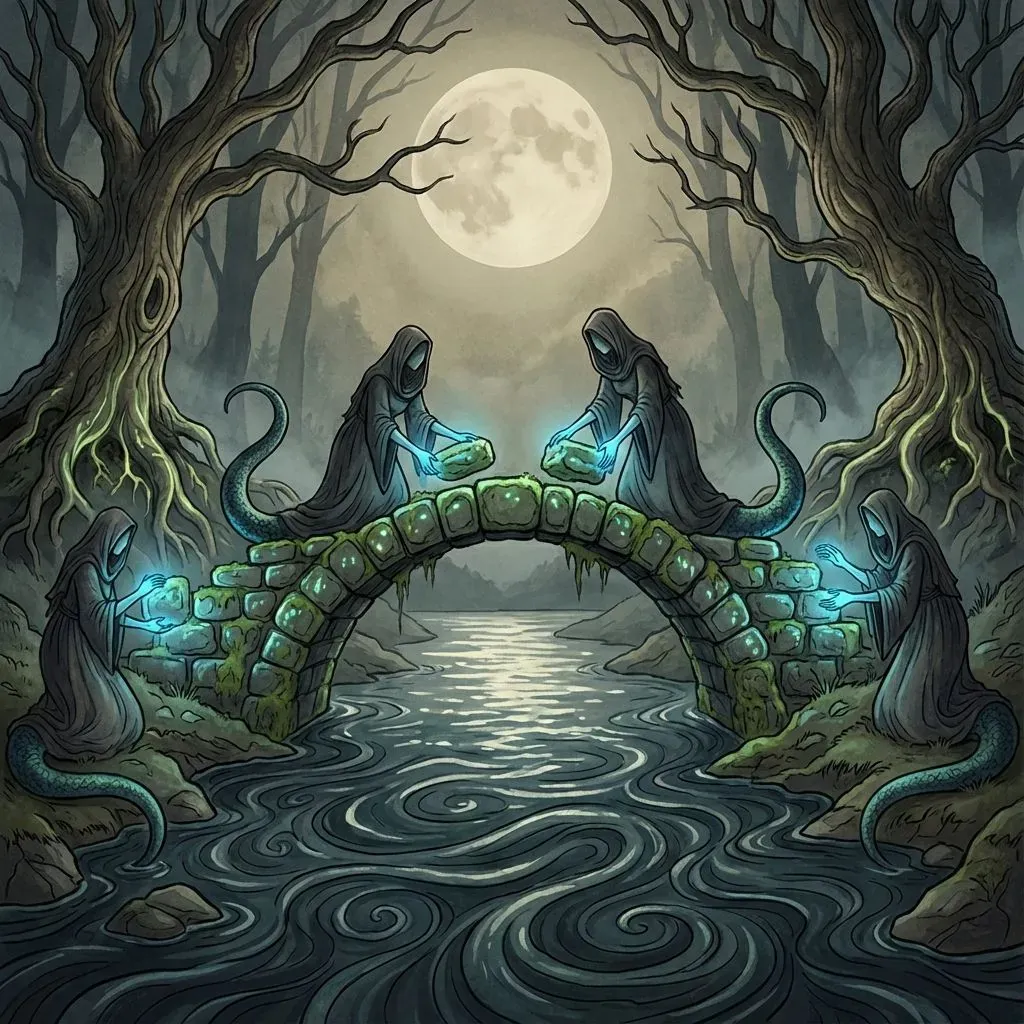
Some Basque versions of ancient bridge legends attribute their construction not to devils, but to the lamias themselves, who worked during mild nights beside rivers and streams.
Unlike darker bargains, the lamias did not demand souls. What they valued was song, companionship, and the recognition of the villagers who waited on the opposite bank while they labored.
In almost every version, however, the bridge remains incomplete by a single final stone. Dawn arrives, the first rooster crows, and the lamias must withdraw before the work is entirely finished.
That missing stone becomes the signature of the supernatural work: useful, beautiful, almost perfect, yet marked forever by the limit between night magic and full completion.
Waterside places where lamias were said to build crossings for the community.
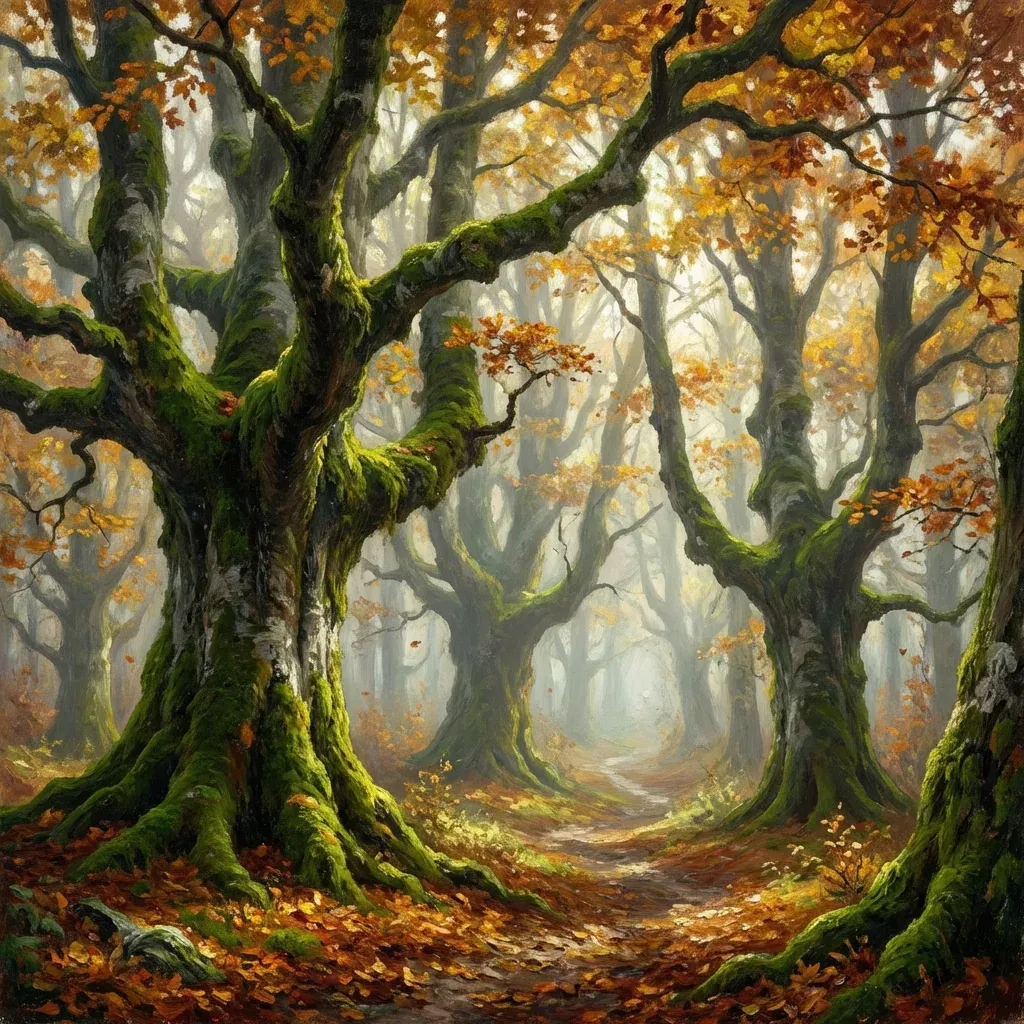
Threshold landscapes where bridge, river, and night magic meet.
This legend is beautiful because it imagines construction as song and cooperation rather than coercion. The lamias build not through demonic contract, but through nocturnal skill and recognition.
The unfinished last stone is especially meaningful. It prevents the work from becoming absolutely perfect, preserving the mark of the supernatural and the limit imposed by dawn.
That small imperfection is what gives the bridge its identity. It tells later generations that the work belongs partly to another world.
The tale endures because it turns bridges into poetic thresholds where gratitude, water, and moonlit labor still seem to resonate.