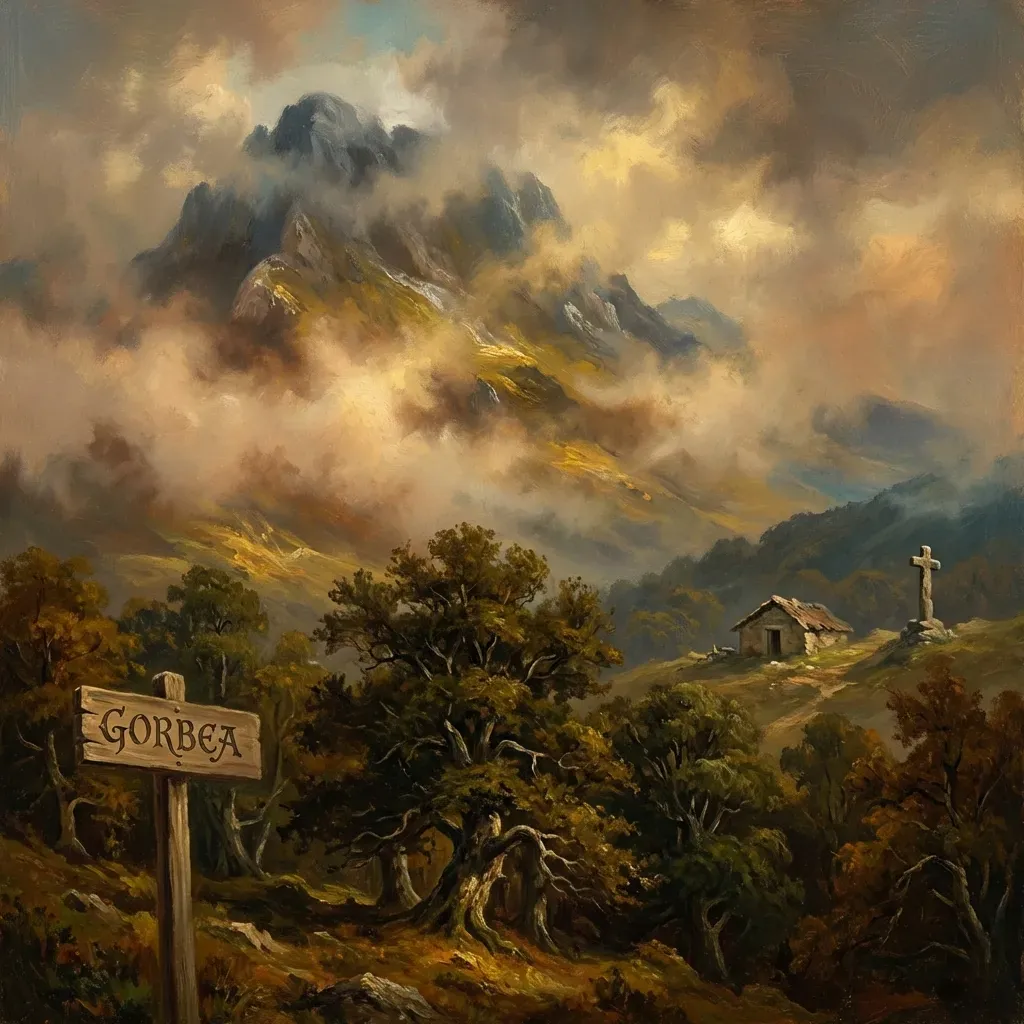
Mount Mondarrain
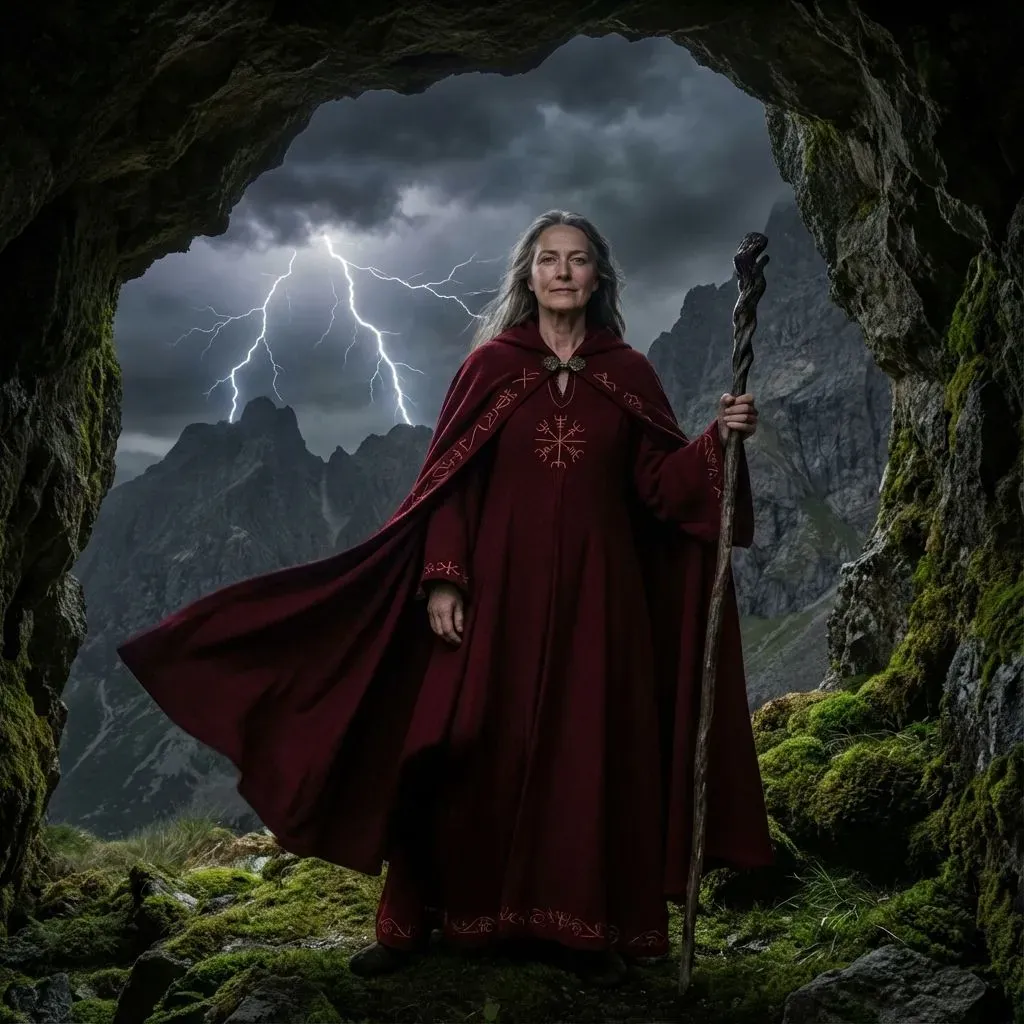
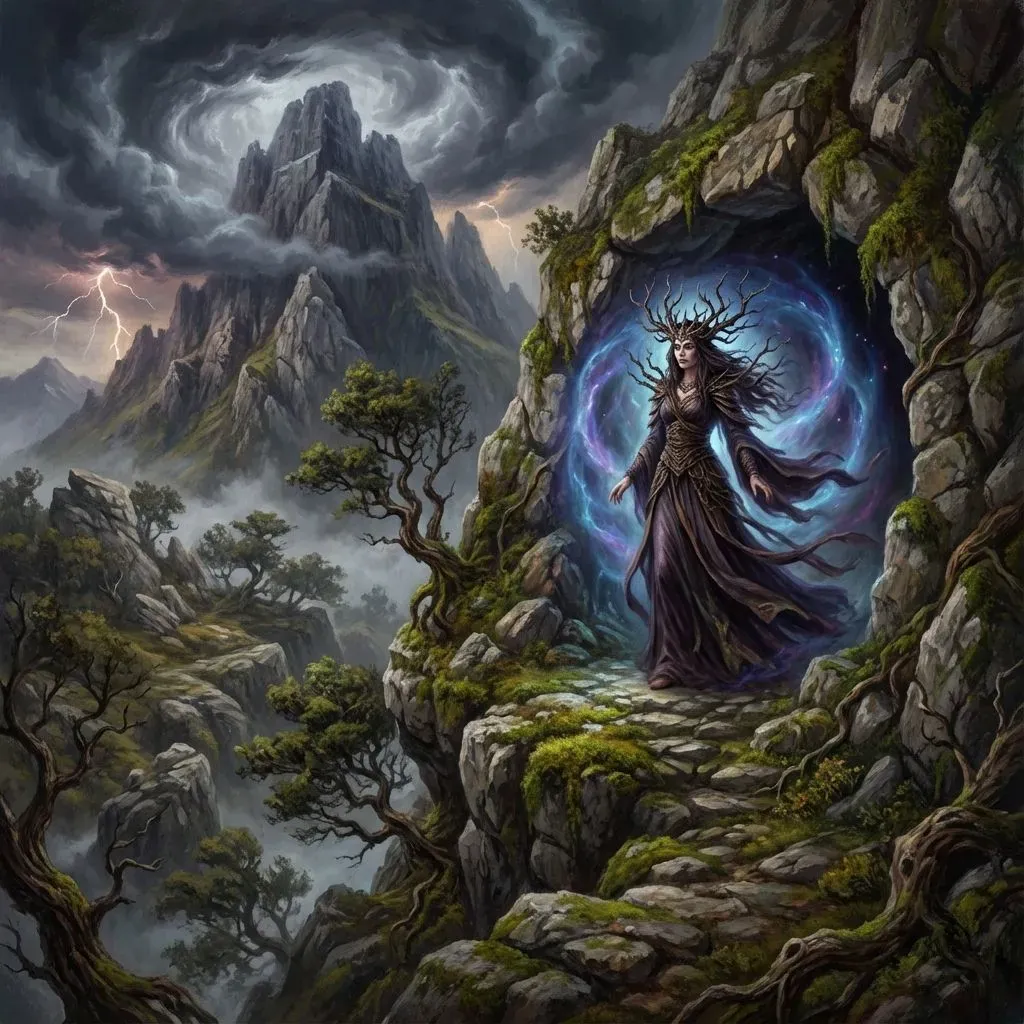
The summit in Labourd where the cave of the lamias is said to lie.
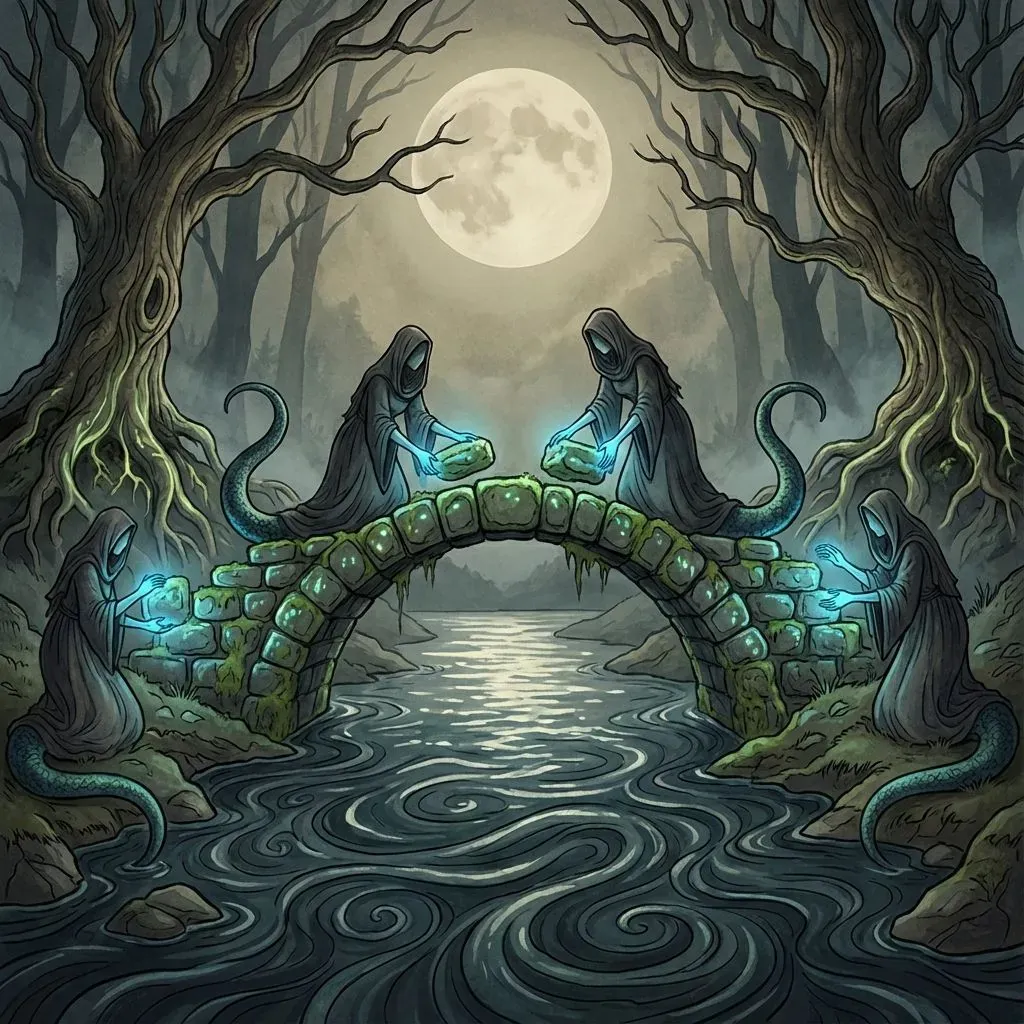
? Where they weave the fate of travellers ?
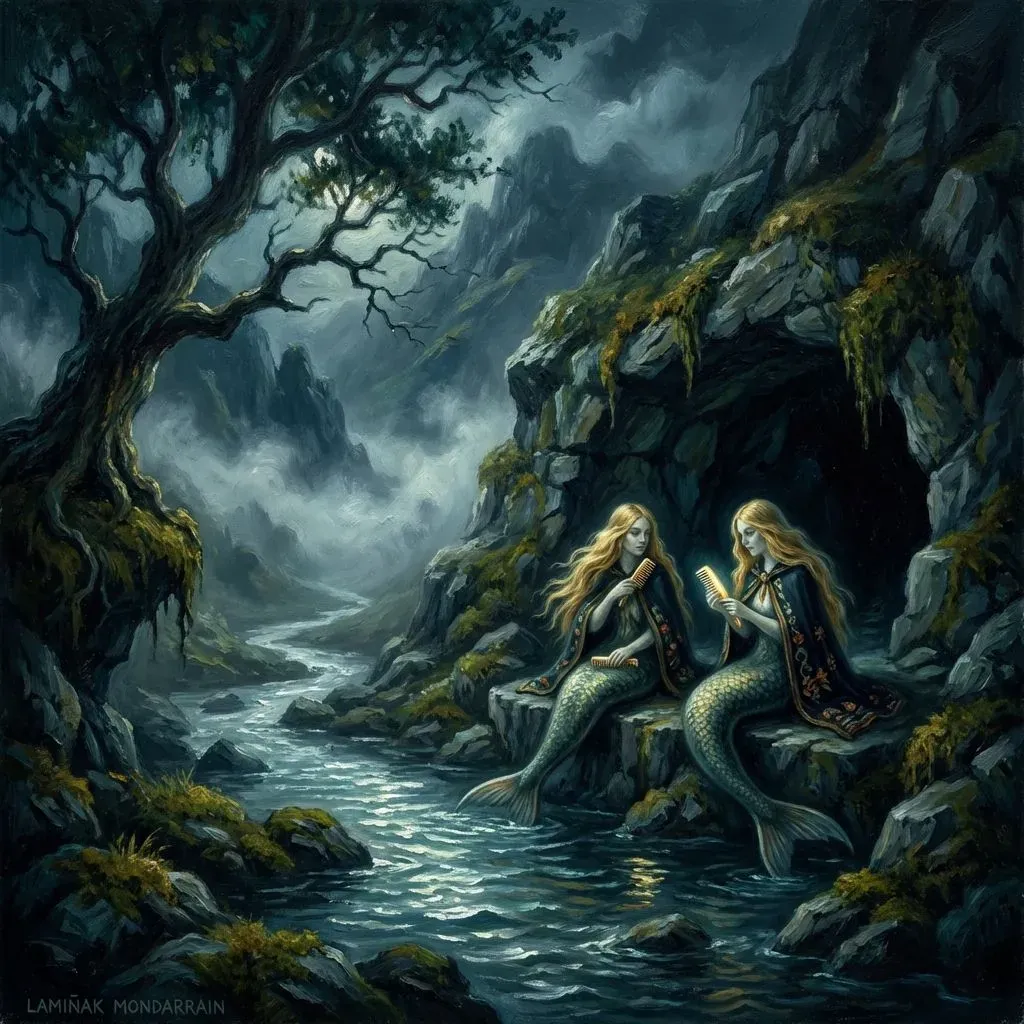
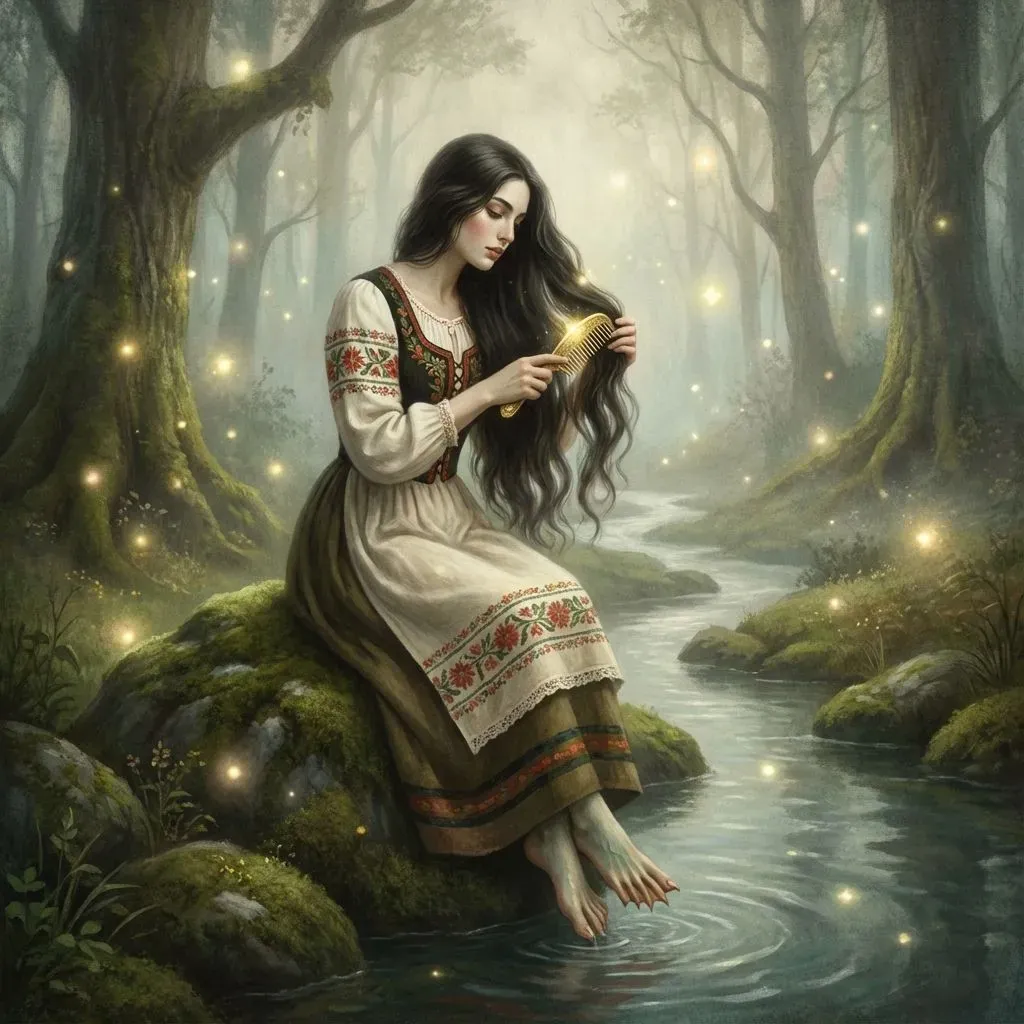
On the slopes of Mount Mondarrain, in the heart of Labourd, there is a cave beside a clear stream where the lamias dwell. These beings of extraordinary beauty, with webbed or bird-like feet, spend their time combing their long golden hair with golden combs.
Shepherds and travellers passing through those places have seen them at dusk, seated by the water and singing hypnotic melodies. People say that the lamias have the power to weave the destiny of those who encounter them: they can bless with prosperity anyone who treats them with respect, or curse those who offend them.
According to tradition, if a man manages to steal the comb of a lamia, she will follow him until she recovers it, granting favours in exchange. But woe to anyone who tries to keep her against her will, for her vengeance can be terrible.
Mount Mondarrain is considered sacred because of these presences, and the locals still respect its springs and streams as the dwellings of these ancestral beings.
The summit in Labourd where the cave of the lamias is said to lie.
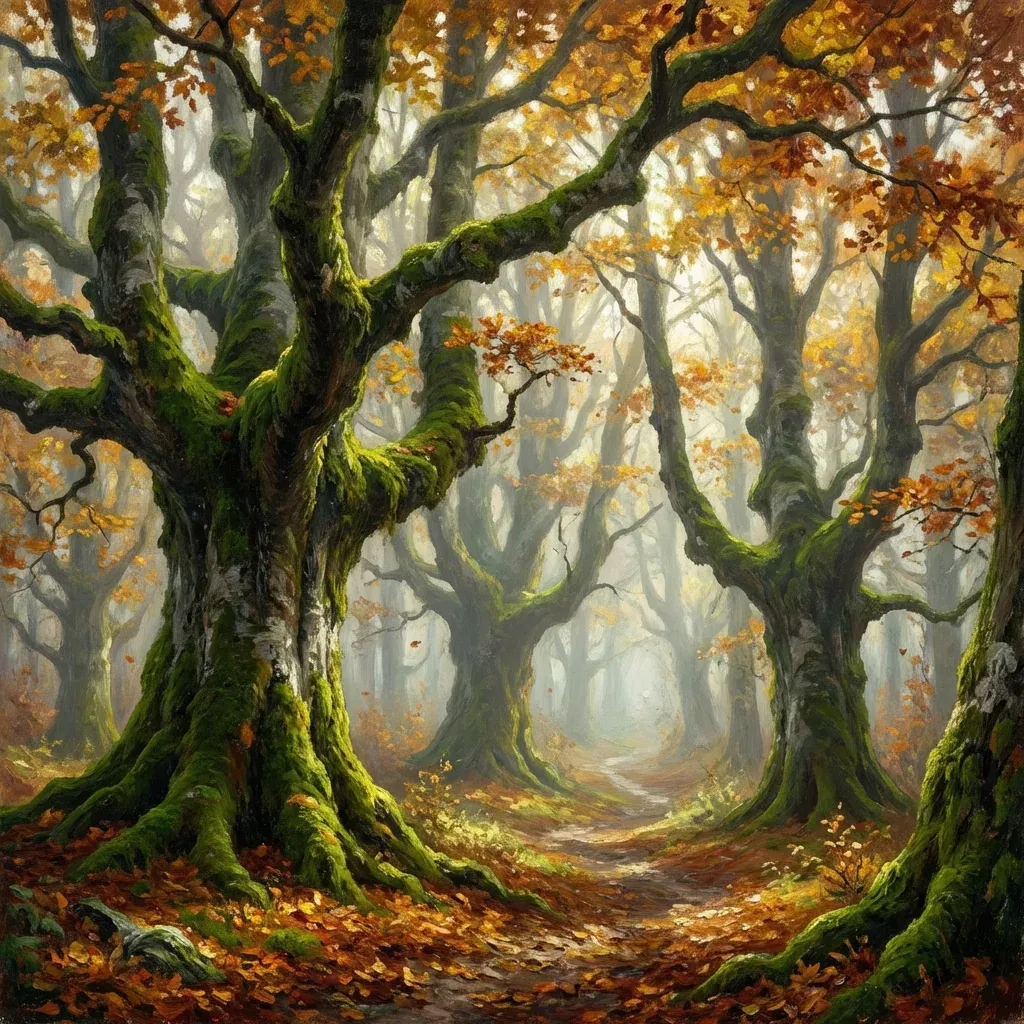
The waters beside which the lamias comb their hair.
The legend of the lamias of Mondarrain belongs to the richest layer of Basque water mythology, where streams, springs and caves are not merely natural places but inhabited thresholds. Here, beauty is never separated from danger, and fascination always carries the risk of enchantment.
The lamias embody that ambiguity perfectly. They appear radiant, musical and alluring, yet they are also beings of power who reward respect and punish offence. Their golden combs, songs and presence beside flowing water turn the landscape into a place of attraction, temptation and sacred caution.
Mondarrain becomes more than a mountain in this context. It is a charged territory where travellers enter a zone governed by older beings and older rules. Water is not neutral there; it is bound to destiny, exchange and the unseen order of the land.
This is why the legend remains so evocative. It preserves the sense that certain places demand reverence, that beauty can be supernatural, and that the encounter between humans and the ancient beings of the landscape is never without consequence.