The first sky
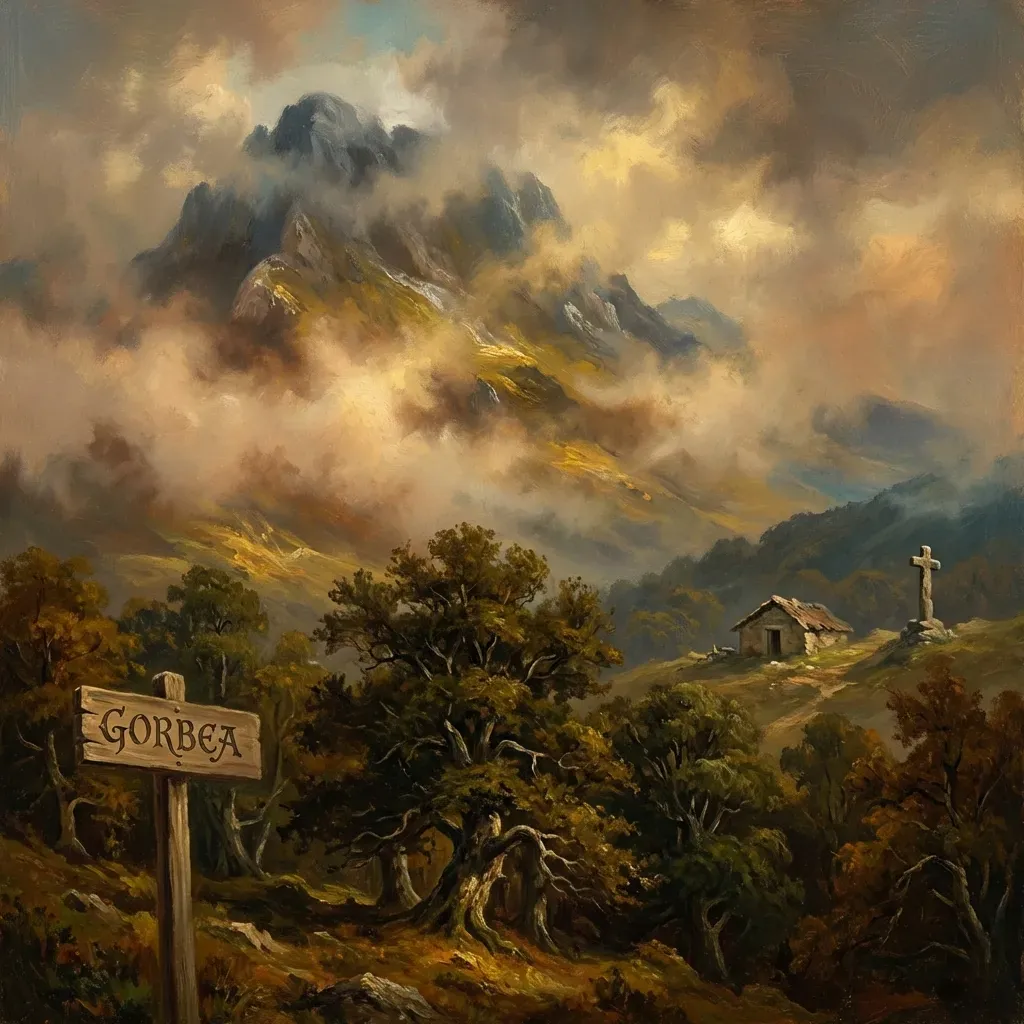
The cosmic space where sun and moon begin their alternating task.
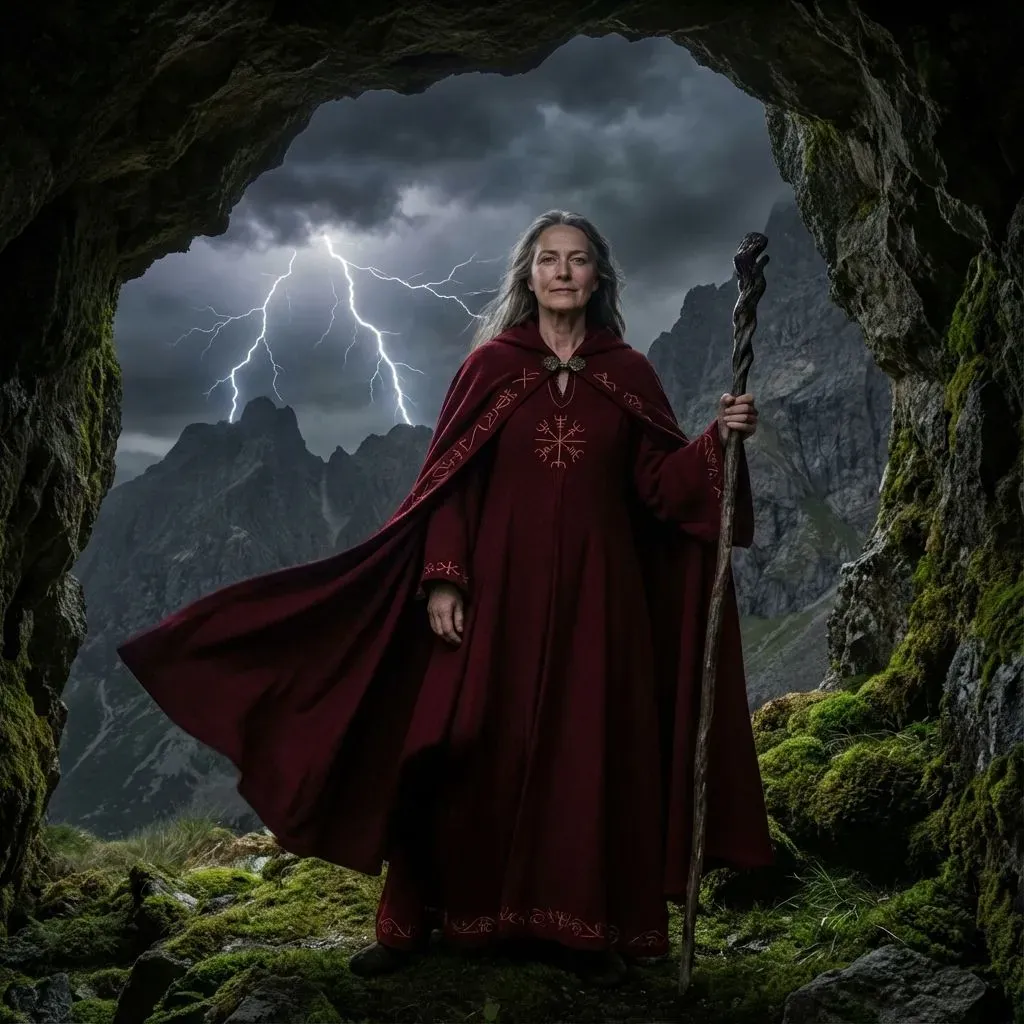
How Amalur brought light into the first darkness
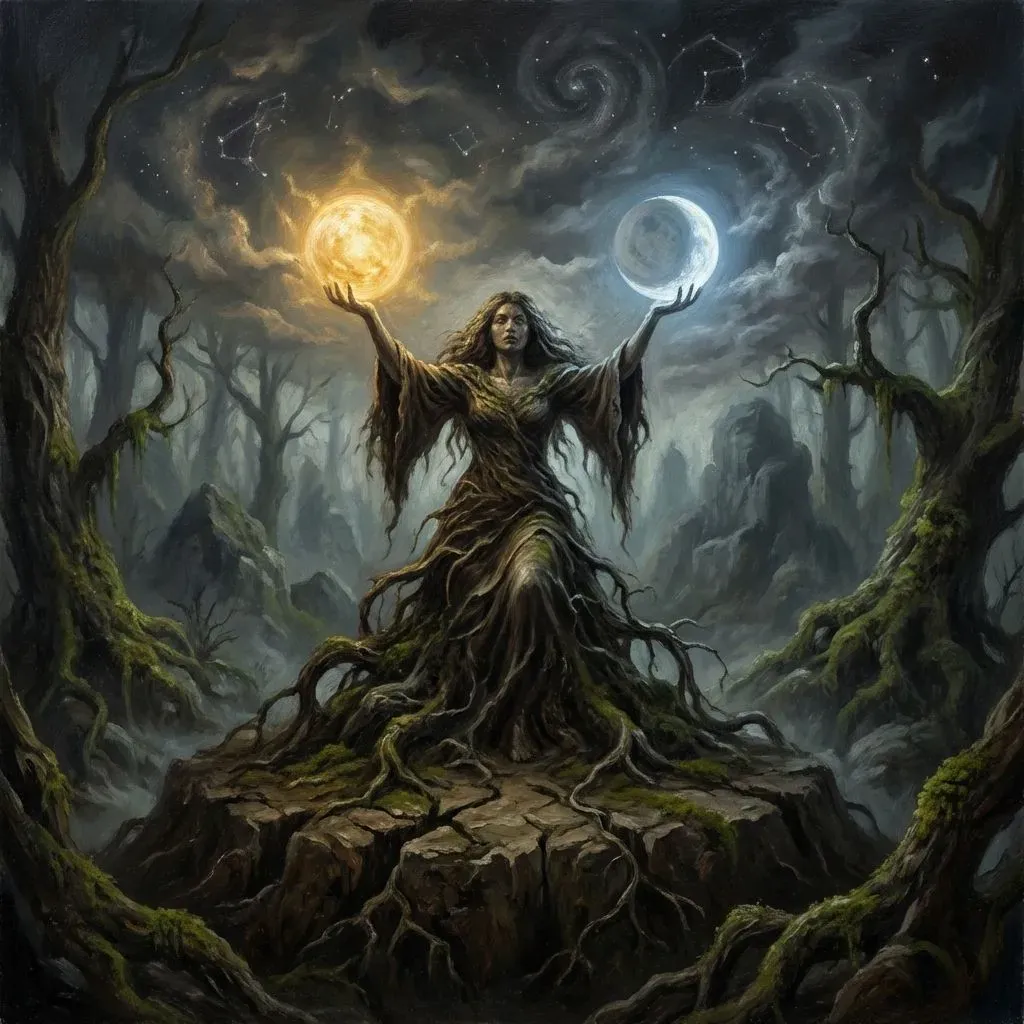
At the beginning of time, the nights were said to be absolute and unbroken. The first beings who inhabited the land lived in constant fear because no light existed to guide or comfort them.
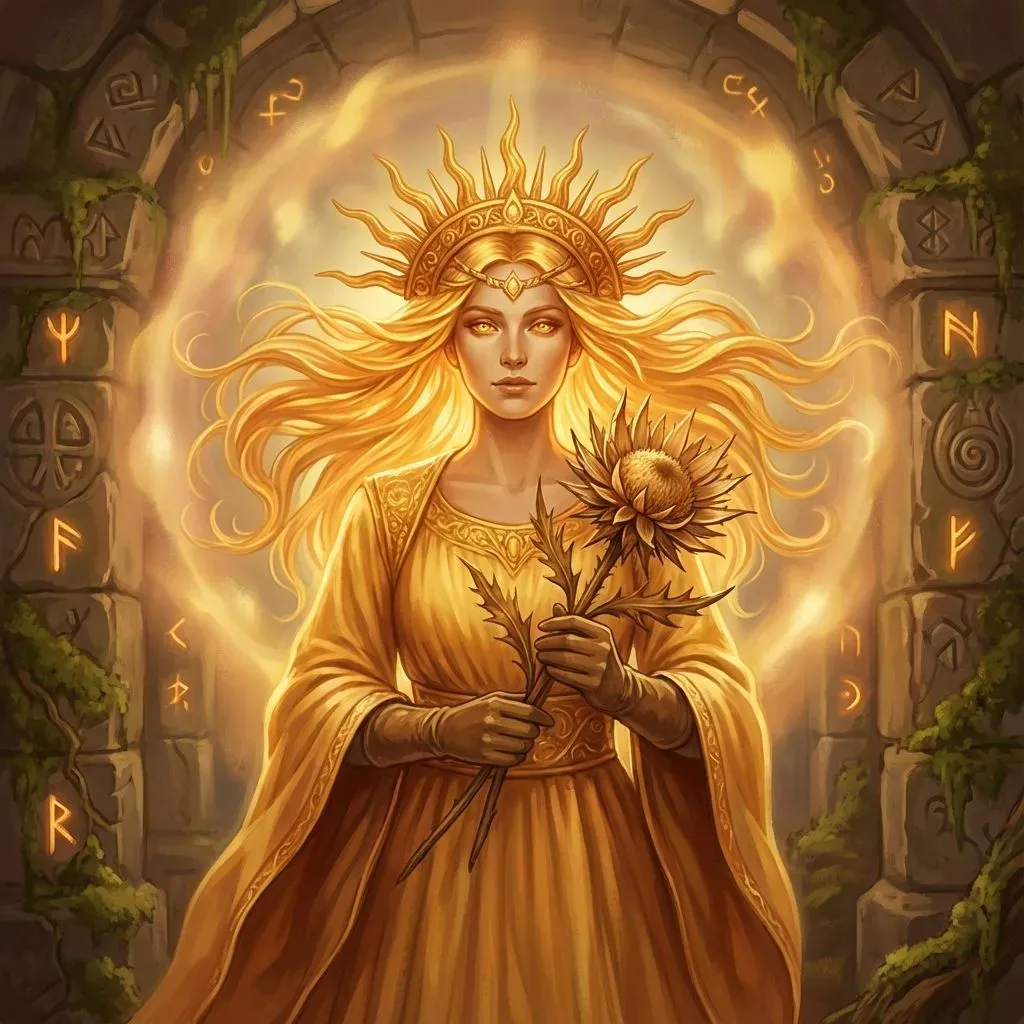
They appealed to Amalur, Mother Earth, and begged her to illuminate the darkness without destroying it completely. From her fiery depths she first brought forth Eguzki, the Sun, whose golden power drove the night creatures away.
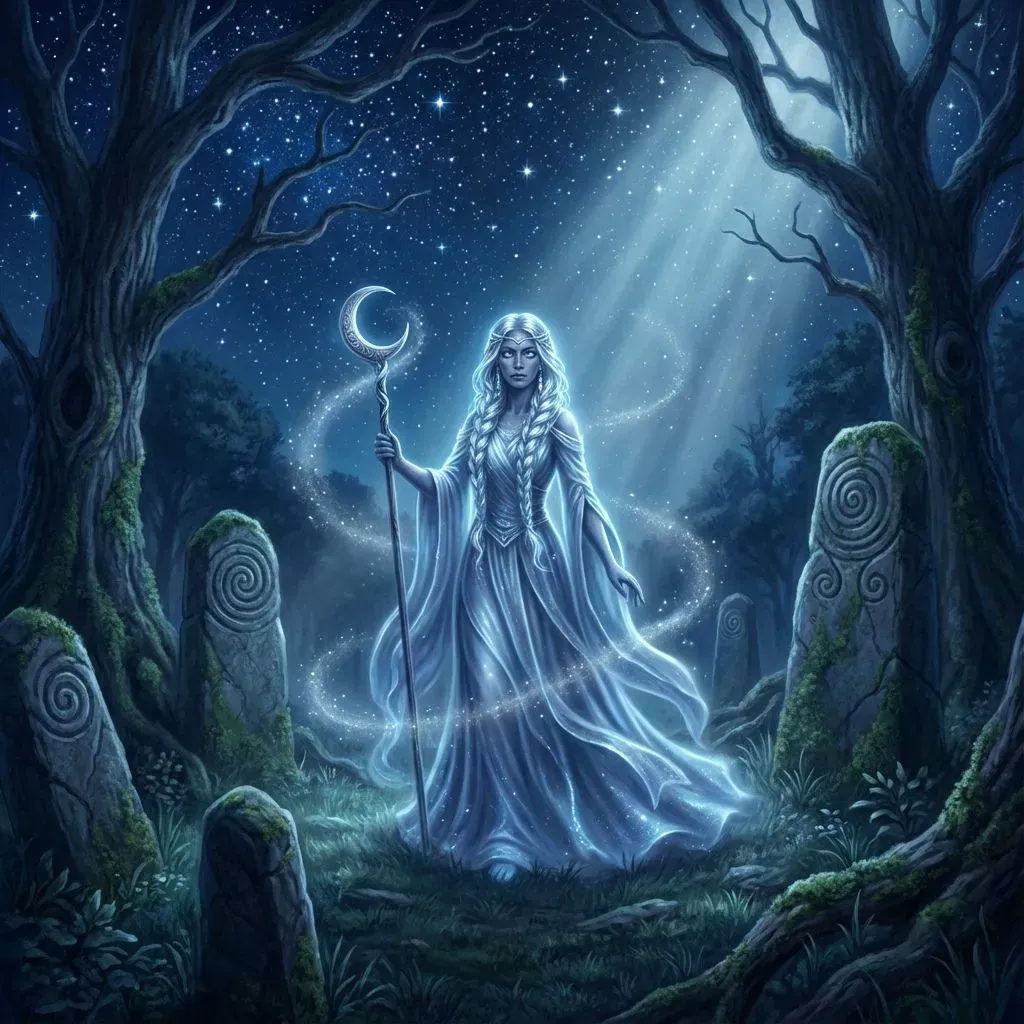
Then, so that darkness would not be left wholly abandoned, Amalur brought forth Ilargi, the Moon, whose gentler light accompanies rather than terrifies. Together they establish rhythm, order, and protection.
The myth presents light not as conquest alone, but as balance. Day and night, sun and moon, strength and gentleness all emerge from the maternal wisdom of the earth.
The cosmic space where sun and moon begin their alternating task.

The fiery maternal depth from which light is born into the world.
This myth is one of the clearest statements of Amalur's role as ordering mother. Light does not appear by accident; it is born from compassionate response to the fear of living beings.
The sequence matters. First comes the Sun, powerful enough to push the nocturnal forces back. Then comes the Moon, gentler and better suited to accompany rather than dominate the night.
The story therefore imagines the cosmos as relational rather than mechanical. Protection, rhythm, and alternation are gifts of maternal intelligence, not abstract astronomical facts.
That is why the tale remains so resonant: it transforms the sky into a family order in which every light has a distinct purpose and all depend on the deep wisdom of the earth.