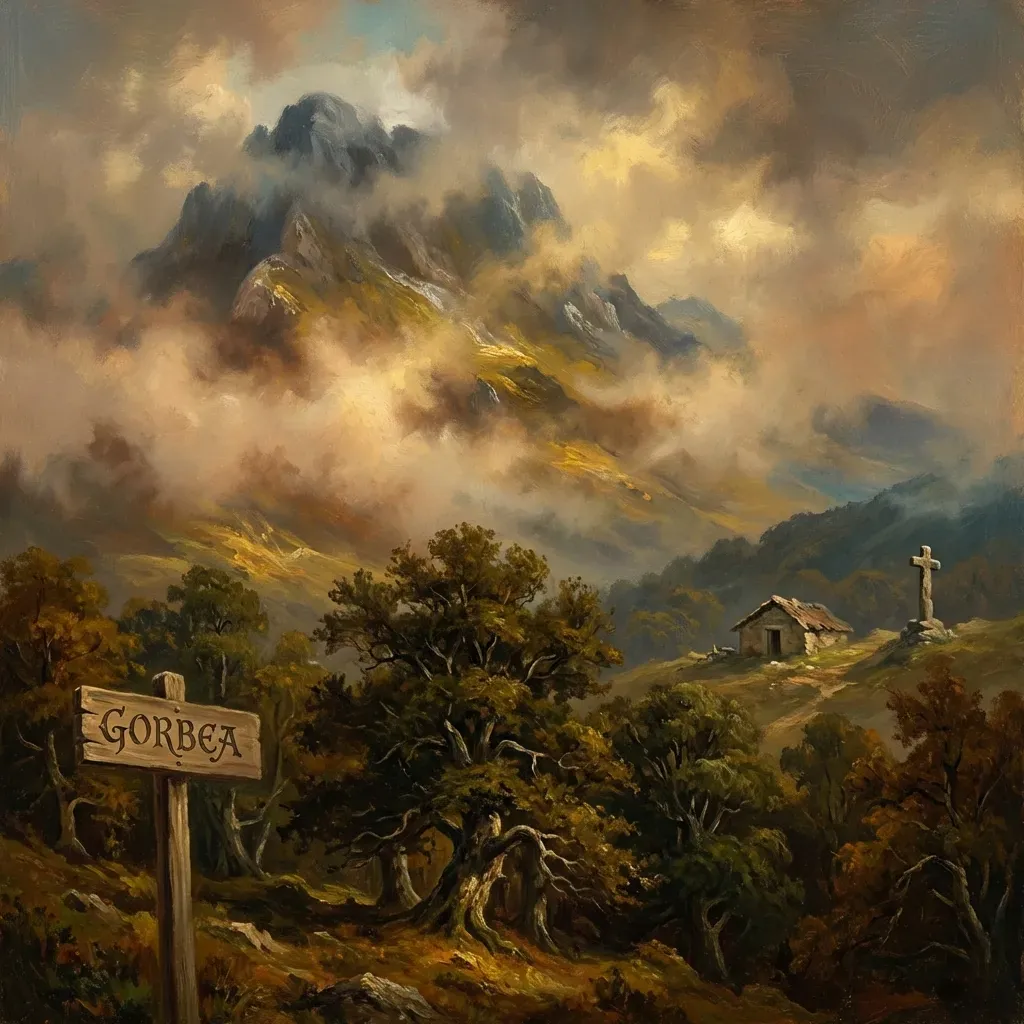
Basque farmhouses
Places where eguzkilore flowers are set on doors as protection.
The protective sun
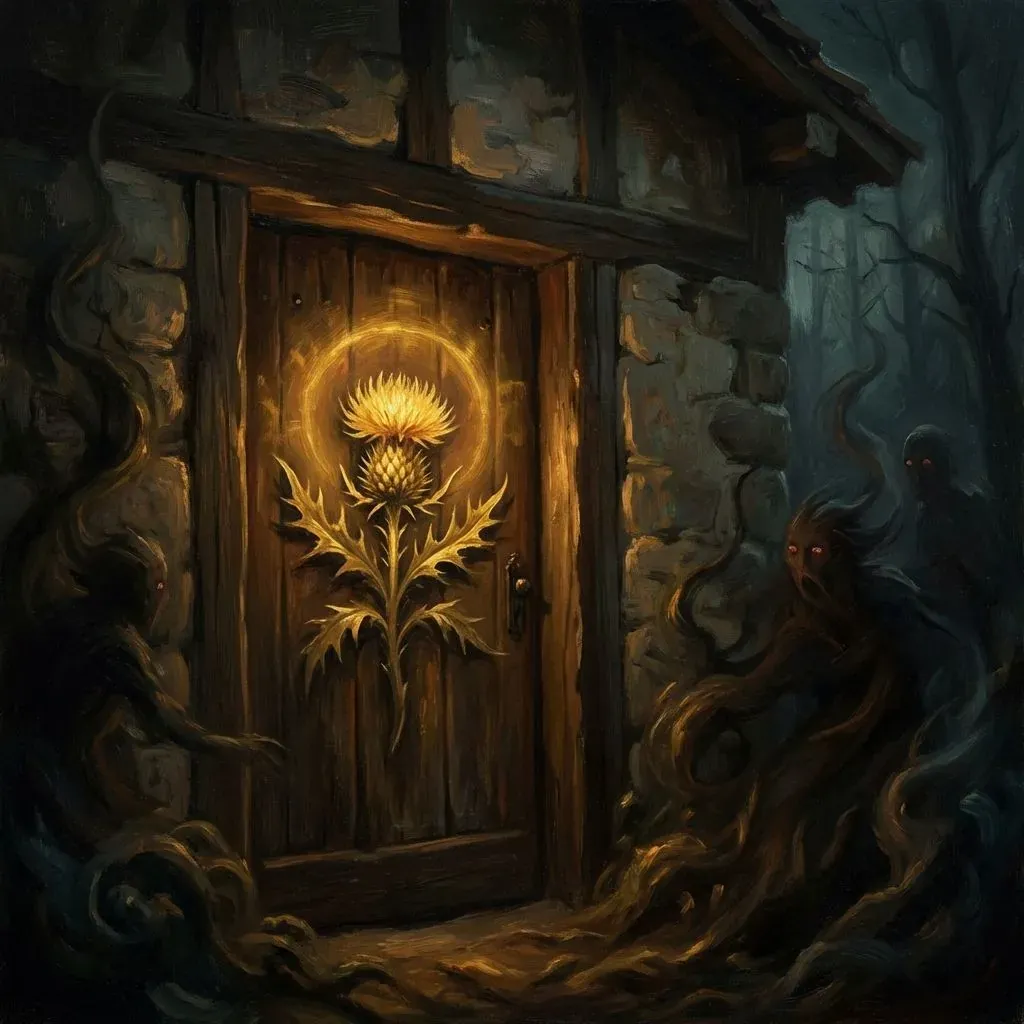
Eguzki, also called Eki, is the Sun, child of Amalur, Mother Earth, and protector against the beings of the night and harmful creatures. Her sacred flower, the eguzkilore, is placed on doors as a shield against misfortune.
She marks the impassable boundary between the world of the living and the kingdom of shadows. Her daylight keeps nocturnal creatures at bay, from witches and Inguma to fear itself.
Places where eguzkilore flowers are set on doors as protection.
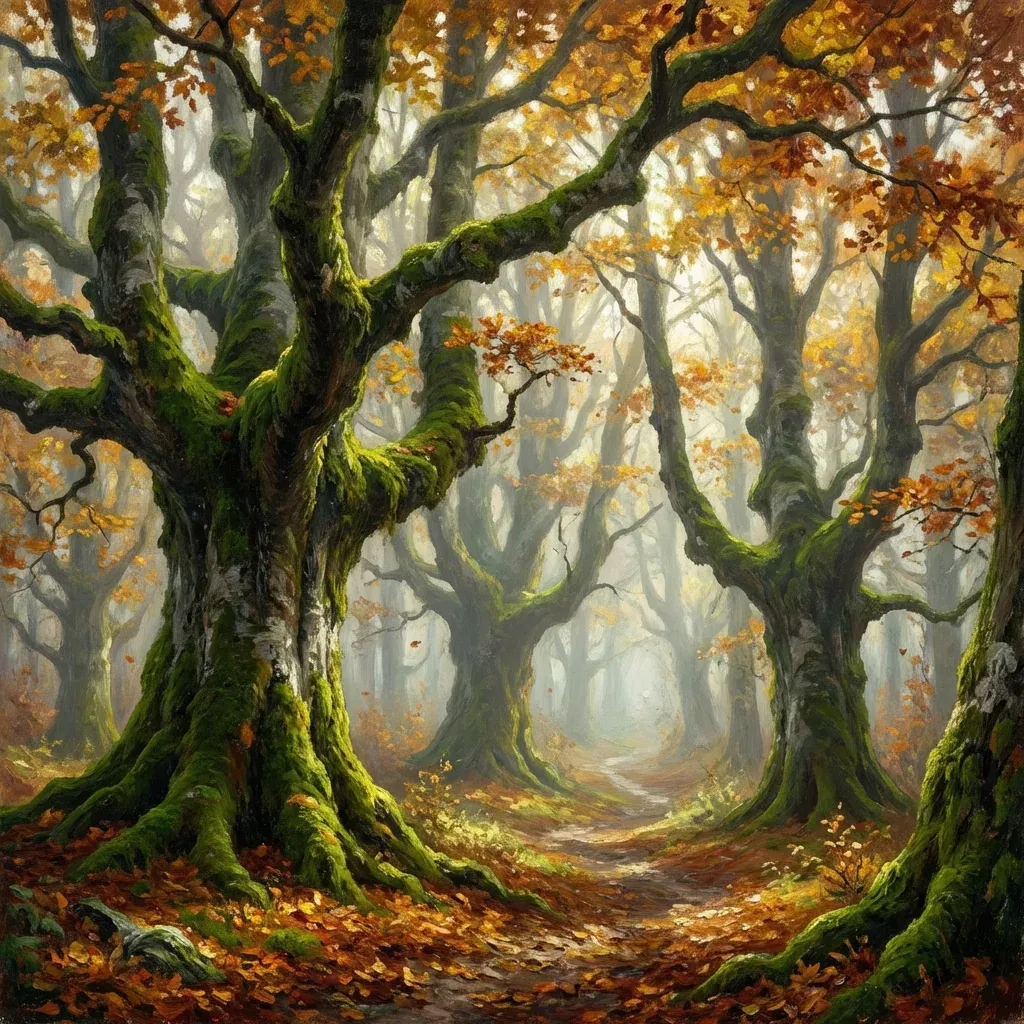
Where Eguzki rises each morning to illuminate Euskal Herria.
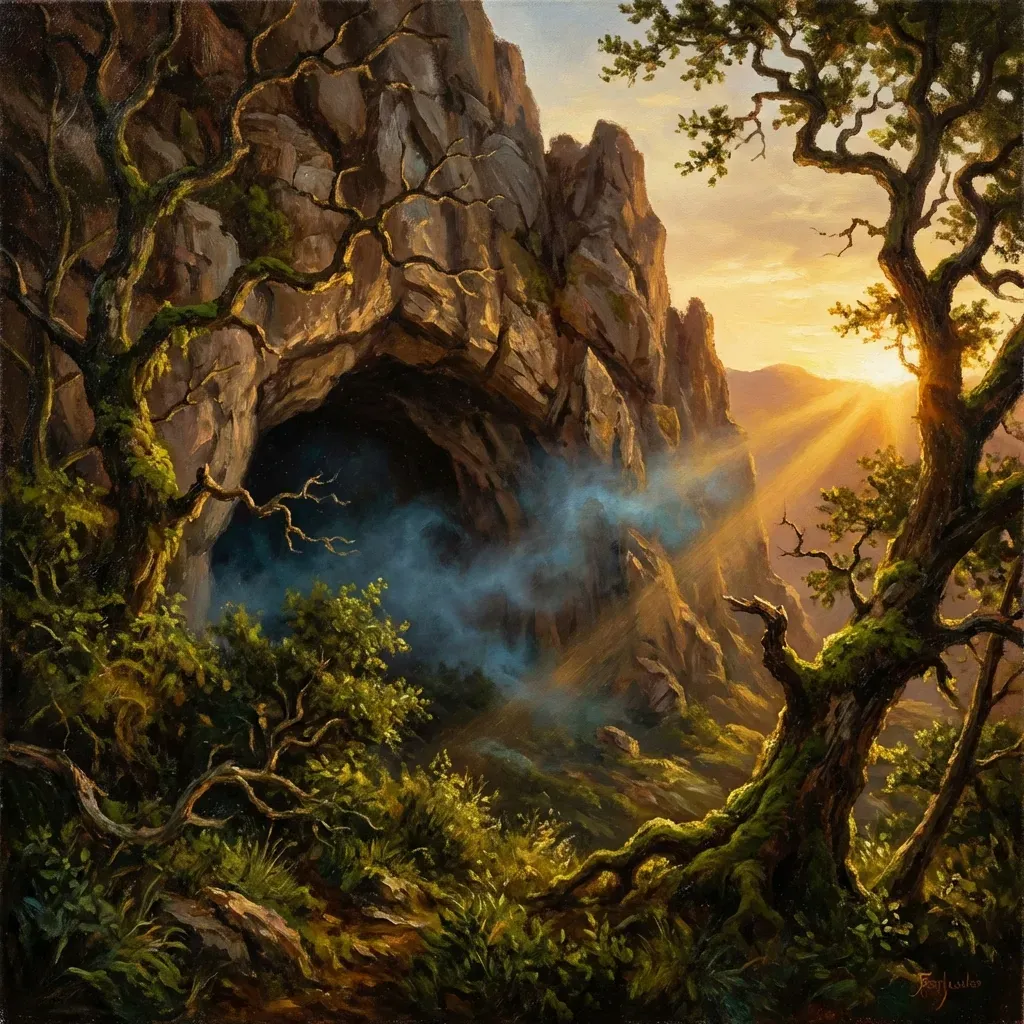
Where Eguzki sets each evening, sinking into the sea.
The name Eguzki means sun in Basque, and Eki is one of its ancient variants. In tradition she is considered the daughter of Amalur and the luminous sister of Ilargi.
Eguzki belongs to the oldest layer of Basque mythology and can be understood as the protective sun born from Amalur.
Its stories are closely tied to daylight, domestic defense and the ordering of time.
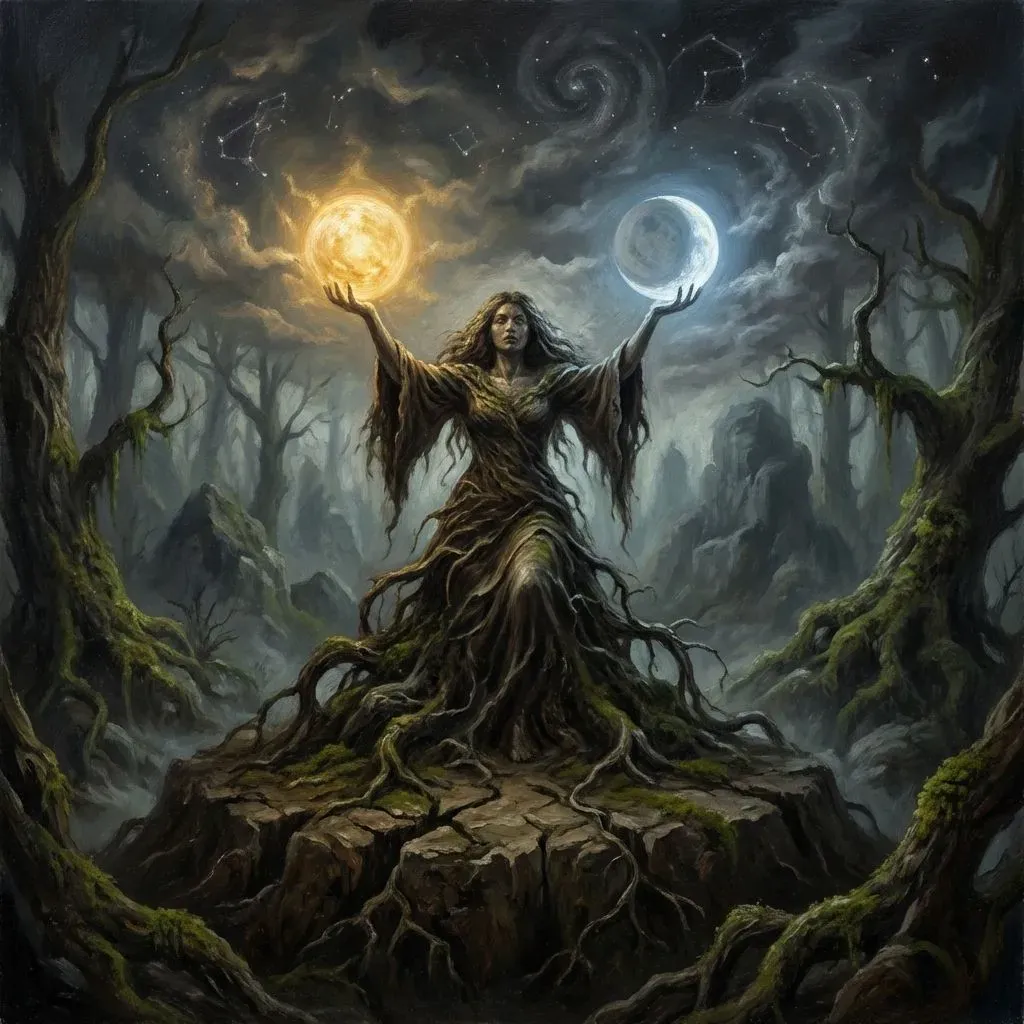
How Eguzki and Ilargi emerged from Mother Earth.
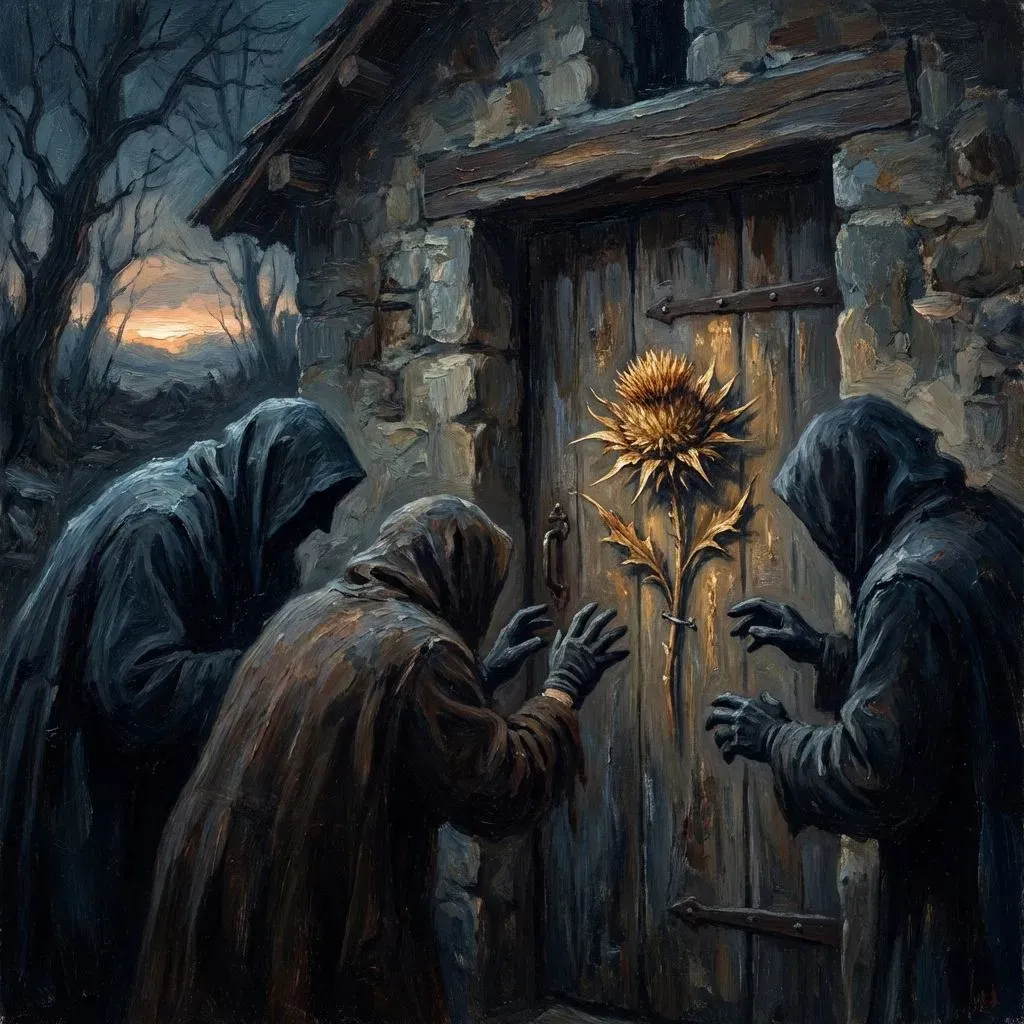
Again and again the tradition returns to sunlight, eguzkilore, protection and rhythm.
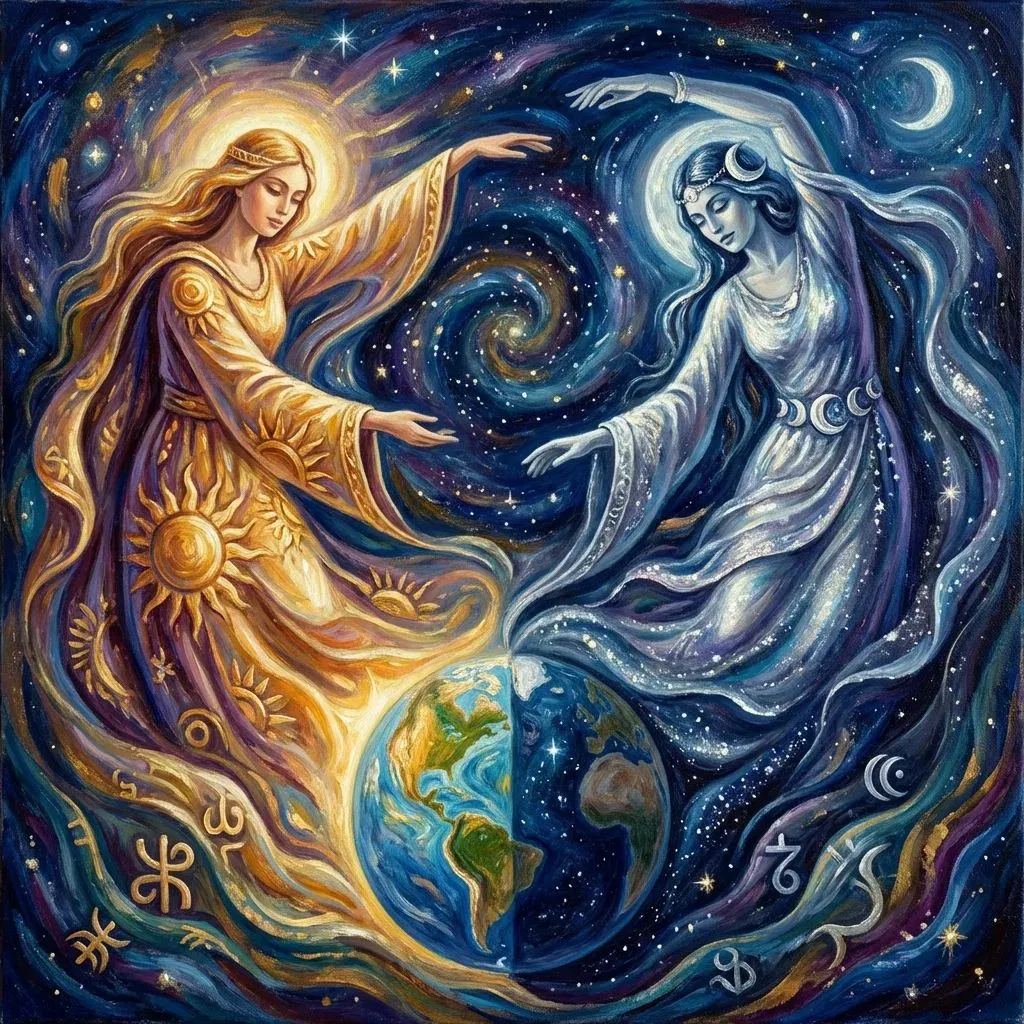
The relationship between the twin celestial bodies governing day and night.
Rather than a decorative figure, Eguzki helps explain how the Basque world understood danger, order and sacred space.
In many versions, Eguzki marks a frontier between what belongs to human life and what must remain respected from a distance.
That is why the tales about Eguzki often combine fear, wonder and moral instruction in the same narrative movement.
The figure also preserves an older way of reading the landscape, where mountains, houses, storms or caves are never neutral settings.
Through Eguzki, myth gives shape to forces that cannot be seen directly but can still be felt in weather, place, memory and ritual.
Modern readers may approach Eguzki as folklore, yet the character still carries the logic of a living symbolic world.