Farmhouse doors
Thresholds where the flower is placed as a protective emblem.
Eguzkilore, the golden guardian at the threshold of the home
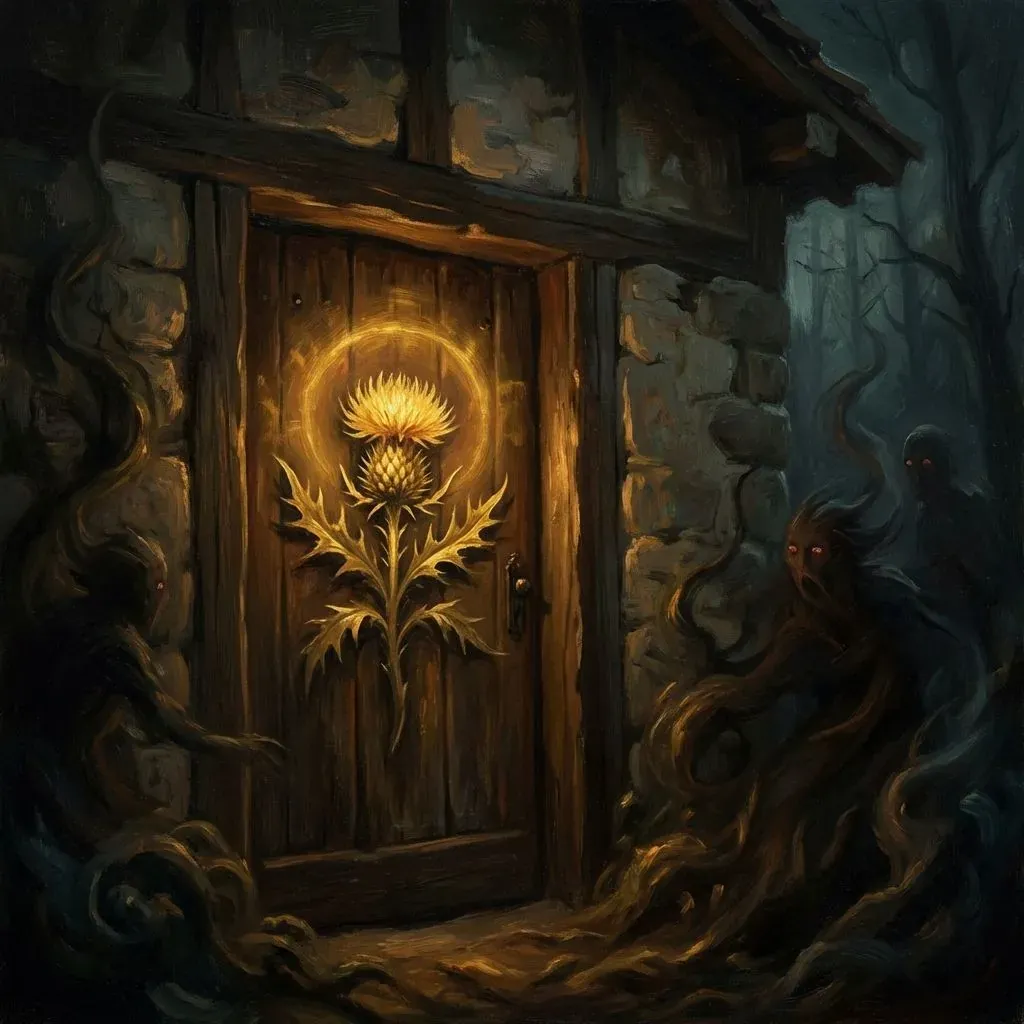
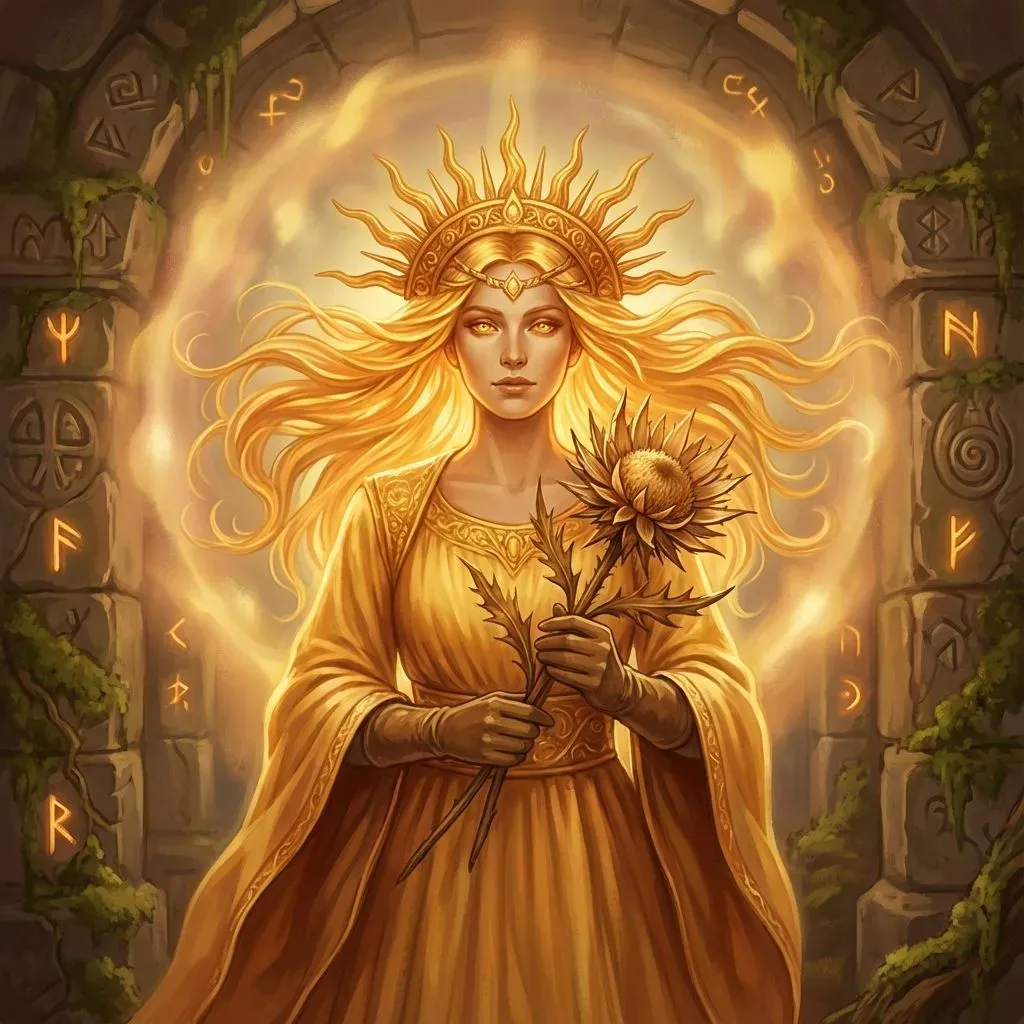
Harassed by the dangers of darkness, the first humans are said to have asked Amalur for protection. In response, she gave them the eguzkilore, the flower of the sun, as a luminous shield for the home.
Placed on the farmhouse door, the flower confuses or delays nocturnal beings, forcing them to count its countless bracts until the night is spent and their power dissolves with the dawn.
The legend transforms a hardy mountain plant into a sacred domestic guardian. The threshold becomes the place where wild darkness meets crafted protection.
That is why the eguzkilore remains alive in Basque culture. It is not only ornament, but a symbol of light held fast against the night.
Thresholds where the flower is placed as a protective emblem.
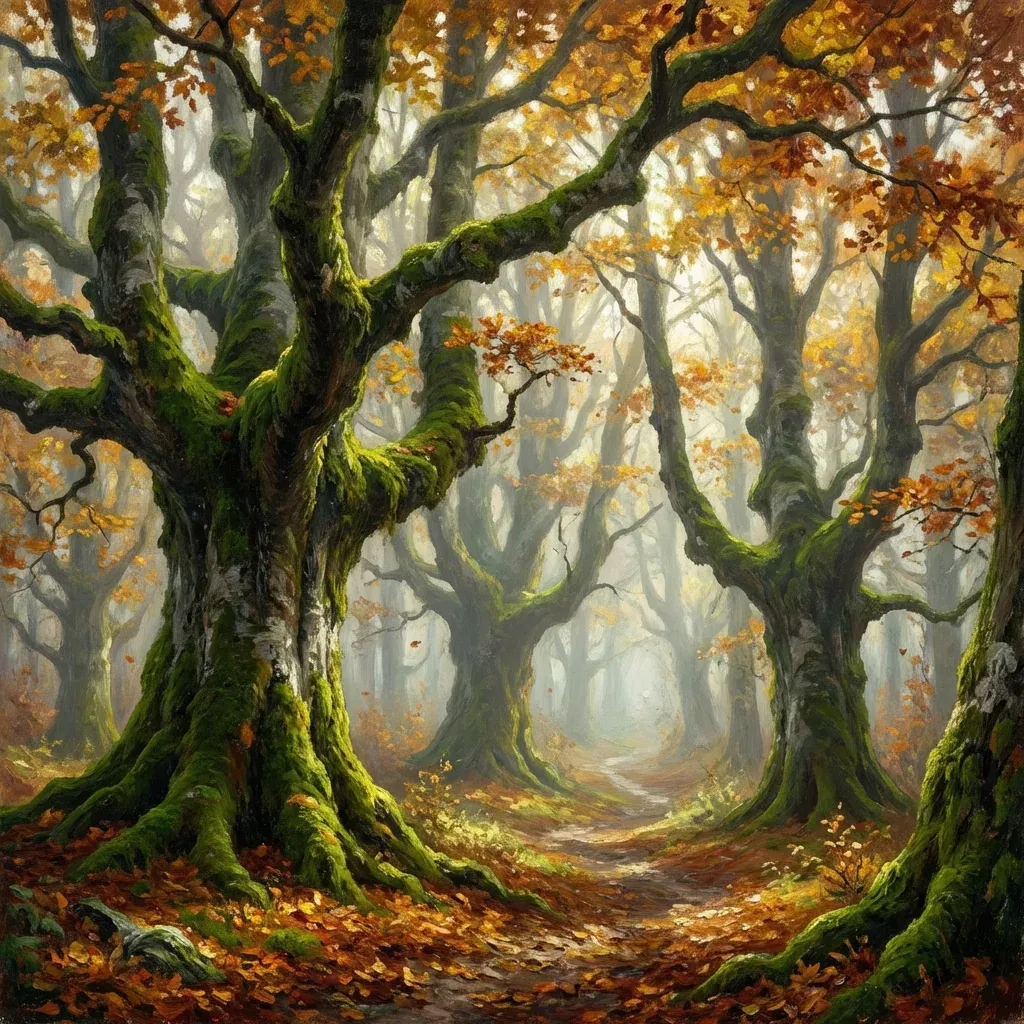
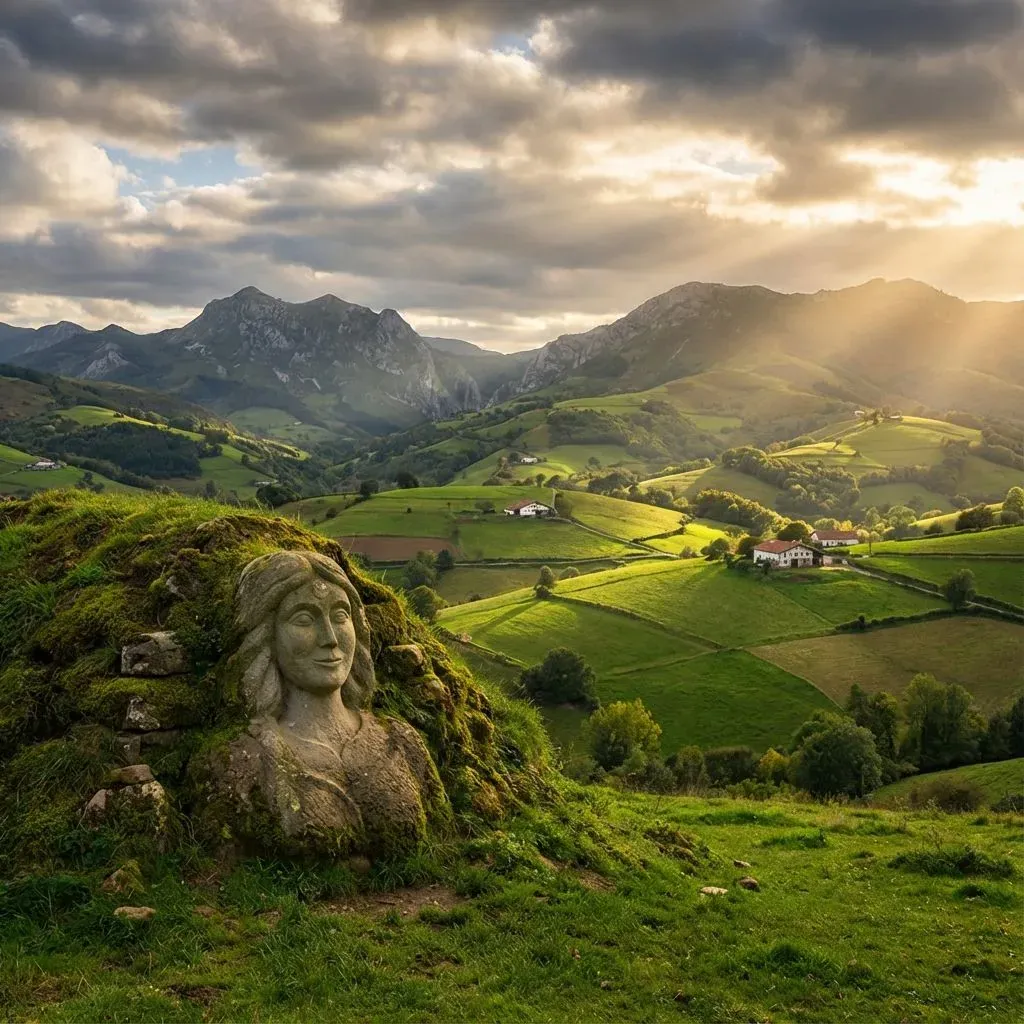
The harsh uplands where the hardy plant grows and gains its mythic force.
This legend is powerful because it turns a plant into concentrated light. The eguzkilore becomes a domestic fragment of the sun, fixed at the threshold against nocturnal intrusion.
Its famous power to delay evil by making it count each bract is especially revealing. Darkness is not always defeated by force, but sometimes by patience, confusion, and the arrival of dawn.
The gift from Amalur also ties the flower to a maternal protection that joins nature and home. What grows wild in the mountain becomes guardian of human shelter.
The tale survives because it unites beauty, botany, and sacred defense in one of the clearest protective symbols of Basque culture.