Churches and tombs
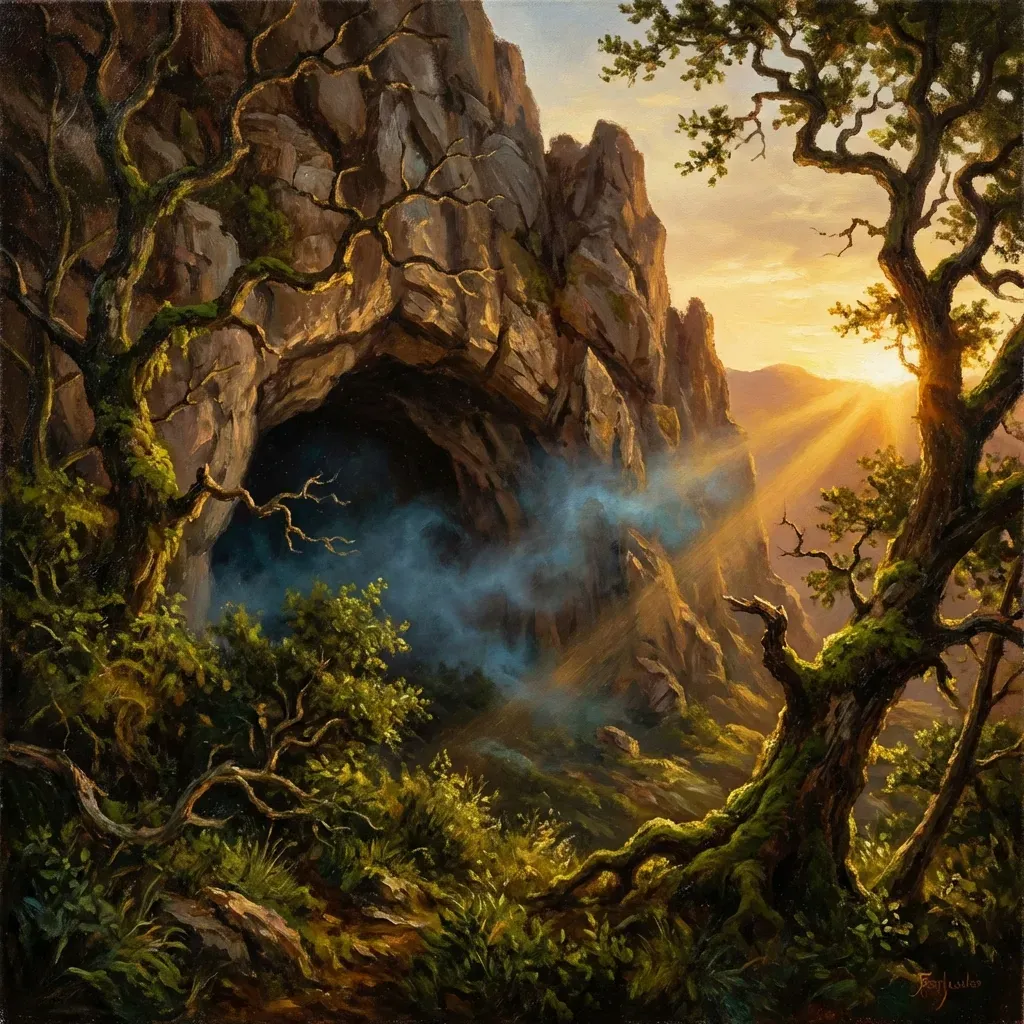
Sacred settings where the ritual flame was kept alive for the departed.
Argizaiola and the flame that keeps memory alive
In many Basque valleys, the dead were not thought of as absent forever, but as still linked to the living through ritual light. The argizaiola kept a flame of memory burning across the boundary between worlds.
Women of the farmhouse carried that duty with devotion, lighting the coiled wax at church so that the dead would not remain abandoned in darkness and cold.
Behind the custom lies an older belief: the tomb is not simply an end, but an extension of the primordial home, and the flame carries warmth, remembrance, and orientation to those who have crossed over.
The legend of the light of the dead turns mourning into care. Memory becomes luminous, and the bond between the living and the dead is sustained by a small but unwavering fire.
Sacred settings where the ritual flame was kept alive for the departed.
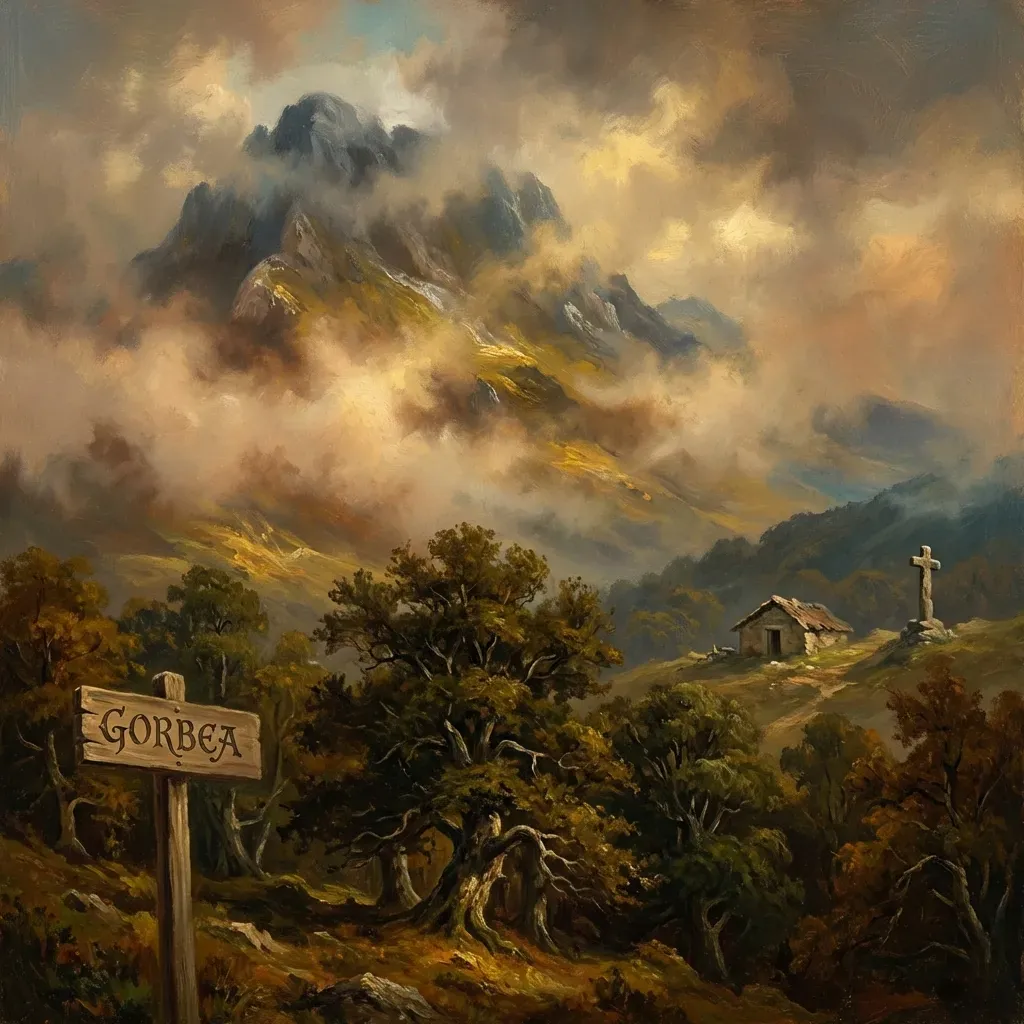
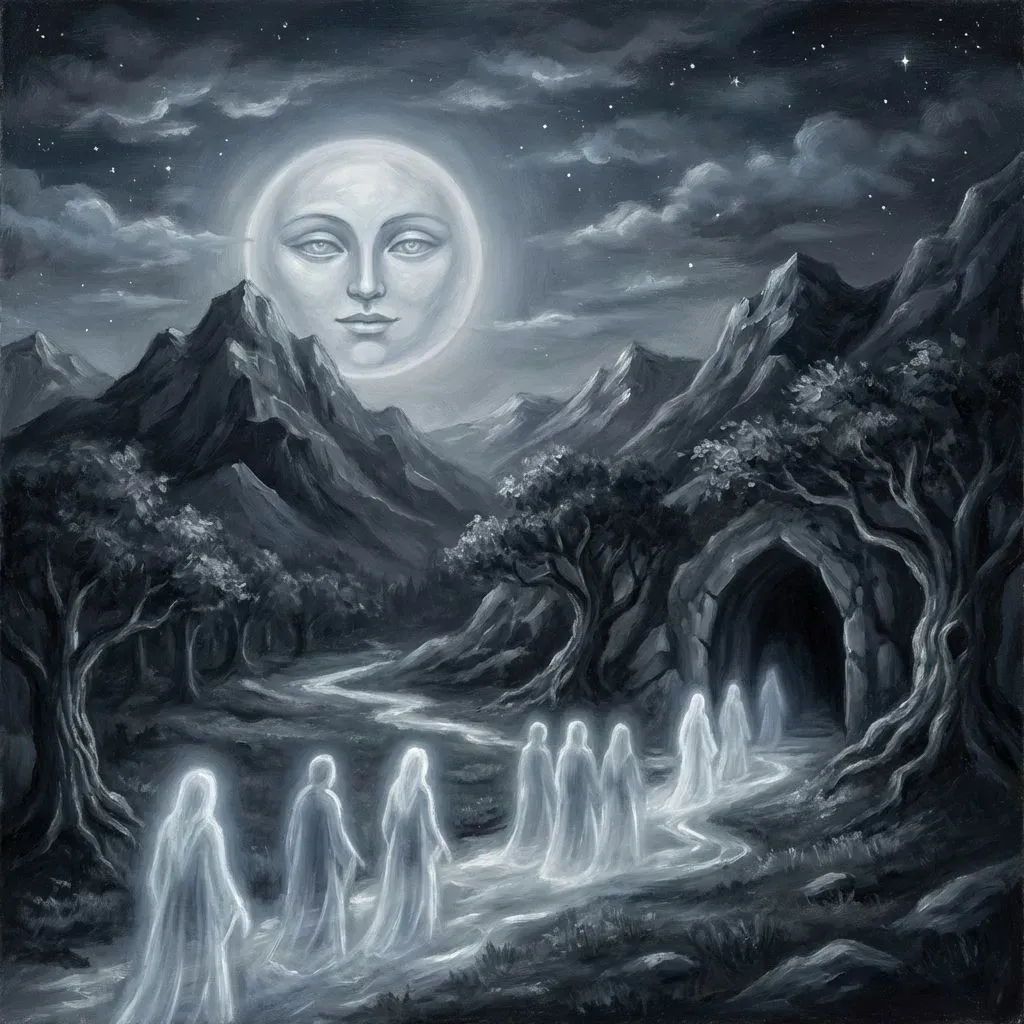
The symbolic route along which light guides the soul and sustains memory.
This legend and ritual preserve one of the most moving intuitions of Basque spirituality: the dead remain in relationship with the living through acts of care, memory, and light.
The argizaiola is powerful precisely because it is humble. It is not a spectacle, but a steady flame that insists the beloved dead must not be left alone in cold darkness.
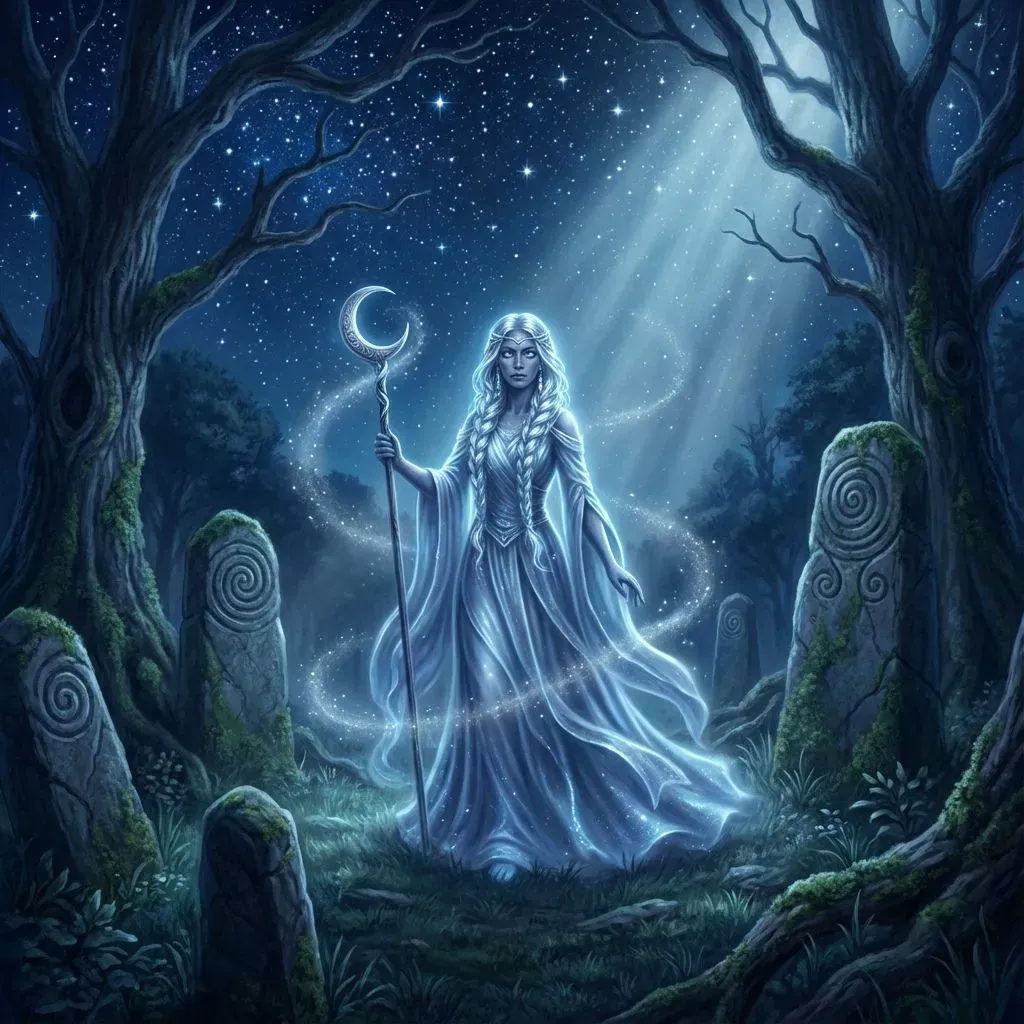
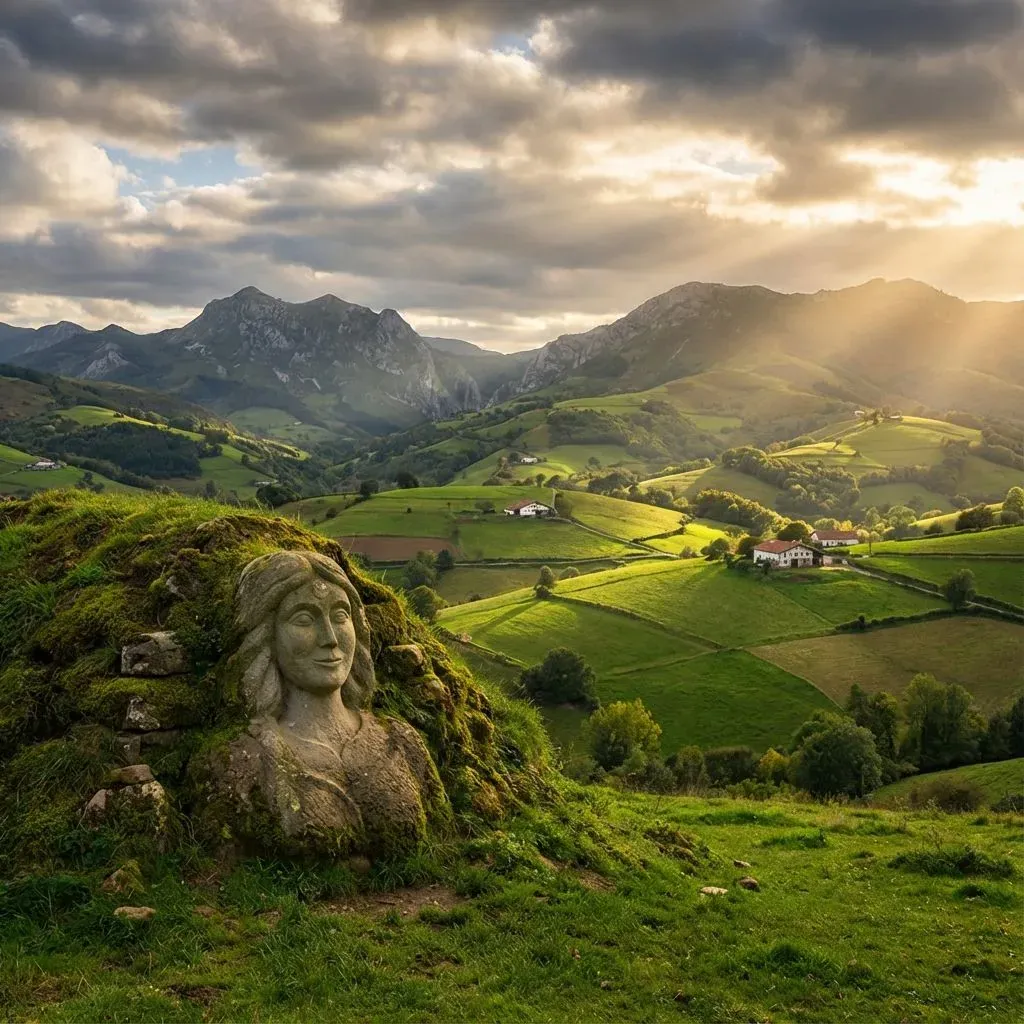
The connection to Amalur and Ilargi adds a larger cosmic frame. Earth receives the dead, moonlight watches over them, and human ritual keeps affection active between both worlds.
For that reason, the tale is not only about death. It is about continuity, tenderness, and the duty of remembrance as a sacred act.