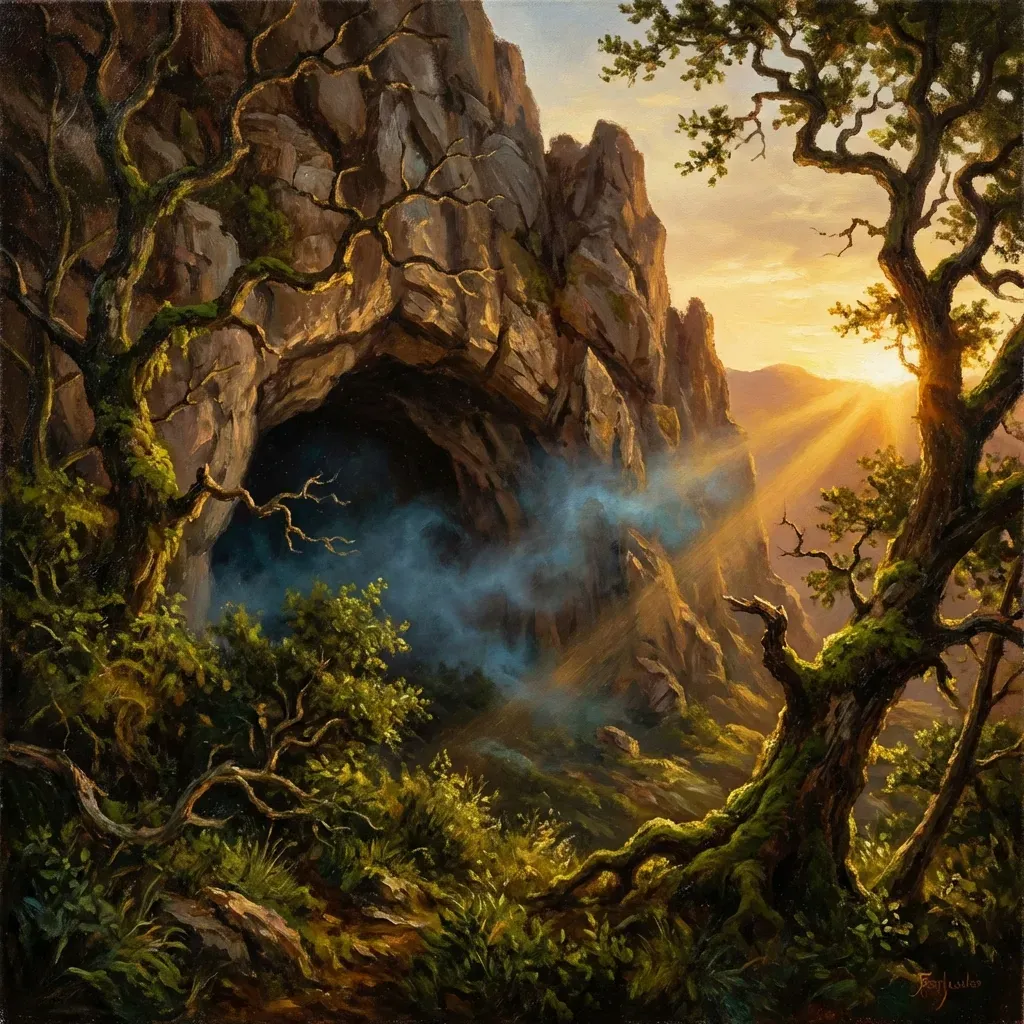
The underworld of Amalur
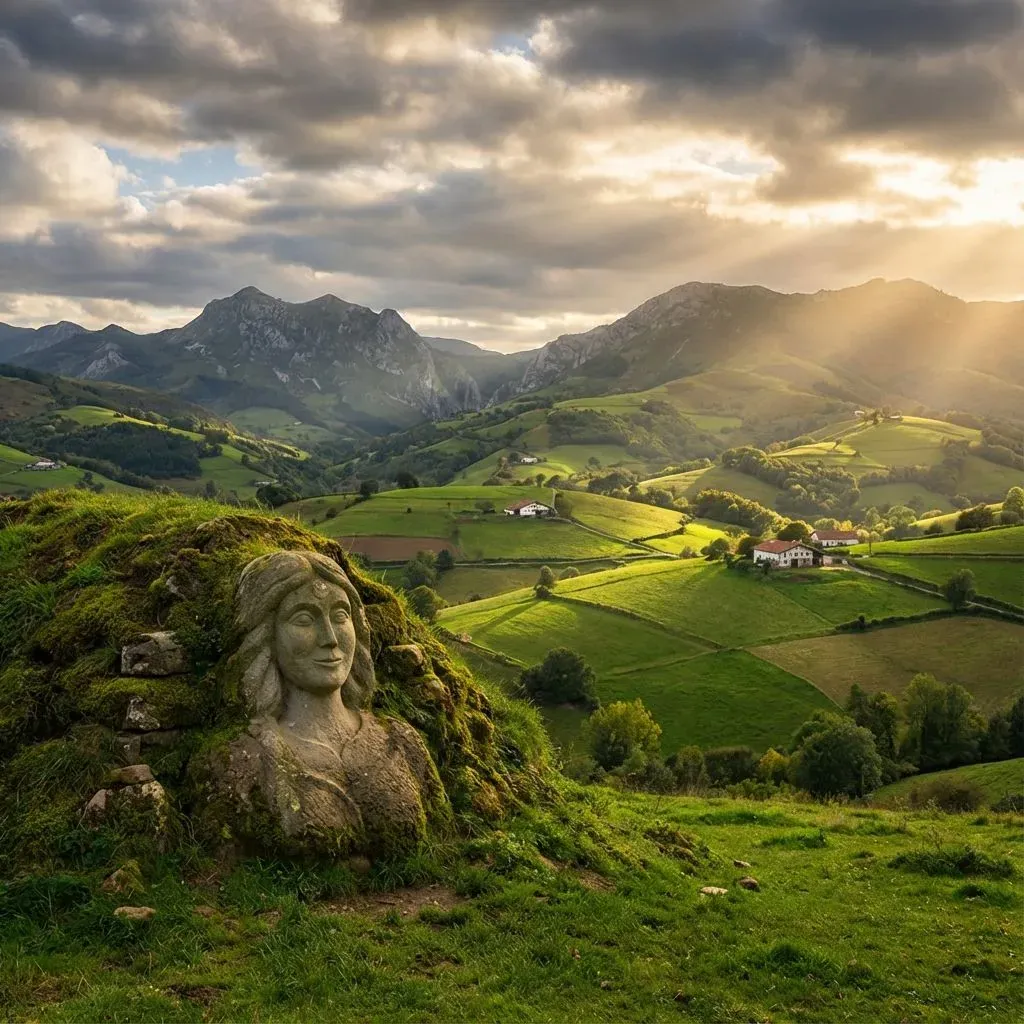
The realm into which the dead eventually pass after their final tasks are done.
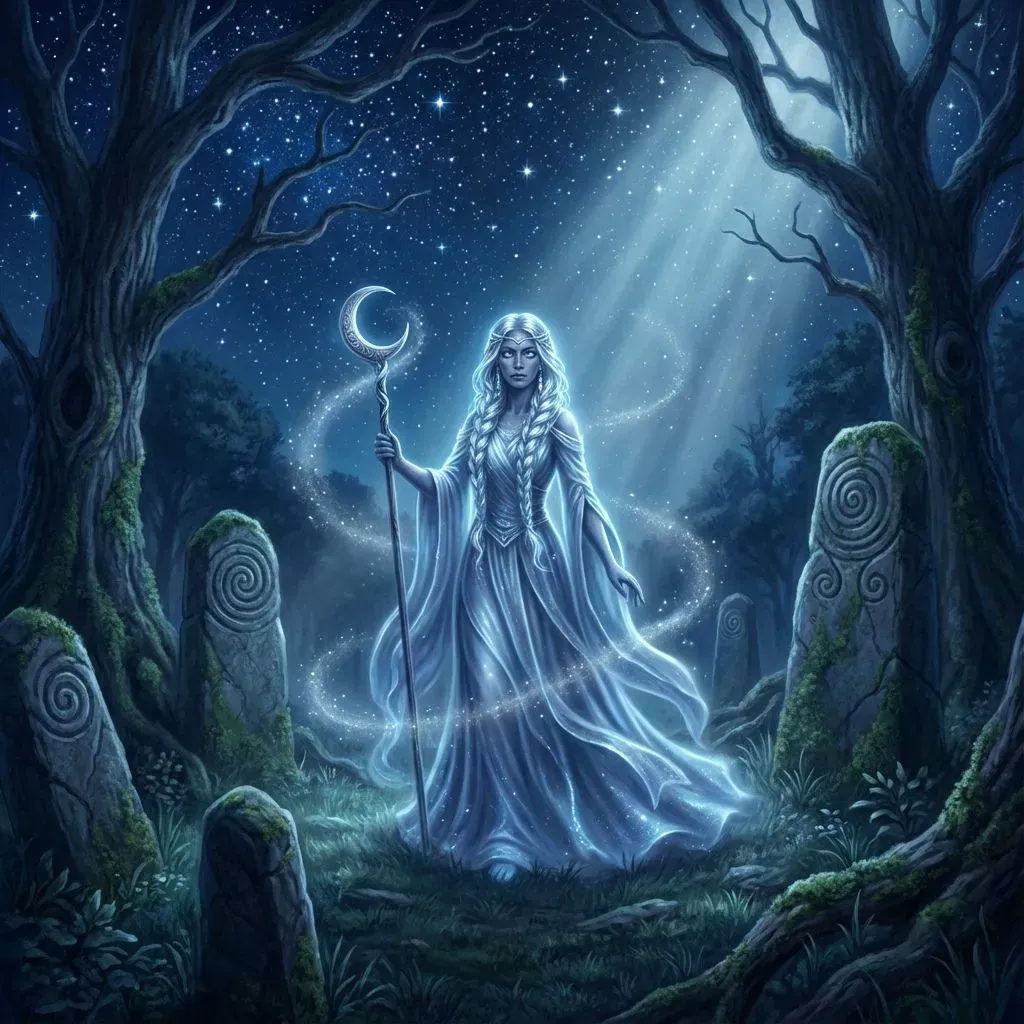
The dead mother who came back to bid farewell to her small child
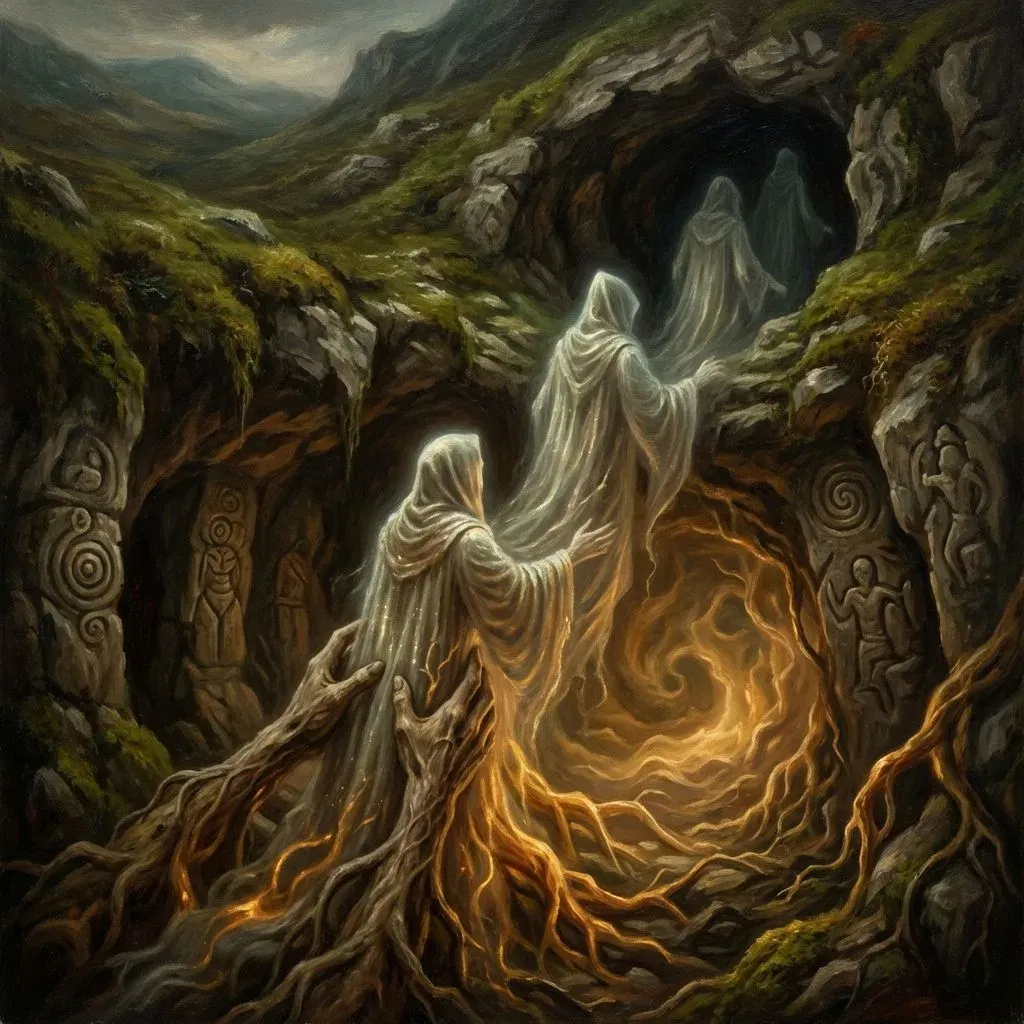
Among Basque stories of the returning dead, those involving a mother and her children carry a special tenderness. The dead mother does not return for vengeance, but to complete what death interrupted.
In older versions of the tale, she comes back during the first days after death to nurse or comfort the infant she left behind, making sure the child has warmth and sustenance before she departs for good.
The family does not react with terror. They understand the visits as the final gesture of a mother unwilling to leave her deepest duty unfinished.
The legend transforms death into delayed separation rather than absolute rupture. Love continues briefly across the threshold until both worlds can let go.
The realm into which the dead eventually pass after their final tasks are done.
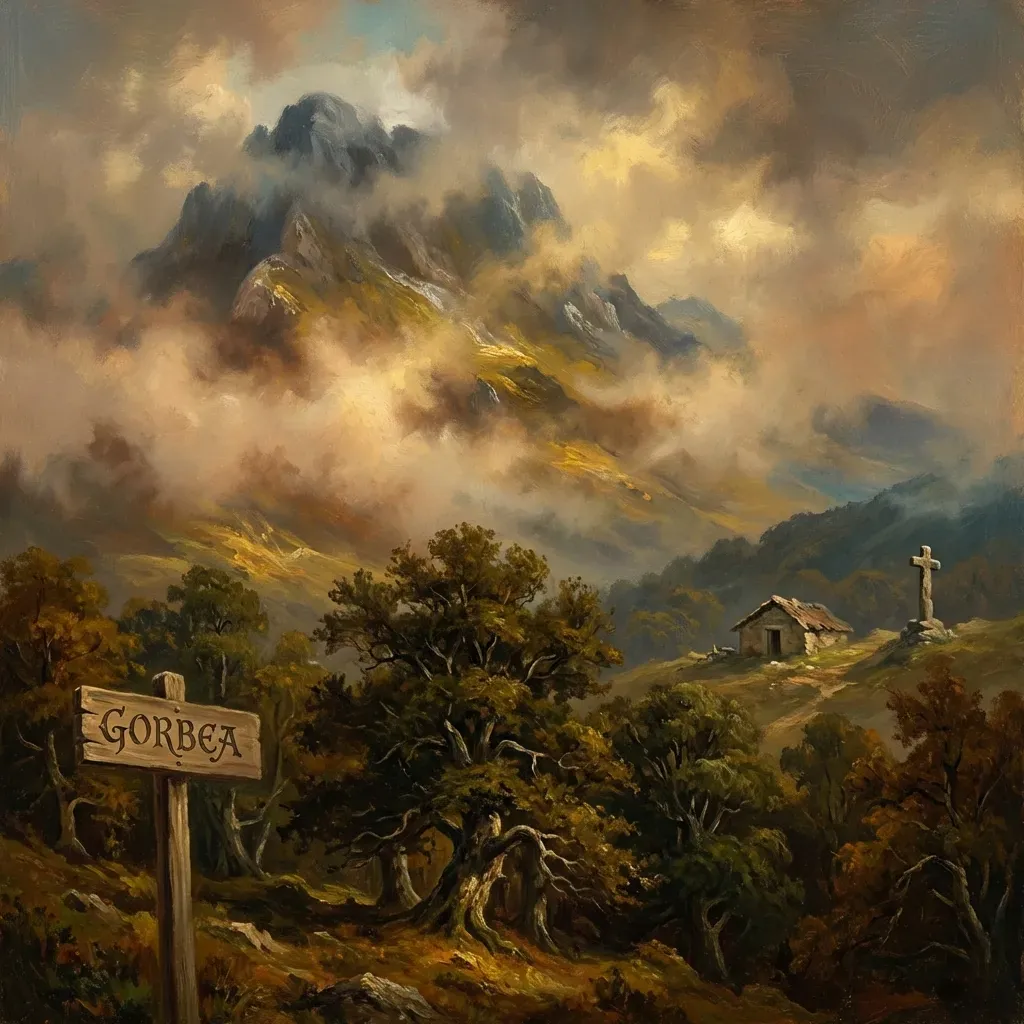
The domestic space where maternal love lingers beyond death.
This legend is remarkable for the tenderness it brings to the world of the dead. The returning figure is not an avenger or restless soul, but a mother whose care outlives the boundary of death.
That shifts the emotional tone of the afterlife. Fear gives way to compassion, and haunting becomes a final act of protection rather than punishment.
The link to Amalur strengthens the sense of cyclical return. Death leads downward into the mother earth, but not before the ties of love have been gently loosened.
The tale endures because it offers one of the most intimate myths of mourning: separation is real, but it may require a final gesture of care before it can become complete.