The summits of the Basque Country
Where Ortzi once reigned before being overshadowed by later powers.
? How Ortzi was eclipsed by Mari and Sugaar ?
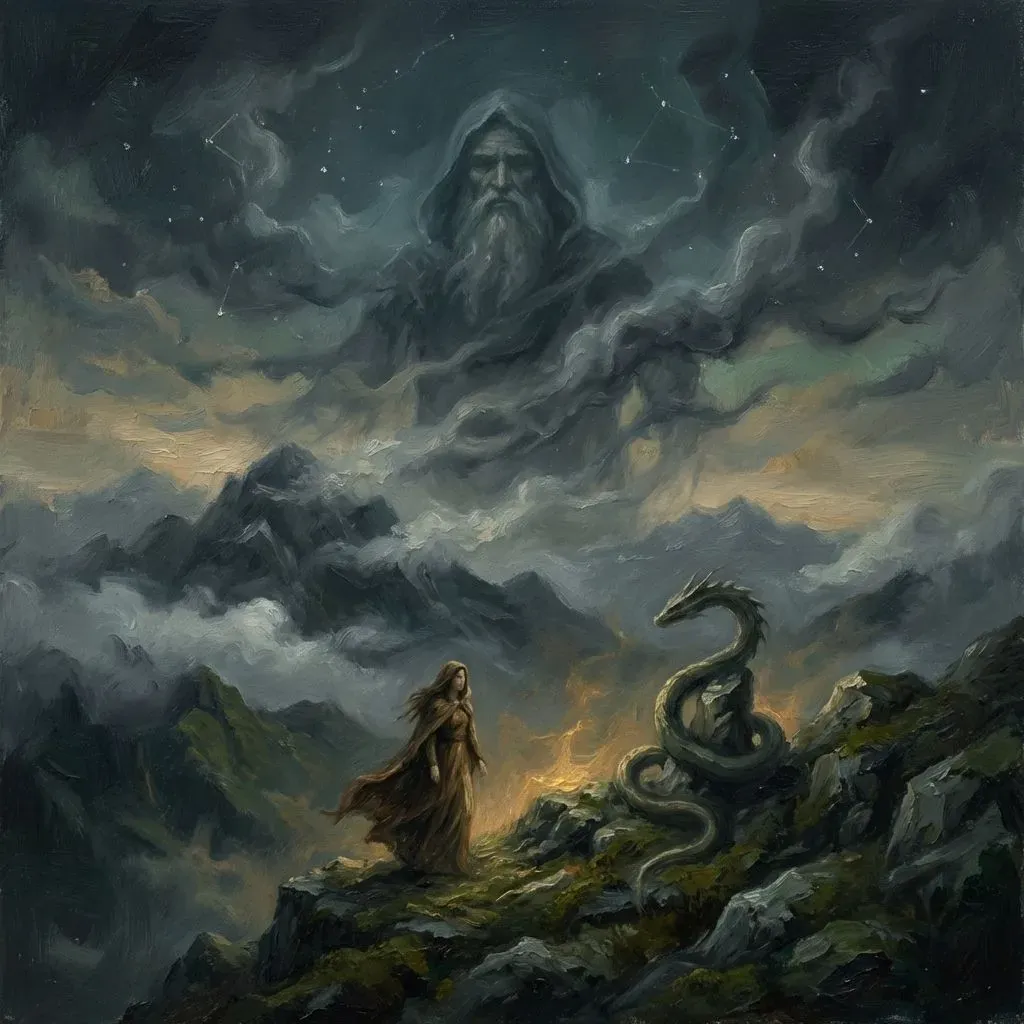
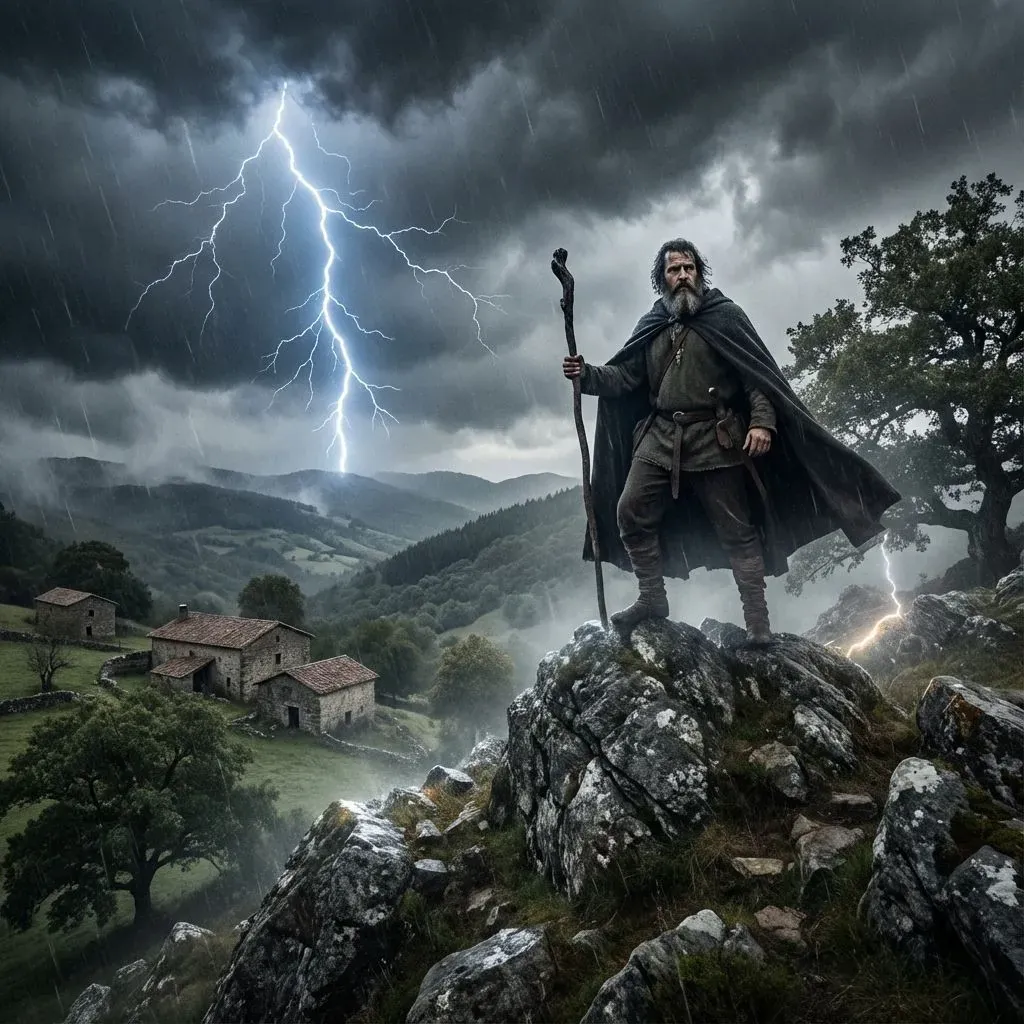
There was a time, the elders say, when Ortzi was the unquestioned lord of the Basque pantheon. His voice thundered over the mountains, his gaze lit the sky with lightning, and his name was spoken with reverence. But something changed over the course of the centuries.
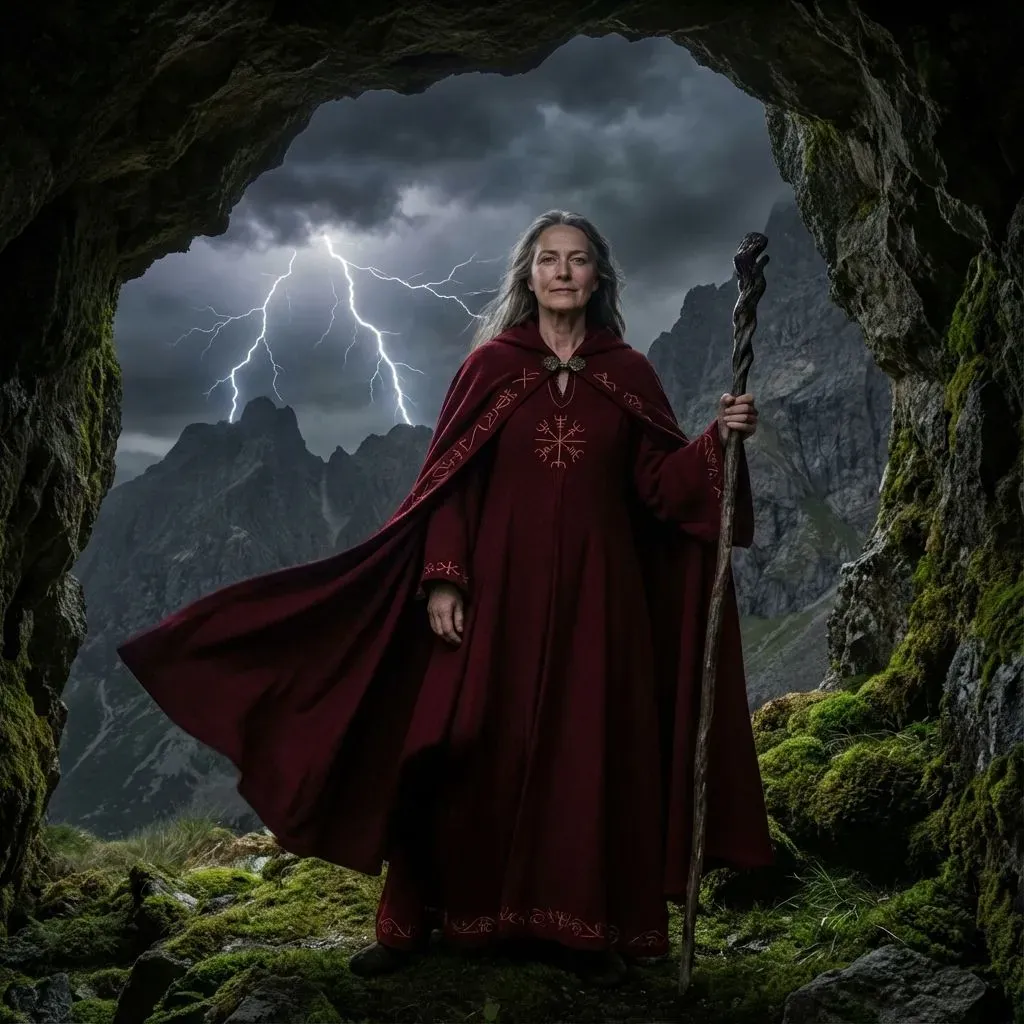
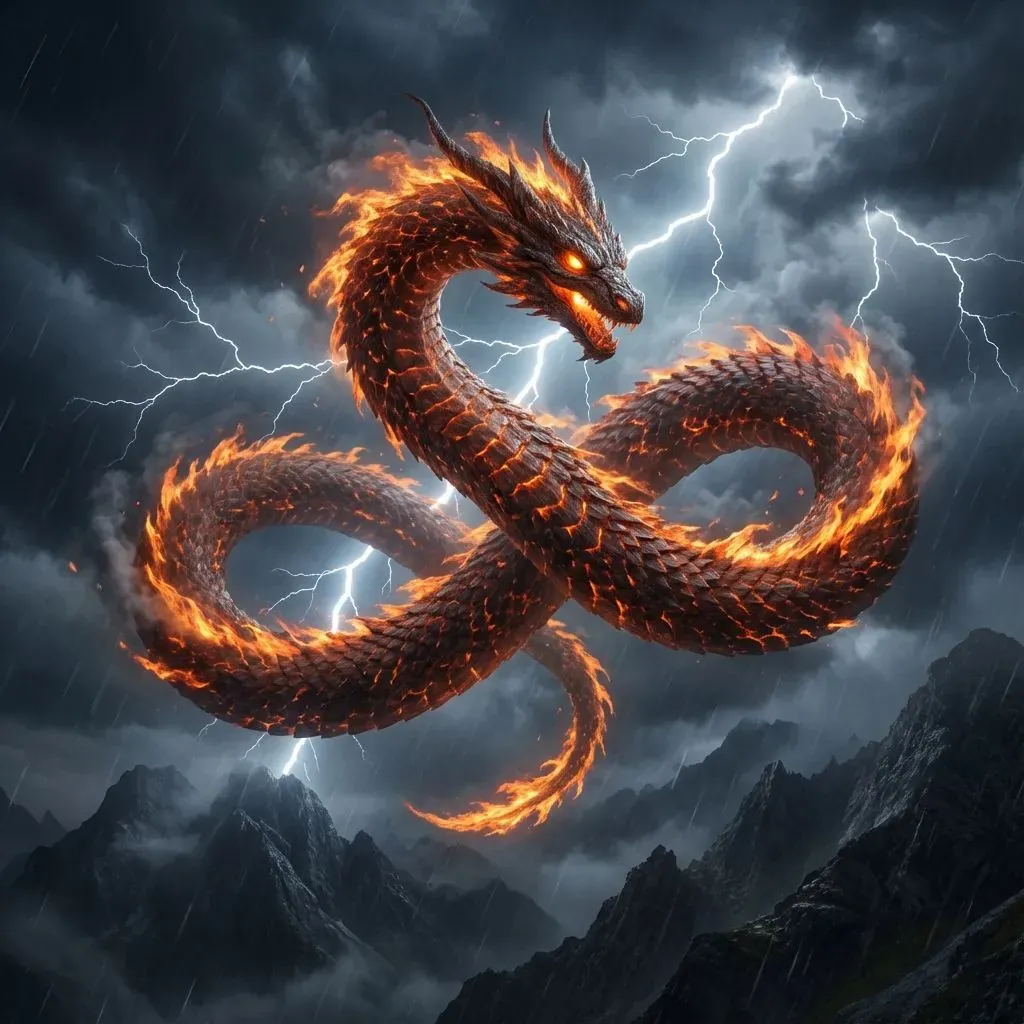
Little by little, other divinities gained prominence. Mari, the lady of the caves, became the central goddess, governing weather and justice. Sugaar, the fire-serpent, took on dominion over storms. The powers once attributed to Ortzi were absorbed by these newer figures.
Why was Ortzi forgotten? Some scholars believe that the feminization of the Basque pantheon?with Mari as its central presence?reflects a cultural evolution. Others think that Sugaar, with his simultaneous chthonic and celestial nature, offered a more complete image of atmospheric power.
Yet Ortzi never vanished entirely. His name survives in Friday, in the rainbow, and in the very word for the heavens. He is a god who, though forgotten, remains present in every word Basques speak when they look toward the sky.
Where Ortzi once reigned before being overshadowed by later powers.
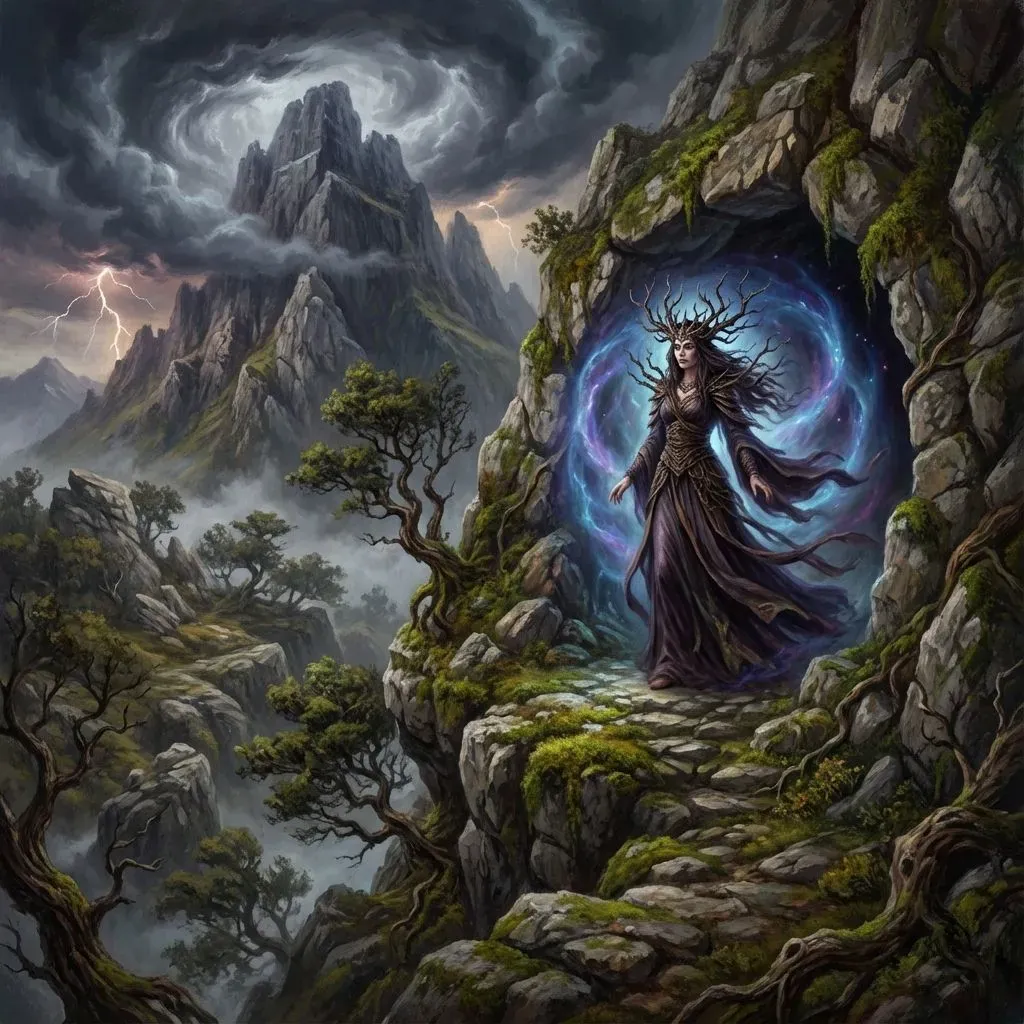
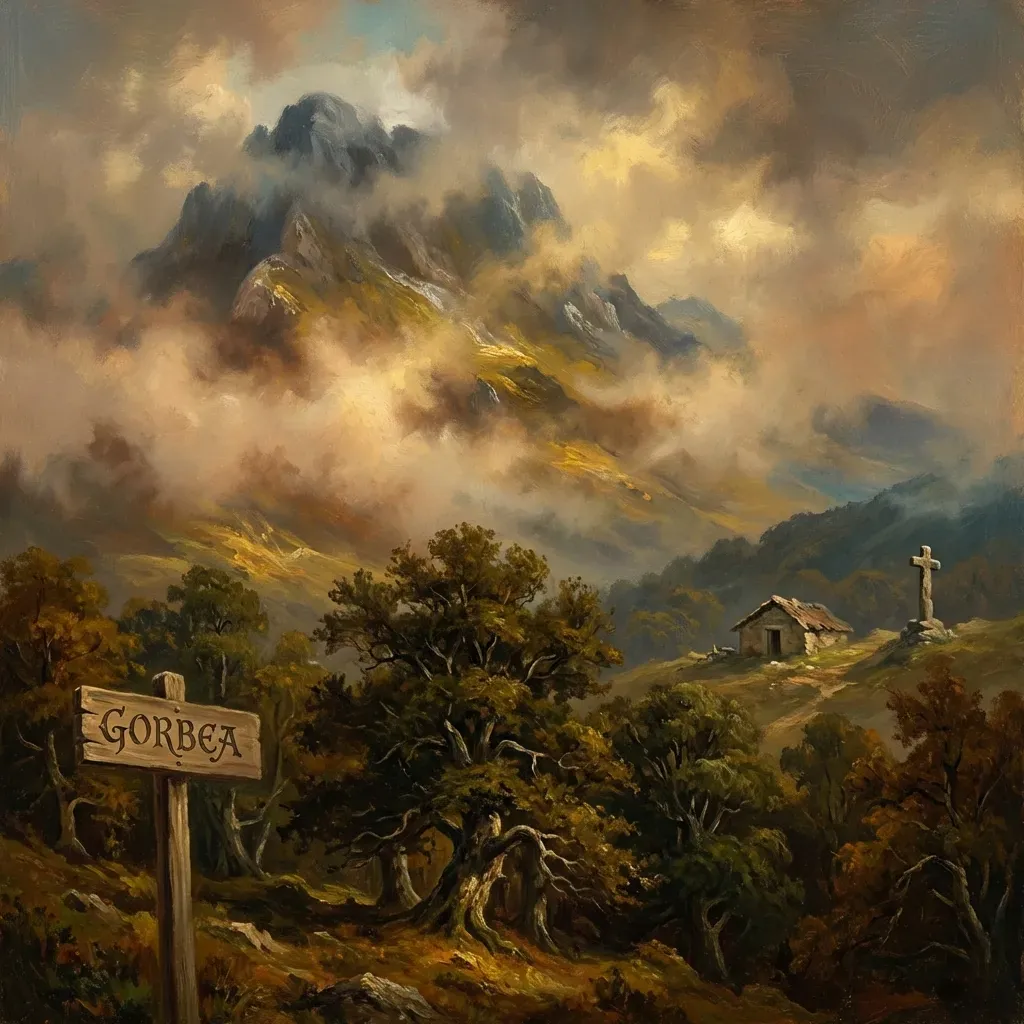
Now domains of Mari, perhaps once imagined under Ortzi's rule.
The figure of Ortzi is one of the most revealing examples of how a god can disappear from the center of worship without disappearing from culture. His cult may have dimmed, but his traces remain scattered across language, memory, and inherited cosmological patterns.
That is why the legend of the forgotten god is not really about total loss. It is about displacement, absorption, and survival in altered form. Mari and Sugaar do not erase Ortzi completely; they inherit and redistribute parts of his former domain.
Language is what keeps his memory alive most powerfully. When divine presence survives inside everyday words, forgetting becomes incomplete. The old god is no longer worshipped as before, but he still inhabits speech.
The story endures because it captures how religions change: not by simple replacement, but by layered succession, where older powers remain hidden within the forms that come after them.