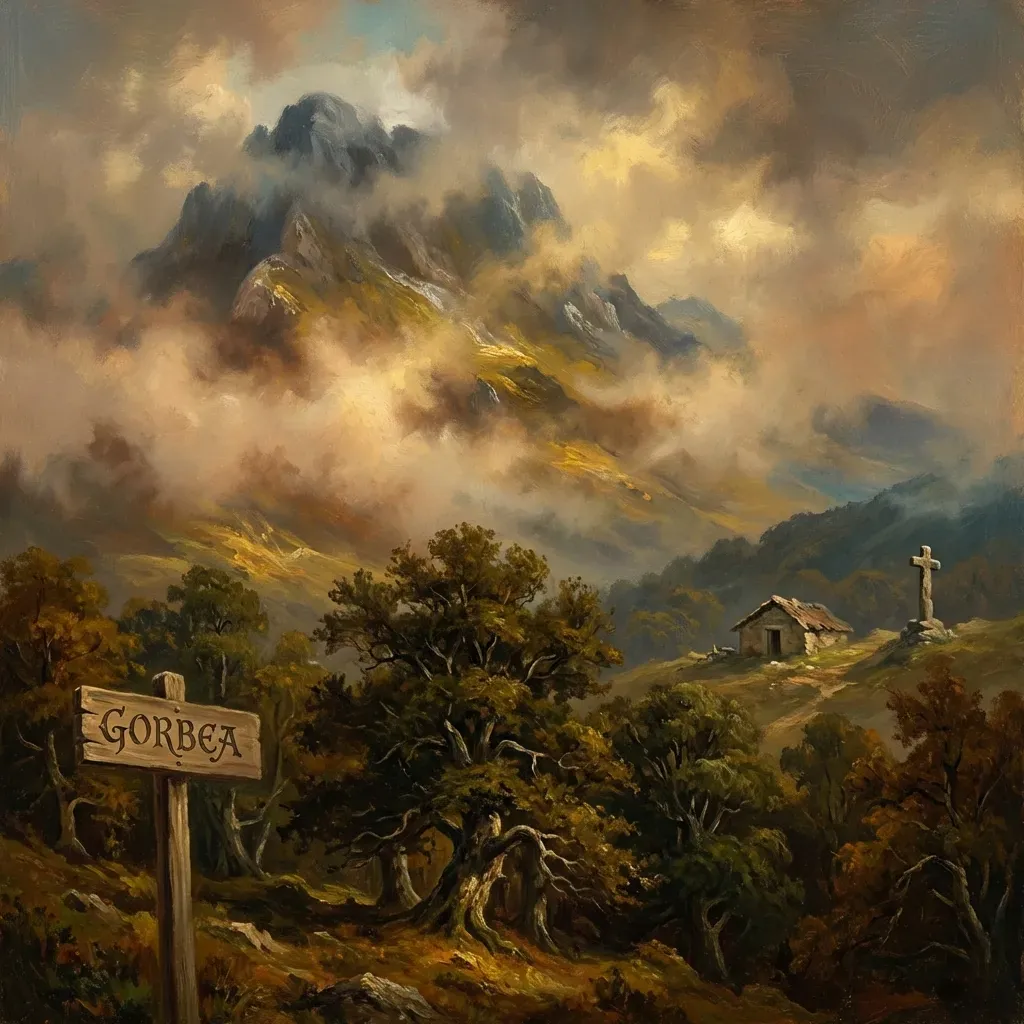
The mountain peaks of the Basque Country
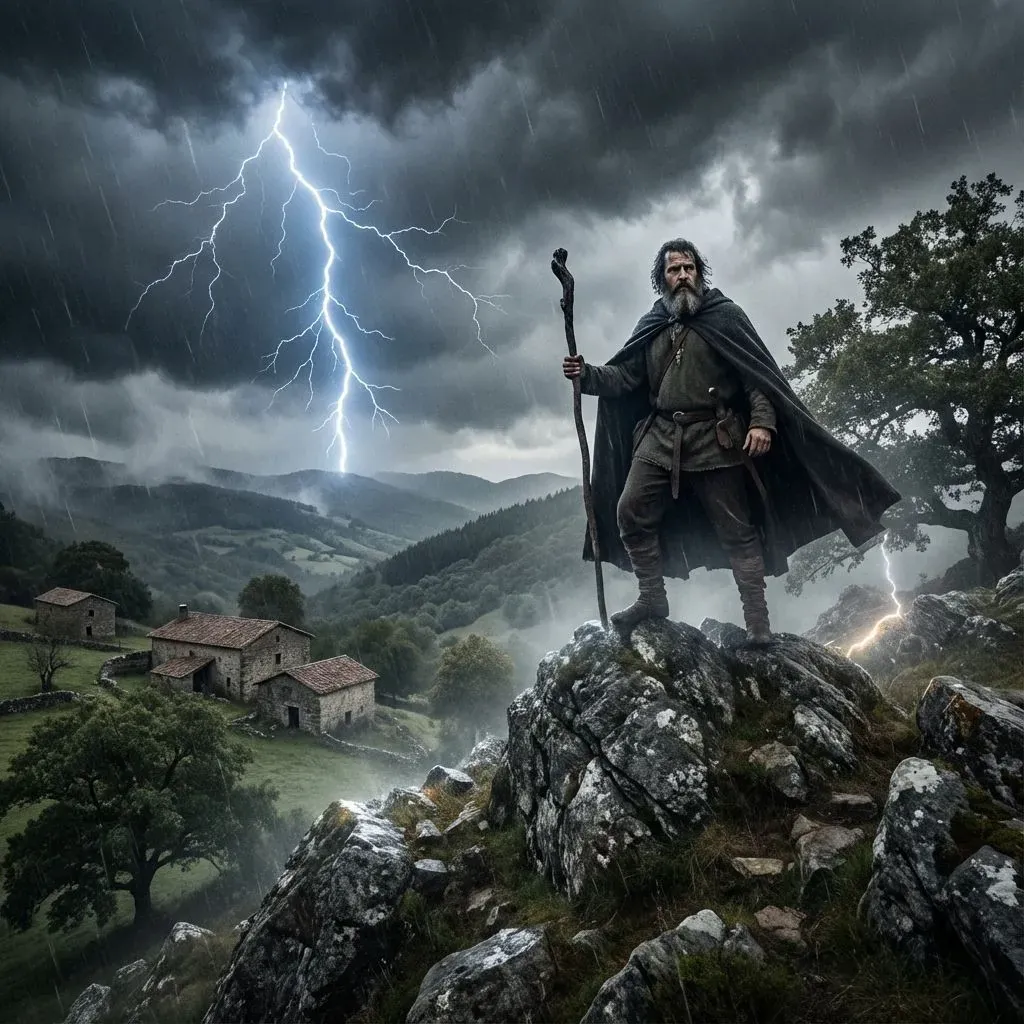
Where Ortzi revealed his power through thunder and lightning.
? Ostirala: the day consecrated to the god of the sky ?

Friday, Ostirala in Basque, still preserves in its name the memory of an ancient god nearly forgotten. The word comes from Ortzi (sky, firmament) and eguna (day): the day of the sky, the day of Ortzi.
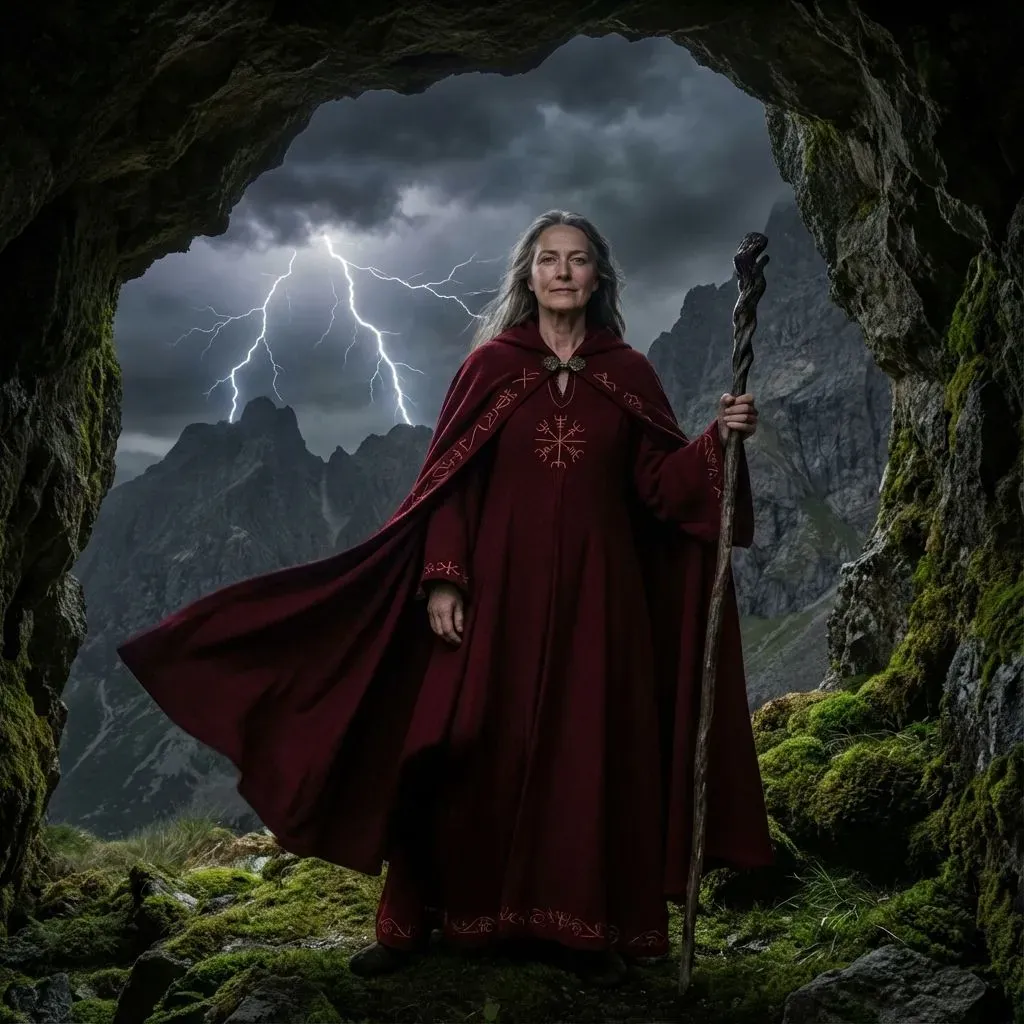
In distant times, before Mari and Sugaar dominated the Basque pantheon, Ortzi was revered as the supreme god of the firmament. His voice was thunder, his gaze the lightning, his breath the winds that crossed the valleys. Friday was his sacred day, when offerings and special reverence were devoted to him.
Although the worship of Ortzi faded over time?absorbed by other divinities or by Christianity?his name remained engraved in the calendar. Every Friday, Basques unknowingly pronounce the name of this ancient god when they name the day of the week.
Some folklorists believe that certain prohibitions associated with Friday?not doing certain tasks, respecting certain taboos?are echoes of that ancient cult. Friday was a day of heavenly power, and it had to be treated with reverence.
Where Ortzi revealed his power through thunder and lightning.
Where the echo of thunder?the voice of Ortziresounded.
In Basque popular tradition, and especially in more isolated rural areas, Friday carried a double symbolic burden that mixed Christian inheritance with much older restrictions related to the activity of certain beings and forces of local folklore. It was a day that required particular attention in both systems.
According to some regional traditions, the lamiak were especially active on Fridays. They were more likely to be seen combing their hair by the rivers on that day, and Friday encounters with them were believed to be more intense and to have longer consequences than those on any other day of the week.
Actions that were entirely neutral on other days could acquire a different charge on Friday. Hammering a new nail into the farmhouse wall, beginning a weaving from scratch, or doing certain field tasks were things many older women refused to do on a Friday, even if they could not explain exactly why.
The sacred Friday of Basque popular tradition is one of those moments when time becomes qualitatively different, when an action that seems harmless on a Monday gains on Friday a resonance that makes it potentially troublesome. This temporal sensitivity is a way of inhabiting the world with more texture and attention than modernity usually allows.