Fields of Etxarri
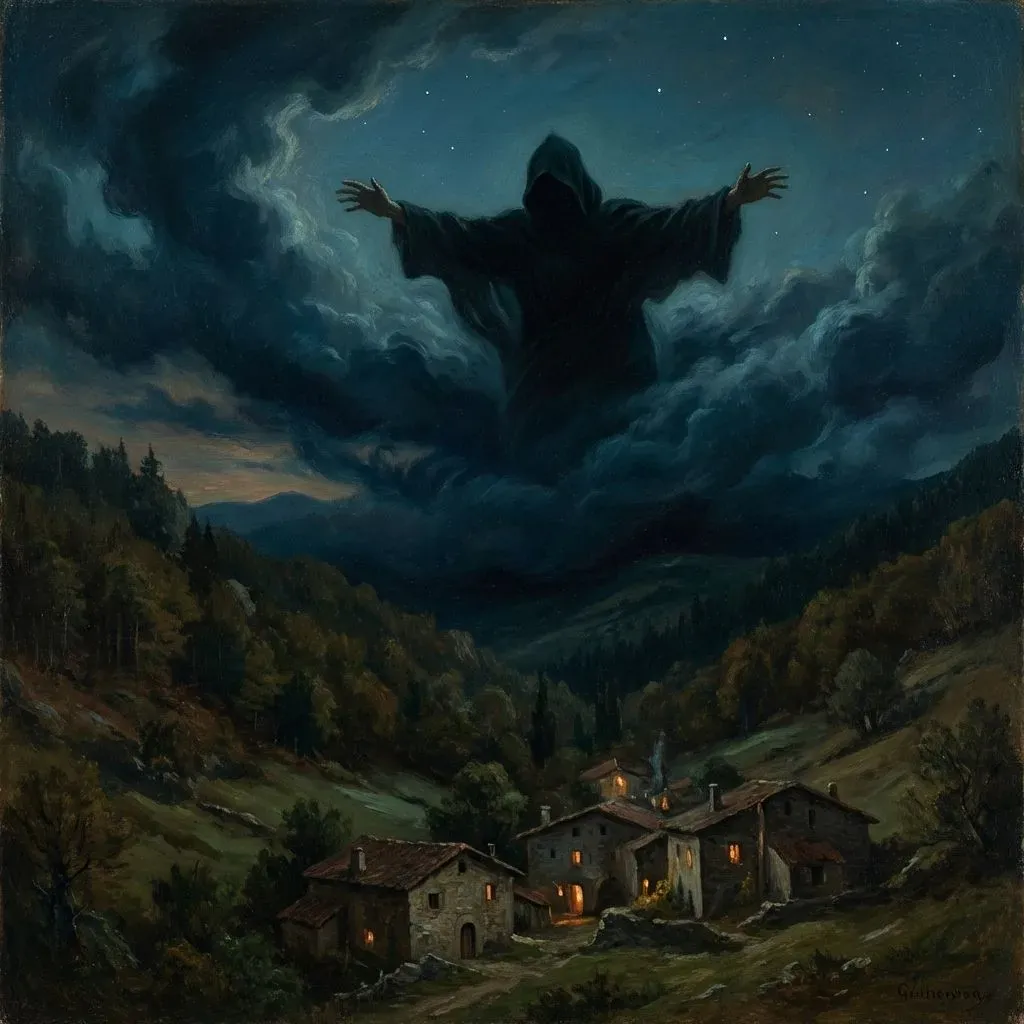
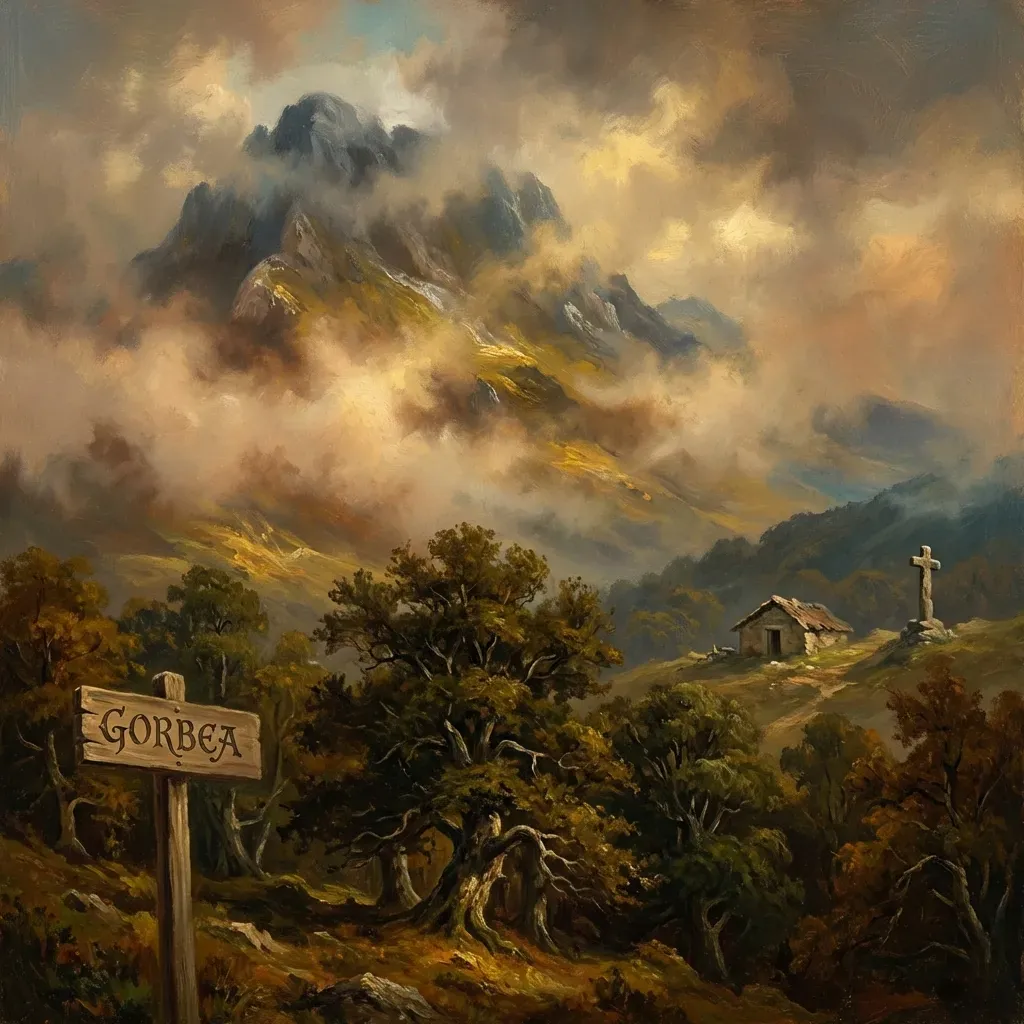
Cultivated land where the punished laborer learned that wrong timing voids effort.
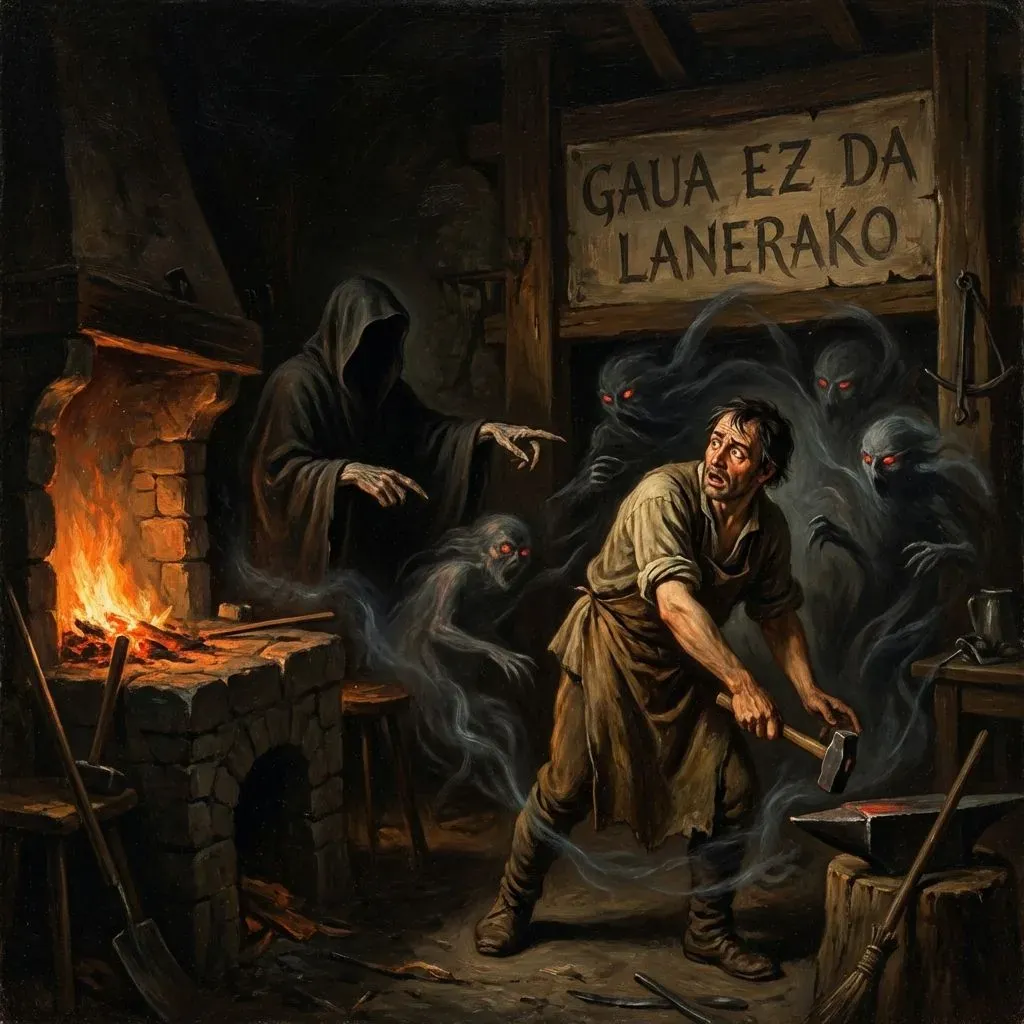
He who violated sacred rest was condemned never to stop
In Basque agrarian ethics, feast days and sacred rest were not optional concessions to idleness. They were necessary pauses recognized by both religious and older mythic orders of the land.
The punished worker ignores those limits and insists on sowing or laboring when time itself demands stillness. The field answers by refusing to yield real progress, as if the earth rejects work imposed against its rightful rhythm.
The legend is not only moral but practical. Rest protects the soil, the worker, and the social order that depends on seasonal balance rather than endless effort.
For that reason, the worker's punishment is symbolic and profound: he learns that time is not conquered by labor alone. Some hours must be left unburdened.
Cultivated land where the punished laborer learned that wrong timing voids effort.

Marked times in the calendar when work was believed to violate the order of the land.
This legend transforms a social rule into a mythic lesson. Rest is not mere absence of work, but an active part of the order that keeps land, body, and community alive.
The punished worker reveals the danger of a false ethic of endless productivity. Effort without rhythm does not multiply abundance; it destroys proportion.
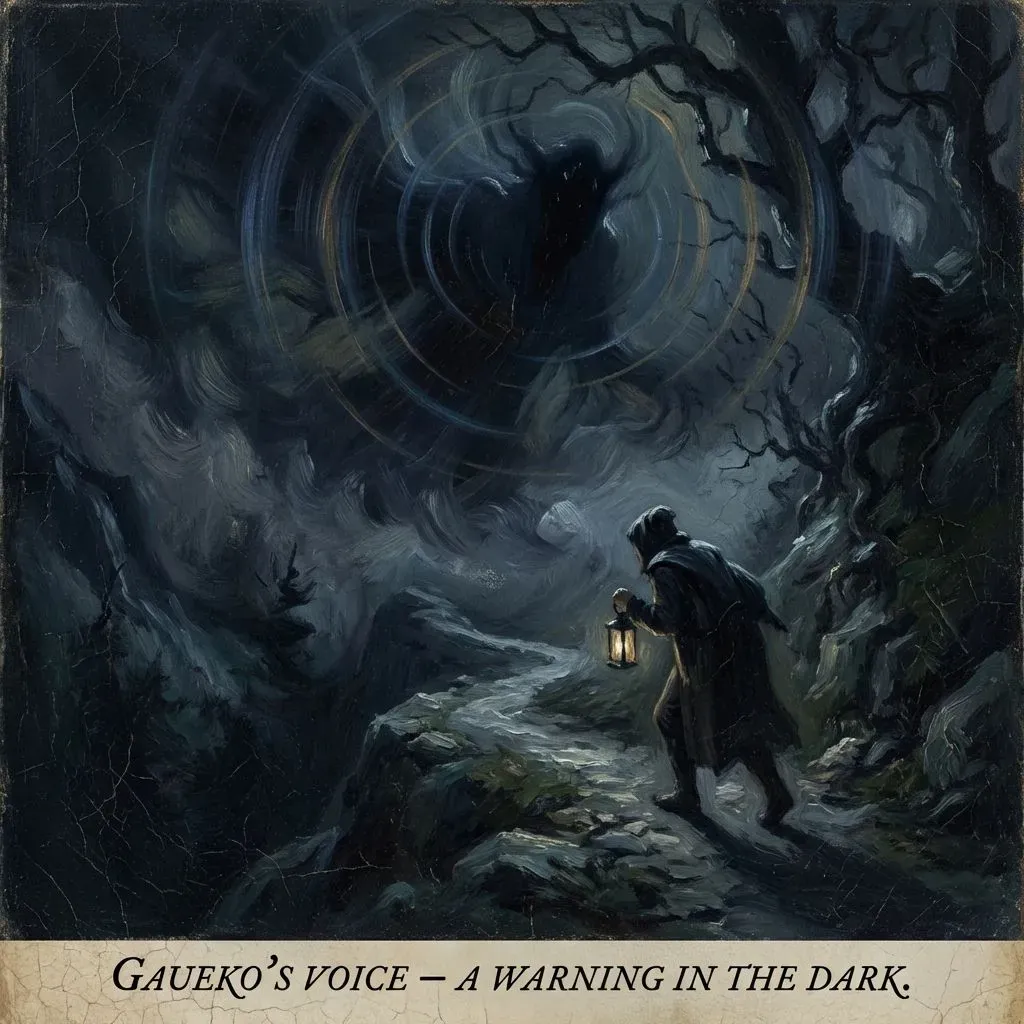
By linking the transgression to Gaueko and forbidden time, the story also emphasizes that some limits are temporal rather than spatial. The wrong hour can be as dangerous as the wrong place.
The tale endures because it gives sacred force to a practical truth: survival depends not only on labor, but on knowing when to stop.