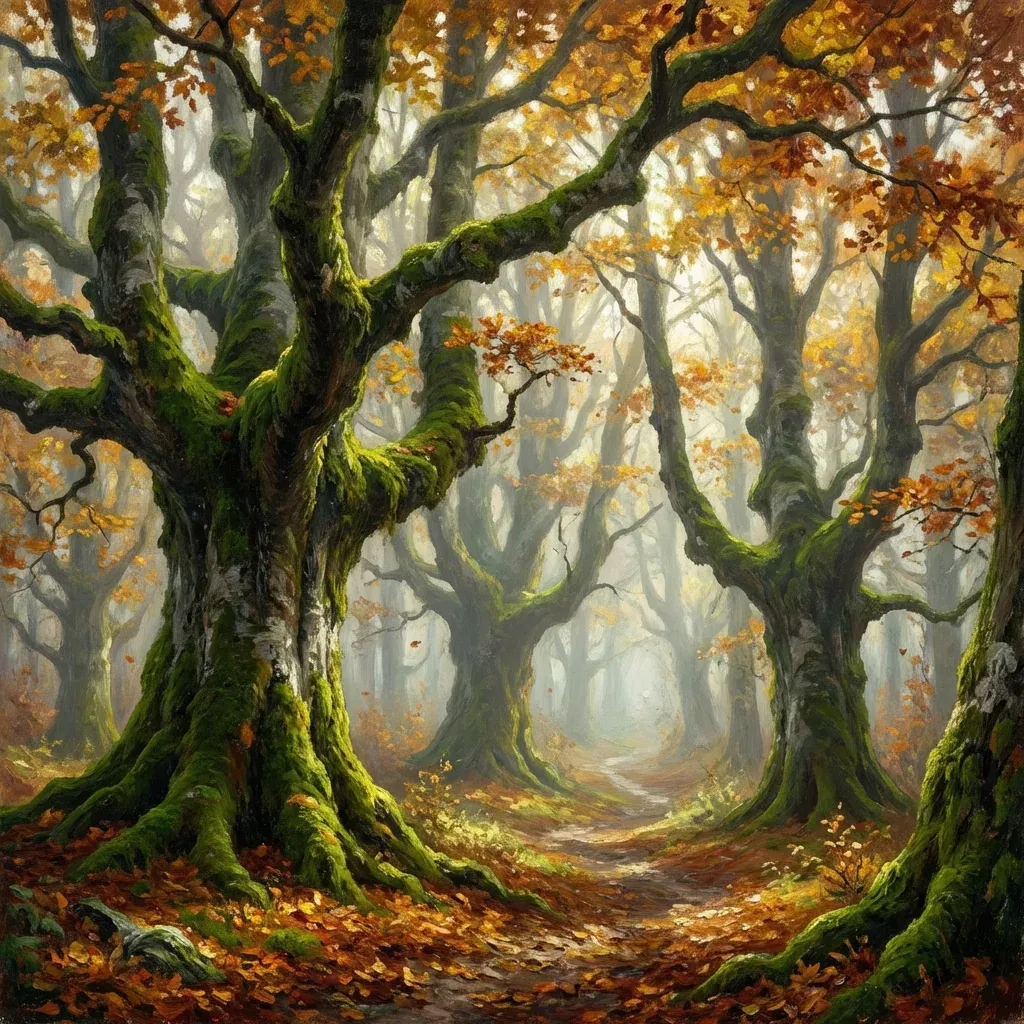
Night roads
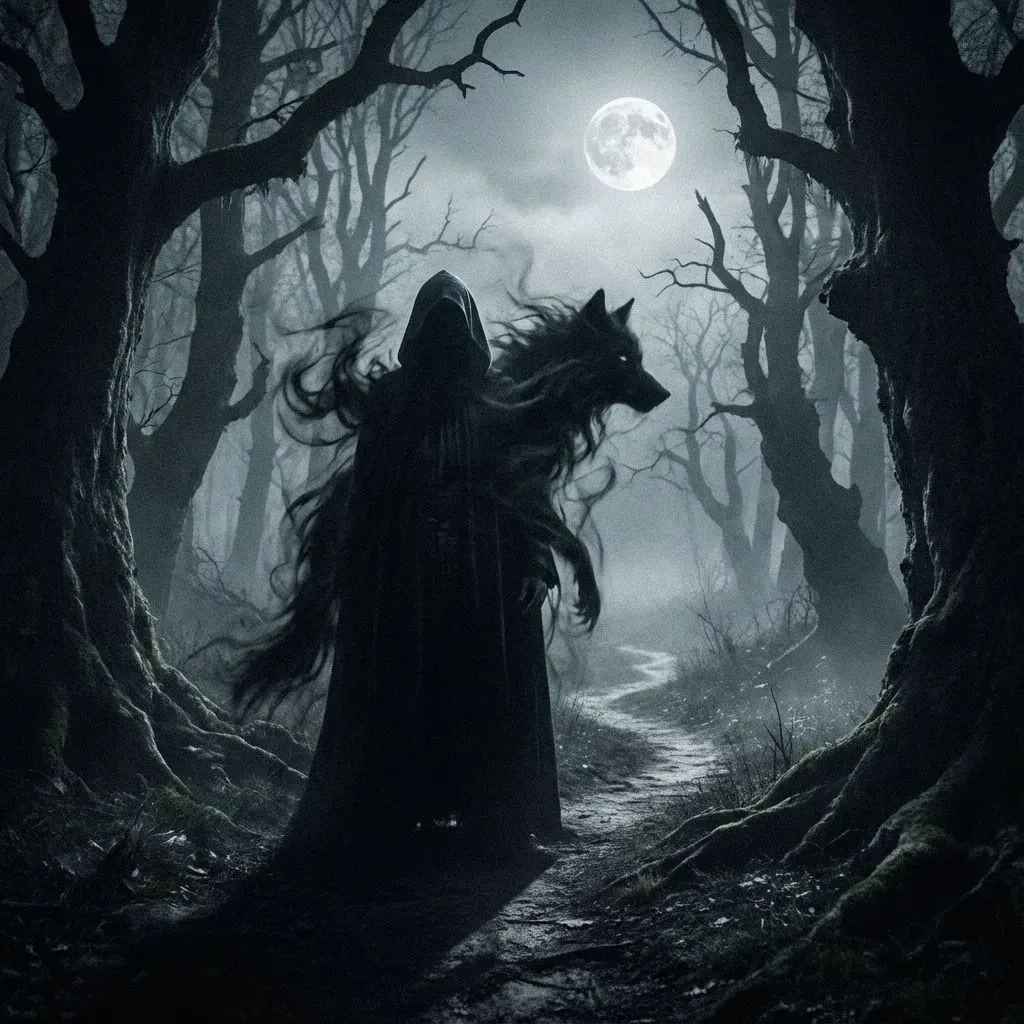
Routes where Gaueko's law was believed to prevail after dark.
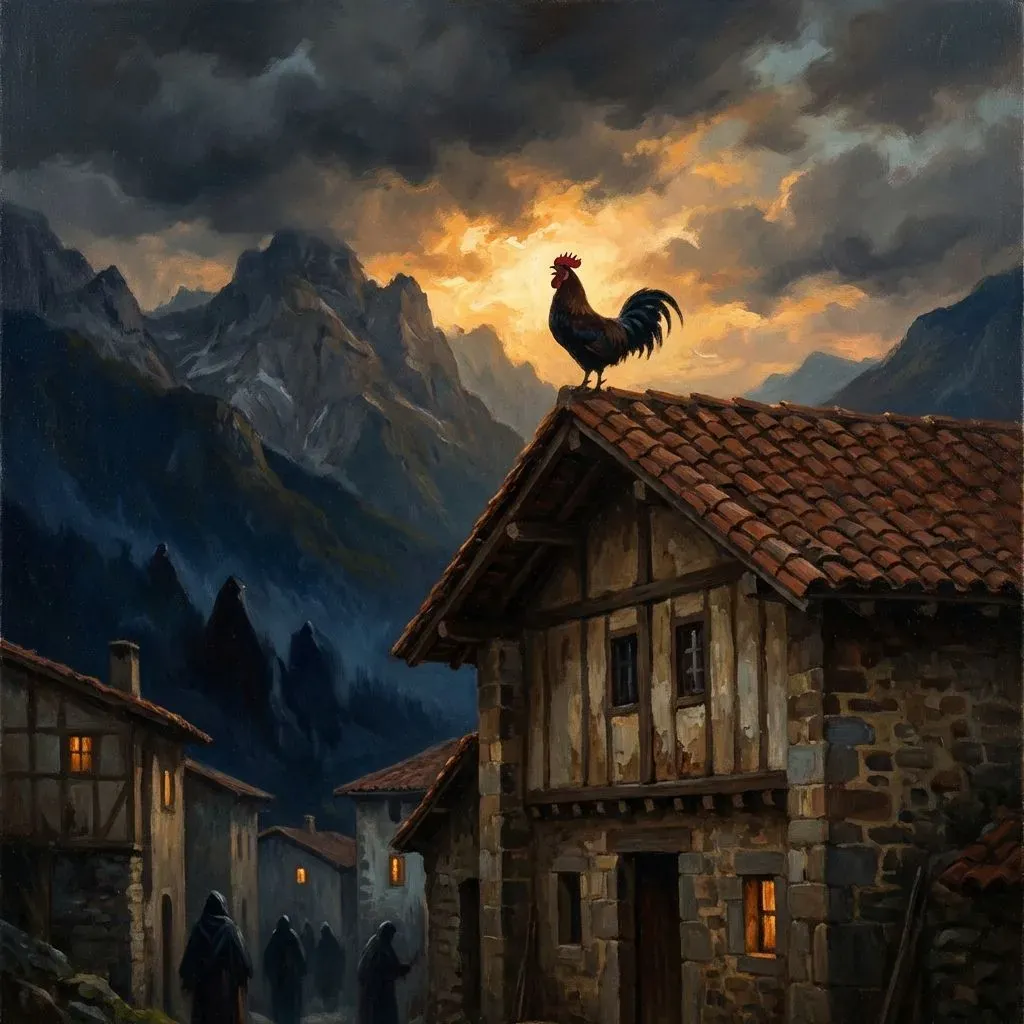
The lord of shadows who rules from dusk until dawn
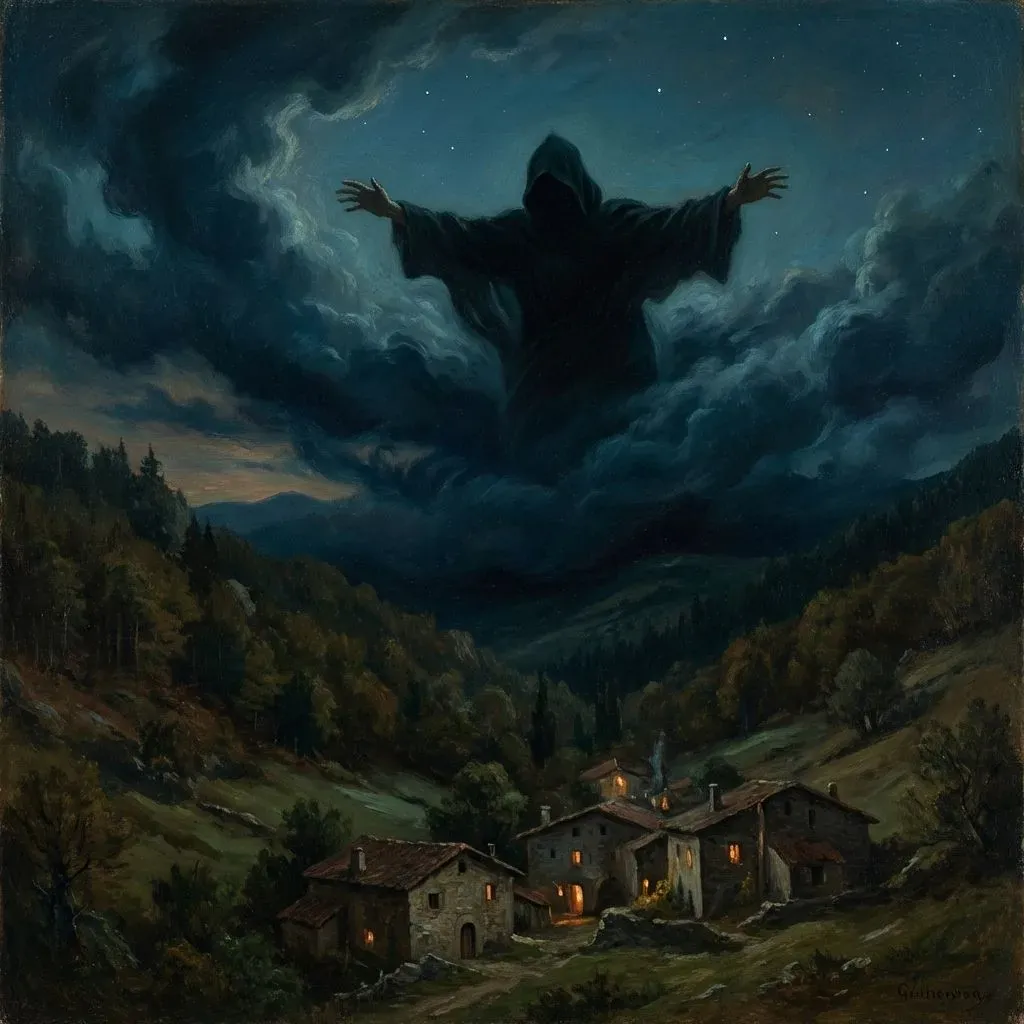
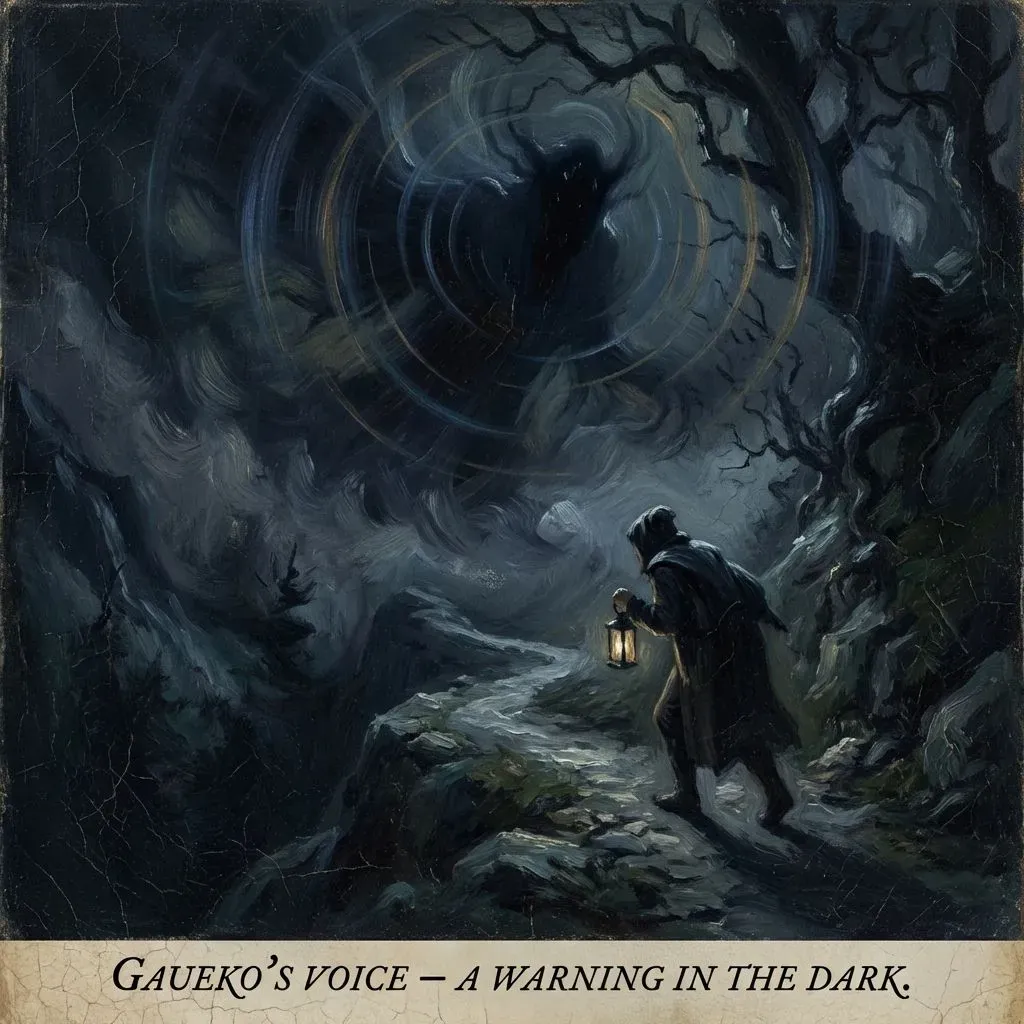
In traditional Basque thought, night was not merely the absence of daylight but a territory ruled by its own powers and laws. Gaueko, lord of the night, was not evil in a simple sense; he was the guardian of a realm that humans were not meant to invade lightly.
The rule was clear and severe: what belongs to the night must remain in the night. Whoever wandered without necessity after dark entered a domain governed by another order and risked the consequences of that intrusion.
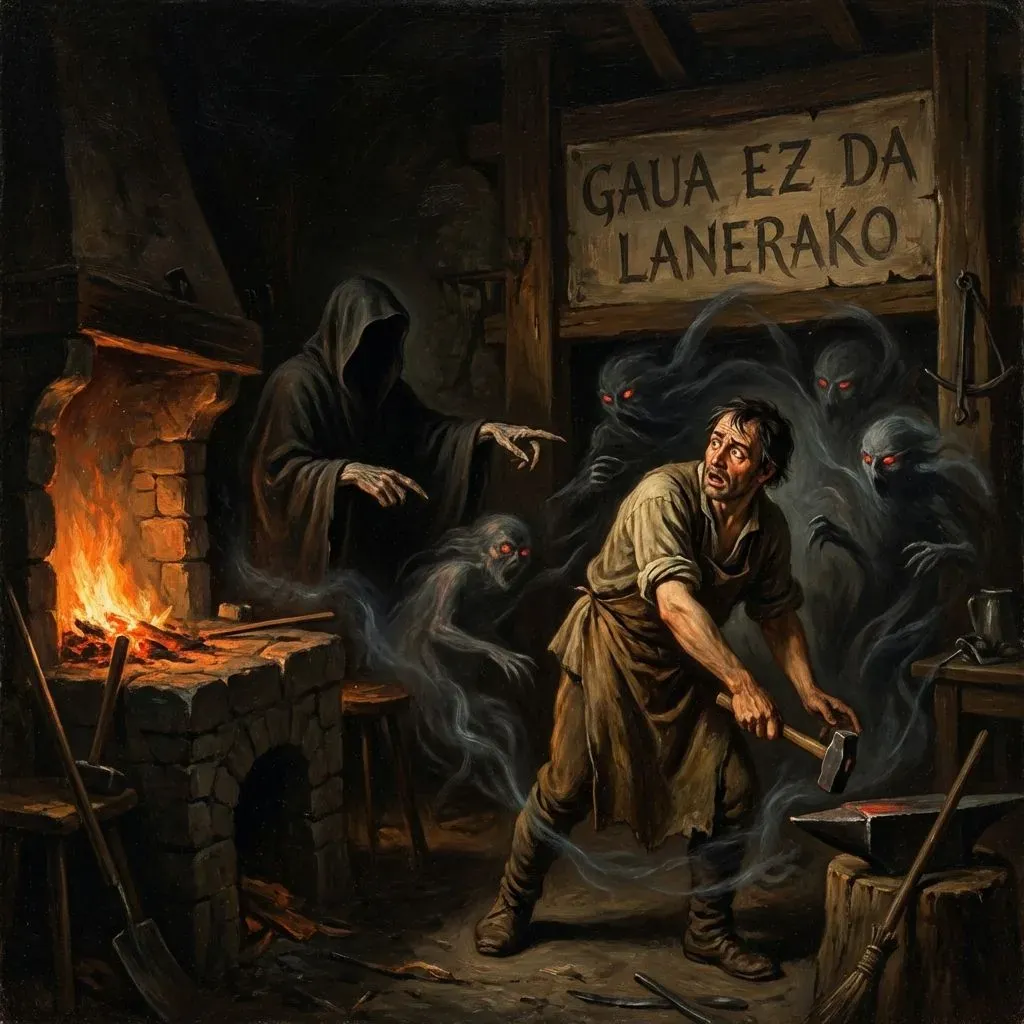
As long as the fire burned in the farmhouse hearth, Gaueko's authority stopped at the threshold. Domestic light did more than warm bodies; it drew a visible line that nocturnal beings were expected to respect.
This legend turns darkness into a moral landscape. The home becomes refuge, while the road beyond it becomes a test of limits, obedience, and humility before the unseen world.
Routes where Gaueko's law was believed to prevail after dark.
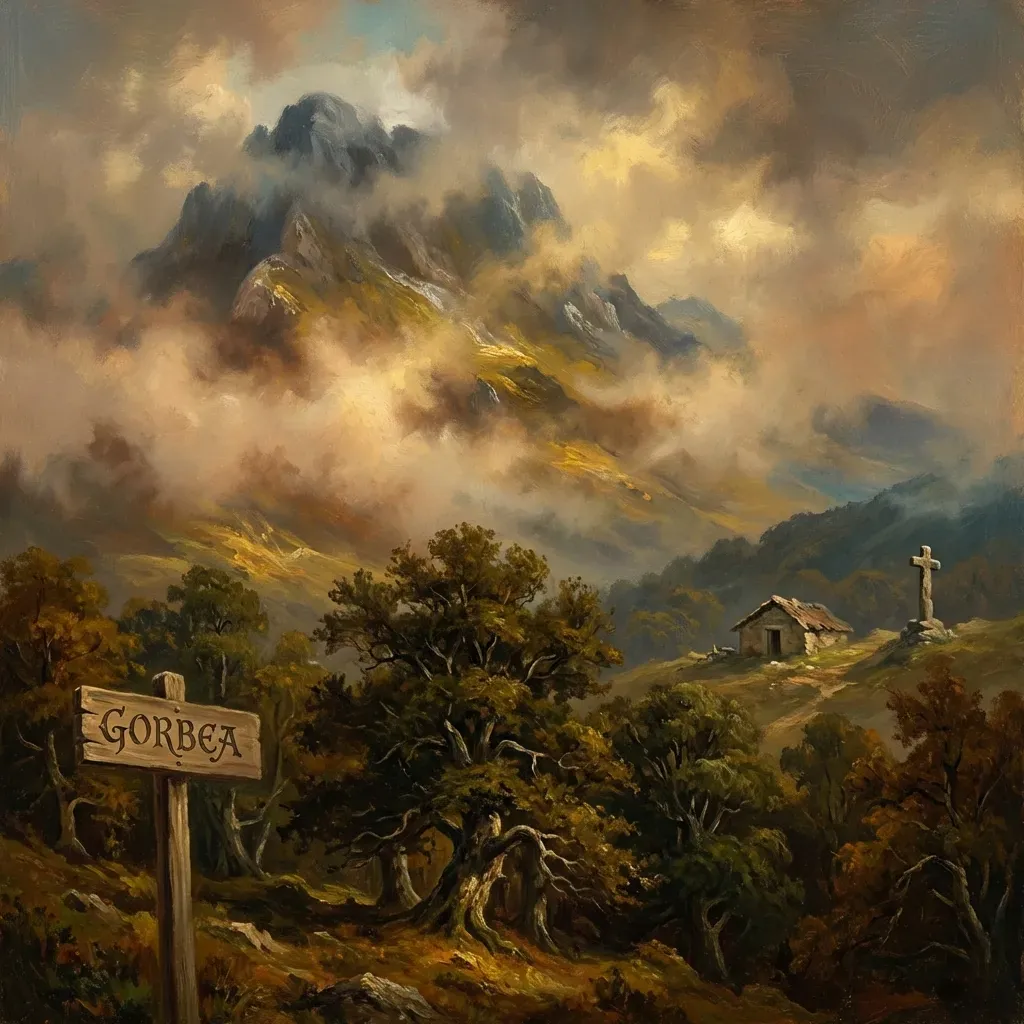
Boundaries protected by domestic fire against nocturnal beings.
This legend expresses a fundamental principle of Basque cosmology: night is not empty time, but a domain with its own sovereignty. Gaueko does not merely inhabit darkness; he enforces its limits.
That makes the story more than a warning against fear. It is a lesson in order. Human beings are reminded that not every hour and not every space belong equally to them.
The hearth becomes crucial because it symbolizes a human center of warmth, law, and continuity. So long as the fire endures, the household remains under a different protection than the open road.
The tale survives because it gives a clear moral geography to darkness: respect the night, stay within the circle of light when you can, and never assume the world beyond the threshold is empty.