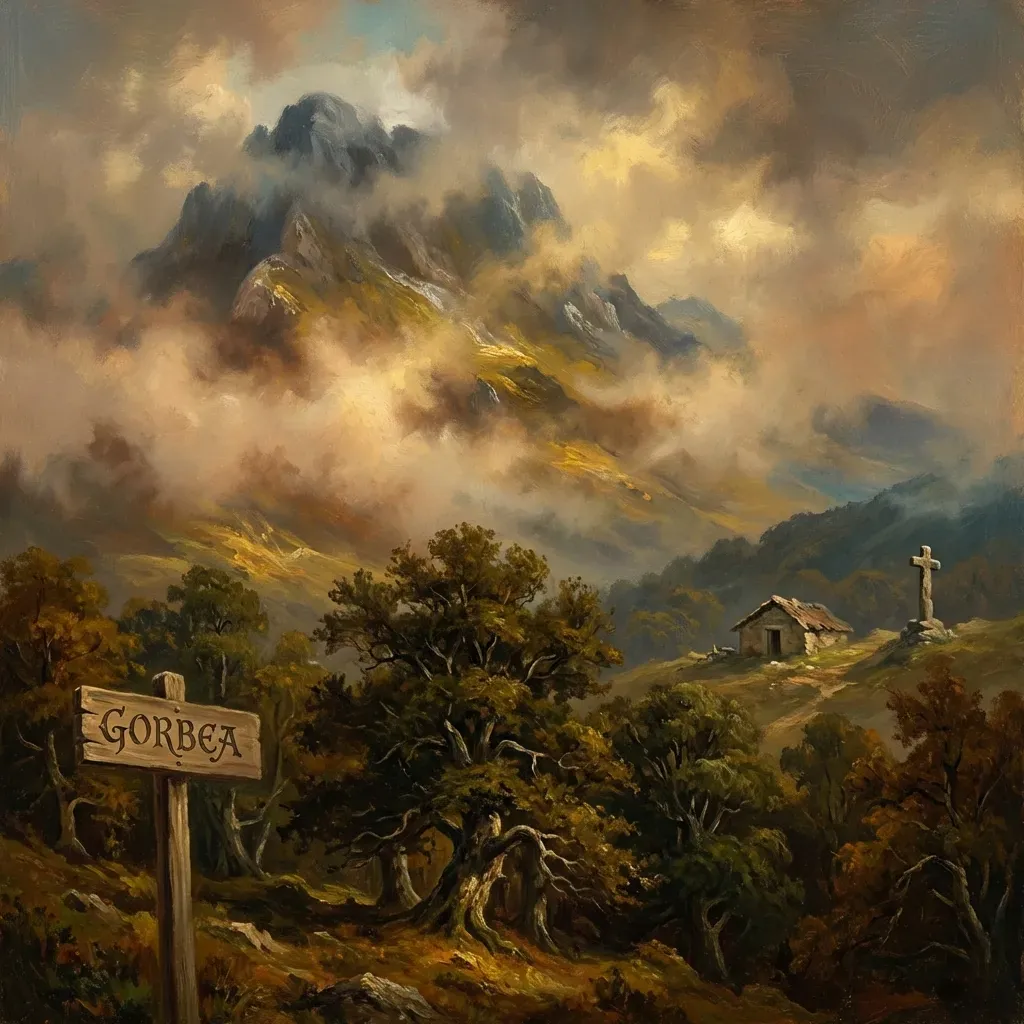
Sanctuary of Arantzazu
The sacred place where the Virgin appeared upon the hawthorn.
You, upon a thornbush?
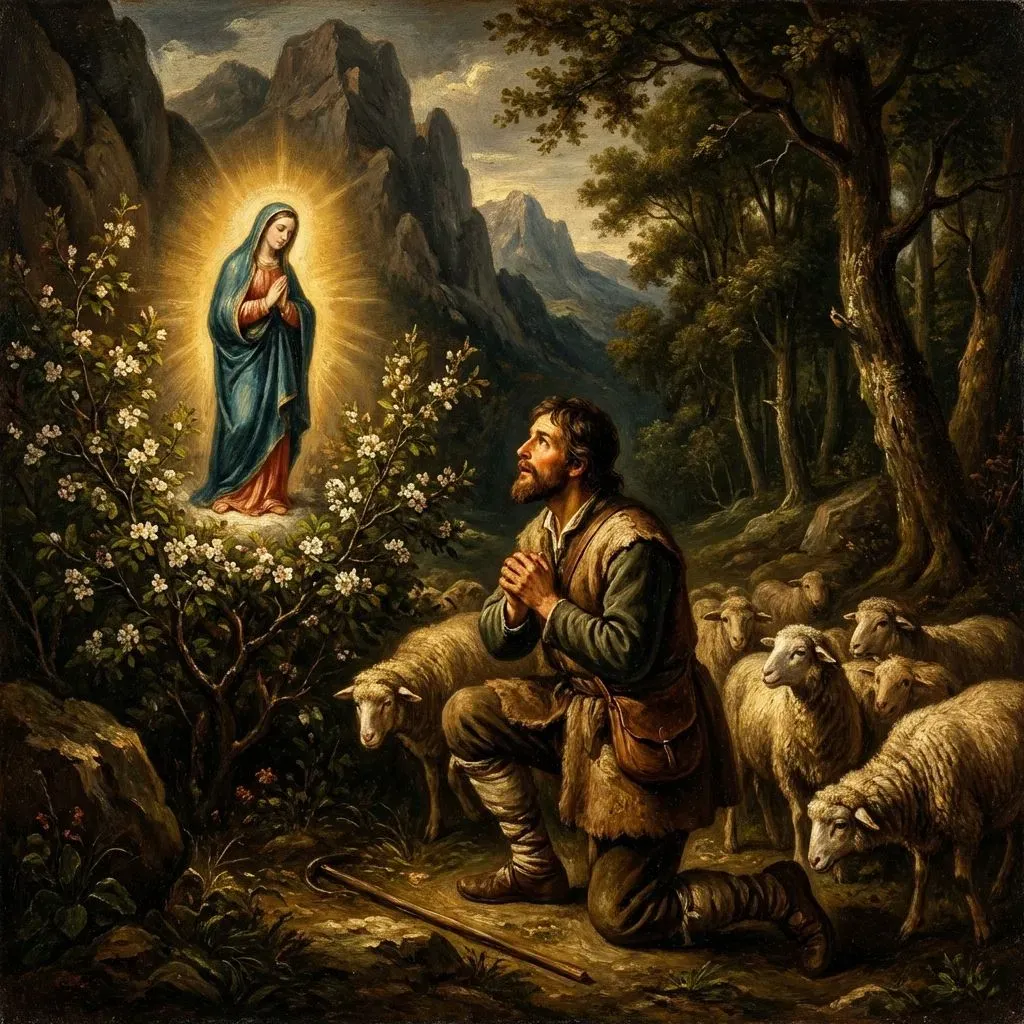
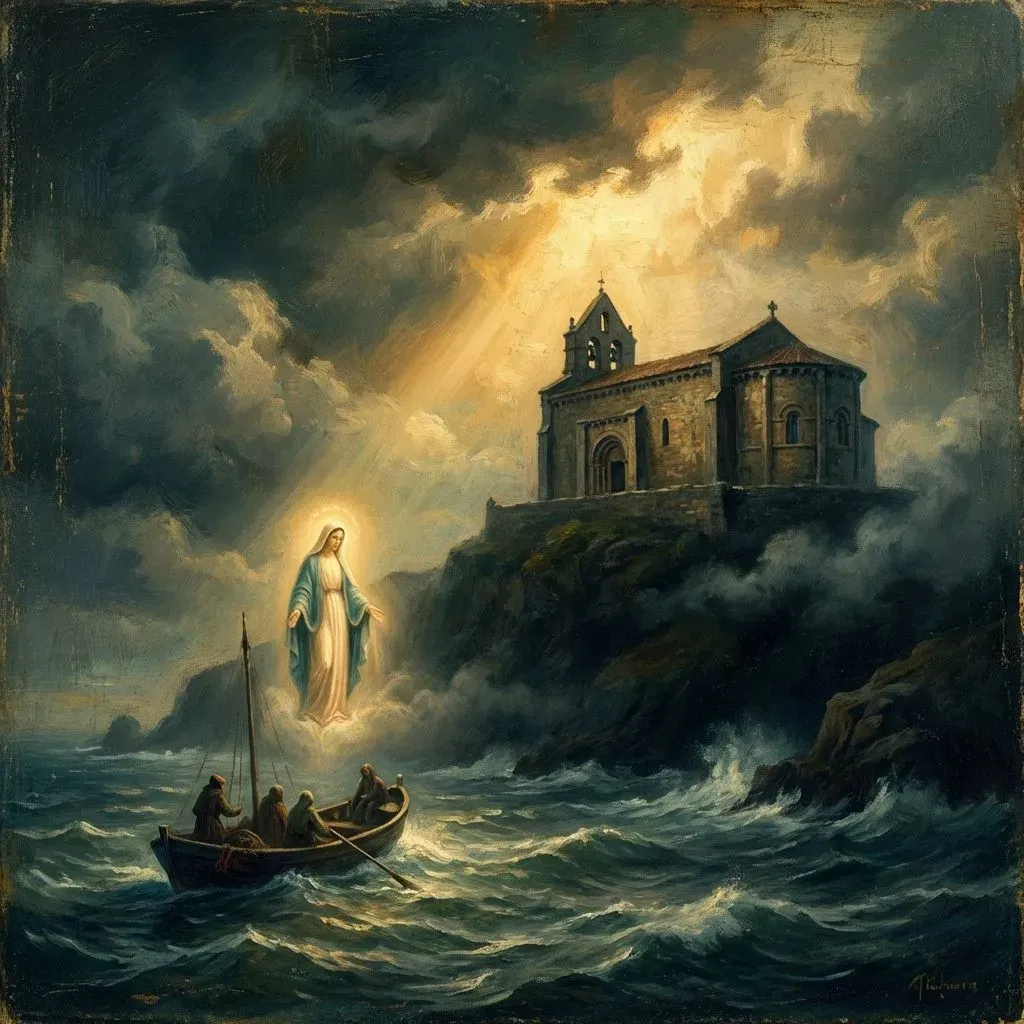
In 1469, a shepherd named Rodrigo de Baltzategi was tending his flock in the mountains of Oñati when the sound of a little bell caught his attention. Following it, he came to a hawthorn bush where, among the sharp branches, he discovered a small image of the Virgin Mary.
The shepherd knelt and exclaimed: Arantzan zu? meaning You, upon a thornbush? That cry gave the place its name: Arantzazu. The Virgin had chosen that wild and solitary place to reveal herself.
News of the discovery spread quickly through the surrounding valleys. Pilgrimages soon began, and a small hermitage rose on the site, later growing into the most important sanctuary in Gipuzkoa.
Since then, Arantzazu has remained a place of devotion and pilgrimage for all the Basque Country. The present sanctuary, with its remarkable modern architecture, still receives thousands of visitors each year, continuing a tradition more than five centuries old.
The legend of Arantzazu is built on a striking contrast: the tenderness of the Virgin appearing in a place of thorns, roughness, and mountain solitude. Grace manifests not in comfort, but in a difficult and wounded landscape.
The shepherd's question is the heart of the myth. It is not a theological argument but a cry of astonishment, and from that astonishment an entire place receives its name and sacred identity.
The story also explains why a remote mountainside became a center of pilgrimage. The sanctuary is not only a building, but the architectural continuation of the original encounter between vision, speech, and place.
That is why Arantzazu remains so powerful in Basque memory. It joins language, landscape, devotion, and art into a single sacred narrative that still feels alive.