Teodosius of Goñi
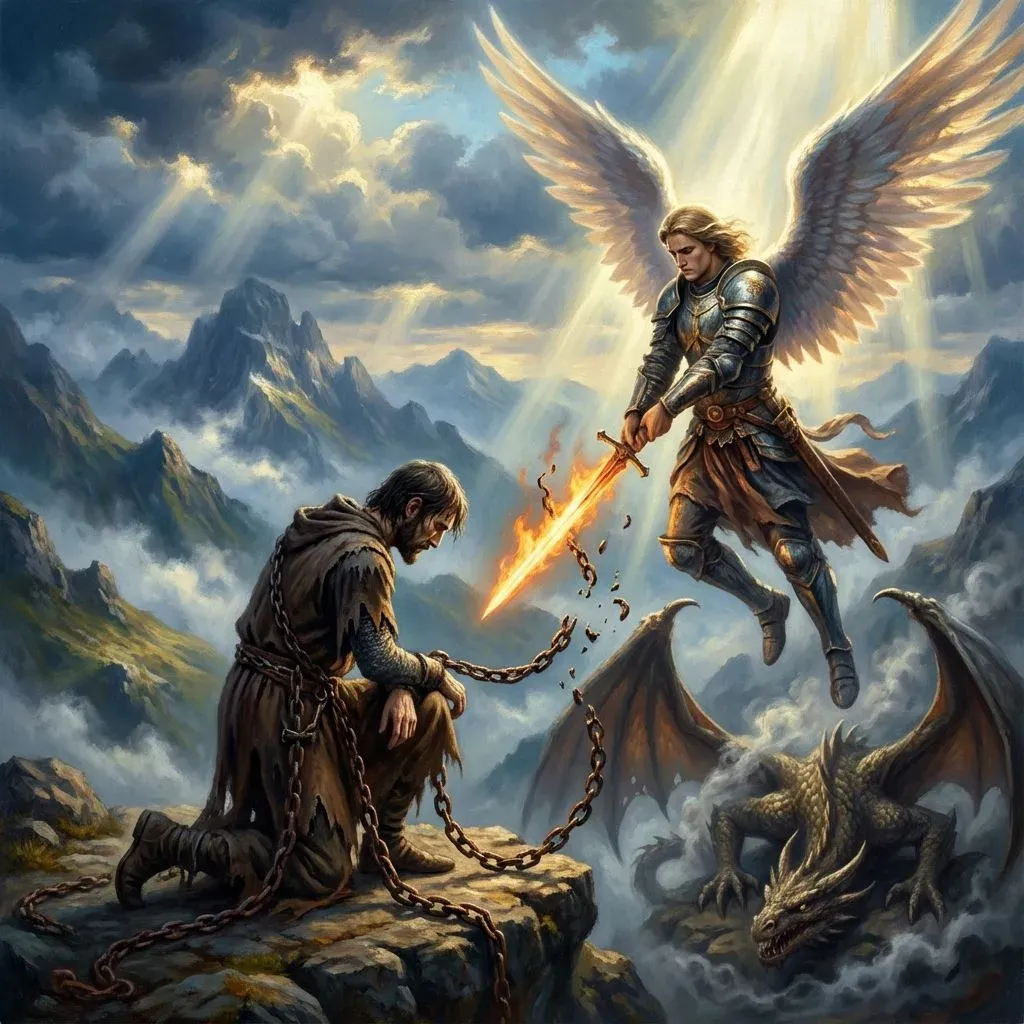
The Navarrese knight who, deceived by the devil, committed parricide and wandered in chains until Saint Michael freed him at Aralar.
— Gipuzkoa —
The sanctuary of Arantzazu is the foremost Marian shrine of the Basque Country and a place of pilgrimage for thousands of devotees each year. Set within a dramatic rocky landscape above Onati, it is one of the most emotionally charged religious sites in Euskal Herria.
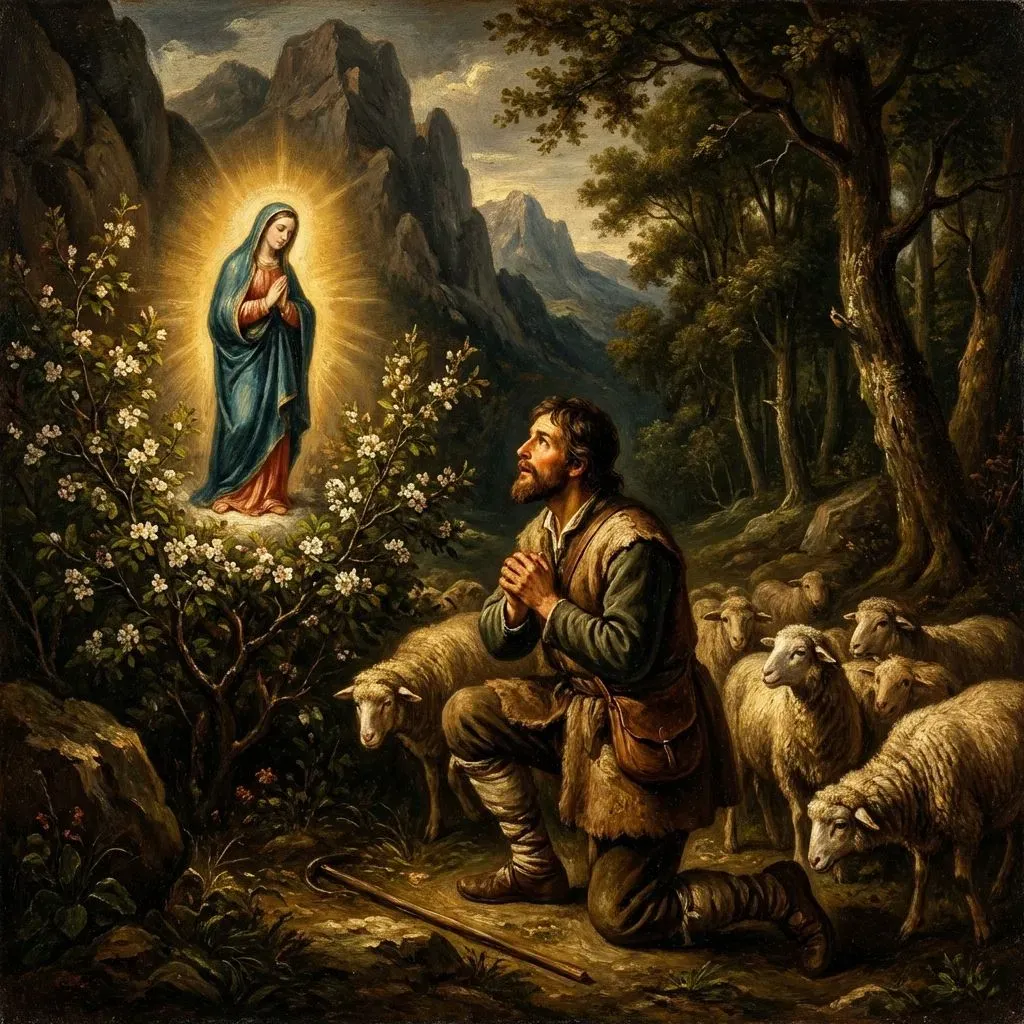
According to legend, in 1469 a shepherd named Rodrigo de Baltzategi found an image of the Virgin on a thorn bush, arantza in Basque, giving rise to the sanctuary. The Franciscan tradition that grew from that moment turned Arantzazu into a place where mountain, miracle and devotion were permanently intertwined.
The current building, rebuilt in the 1950s after a fire, is a landmark example of the integration of contemporary art into a religious space. The work of artists such as Oteiza, Chillida and Basterretxea transformed Arantzazu into a sanctuary of both faith and modern Basque cultural identity.
The natural surroundings of the sanctuary are no less impressive: limestone crags, forests and waterfalls encircle the temple, while the Aizkorri-Aratz Natural Park offers many opportunities for hiking. The visit combines art, devotion, landscape and legend in one of the most moving places in Gipuzkoa.
The Navarrese knight who, deceived by the devil, committed parricide and wandered in chains until Saint Michael freed him at Aralar.
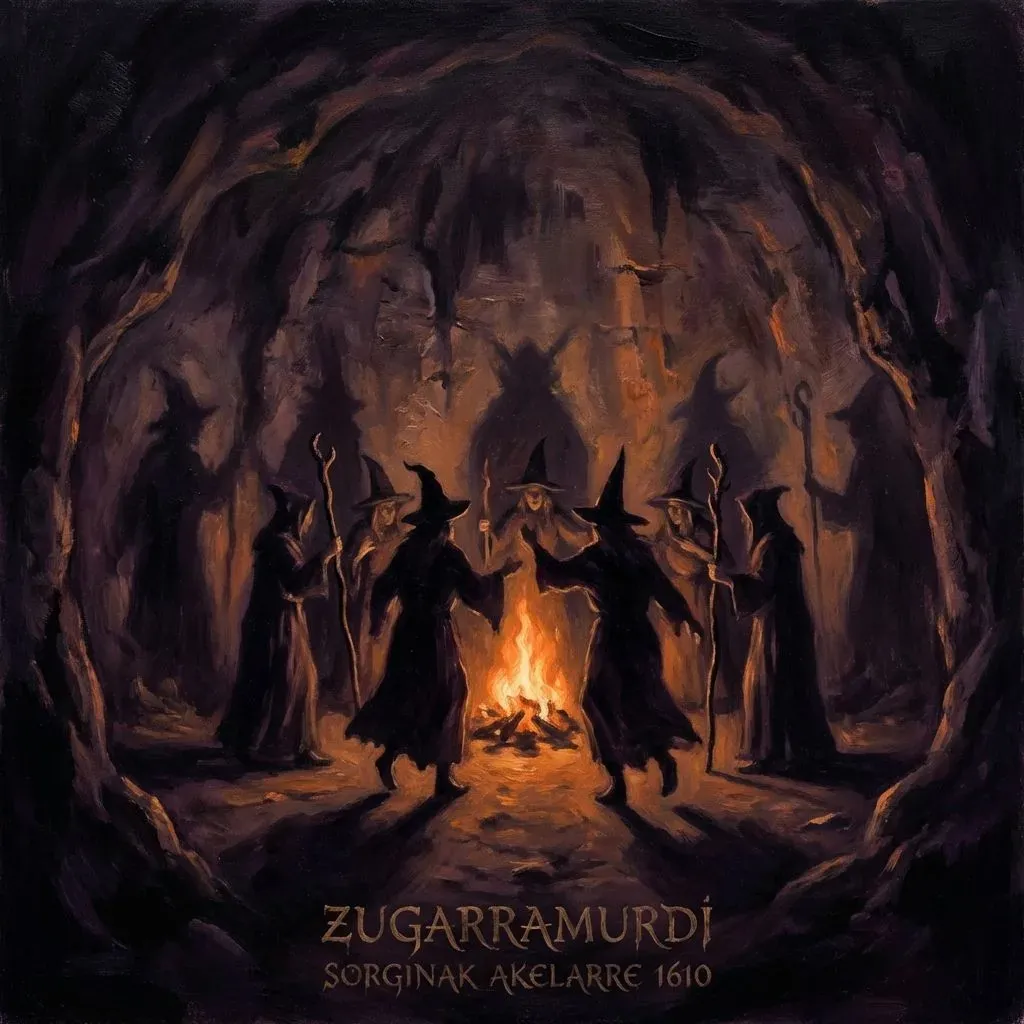
The famous inquisitorial trial of 1610 against the Navarrese witches who held akelarres in the sacred cave.
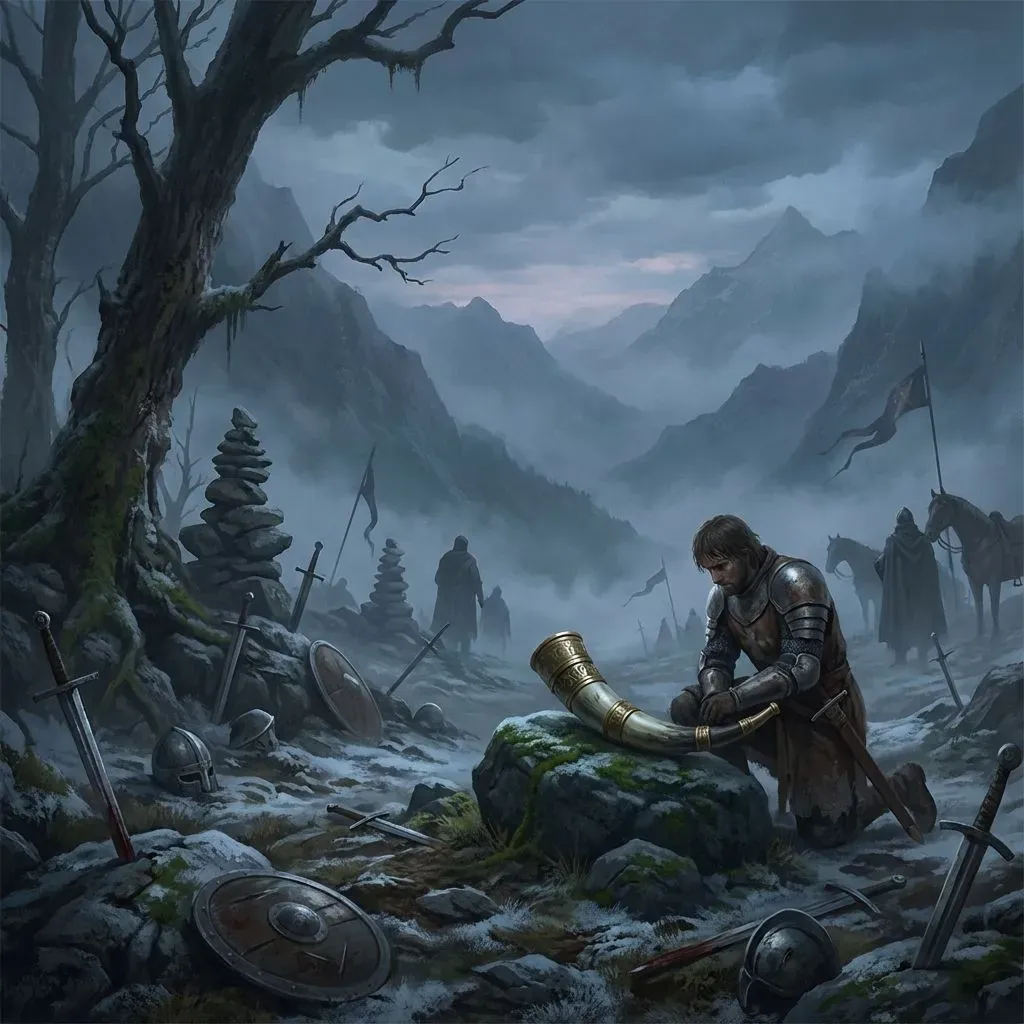
The Basque ambush against Charlemagne's army in the Pyrenean pass where the legendary Roland fell.
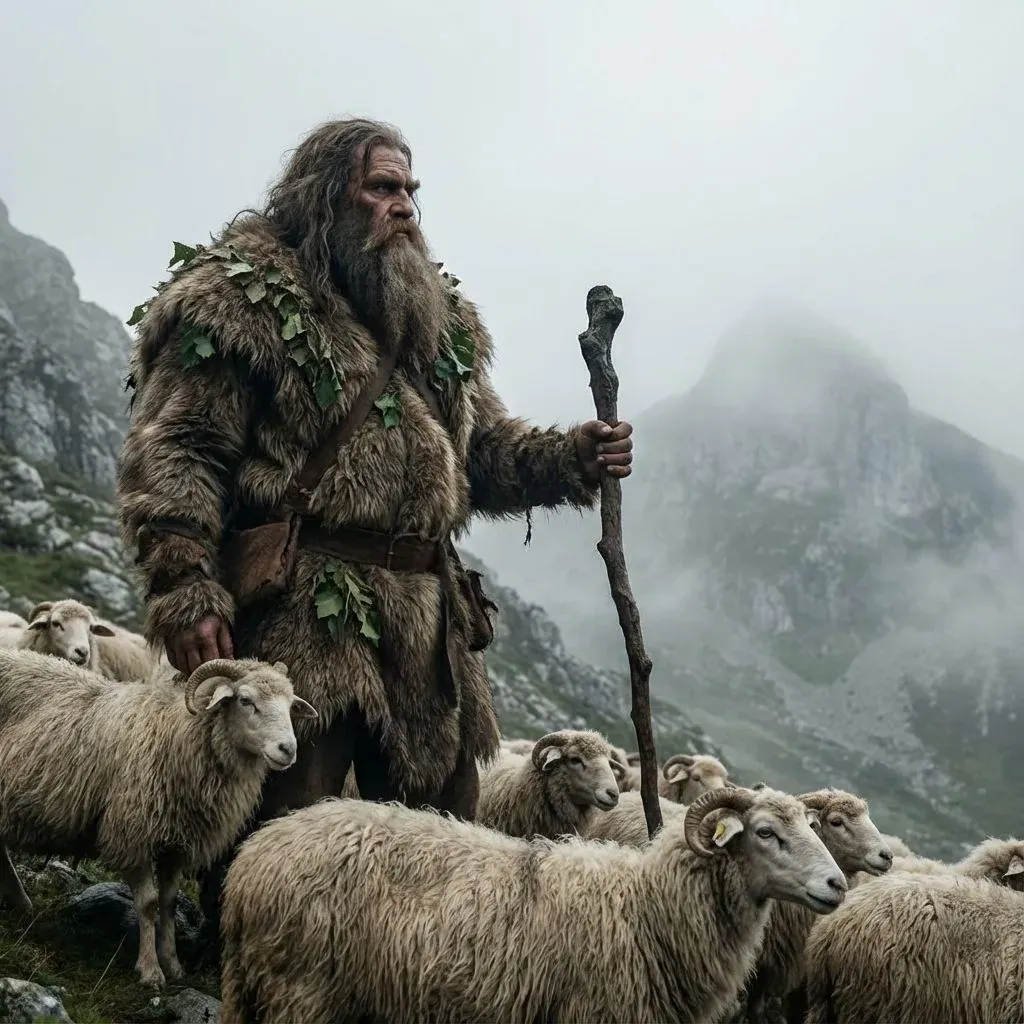
The shaggy giant who lives in the forests, protector of flocks and guardian of the secrets of agriculture and the forge.

Seductive nymphs who dwell in rivers and springs, recognisable by bird feet or fish tails, combing their hair with golden combs.
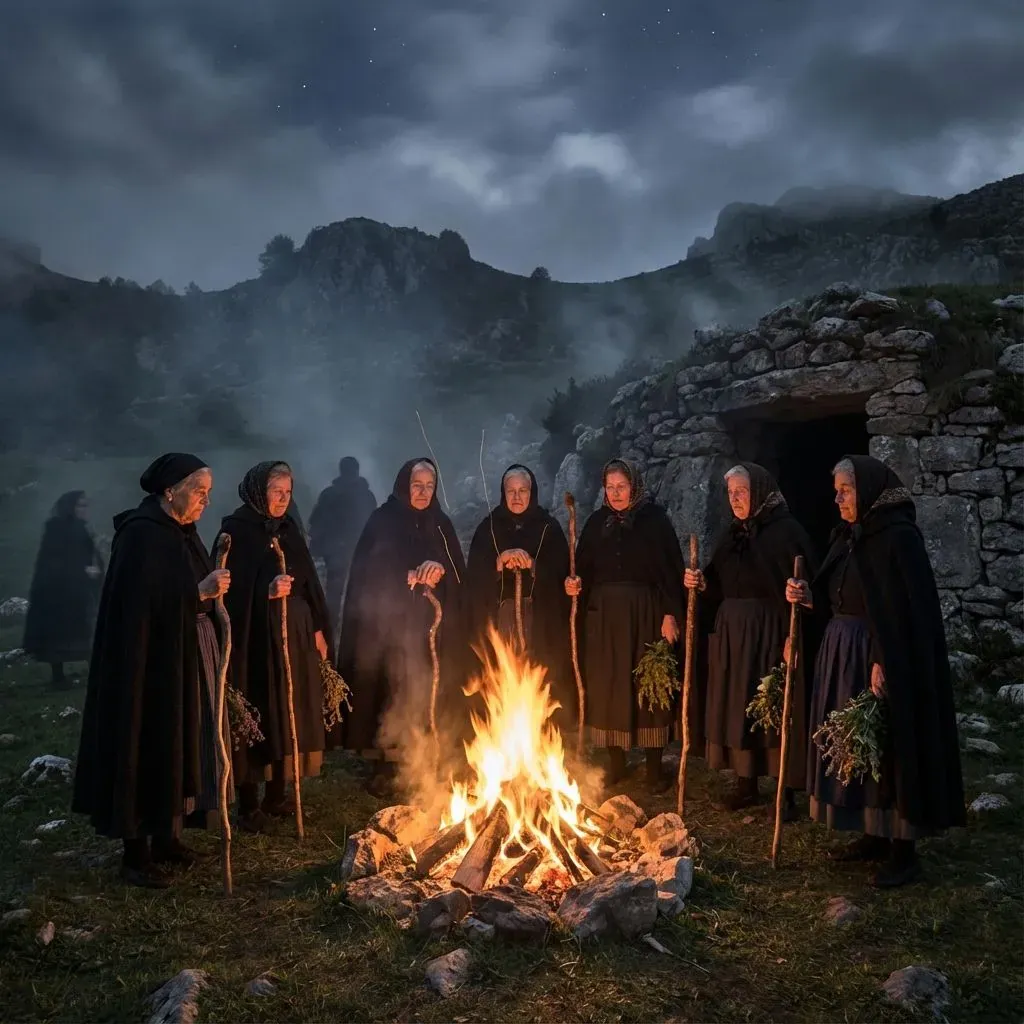
The Basque witches and wise women, priestesses of Mari who mastered potions, curses and the art of flying through the night sky.
Our Lady of Arantzazu sanctuary, nine kilometres from Oñati in its namesake gorge, is far more than a Marian pilgrimage site. A major landmark of twentieth-century Basque avant-garde religious art, it expresses an ambitious and controversial renewal of sacred art. The tension between ancestral religious tradition and aesthetic modernity produced one of the country’s most significant artistic ensembles.
The basilica’s façade, featuring work by Jorge Oteiza and Eduardo Chillida, provoked controversy among Vatican authorities, who considered it too abstract for a religious space. The dispute over suitable forms for expressing the sacred is a fascinating chapter in Basque art and religion during the postwar Franco era.
The account of the Virgin appearing in a thorn bush in 1468, recorded in the sanctuary’s foundation chronicle, still shapes pilgrims’ devotion. The small Romanesque image found by shepherd Rodrigo de Balzategi among the branches survived fires and destruction and remains the basilica’s focal point after more than five centuries of continuous veneration.
Arantzazu gorge, with vertical limestone walls clothed in rock-loving vegetation and a river descending from Orkatzategi’s pastures, impresses visitors regardless of religious beliefs. Spectacular nature and the sanctuary’s artistic and spiritual richness make this one of the Basque Country’s most rewarding destinations.