Teodosius of Goñi
The Navarrese knight who, deceived by the devil, committed parricide and wandered in chains until Saint Michael freed him at Aralar.
— Gipuzkoa —
Onati is one of the towns with the richest history and heritage in the Basque Country. Located in the heart of the upper Deba valley in Gipuzkoa, it combines noble architecture, religious tradition and access to some of the most important cultural landscapes in inland Euskal Herria.
The historic centre of Onati is an ensemble of extraordinary monumentality. The University of Sancti Spiritus, founded in 1540, is one of the finest Renaissance buildings in the Basque Country and gives the town a singular academic and humanist profile.
But Onati is also the gateway to major natural and spiritual spaces. The sanctuary of Arantzazu, with its remarkable integration of contemporary art and mountain devotion, lies nearby and strengthens the town?s role as a meeting point between culture, landscape and pilgrimage.
The town has combined heritage preservation with substantial economic and industrial development. Mondragón’s cooperative legacy also reached Oñati, which has major industrial companies while keeping its cultural and university vocation alive.
The Navarrese knight who, deceived by the devil, committed parricide and wandered in chains until Saint Michael freed him at Aralar.
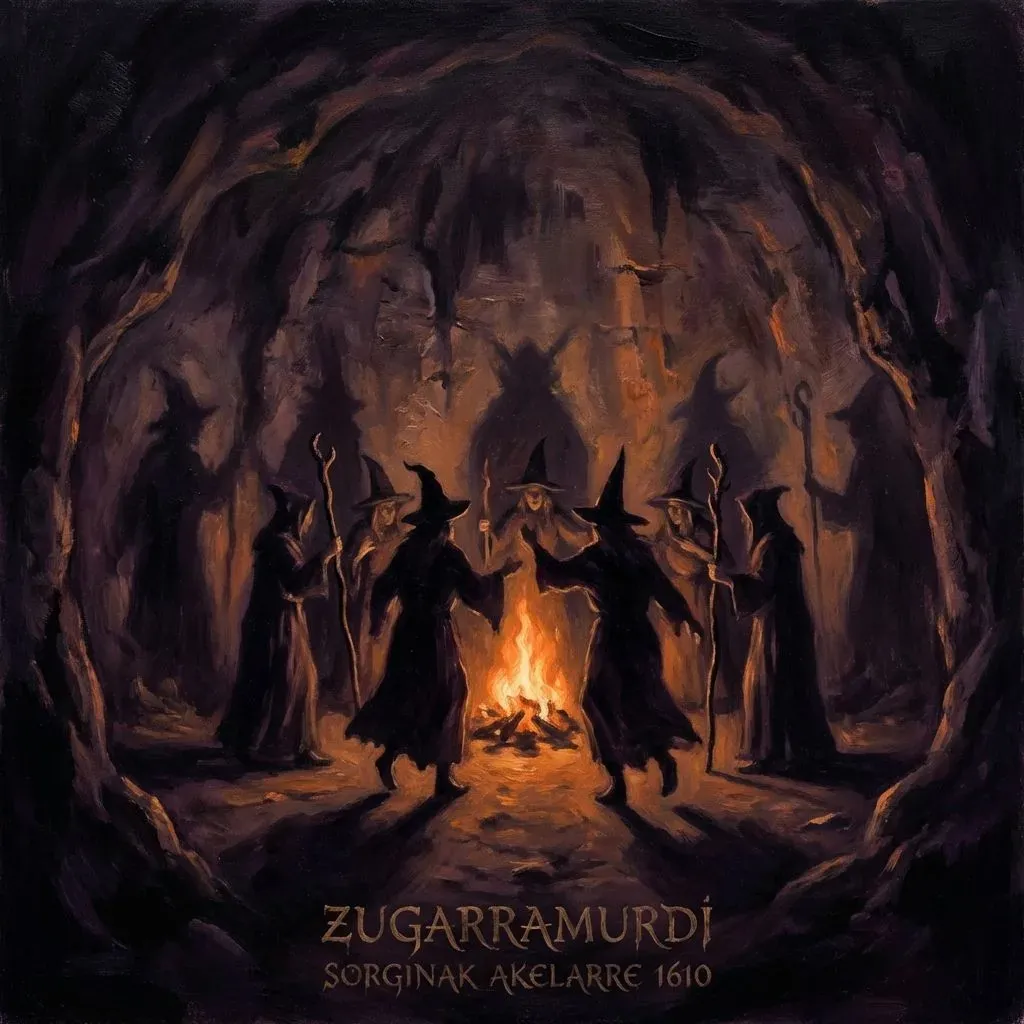
The famous inquisitorial trial of 1610 against the Navarrese witches who held akelarres in the sacred cave.
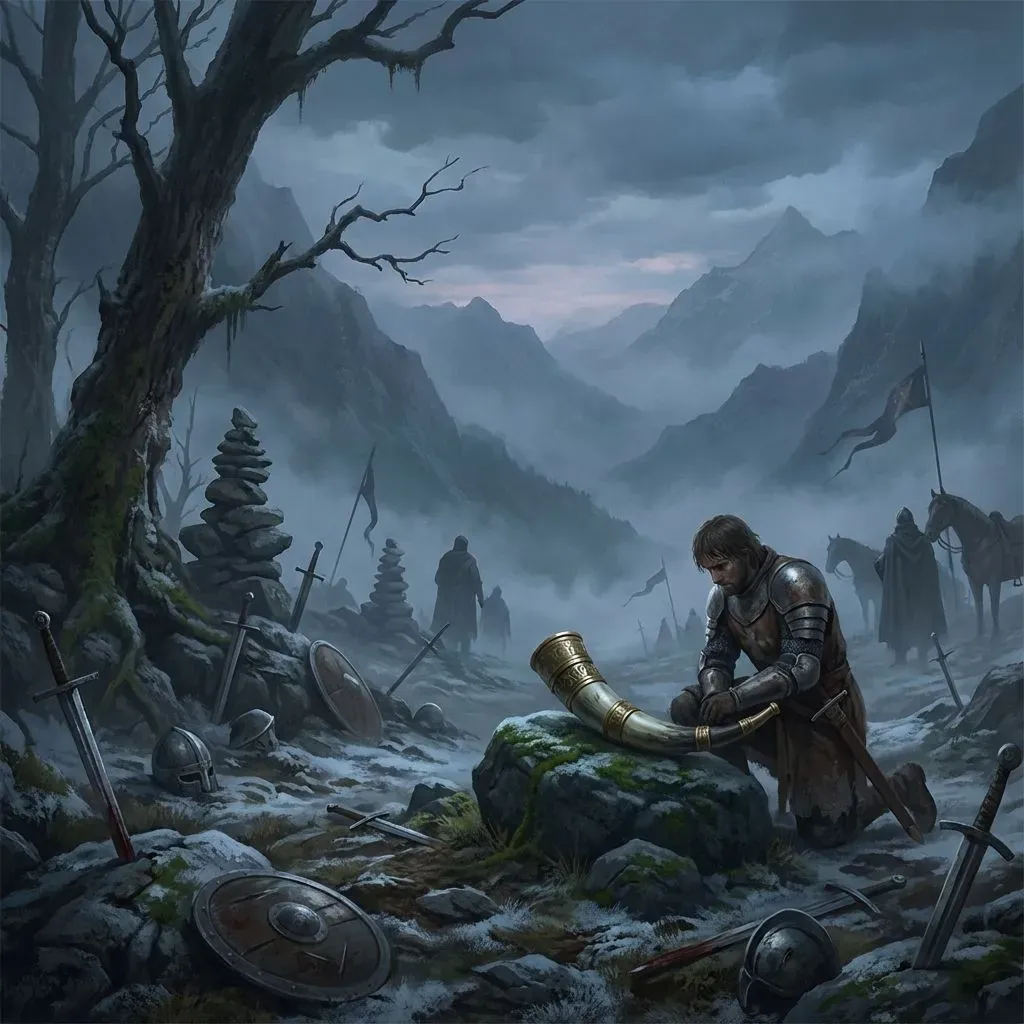
The Basque ambush against Charlemagne's army in the Pyrenean pass where the legendary Roland fell.
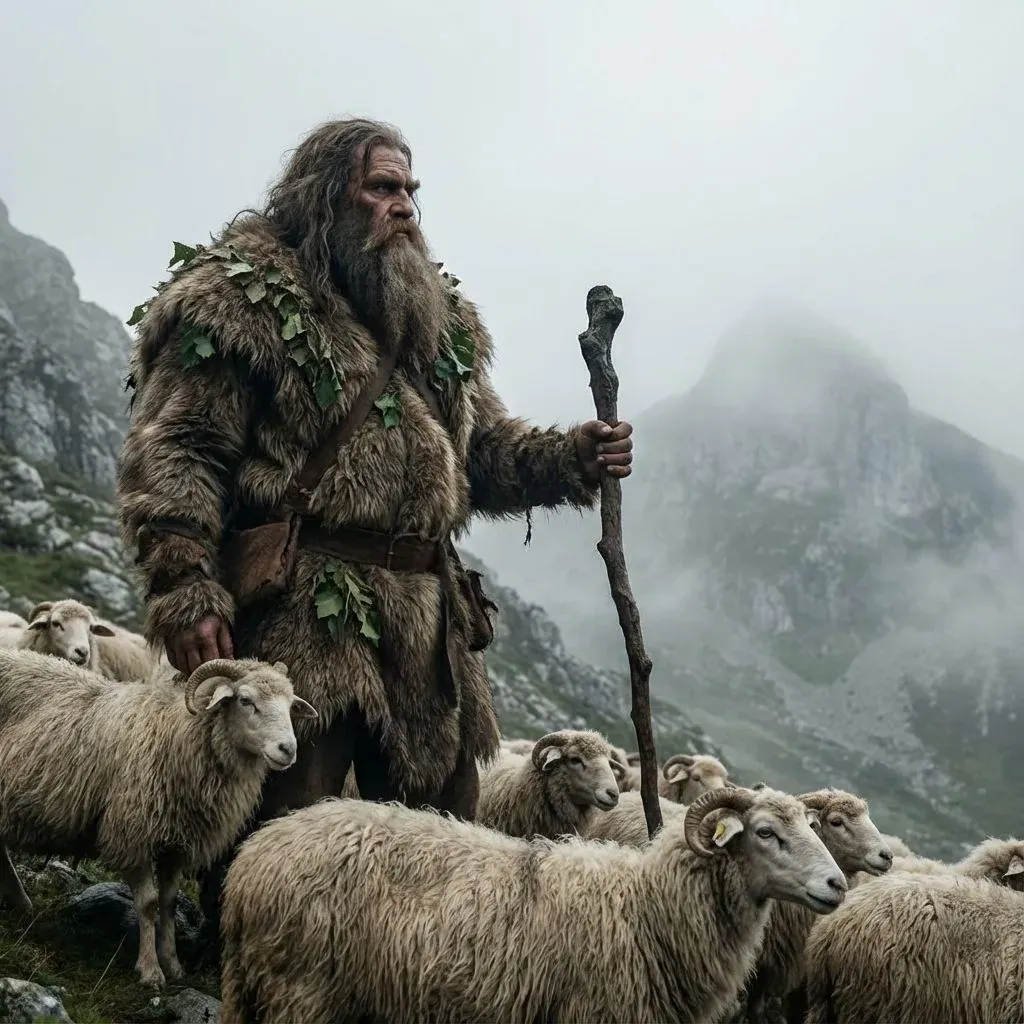
The shaggy giant who lives in the forests, protector of flocks and guardian of the secrets of agriculture and the forge.

Seductive nymphs who dwell in rivers and springs, recognisable by bird feet or fish tails, combing their hair with golden combs.
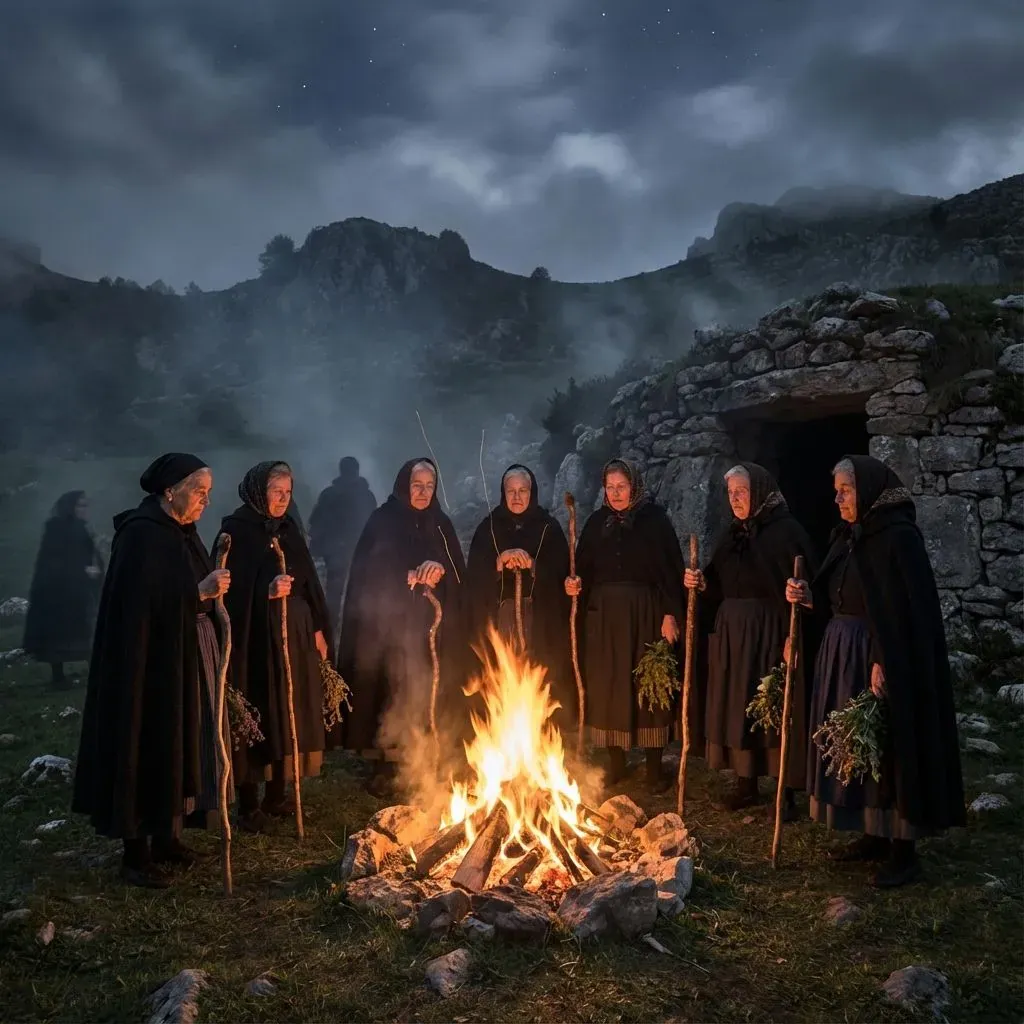
The Basque witches and wise women, priestesses of Mari who mastered potions, curses and the art of flying through the night sky.
Oñati, in the upper Deba valley, has an exceptional concentration of historic architecture. Its university, founded in 1548 as the Basque Country’s first, is an elegant Renaissance building whose presence in a relatively small mountain town reflects the cultural ambition of the counts of Guevara, who governed this independent lordship until the nineteenth century.
Oñati’s historic centre, with its main square, university, church of Saint Michael the Archangel and sixteenth- and seventeenth-century mansions, is among the Basque Country’s best-preserved urban ensembles. The compact town can be explored on foot in minutes, concentrating its architectural impact.
Oñati is the natural gateway to Arantzazu sanctuary, nine kilometres away by a road climbing dramatically through a limestone gorge. With its famous work by Jorge Oteiza and Eduardo Chillida integrating twentieth-century avant-garde art into religious architecture, the sanctuary is a major encounter between contemporary Basque art and its spiritual territory.
Combining Oñati and Arantzazu in one day offers one of the Basque Country’s richest cultural itineraries. Renaissance art in the historic town contrasts with contemporary art at the mountain sanctuary, both surrounded by the grandeur of limestone and beech woods.