Teodosius of Goñi
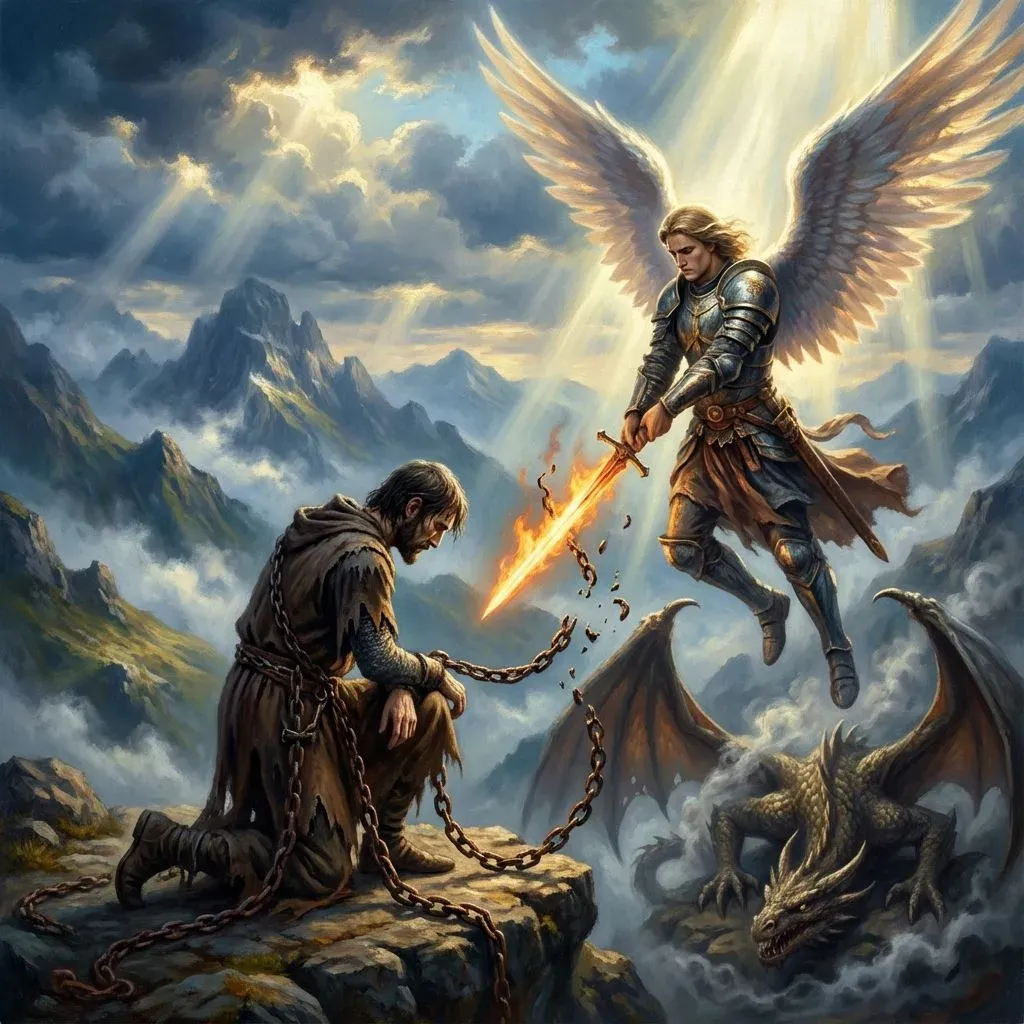
The Navarrese knight who, deceived by the devil, committed parricide and wandered in chains until Saint Michael freed him at Aralar.
— Gipuzkoa —
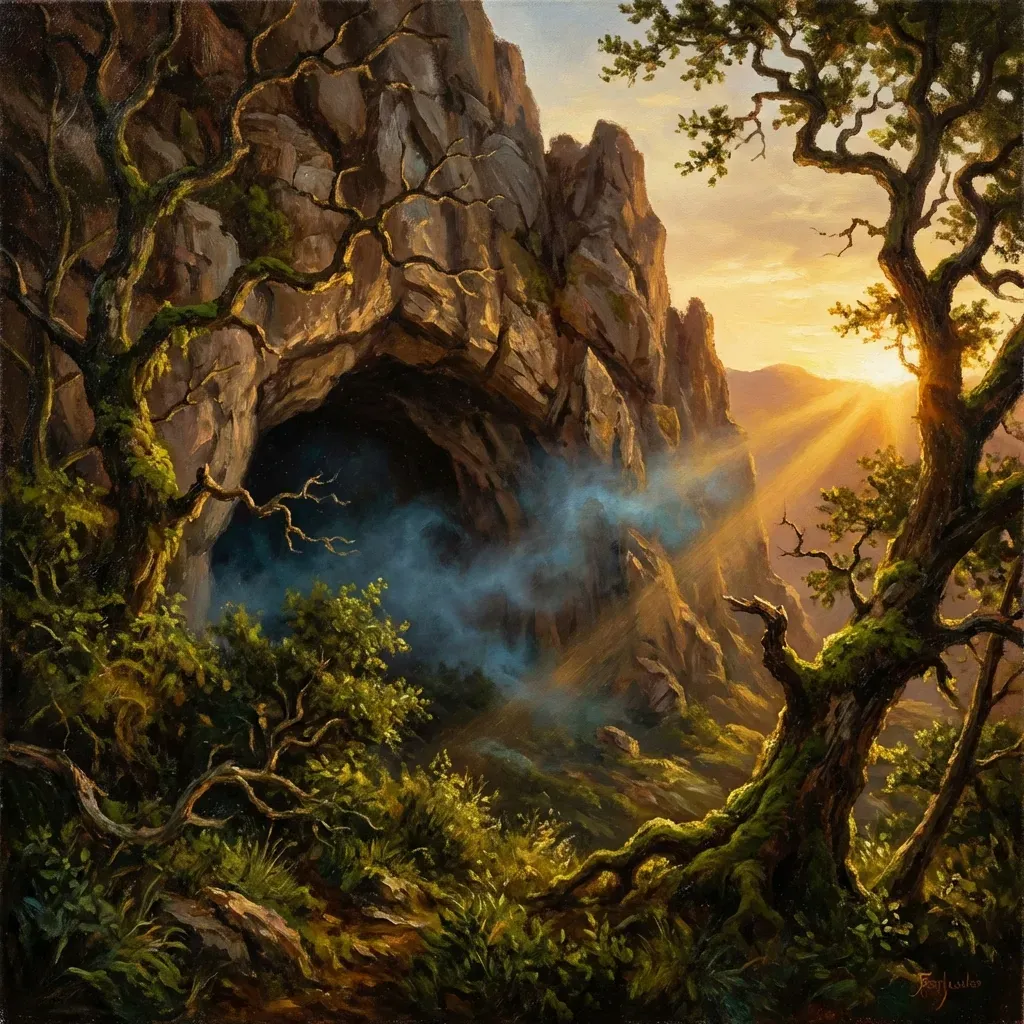
Ekain Cave, located in the valley of the Urola river in Gipuzkoa, is often regarded as the Sistine Chapel of Basque cave art. Its paintings, created around fourteen thousand years ago, make it one of the great masterpieces of Paleolithic expression in Europe.
Discovered in 1969 by the speleologists Andoni Albizuri and Rafael Rezabal, the cave contains more than seventy animal figures of exceptional artistic quality. The famous panel of horses is especially celebrated for its dynamism, accuracy and expressive power.
The Magdalenian artists who decorated Ekain mastered sophisticated techniques of painting and engraving. Using natural pigments such as charcoal and iron oxides, they adapted their images to the shape of the rock, turning the cave itself into an active part of the composition.
To protect this irreplaceable heritage, the original cave remains closed to the public. However, the nearby replica known as Ekainberri, opened in 2008, offers an immersive experience that allows visitors to understand the value of the art and the environment in which it was created.
The Navarrese knight who, deceived by the devil, committed parricide and wandered in chains until Saint Michael freed him at Aralar.
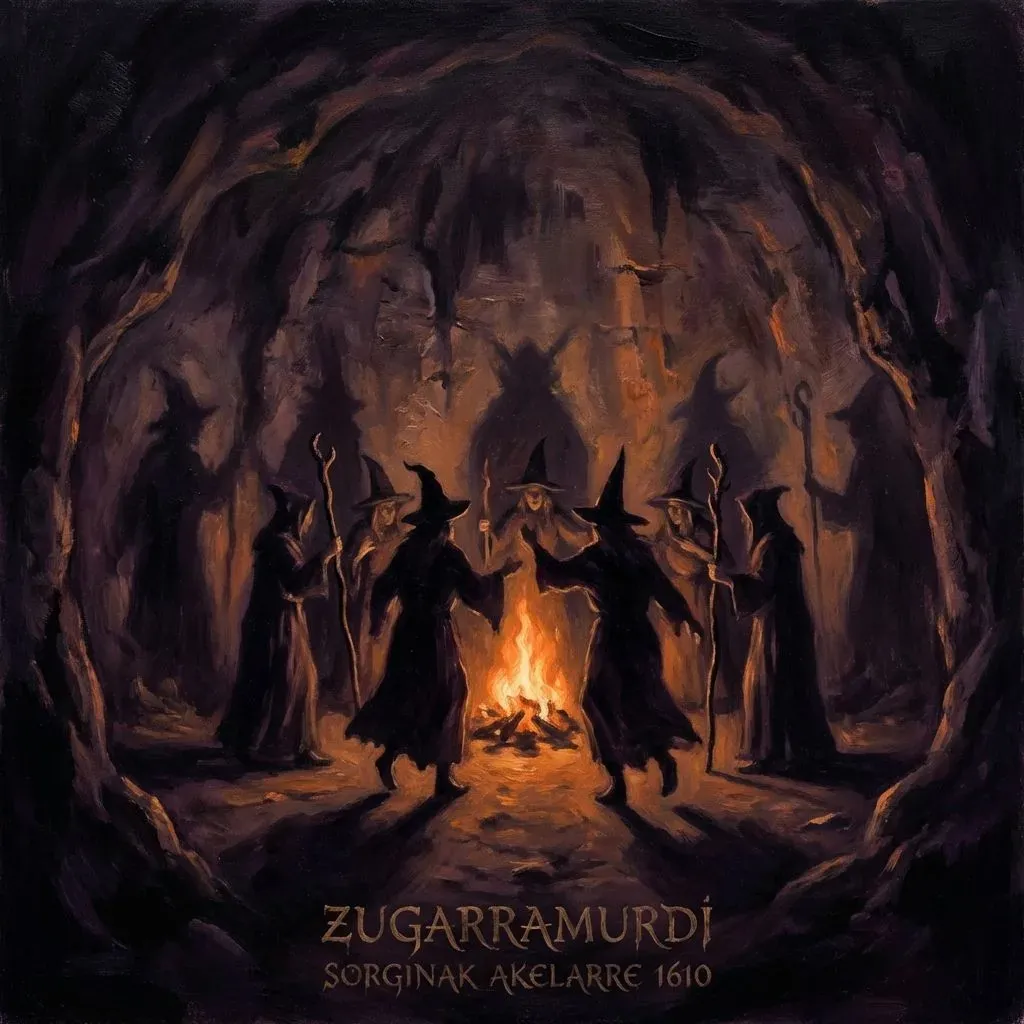
The famous inquisitorial trial of 1610 against the Navarrese witches who held akelarres in the sacred cave.
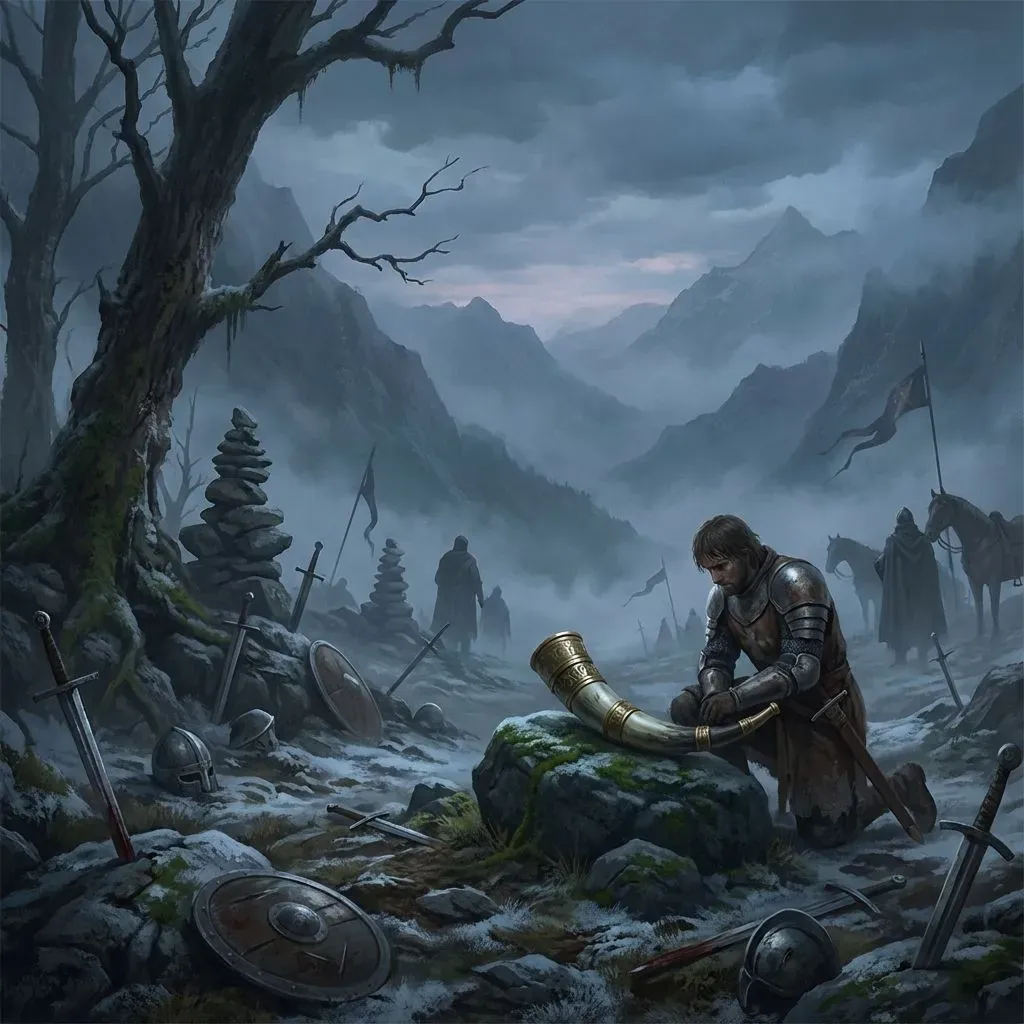
The Basque ambush against Charlemagne's army in the Pyrenean pass where the legendary Roland fell.
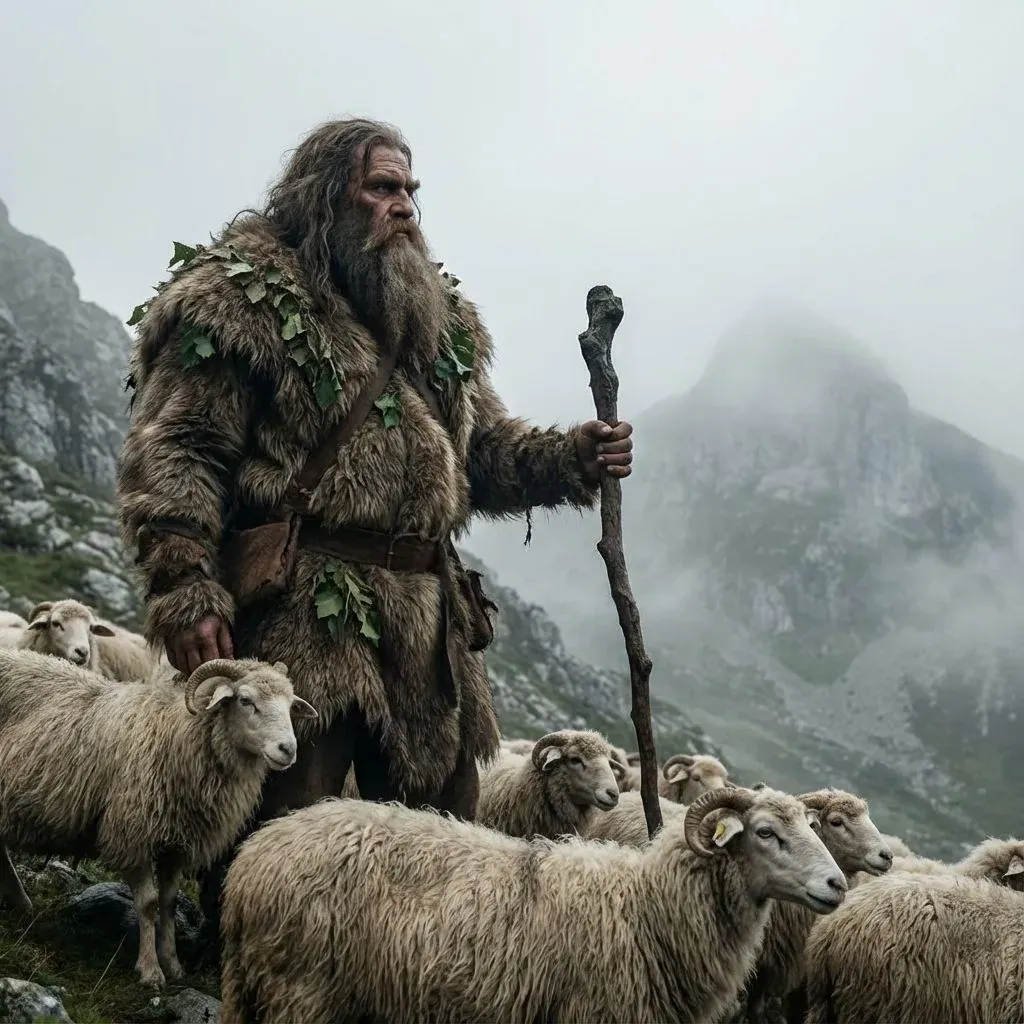
The shaggy giant who lives in the forests, protector of flocks and guardian of the secrets of agriculture and the forge.

Seductive nymphs who dwell in rivers and springs, recognisable by bird feet or fish tails, combing their hair with golden combs.
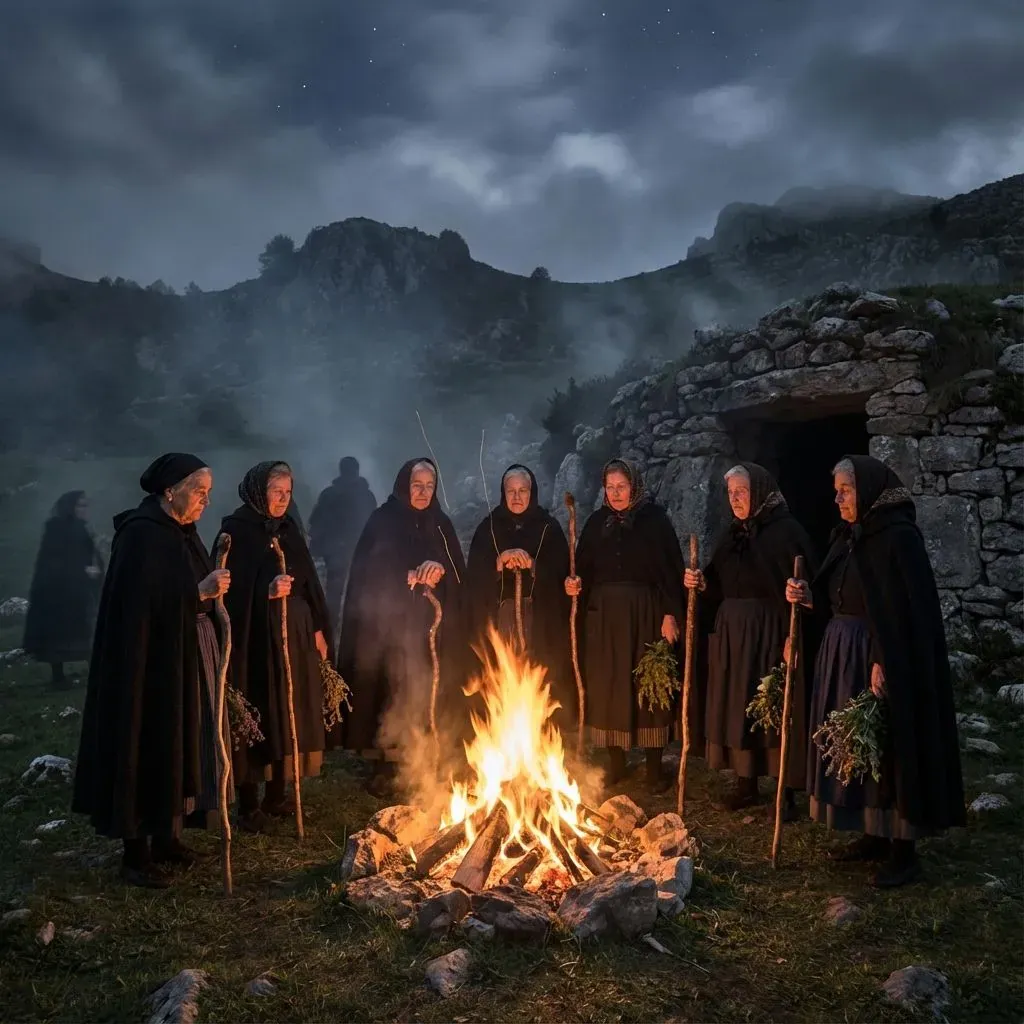
The Basque witches and wise women, priestesses of Mari who mastered potions, curses and the art of flying through the night sky.
Ekain cave, listed as UNESCO World Heritage with Altamira and other Palaeolithic caves in 2008, contains one of the world’s most important and best-preserved collections of rock art. In the Gipuzkoan municipality of Zestoa, among gentle hills watered by the Urola, it holds more than sixty animal representations made thirteen to twelve thousand years ago with a technical mastery that still astonishes specialists.
Ekain’s horse panel depicts more than a dozen animals in varied positions and perspectives with extraordinary anatomical precision. Many prehistorians consider it the finest horse representation in Palaeolithic art. Delicate lines, natural rock relief used to give the figures volume and the overall composition reveal an exceptionally skilled artist working within an already highly developed technical tradition.
To preserve the originals, Ekain cave is closed to the general public and accessible only to authorised researchers. Instead, the Ekainberri centre in Zestoa offers a faithful reproduction, allowing visitors to experience the art without the damage that human breath and heat can cause. The replica’s detail makes the encounter deeply moving for informed visitors.
That someone found this corner of Gipuzkoa special enough to create art of such magnitude thirteen thousand years ago is significant. It suggests that certain places in Basque territory have held a spiritual attraction for millennia, beyond what geographical or ecological analysis alone can explain.