Crossroads
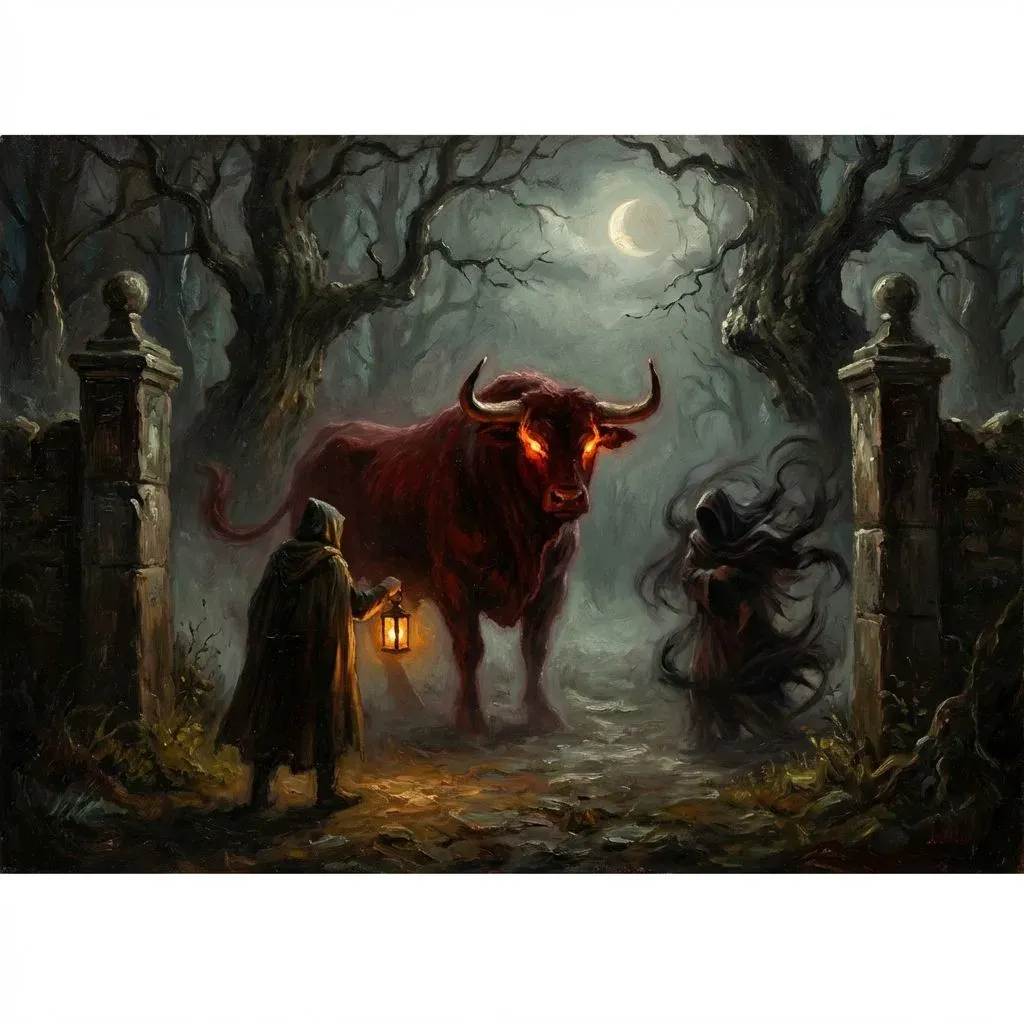
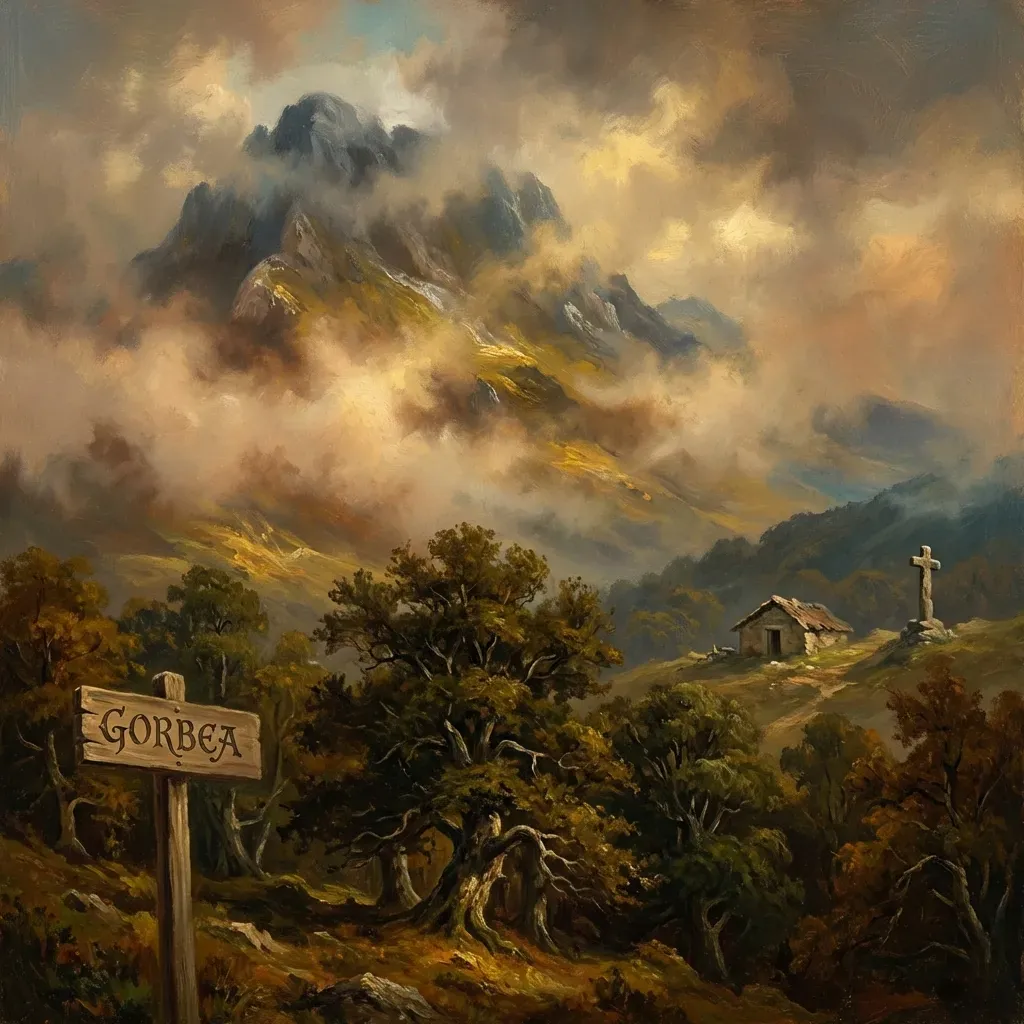
Places where travellers most often claimed to hear the roar before seeing anything.
The warning sound that tears through fog and darkness
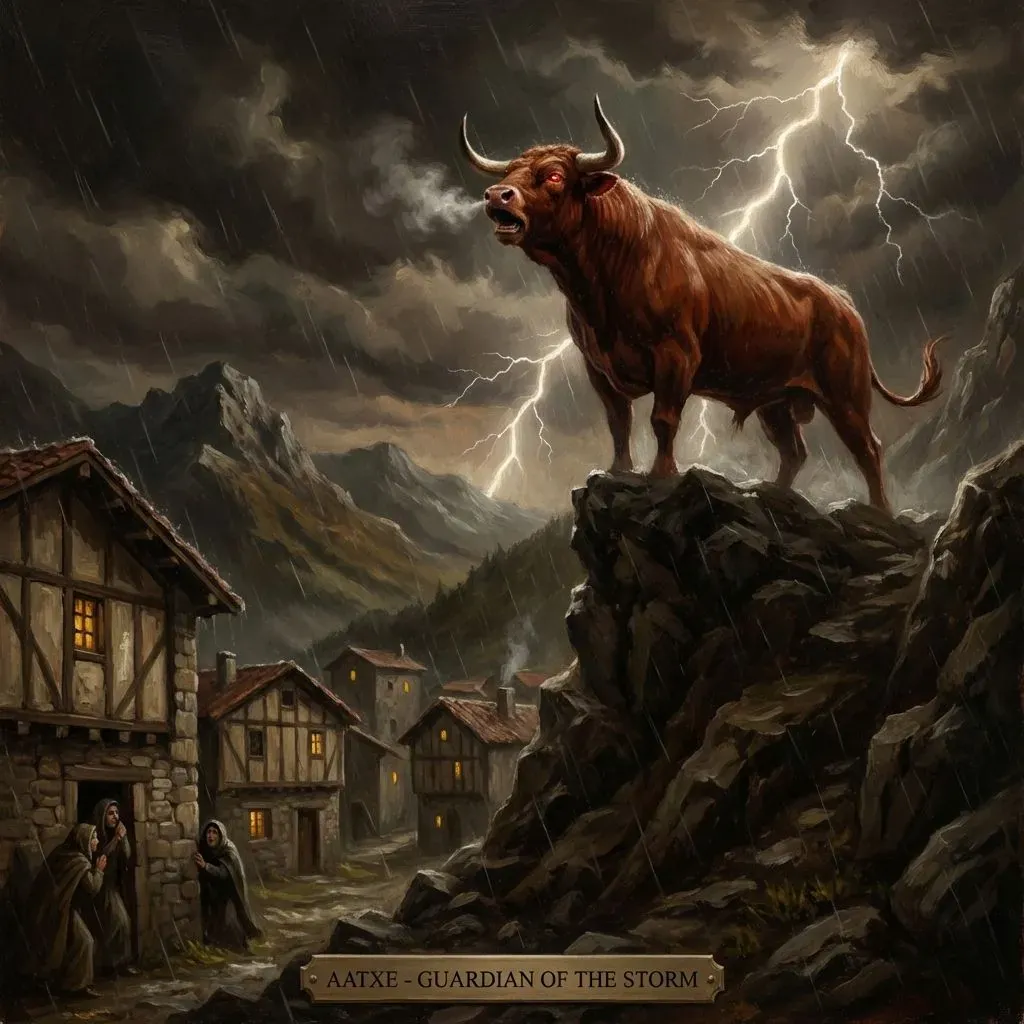
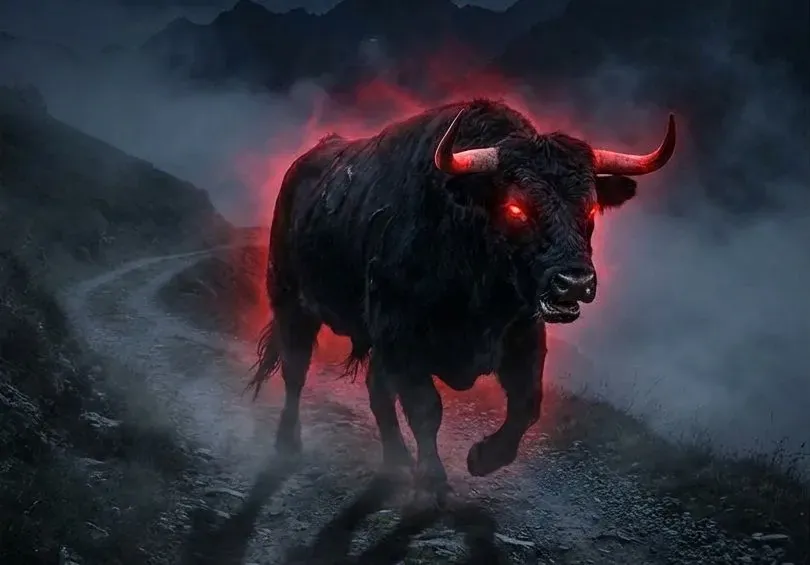
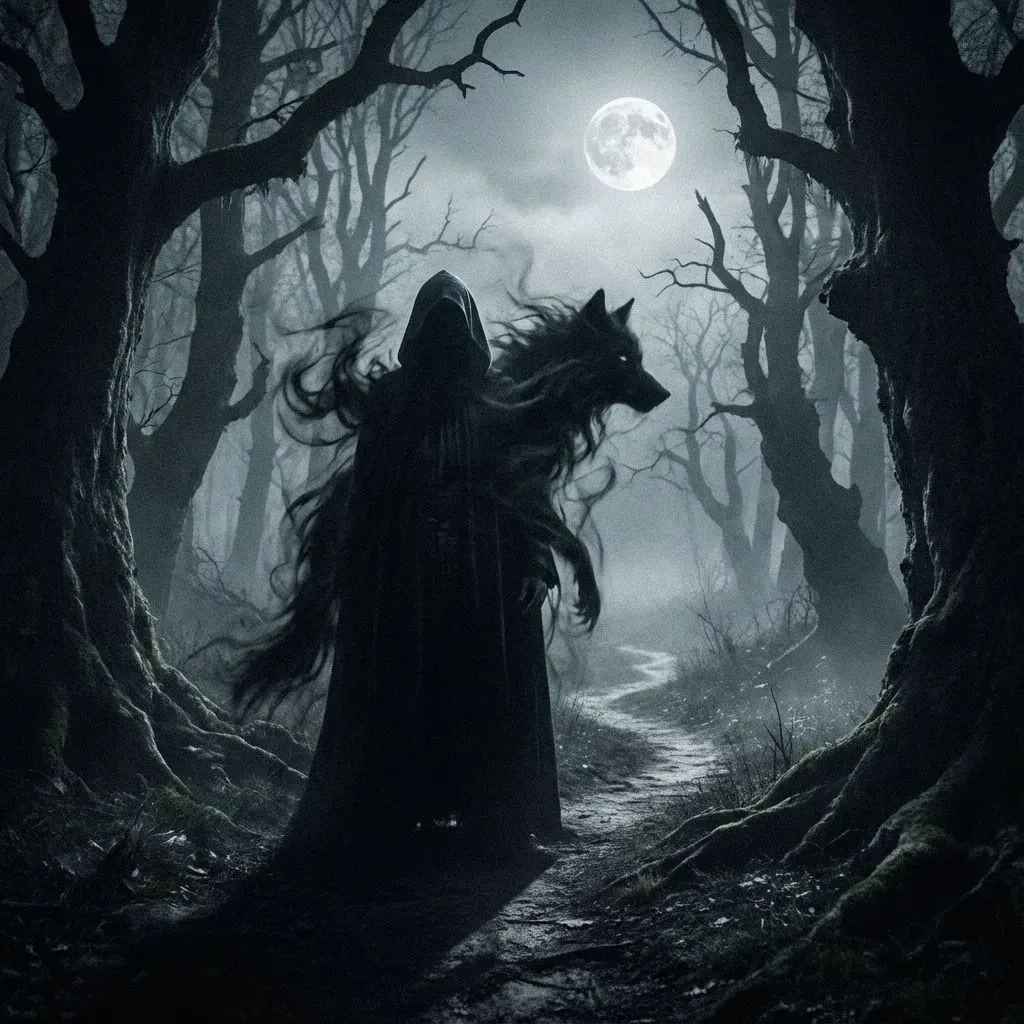
Before the supernatural being is seen, it is sometimes heard. The night roar is one of those sounds that announces danger in Basque oral tradition: a deep, unsettling cry breaking across crossroads, paths, and misty hills after dark.
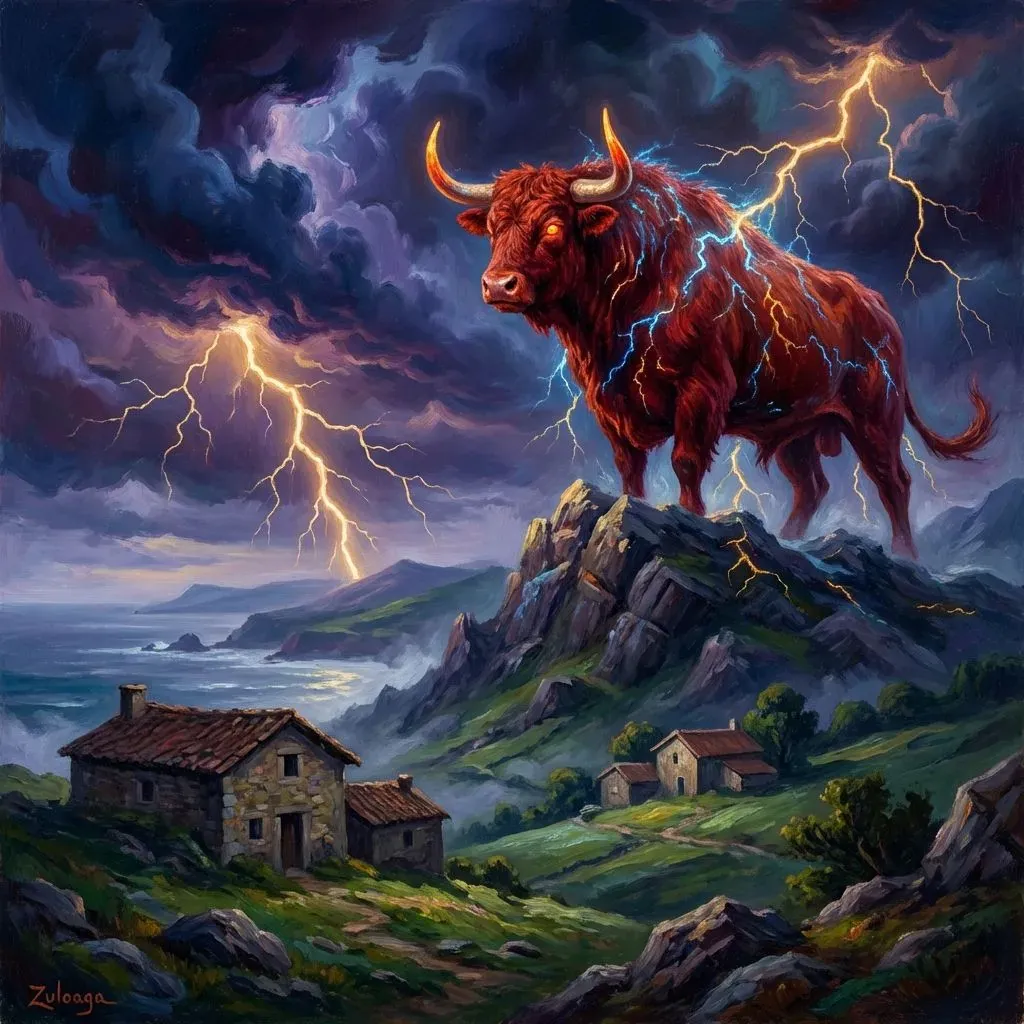
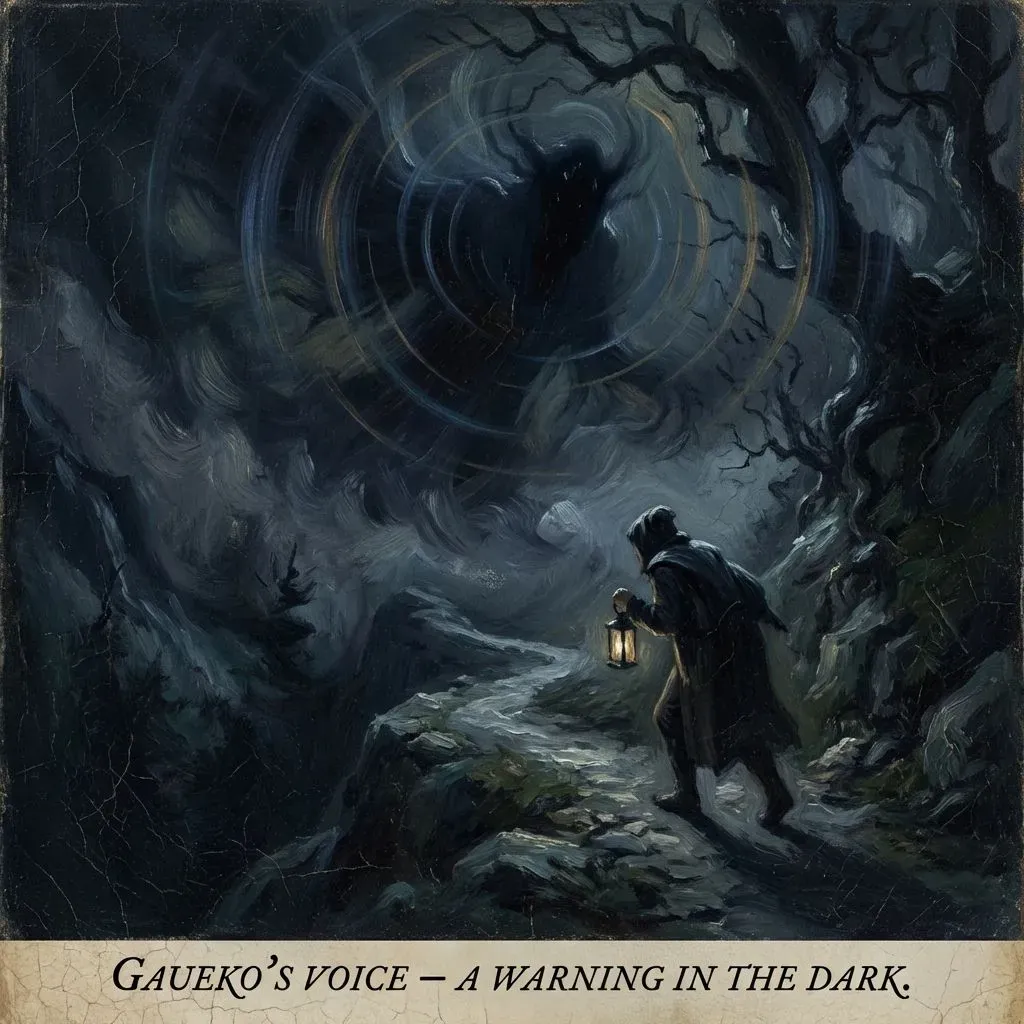
In some places the roar is linked to Zezengorri; in others it belongs to forces closer to Gaueko and the powers that rule the forbidden hours. What matters is not only the creature behind the sound, but the warning itself.
Those who hear the roar know they should stop, turn back, or at least show respect. It marks the moment when the night ceases to be merely natural and becomes a realm governed by another law.
The legend turns sound into a threshold. The roar is not just noise in the dark, but the voice of a boundary reminding humans that not every path should be crossed at every hour.
Places where travellers most often claimed to hear the roar before seeing anything.
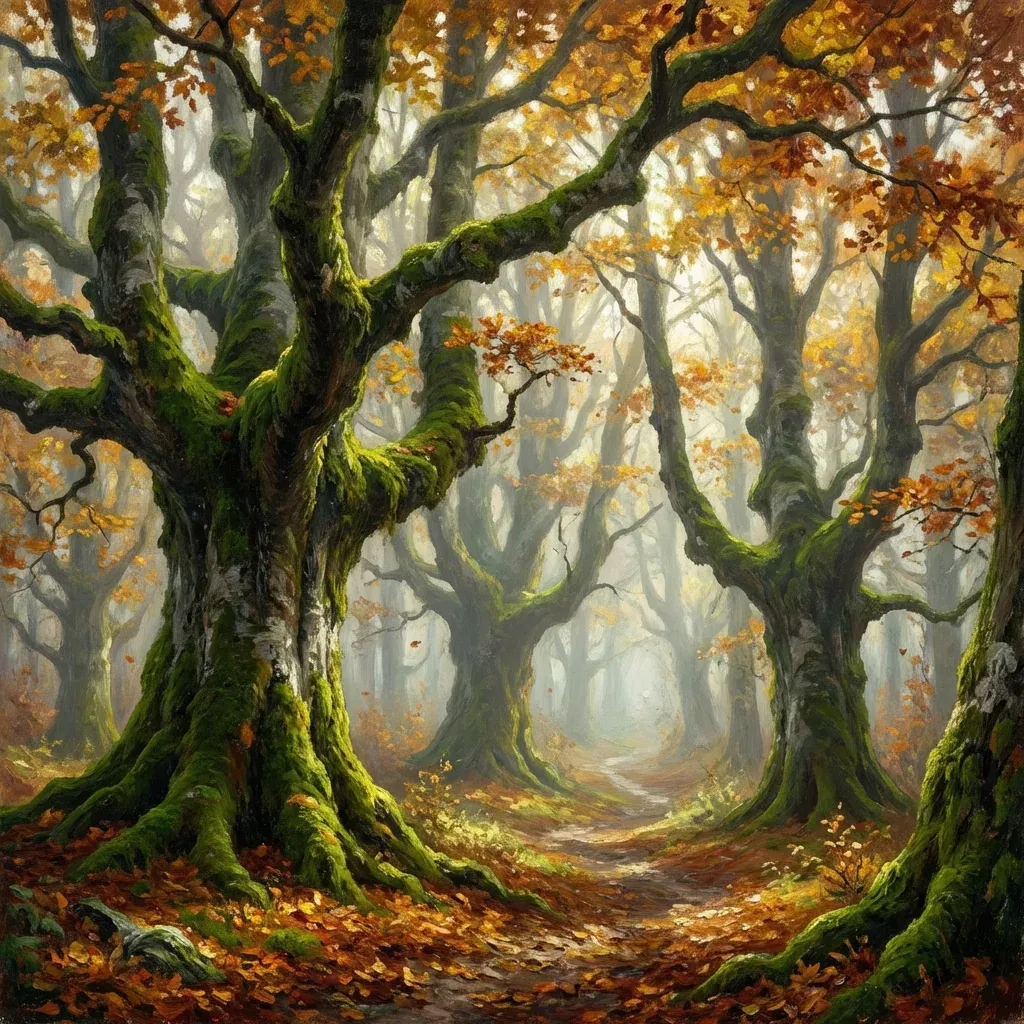
Open night landscapes where sound arrives before shape or flame.
This legend gives extraordinary power to hearing. Long before danger takes form, the ear perceives a warning that unsettles the body and demands caution. In that sense, the roar is a mythic alarm.
Its importance lies in timing. The sound is heard exactly when a traveller is furthest from shelter and most vulnerable to crossing into forbidden territory. The legend teaches that wisdom begins by recognizing such signs.
Whether attributed to Zezengorri, Gaueko, or another nocturnal force, the roar expresses the same principle: darkness is inhabited, and certain hours belong to powers older than human movement.
The story therefore preserves more than fear. It preserves a discipline of attention, a way of listening to the land as if it could warn, forbid, and judge.