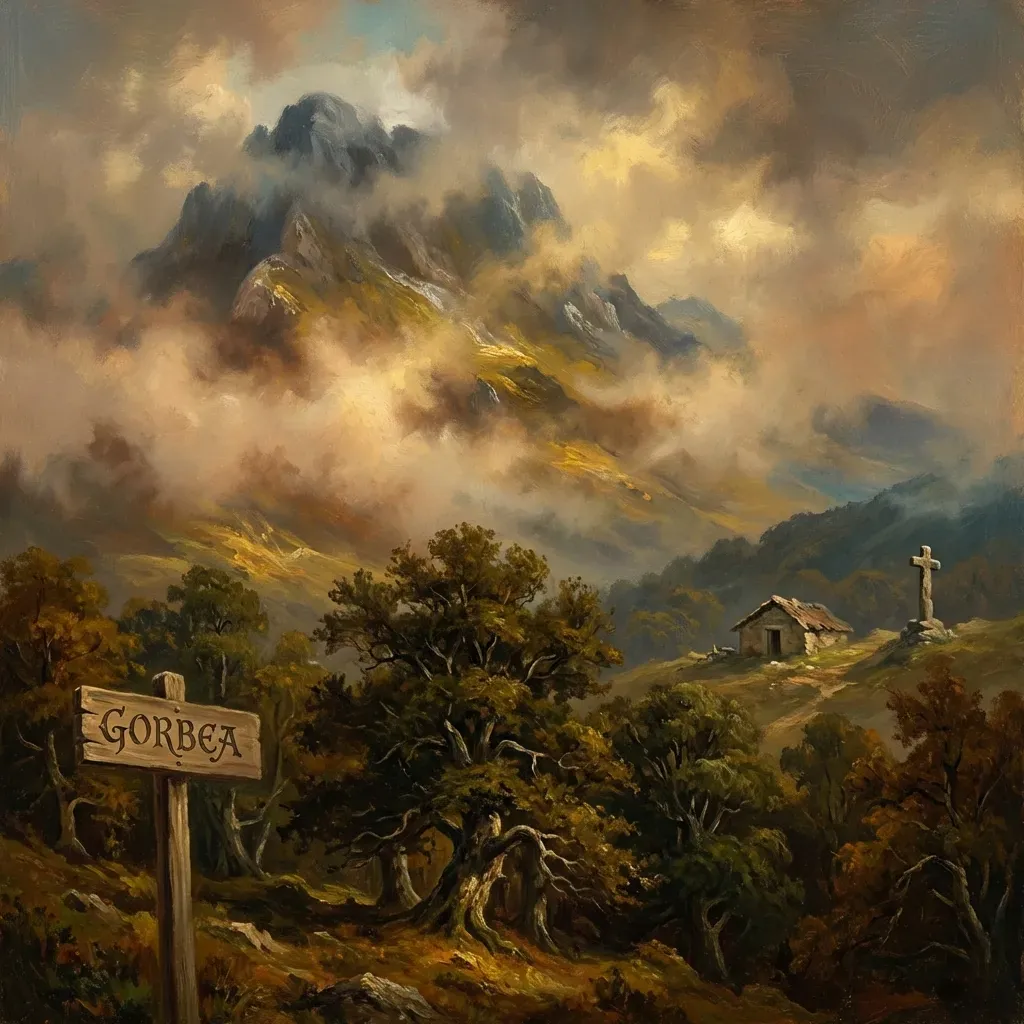
Rural crossroads
Junctions where travellers claimed to sense or see the guardian.
The eerie being that keeps watch where roads divide
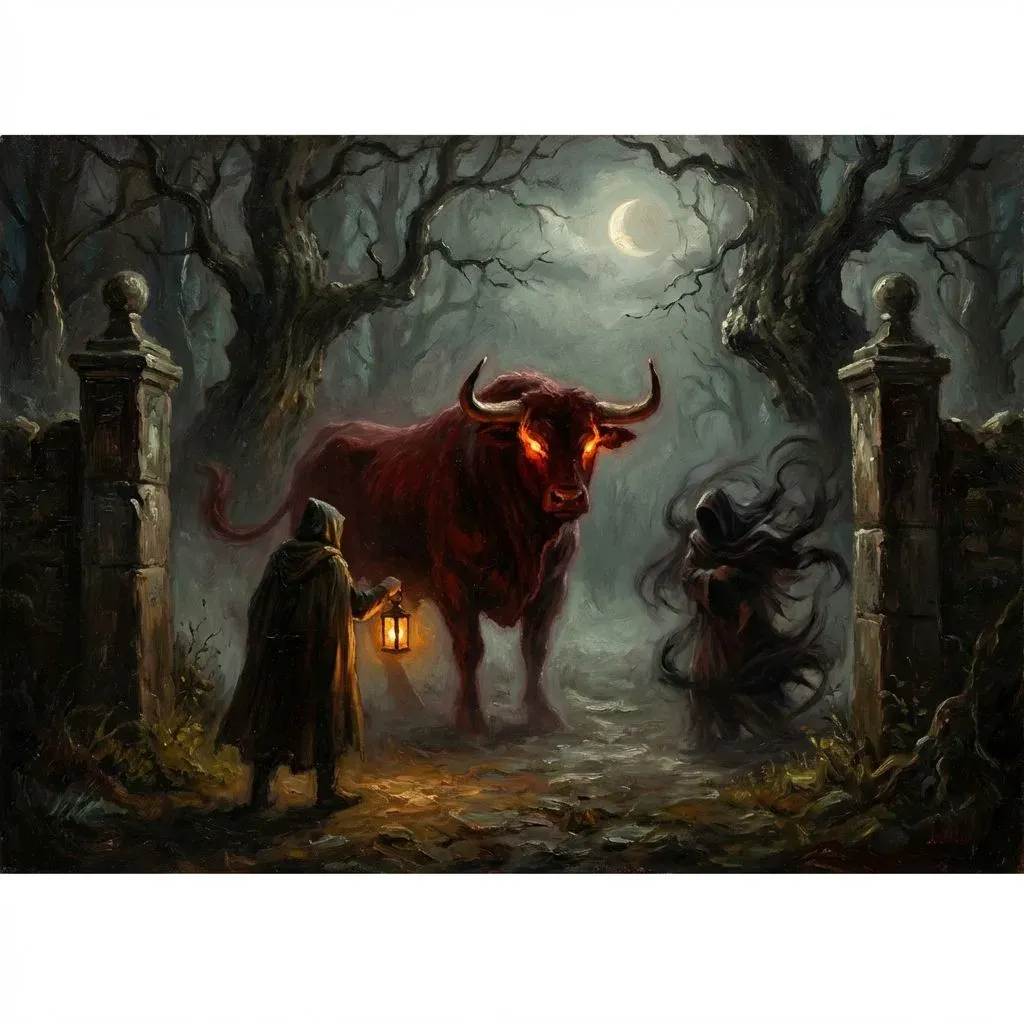
Crossroads are never just practical intersections in traditional belief. They are places of uncertainty, choice, and exposure, and for that reason Basque legend often imagines a guardian watching over them.
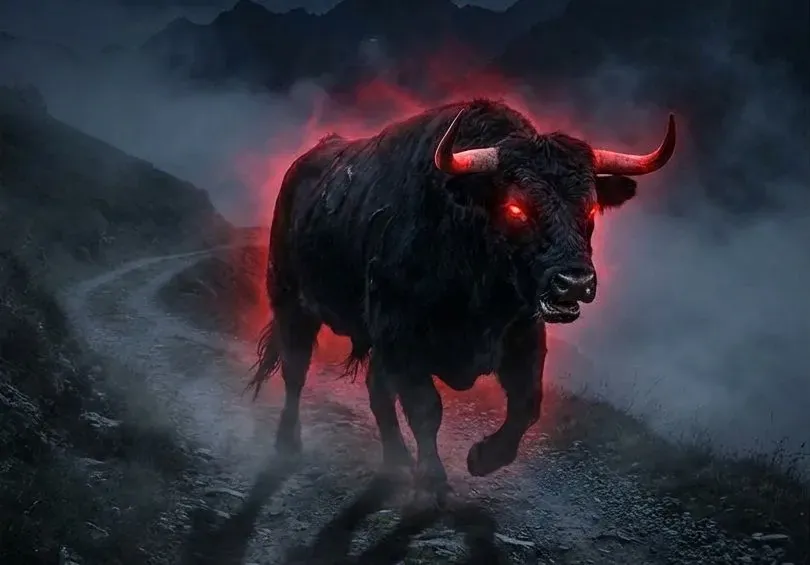
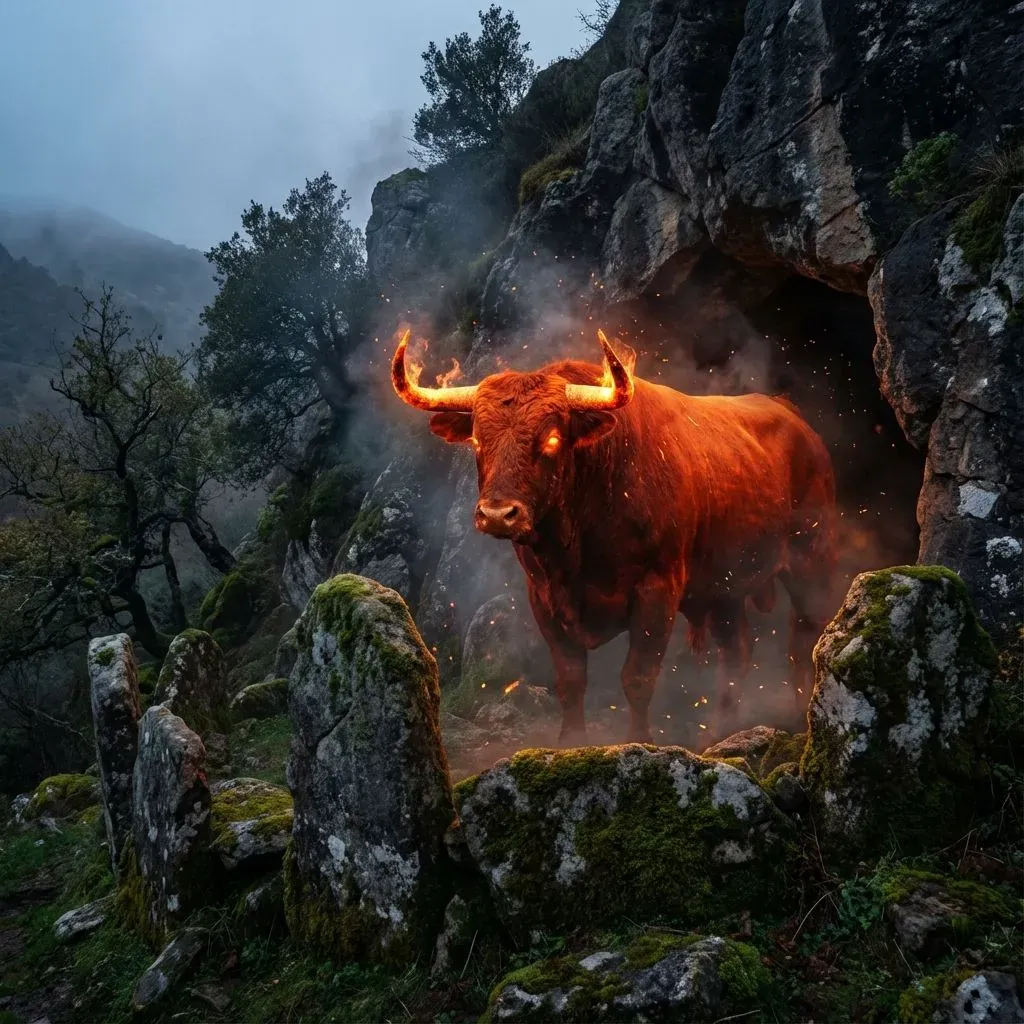
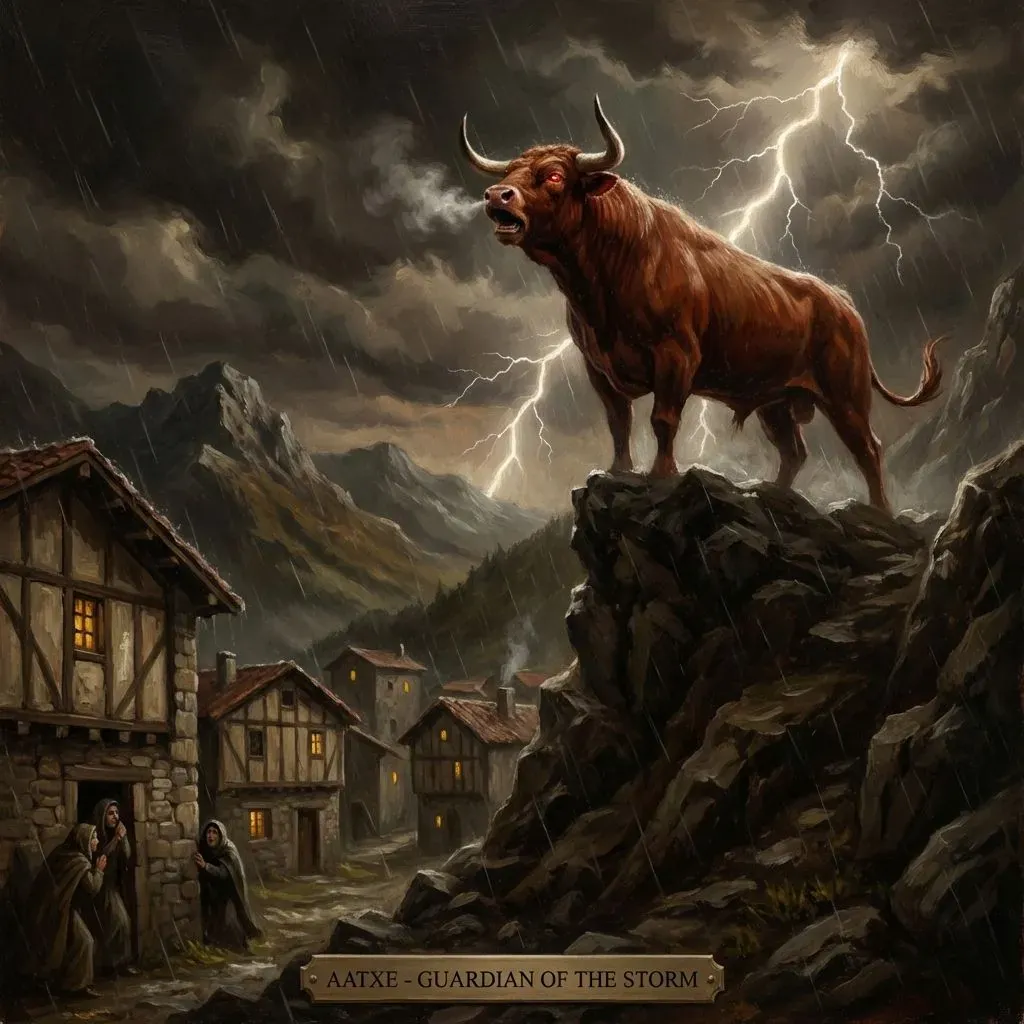
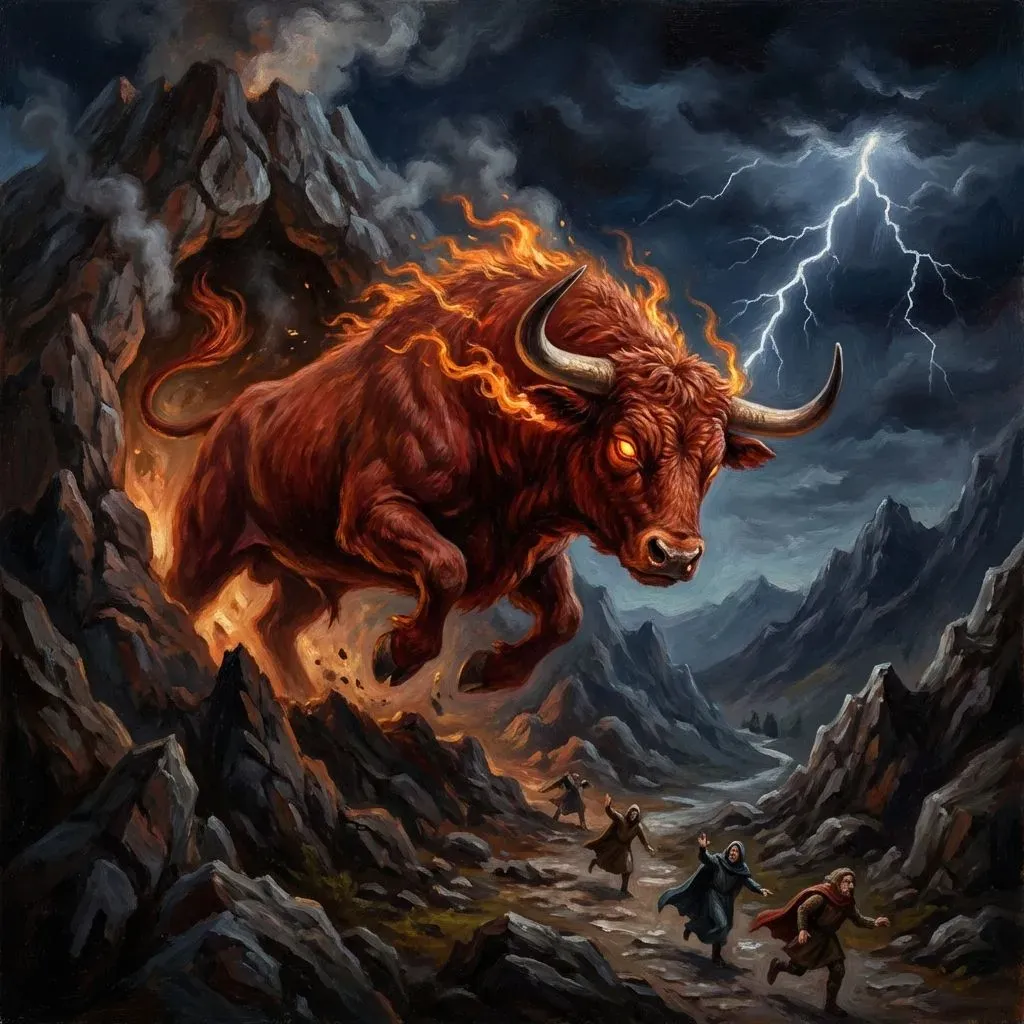
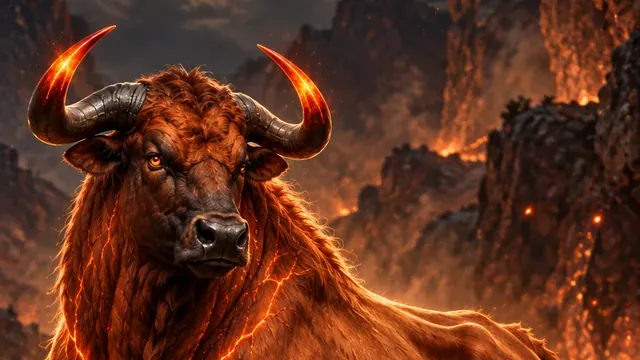
In many versions, that guardian is linked to Zezengorri, whose fiery, threatening presence appears where roads divide and where travellers must choose a direction under uncertain conditions.
The guardian does not simply menace at random. It protects a threshold. To stand at a crossroads at night is to enter a place where the ordinary order weakens and the supernatural may impose its own warning.
This legend makes the meeting of roads into a moral space. The traveller is tested not only in courage, but in prudence, humility, and the ability to respect what cannot be fully understood.
Junctions where travellers claimed to sense or see the guardian.
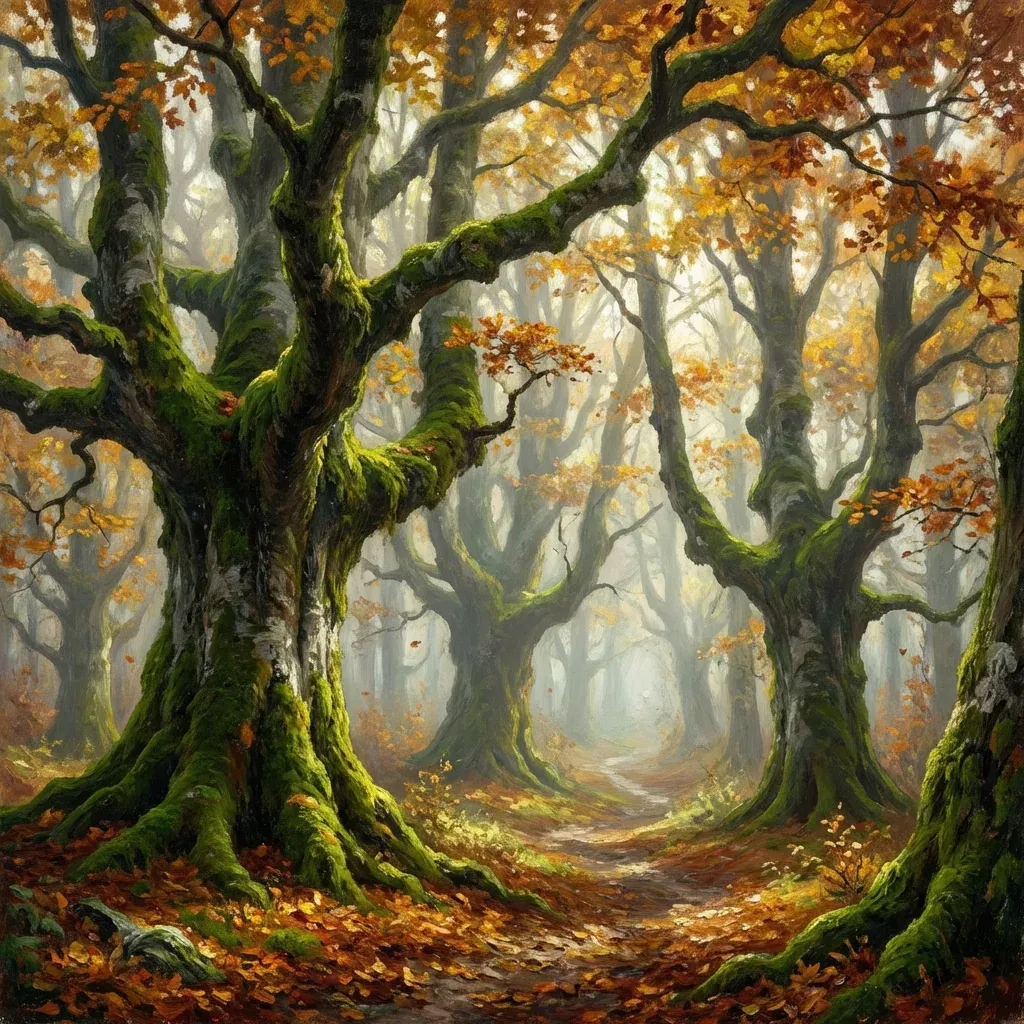
Routes where the feeling of being watched became part of oral memory.
The guardian of crossroads condenses a powerful symbolic truth: not every choice is neutral. The place where roads split is also the place where the world becomes unstable, and legend answers that instability with presence.
By assigning a supernatural watcher to the crossroads, the story turns geography into ethics. A wrong step is not merely physical; it may also be spiritual, especially at night and in solitude.
The link to Zezengorri strengthens that symbolism. Fire, animal power, and vigilance combine to make the guardian less a monster than a sentinel of the threshold.
This is why the legend lasts. It transforms the ordinary act of choosing a road into a moment charged with fear, respect, and awareness of unseen law.