Cave of Zugarramurdi
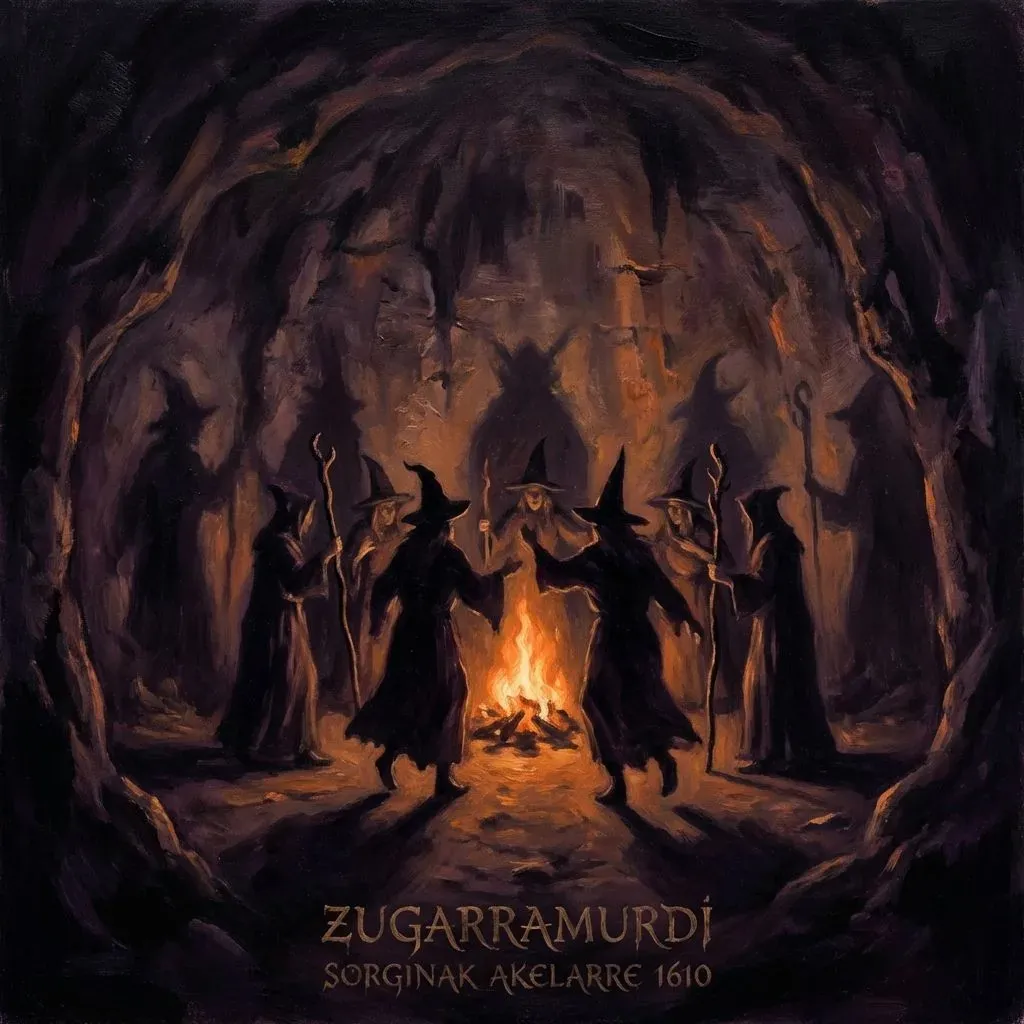
The destination of the witches' flight to the akelarre.
The witches' secret formula
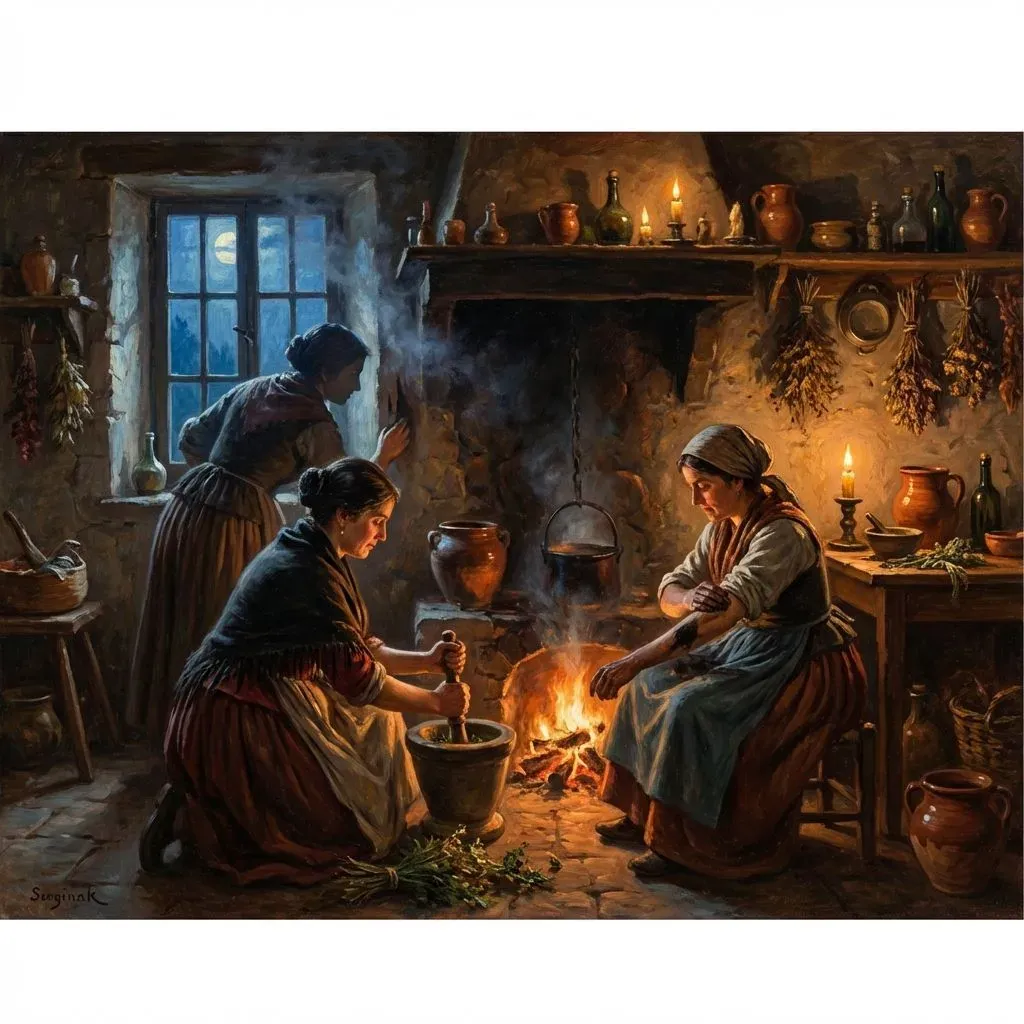
To fly to the akelarre, the Sorginak had to prepare a special ointment. Its ingredients were secret, passed from mother to daughter and from teacher to apprentice in rites that vanished into the depths of time. Each witch guarded her recipe as her most prized treasure.
According to inquisitorial records, the ointment contained the fat of an unbaptized child, toad blood, Saint John's wort gathered at midnight, and other substances that modern researchers identify as hallucinogenic plants: belladonna, henbane, mandrake. Applied to the skin, these could produce powerful visions.
The witches smeared the ointment over their bodies and their brooms, then recited the magical formula: Above the clouds, without touching anything! After that they flew through the chimney to the nocturnal meeting. Whether they truly flew, or whether the plants carried them into ecstatic visions, remains forever unresolved.
What is certain is that the witches' confessions described nearly identical sensations: the feeling of rising, the wind on the face, the nocturnal landscape under their feet. Whether magic or chemistry, the flight felt utterly real to those who lived it.
The destination of the witches' flight to the akelarre.
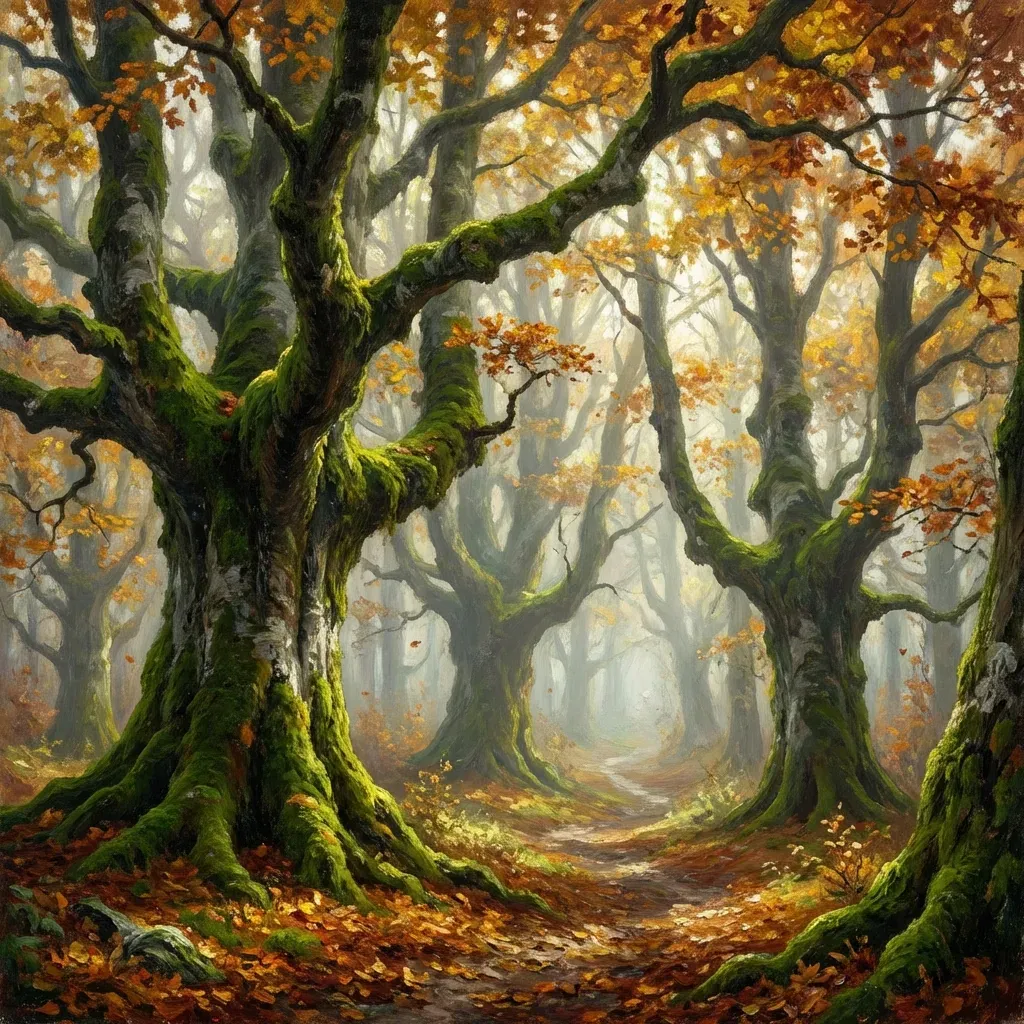
Where the ingredients of the ointment were gathered.
Among inquisitorial records and whispered village stories, one element returns again and again: the mysterious flying ointment. It stands at the crossroads of medicine, magic, and persecution.
This legend preserves the memory of a deep pre-Christian herbal knowledge that the Sorginak are said to have mastered. Plants capable of healing, poisoning, or altering consciousness became tools of both care and accusation.
To outsiders, the ointment proved diabolical guilt. To modern readers, it also suggests a sophisticated folk pharmacology whose effects may have shaped ecstatic visions of flight.
That duality keeps the story alive. The ointment remains both forbidden magic and a shadowed archive of women's embodied knowledge.
This secret, dark concoction supposedly contained poisonous concentrations of aconite and deadly nightshade, together with mandrake mixed with hot animal fats to ward off the mountain cold. Modern Basque anthropologists and historians interpret the vast legend of magical flight and mysterious nocturnal journeys to the akelarre as an intense narcotic dream, deliberately induced when these potent, dangerous plants were absorbed through the skin.
Yet popular oral imagination still clings to the romantic, supernatural wonder of those mysterious, brave, rebellious rural women, fearlessly mastering the icy, star-filled void above the free Navarrese valleys, soaring without engines beneath the immense silver glow of night.