Farmsteads of Euskal Herria
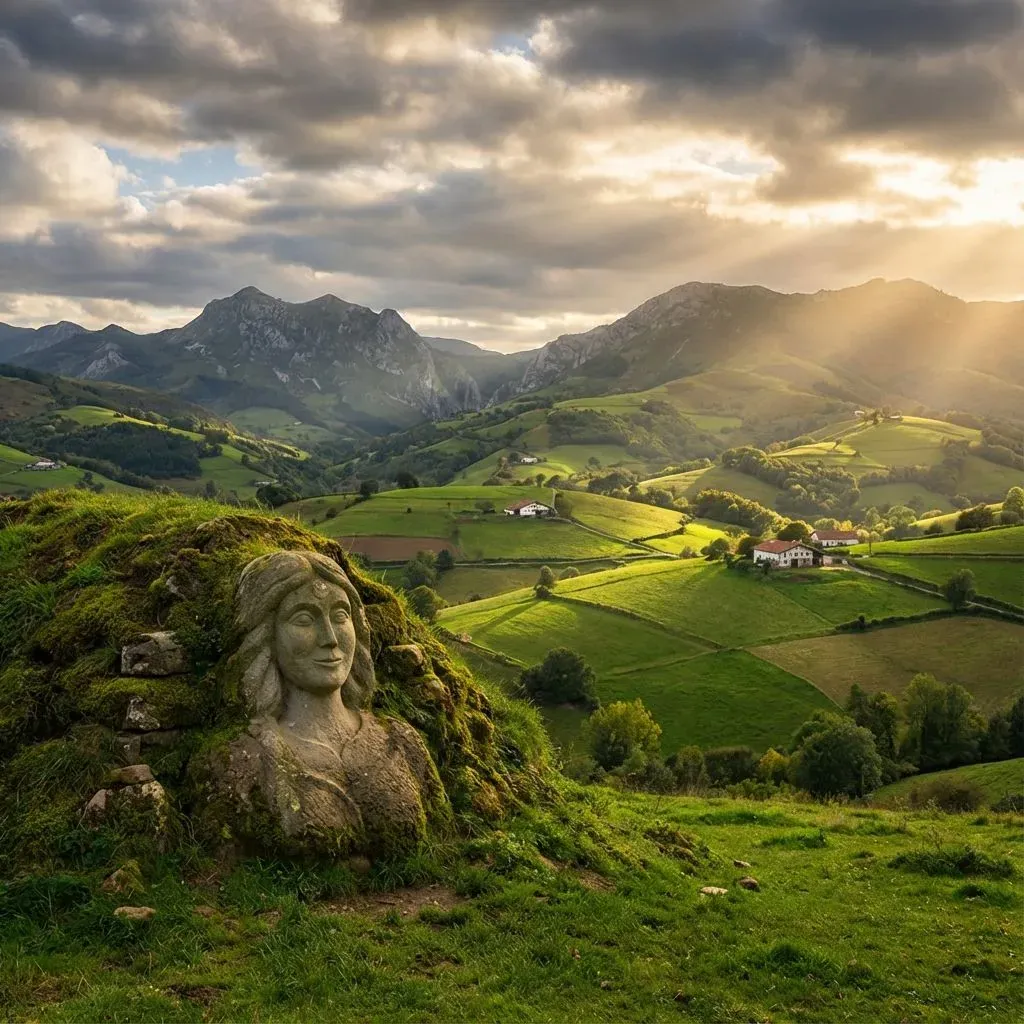
The domestic agricultural world where lunar farming endured for generations.
Ilargi?s influence on Basque agriculture
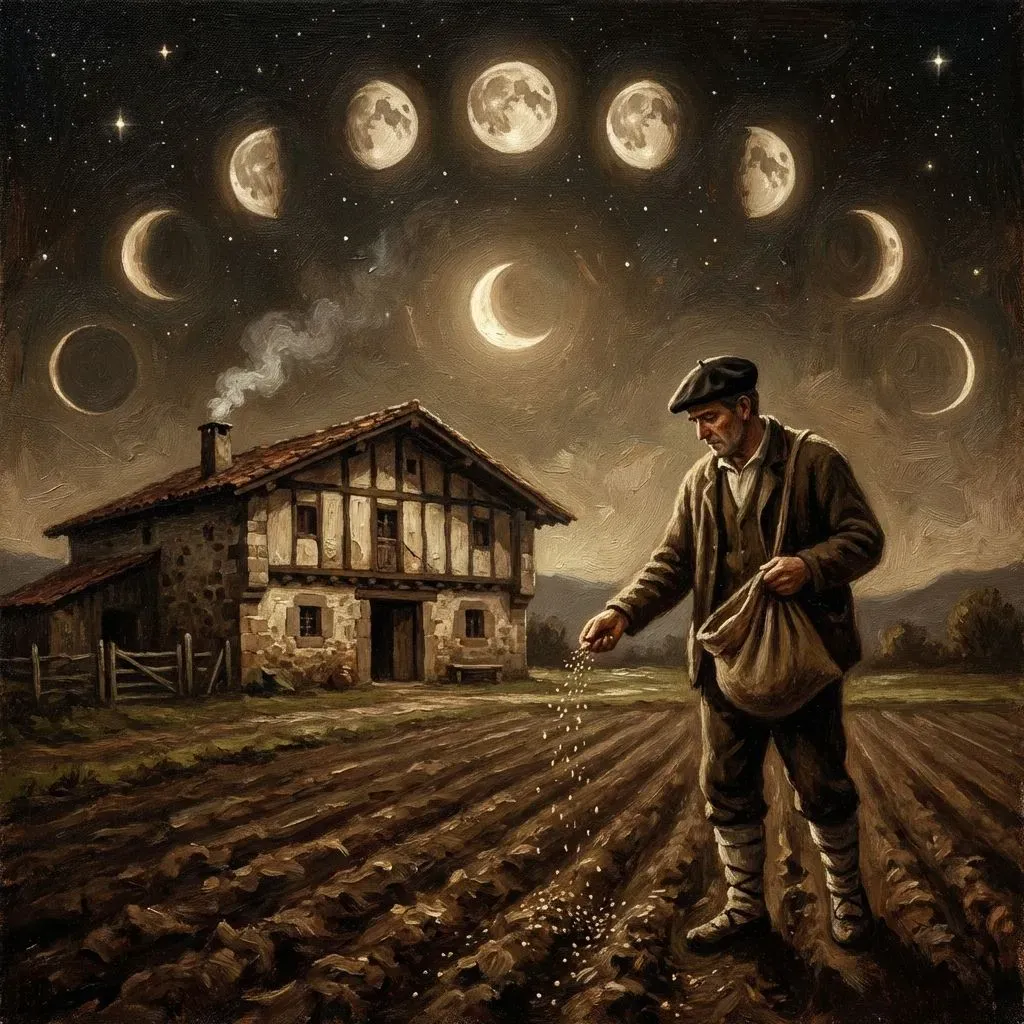
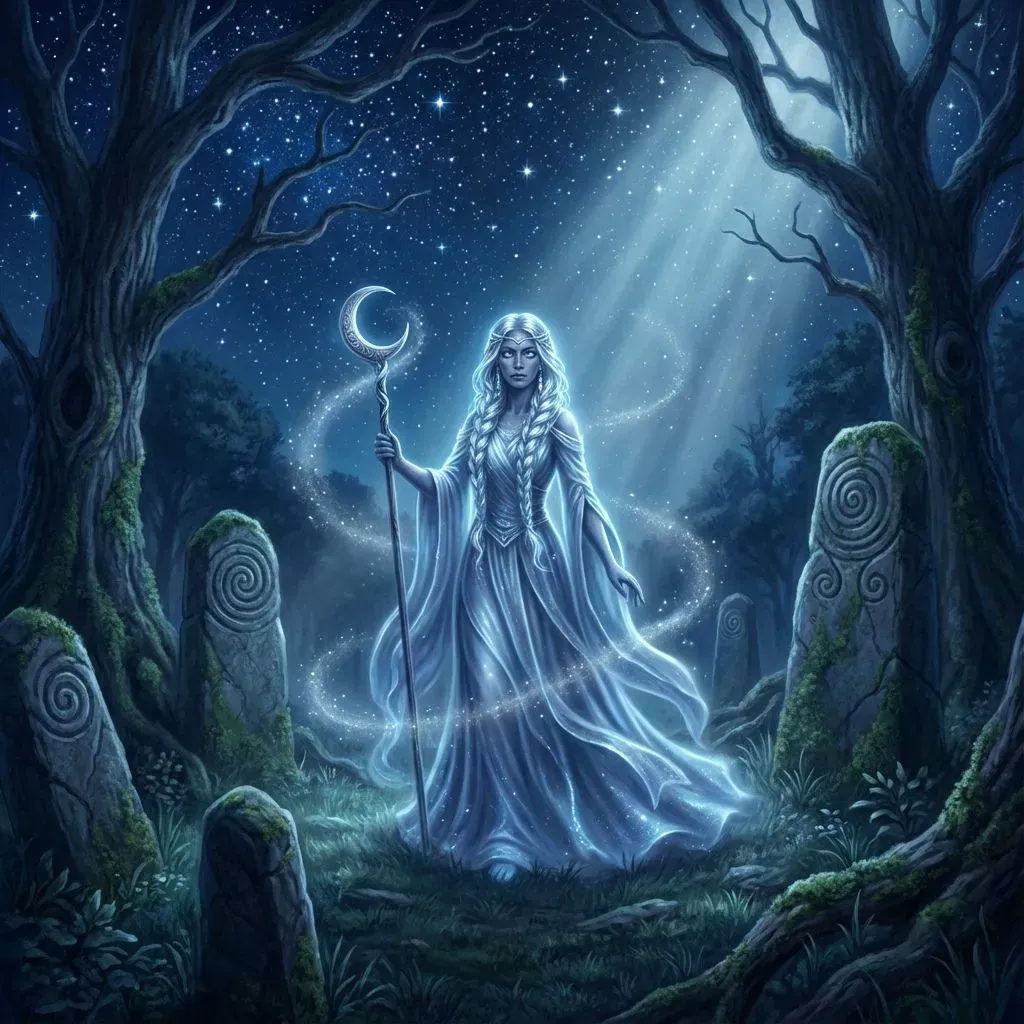
Basque farmers traditionally read the phases of Ilargi, the moon, as a practical calendar for sowing, pruning and harvesting. The sky was treated as an agrarian guide rather than a distant spectacle.
During the waxing moon they sowed crops that rise above the ground, while the waning moon favoured roots, pruning and tasks tied to the earth?s downward energy.
The full moon signalled abundance and harvest, whereas the new moon suggested rest, preparation and careful management of the fields and trees.
What survives in the legend is both symbolic and practical: the belief that lunar rhythm helps align human work with the hidden order of the land.
The domestic agricultural world where lunar farming endured for generations.
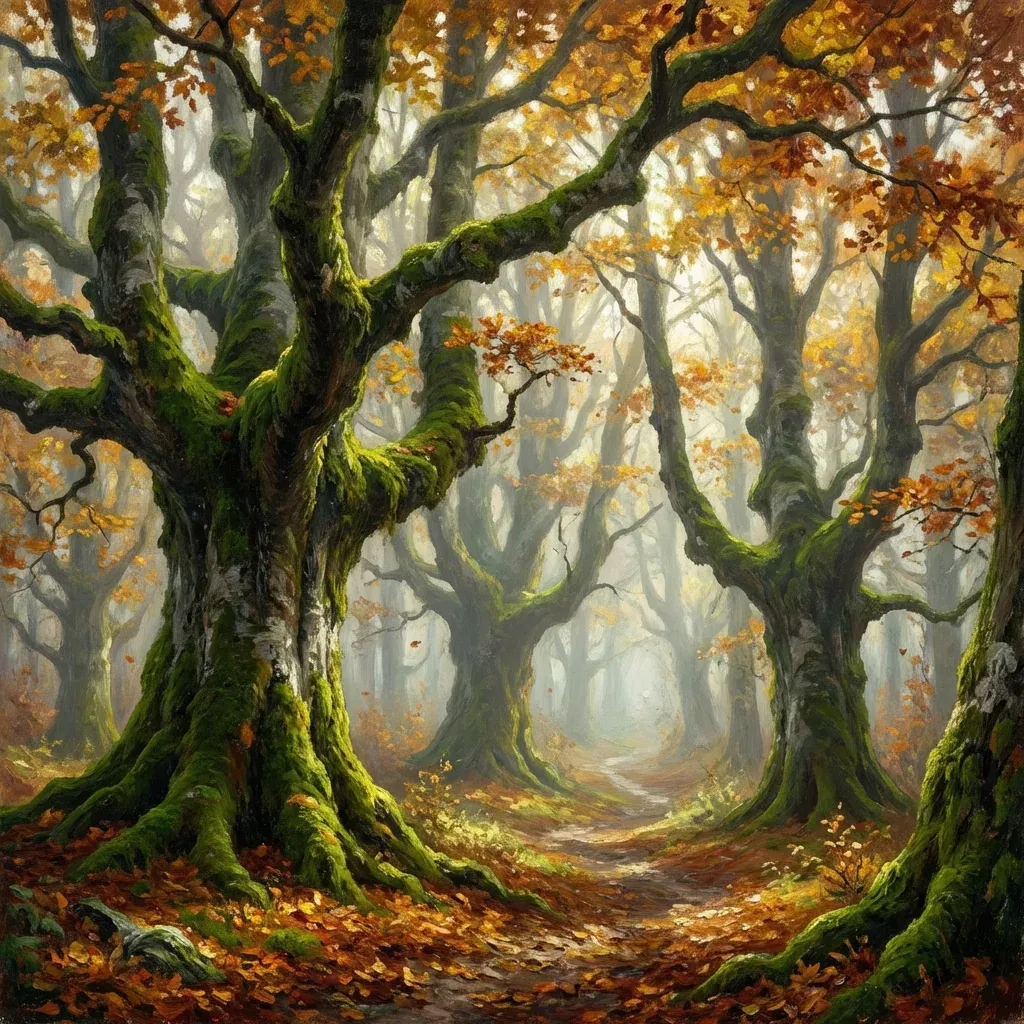
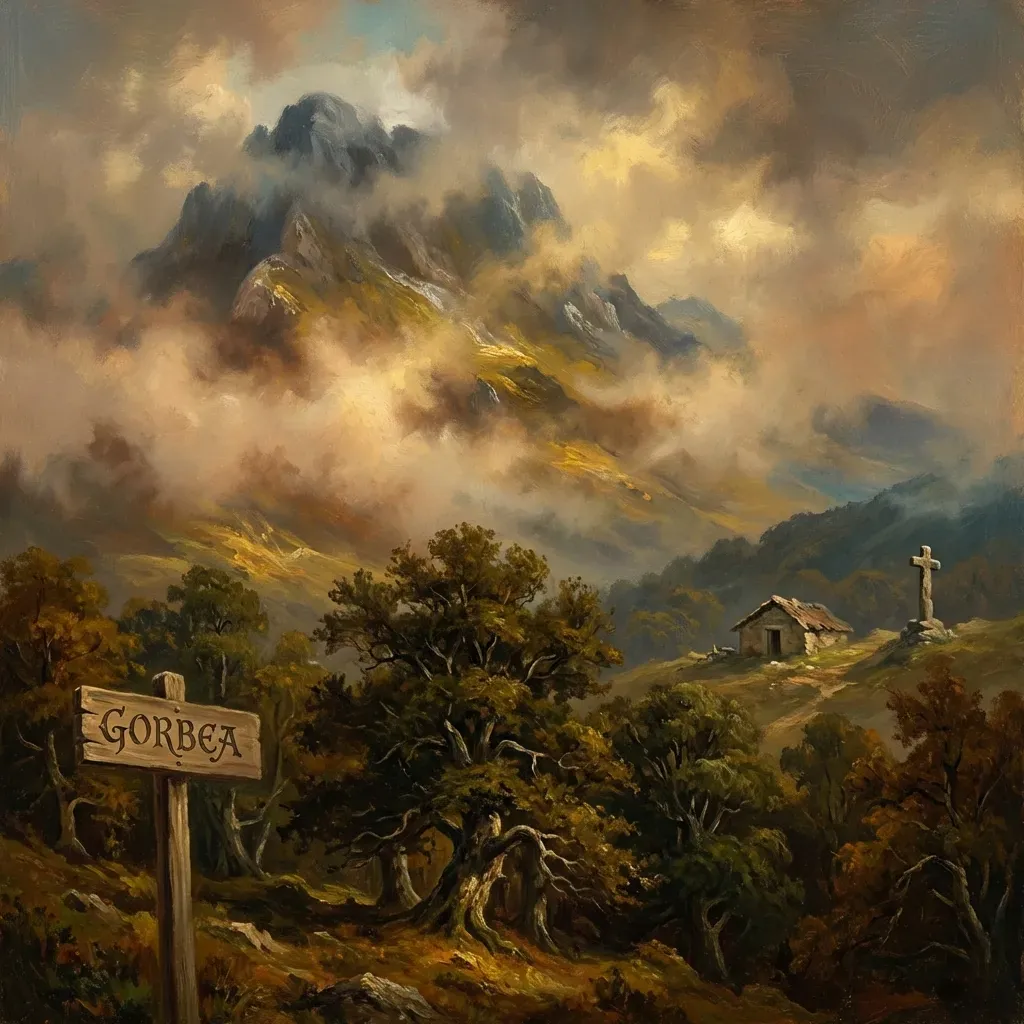
Places where the phases of Ilargi still guide seasonal work today.
For Basque farmers, Ilargi was not just a light in the night sky but a living timetable for work, patience and expectation.
Following the moon was a way of reading the territory itself. Farming became a conversation between earth, season and celestial rhythm.
Because the moon belongs to the family of Amalur in Basque myth, its phases never feel purely mechanical. They are part of a kinship between land, sky and labour.
That is why lunar agriculture remains culturally powerful even when modern science explains it differently: it preserves an old sense that cultivation should move in step with the world, not against it.