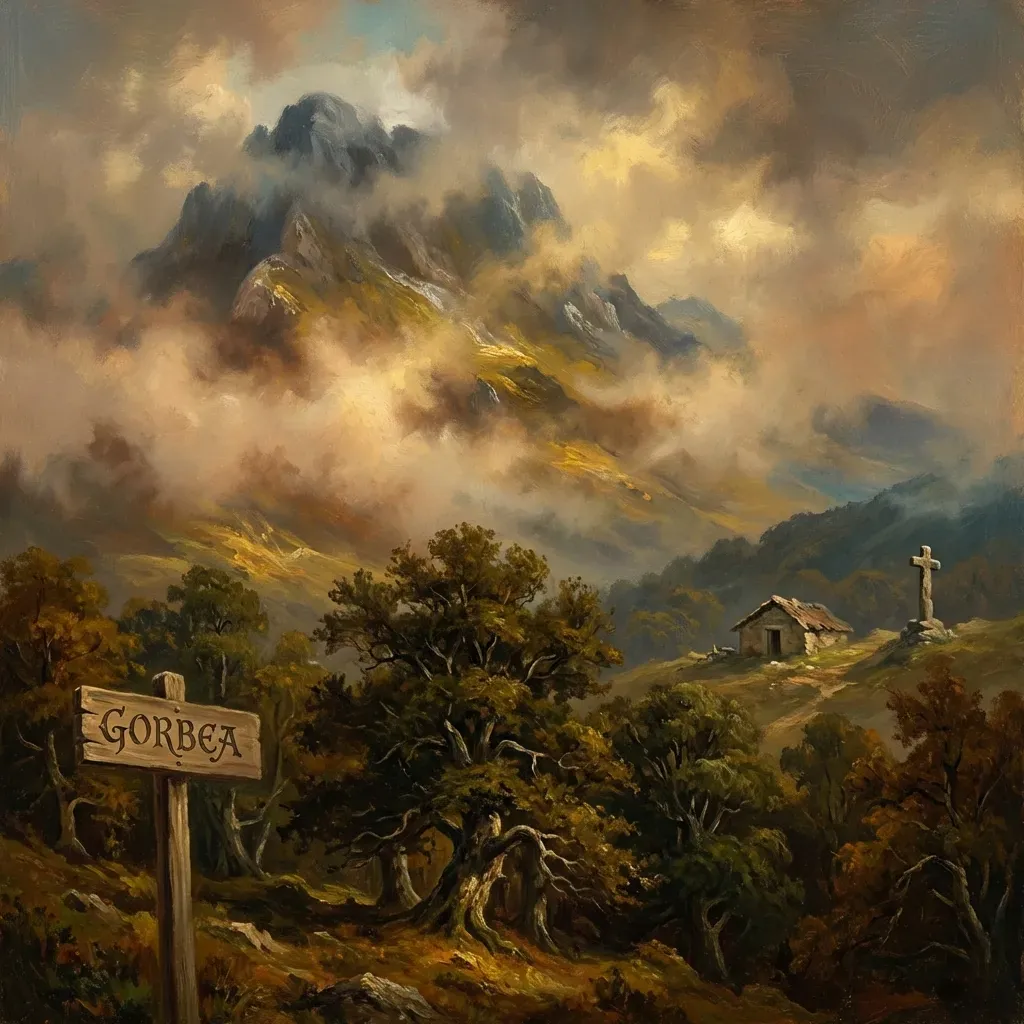
Farmhouse bedrooms
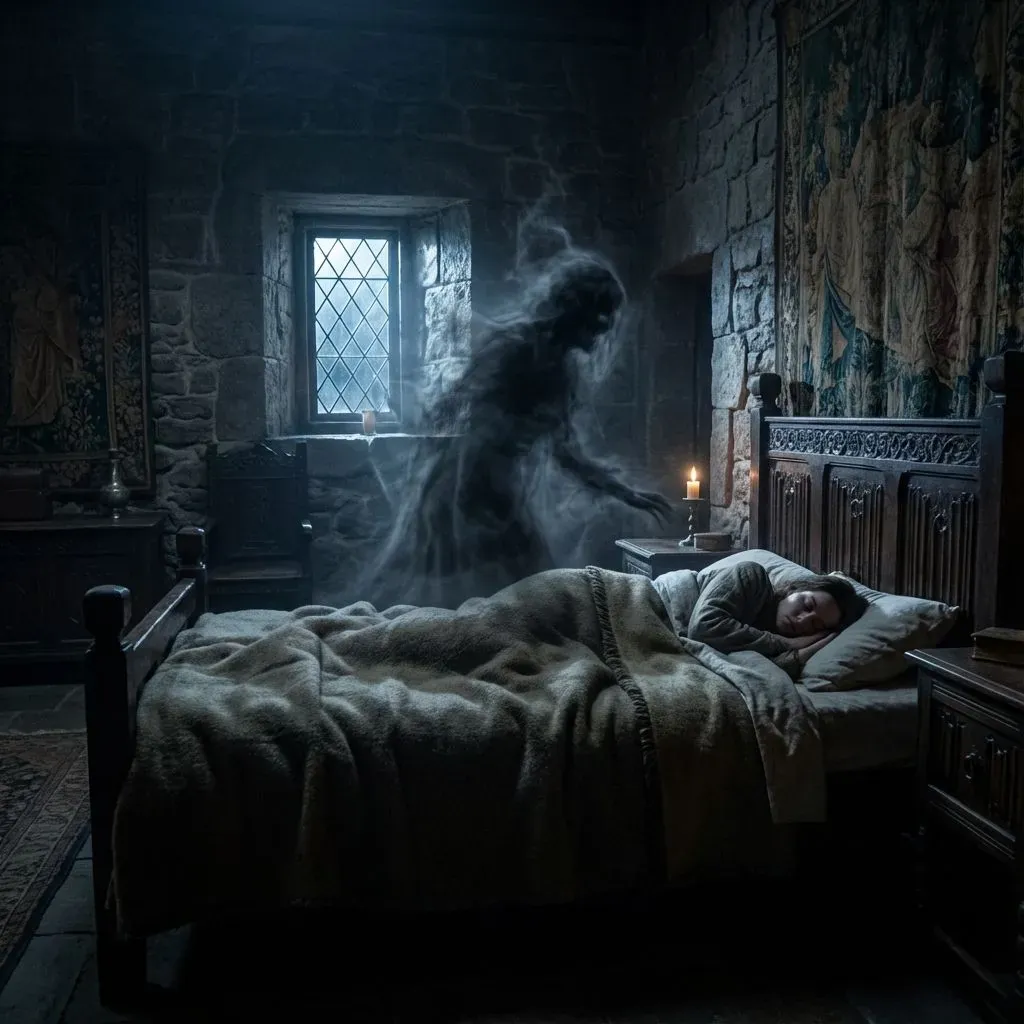
Where premonitory dreams visited the sleepers.
? Visions that announce a departure ?
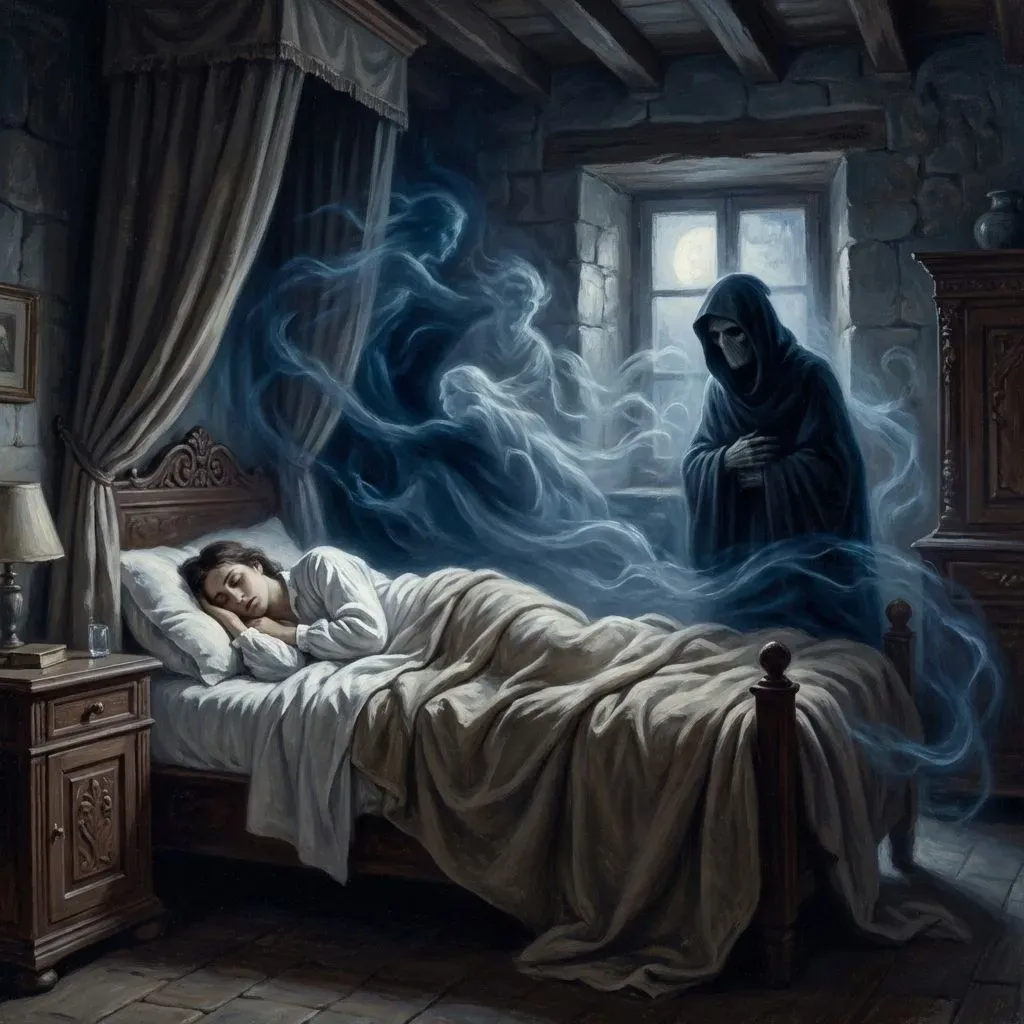
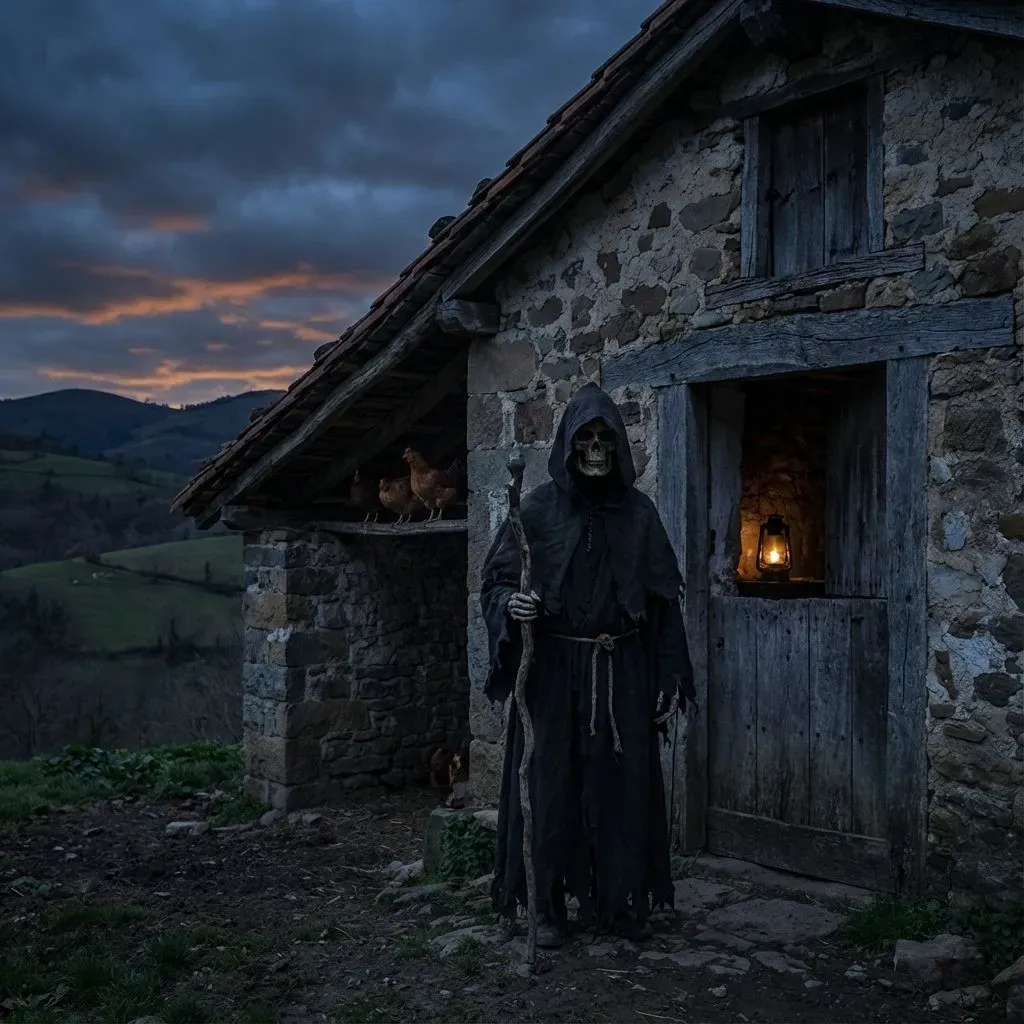
Herio has the courtesy to warn before visiting. Not always in person: often his message arrives in the form of a dream. Basques of earlier times paid special attention to nocturnal visions, knowing that the world of dreams was a gate to the beyond.
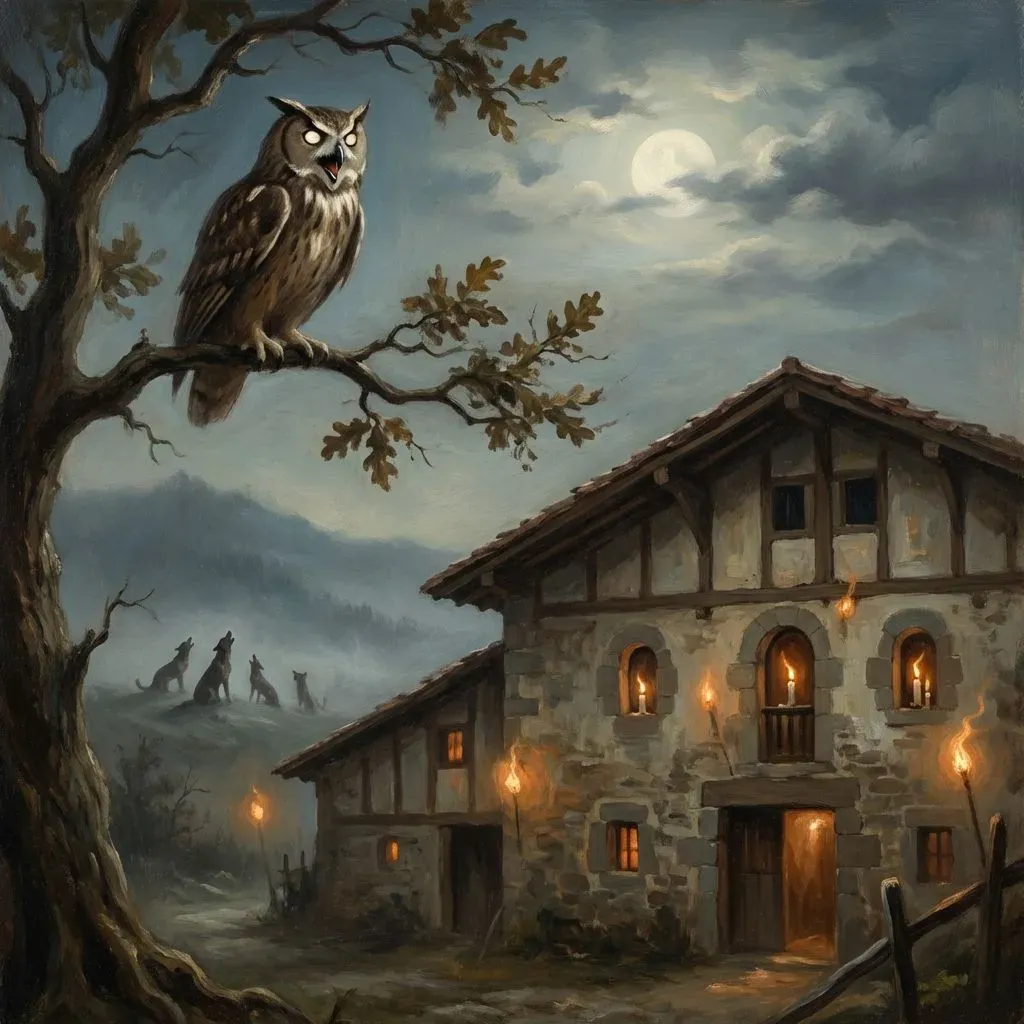
To dream of a relative dressed in mourning, of an empty house, of a clock that stops, or of a black bird entering through the window ? all of these were messages from Herio. The elders knew how to interpret such signs and prepare for farewell. They were not nightmares, but compassionate warnings that allowed time for final goodbyes.
An old woman from Azpeitia used to say that three nights before her mother died, she dreamed that her mother handed her an apron. ?Take good care of it,? she said within the dream. When the woman awoke in tears, she understood what it meant. She still had time to say farewell and to speak what needed to be spoken. Herio, in his cold kindness, had granted her that gift.
The most common symbols in these dreams were candles going out, windows opening by themselves, roads vanishing into fog and the dead returning with cryptic messages. Anyone who learned to read such dreams was never taken unawares by death, but reached the threshold prepared for the passage.
Where premonitory dreams visited the sleepers.

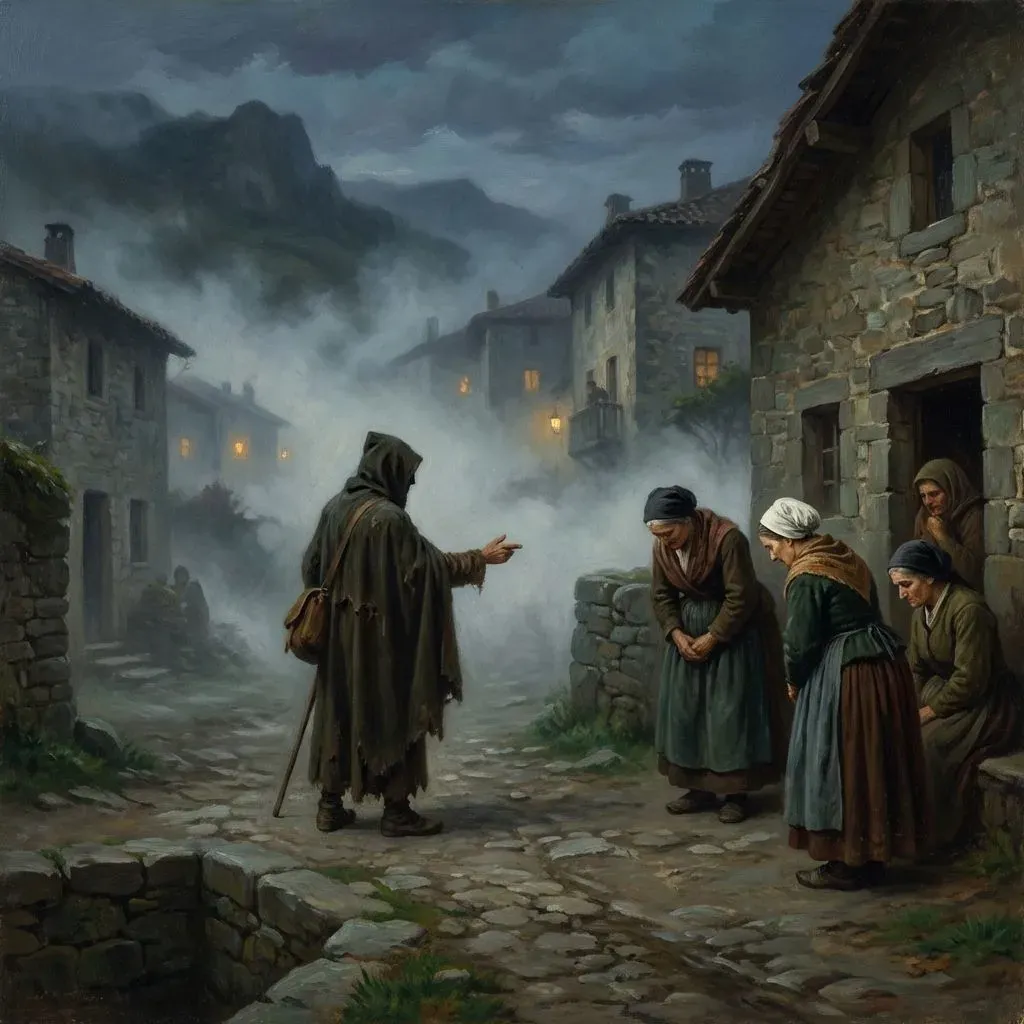
Homes where families shared and interpreted their dreams.
In Basque mythology, sleep is not simply bodily rest, but a state in which the soul becomes porous to influences that waking life keeps at a distance. During those vulnerable hours, certain messengers from the beyond could find the path toward the living who would soon be called away.
The nocturnal visit of a dead relative extending a silent hand, the repeated image of a road ending in a wall, or the sound of a name spoken by voices outside the known world were all signs treated with deep seriousness by tradition. Dreams formed part of the communication between worlds.
Those who received such warnings often told them to their family not in panic but in calm, as if they had been given important information that should not be lost. In this way, death entered household conversation before it arrived, making farewell possible.
This approach differs sharply from the modern idea of death as abrupt rupture. In these legends, the dream turns dying into a process that can be announced, interpreted and prepared for, preserving dignity and emotional continuity at the threshold between life and death.