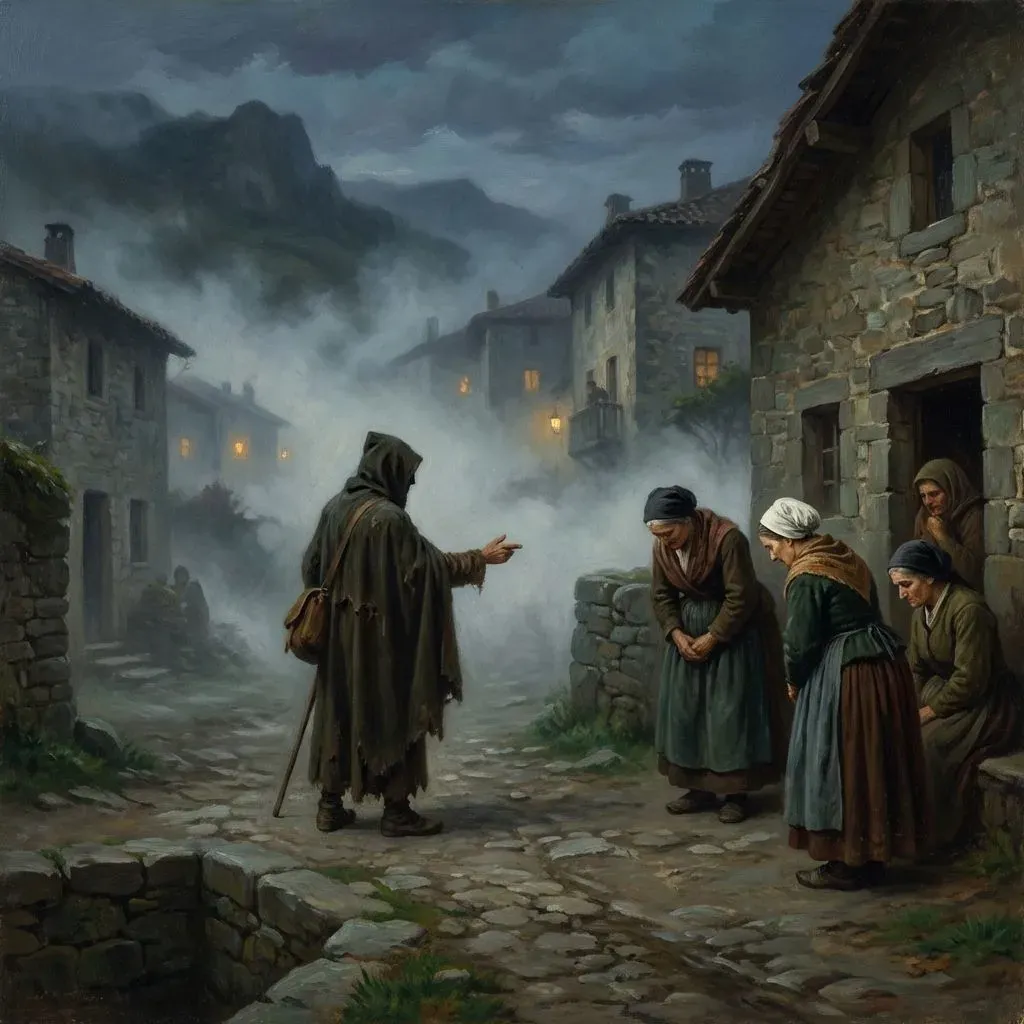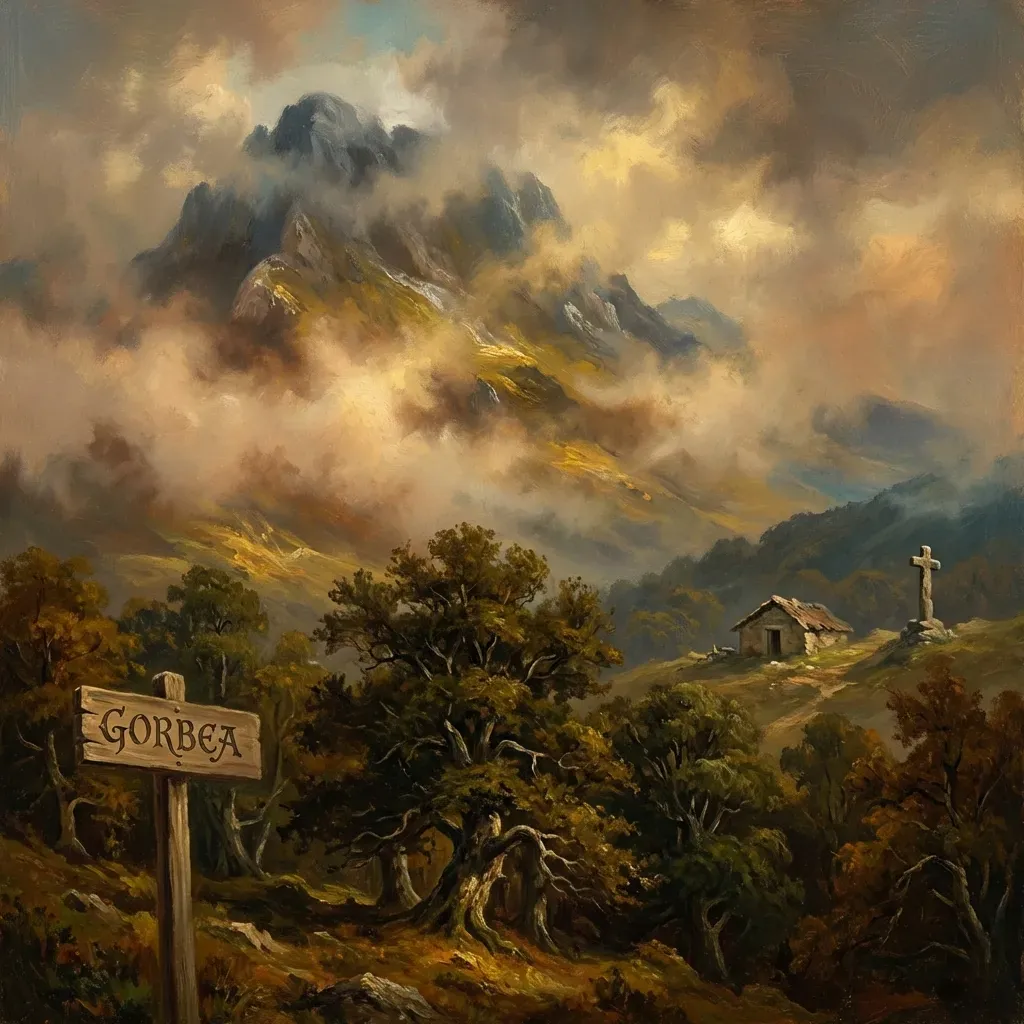
Ancestral cemeteries
Where the dead rest close to their homes.
? Death as part of cosmic order ?
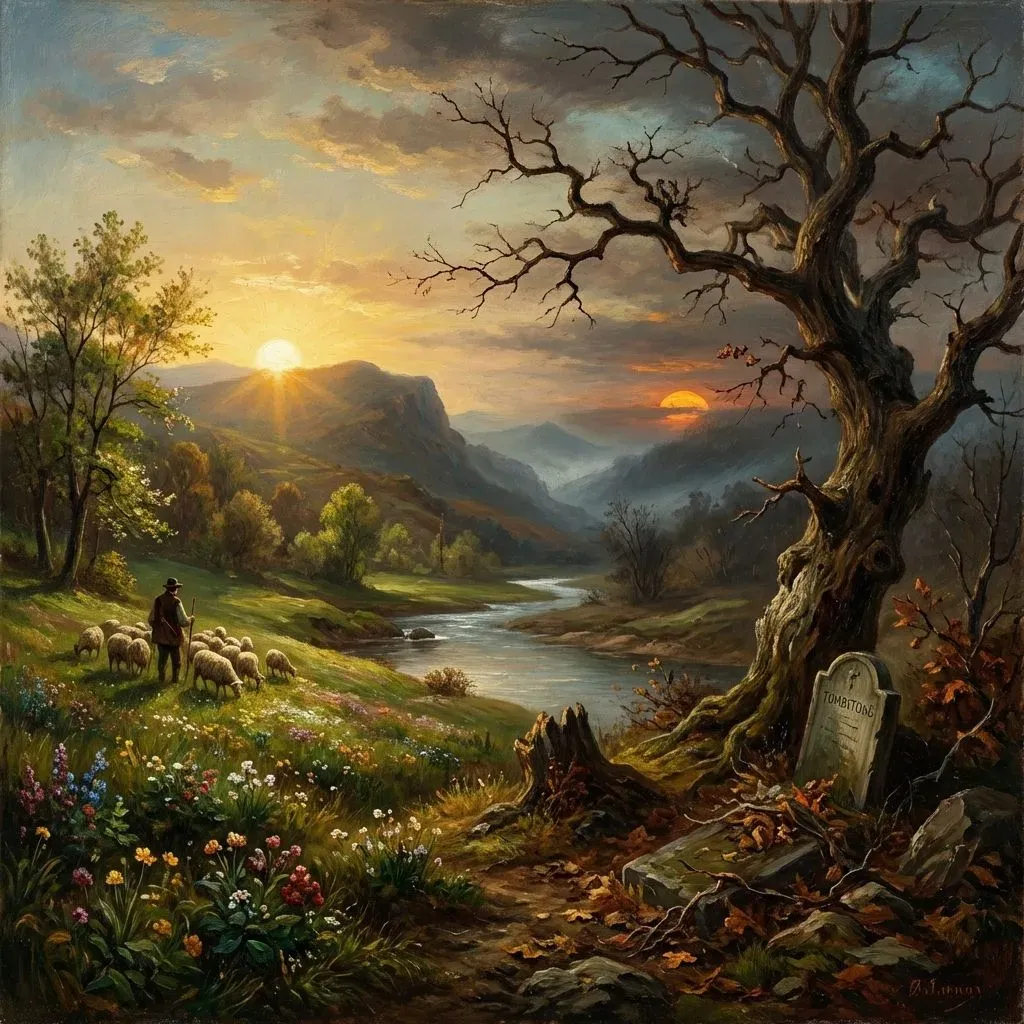
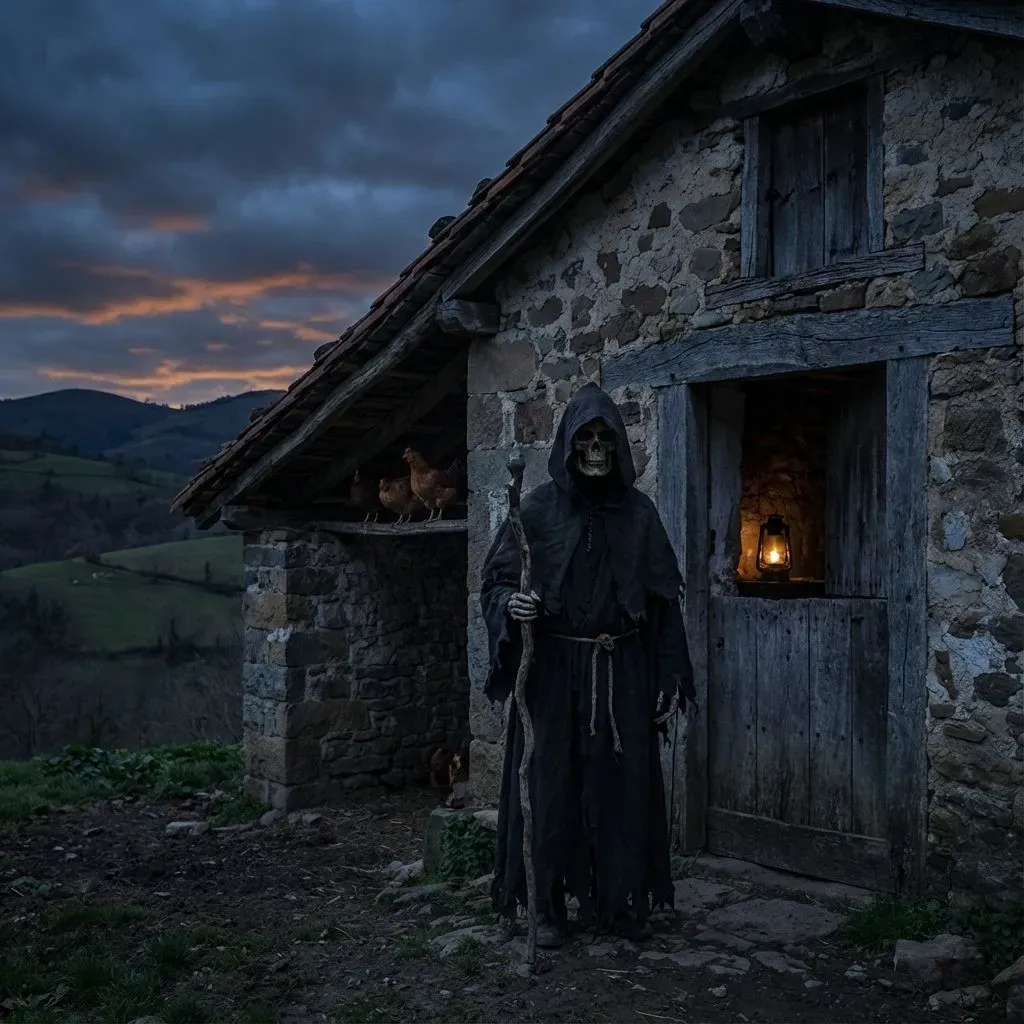
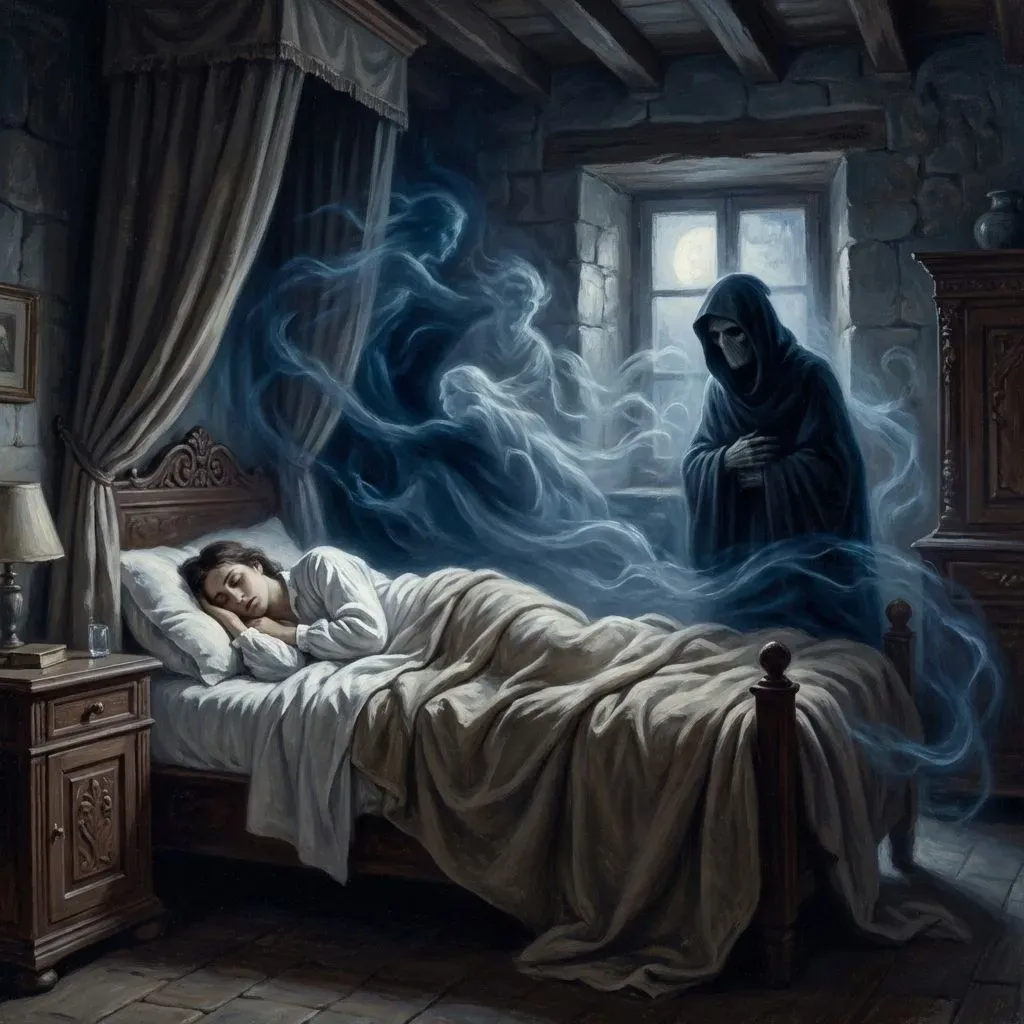
In the Basque worldview, Herio is not an enemy but a servant of natural order. Without death there is no renewal, and without an ending there can be no new beginning. Herio is as necessary as the sun that makes crops grow.
Elders taught that death should not be feared but respected. Leaves fall so that others may be born, animals die so that others may live, and humans pass away so that the children of their children may come. Each generation becomes one link in an endless chain joining past and future.
For that reason, traditional Basque funerals were not only moments of grief but also of remembrance and shared celebration. Stories of the dead were recalled, their anecdotes retold, and their memory honoured in community. If Herio had come, it meant that a life had truly been lived.
This attitude helps explain why ancestor veneration remained so strong. The dead continued to belong to the family, present in important decisions and invoked in difficult moments. Herio did not break families apart; he simply gave them another way of remaining together.
Where the dead rest close to their homes.
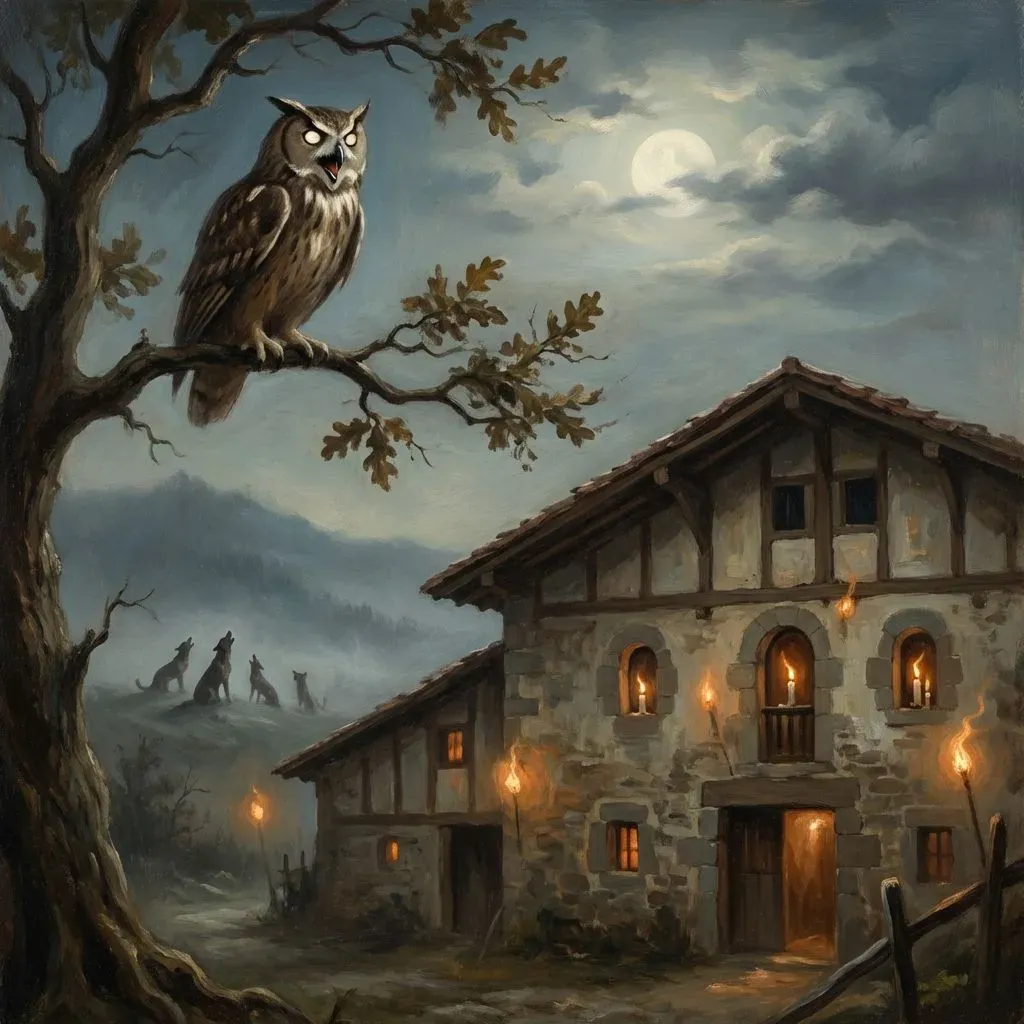
Centres of vigils and traditional funeral rites.
The Basque understanding of death was shaped by a rural and sacred view of the world in which nothing ends without becoming the beginning of something else. Life, soil, harvest and lineage all moved within the same larger cycle, and death belonged fully to that order.
Herio appears in that framework not as a demonic force but as the necessary guardian of transition. He closes what has reached its end so that renewal can occur. This gives death meaning within the moral and cosmic balance of the world rather than placing it outside life as a scandal or rupture.