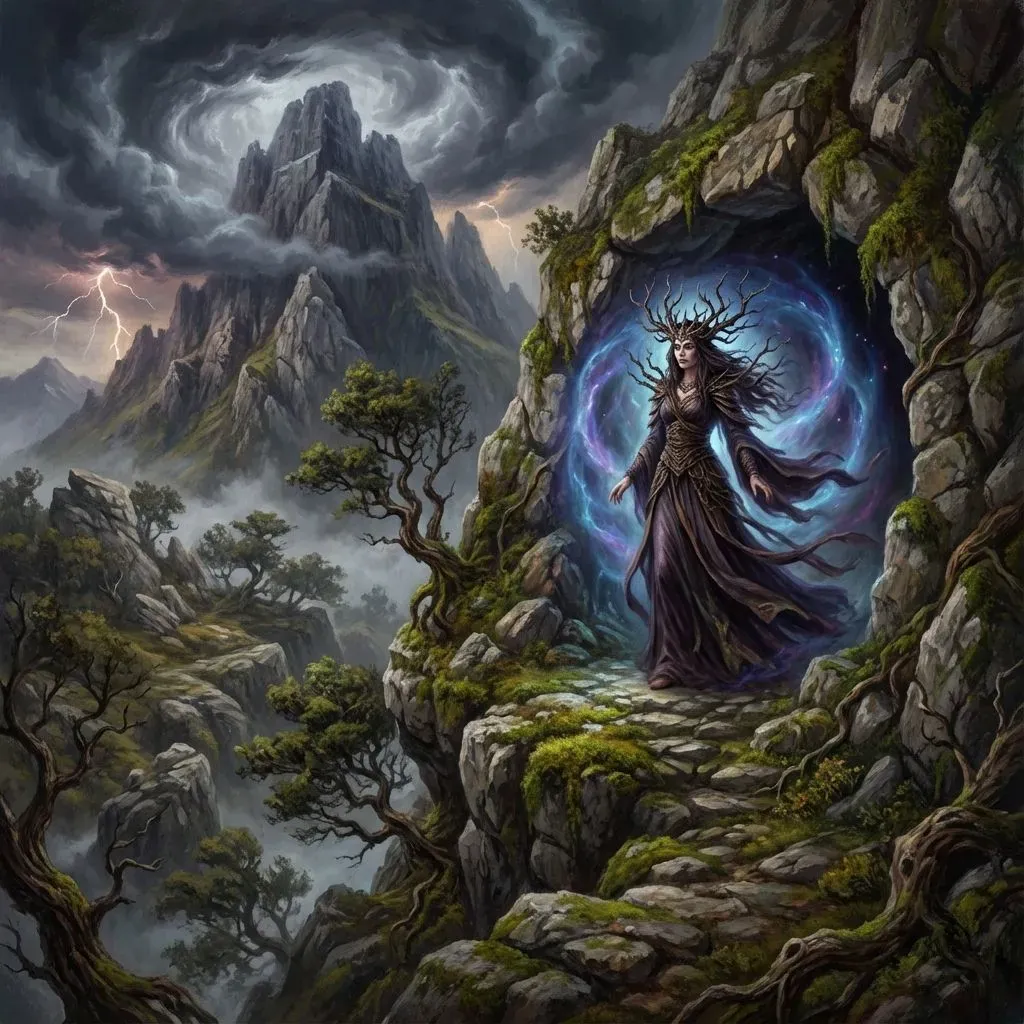
Anboto cave
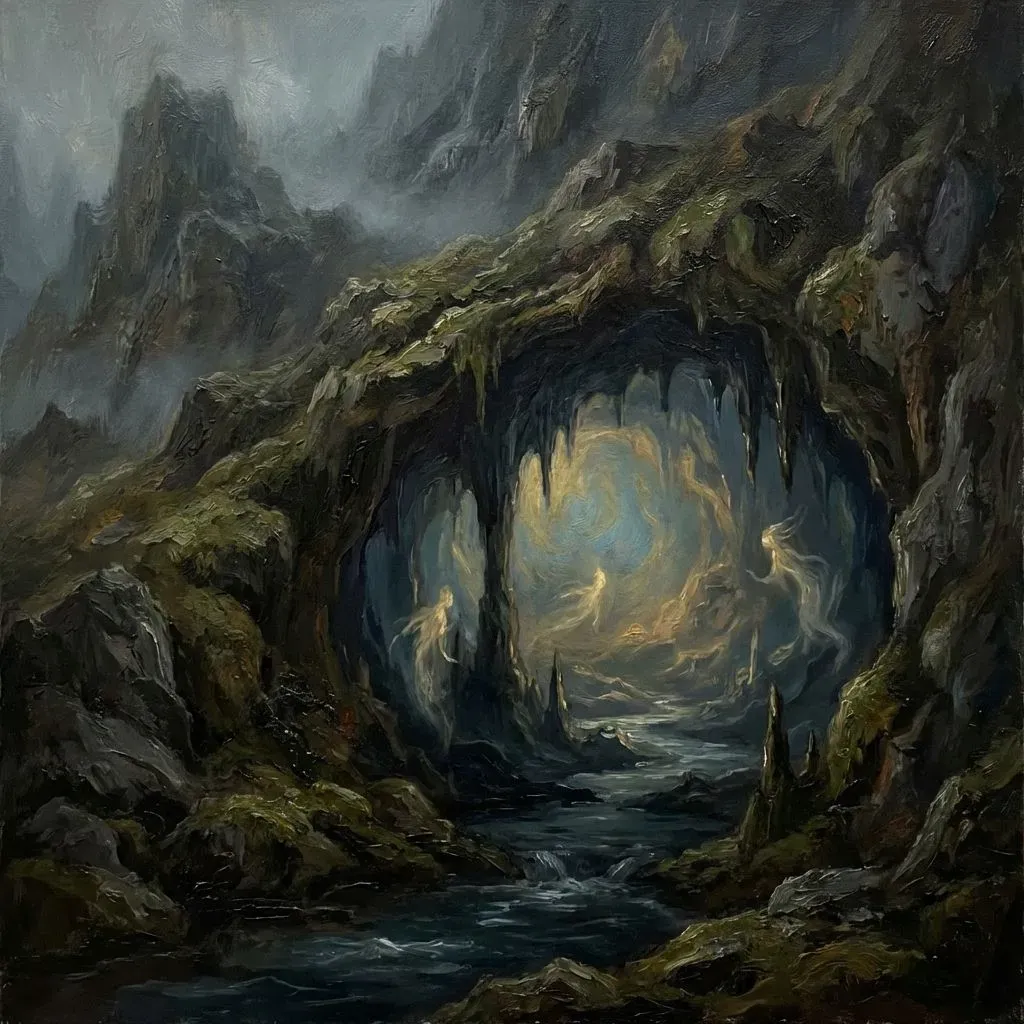
A sacred entrance associated with Mari and supernatural punishment.
The severe lesson for whoever profanes a sacred cave
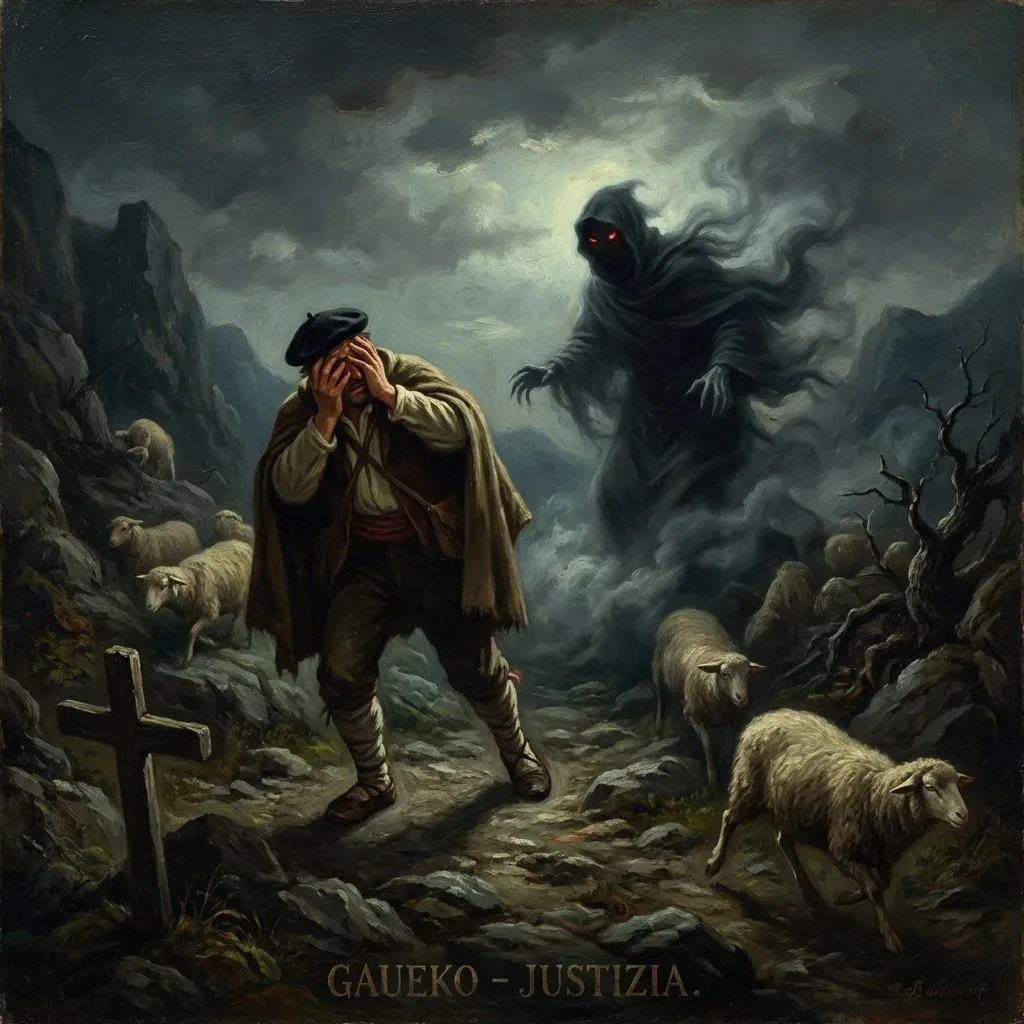
A shepherd from the mountains approaches a sacred cave with too much confidence, mocking or ignoring the forces that dwell within. In the legends tied to Anboto and Mari, that kind of irreverence is never without consequence.
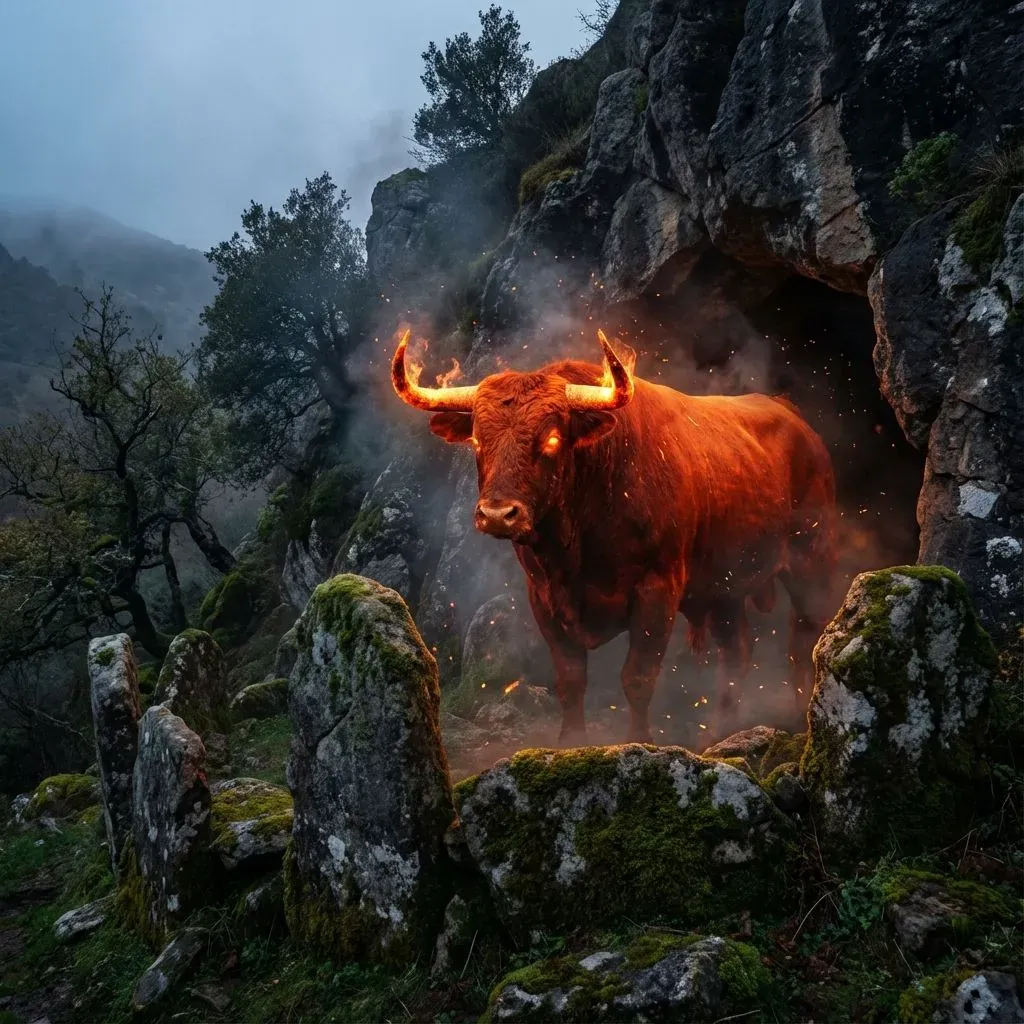
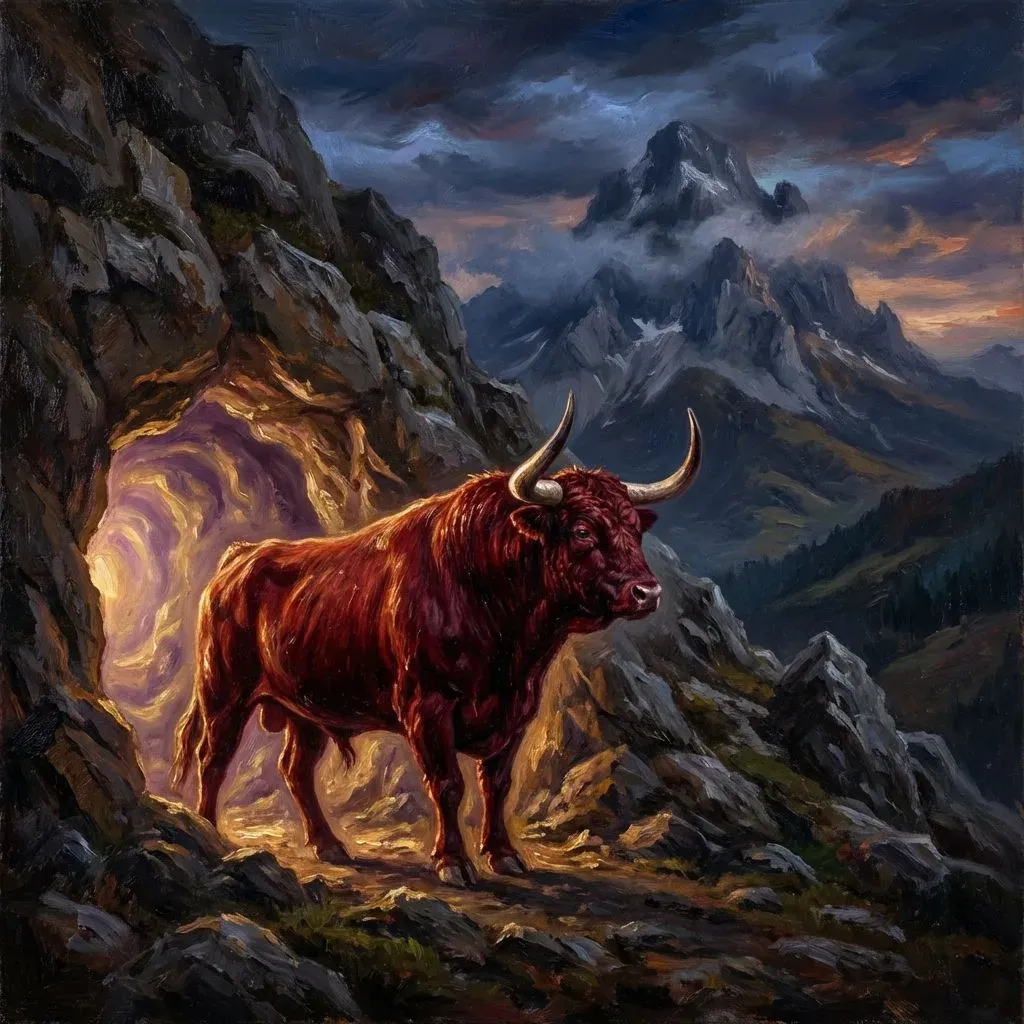
Sometimes the punishment comes through Aatxe, who appears as the fierce guardian of the threshold. In other versions, Mari herself allows the offender to feel the full weight of the place he has insulted.
The point is not simple revenge. The story teaches that caves linked to the divine are not ordinary shelters or curiosities. They are places governed by rules of reverence, silence, and restraint.
The shepherd is punished so that the community remembers the lesson. Sacred places do not become less sacred because a human treats them carelessly.
A sacred entrance associated with Mari and supernatural punishment.
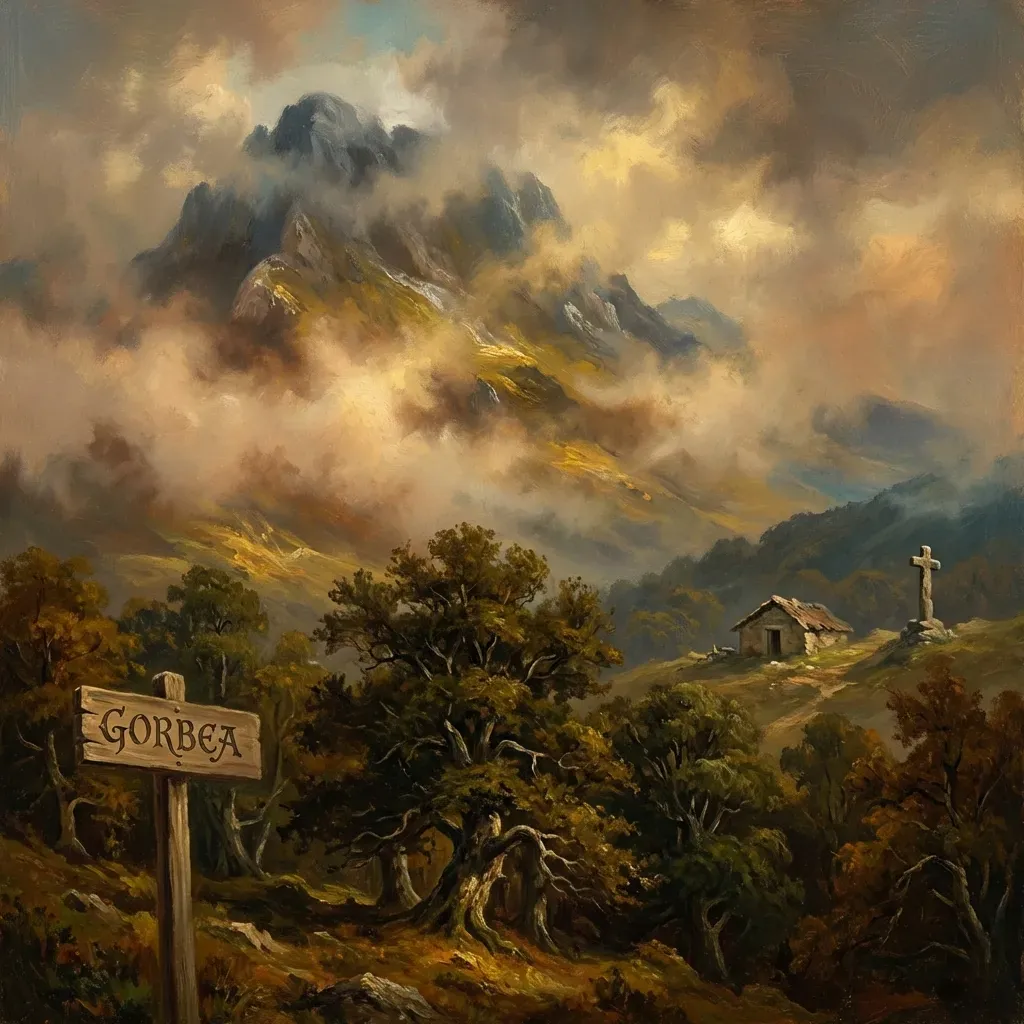
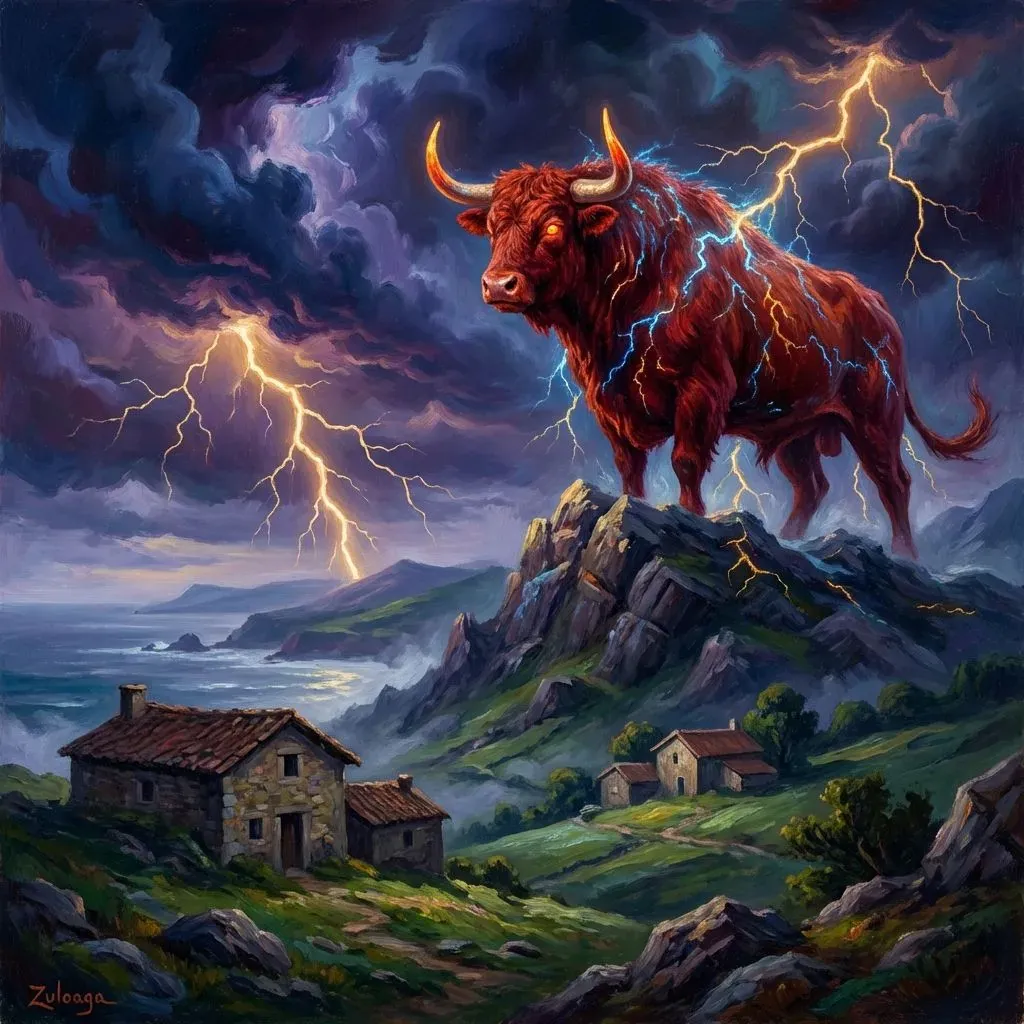
Pastoral landscapes where memory of the warning survives.
This legend is built around an act of desecration. A human being believes that boldness or mockery can prevail over a sacred place, and the story answers by restoring the hierarchy between mortal arrogance and mythic authority.
The punished shepherd is not simply an individual offender. He is a warning figure, someone whose error is remembered so that others do not repeat it. That is how oral tradition turns punishment into communal memory.
Mari and Aatxe represent different faces of the same law: the mountain is inhabited, and its hidden spaces cannot be insulted with impunity. To cross that line is to provoke a response that is moral as much as supernatural.
The tale therefore preserves more than fear of caves. It preserves a cultural code of humility before landscapes believed to contain divine presence.