Teodosius of Goñi
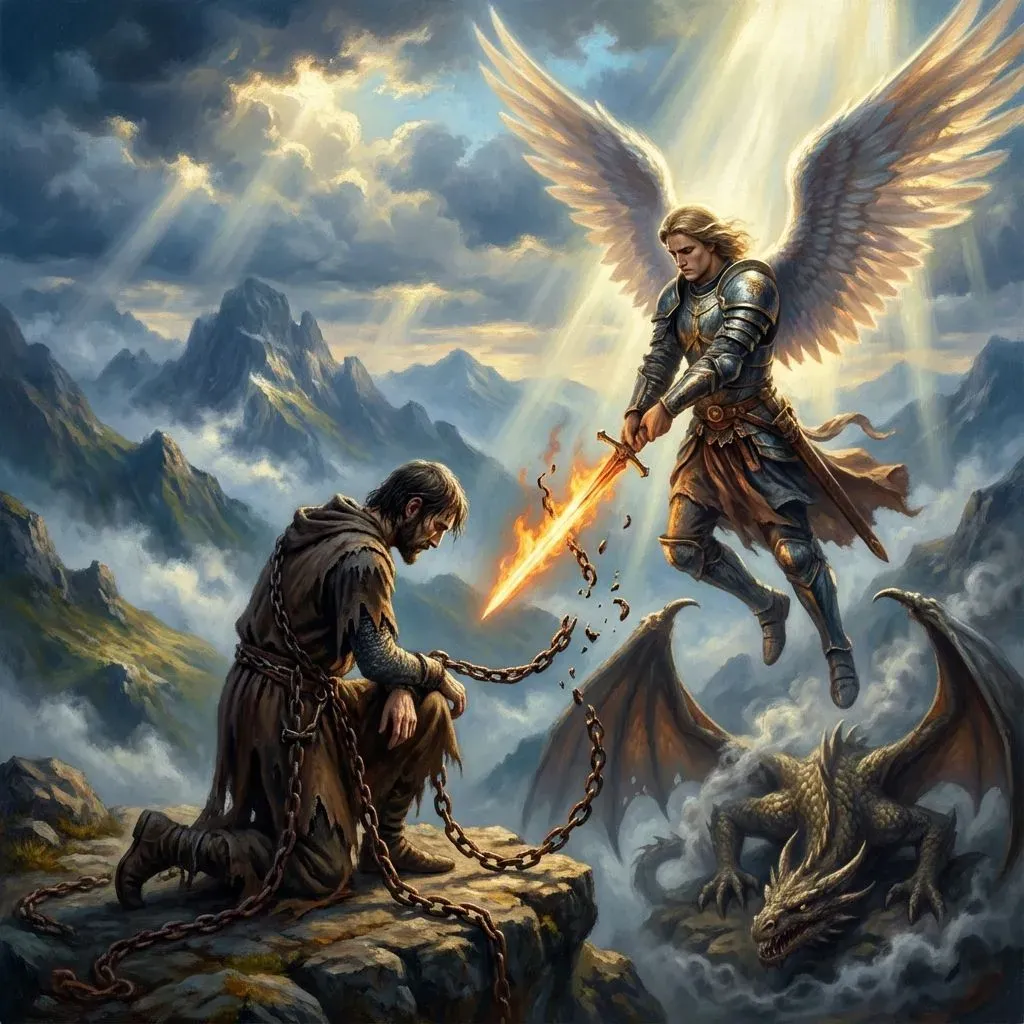
The Navarrese knight who, deceived by the devil, committed parricide and wandered in chains until Saint Michael freed him at Aralar.
— Gipuzkoa —
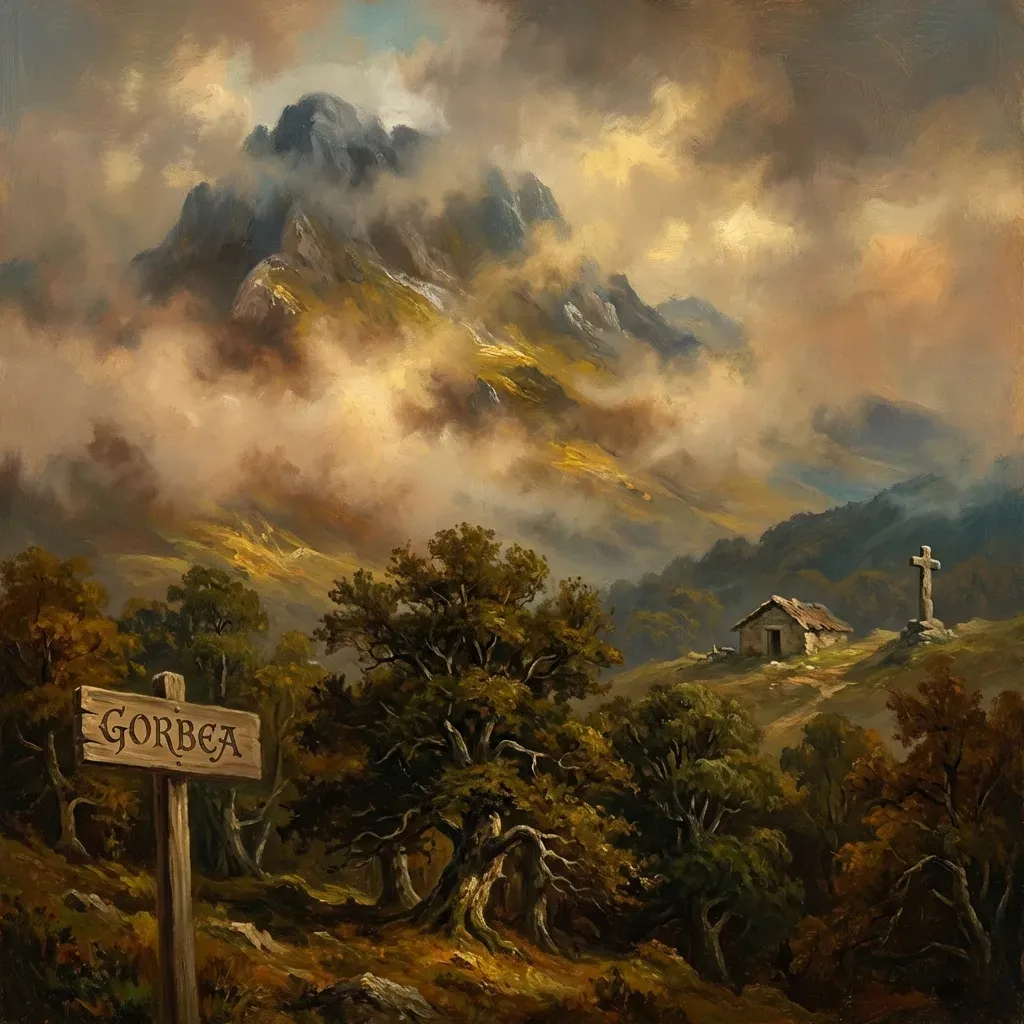
Ataun is a small Gipuzkoan municipality on the slopes of the Aralar range, one of the territories most densely charged with Basque mythology and legend. More than a village, it has become one of the essential landscapes for understanding the mythical imagination of Euskal Herria.
The territory of Ataun is dotted with mythical places. Its dolmens and cromlechs, caves and springs, became the setting for legends centred on Mari, the jentilak, Basajaun and many other beings collected by oral tradition over generations.
Ataun is also inseparable from the work of Joxe Migel Barandiaran, the great anthropologist and priest who dedicated much of his life to preserving Basque mythology. Thanks to his research and the testimonies gathered in the area, Ataun became one of the best-documented crossroads between ethnography, landscape and legend.
Aralar Natural Park, which covers much of the municipality, offers countless hiking possibilities: centuries-old beech woods, mountain meadows with flocks of sheep and secluded hermitages. Ataun is an essential destination for anyone wishing to connect with the deepest roots of Basque culture.
The Navarrese knight who, deceived by the devil, committed parricide and wandered in chains until Saint Michael freed him at Aralar.
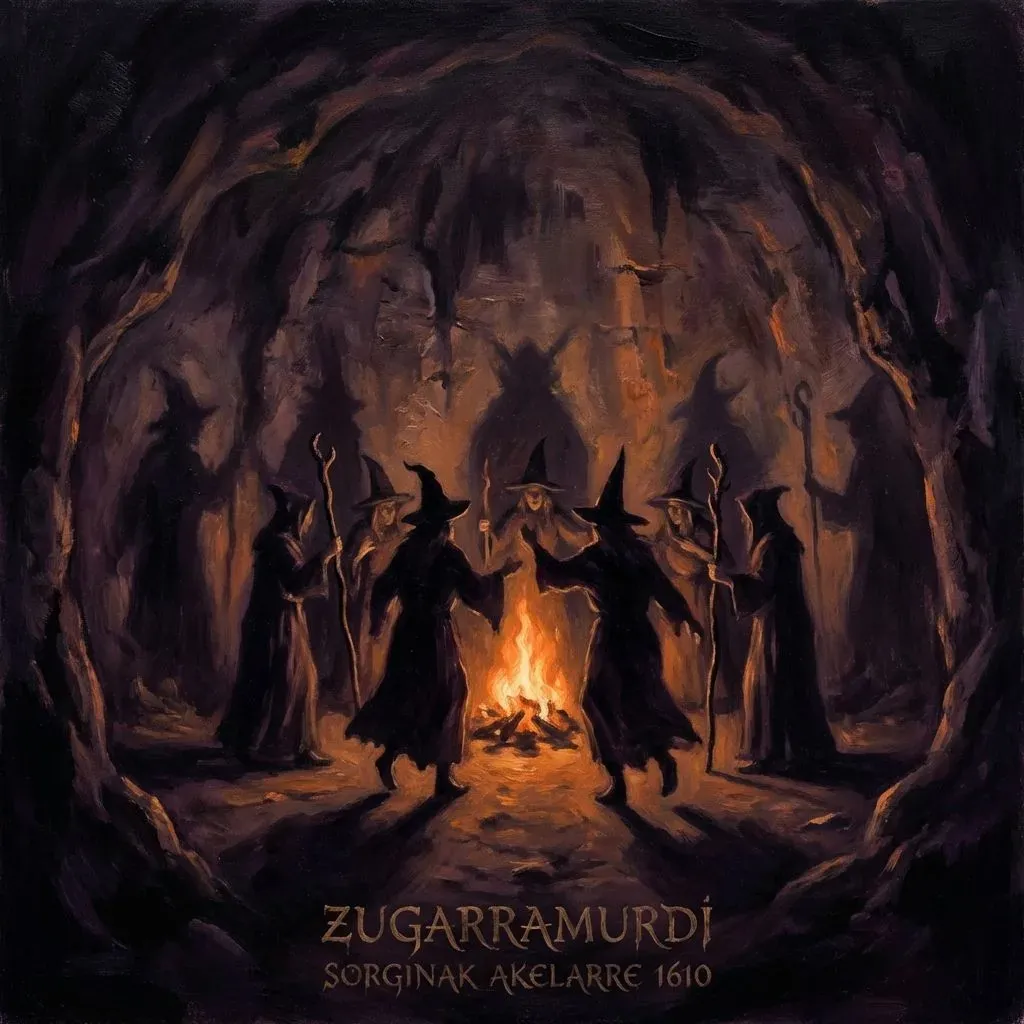
The famous inquisitorial trial of 1610 against the Navarrese witches who held akelarres in the sacred cave.
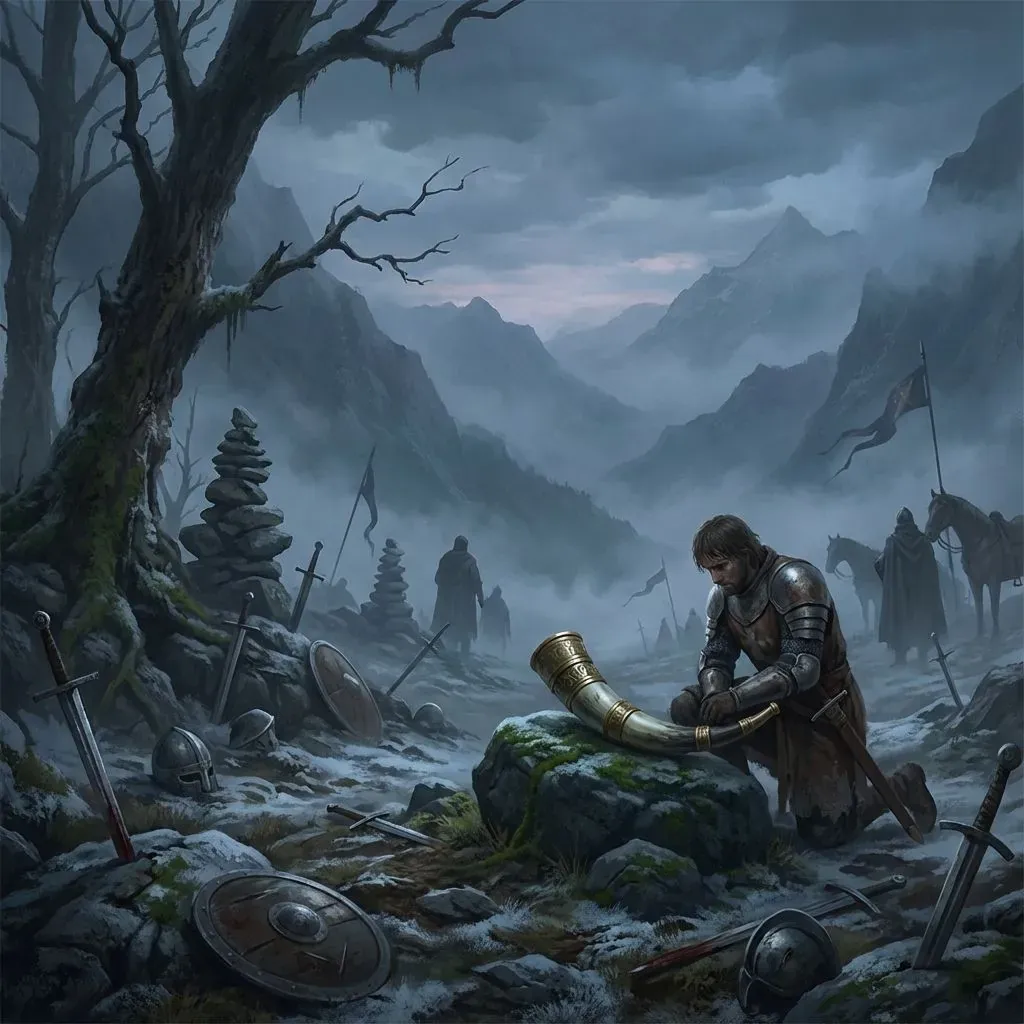
The Basque ambush against Charlemagne's army in the Pyrenean pass where the legendary Roland fell.
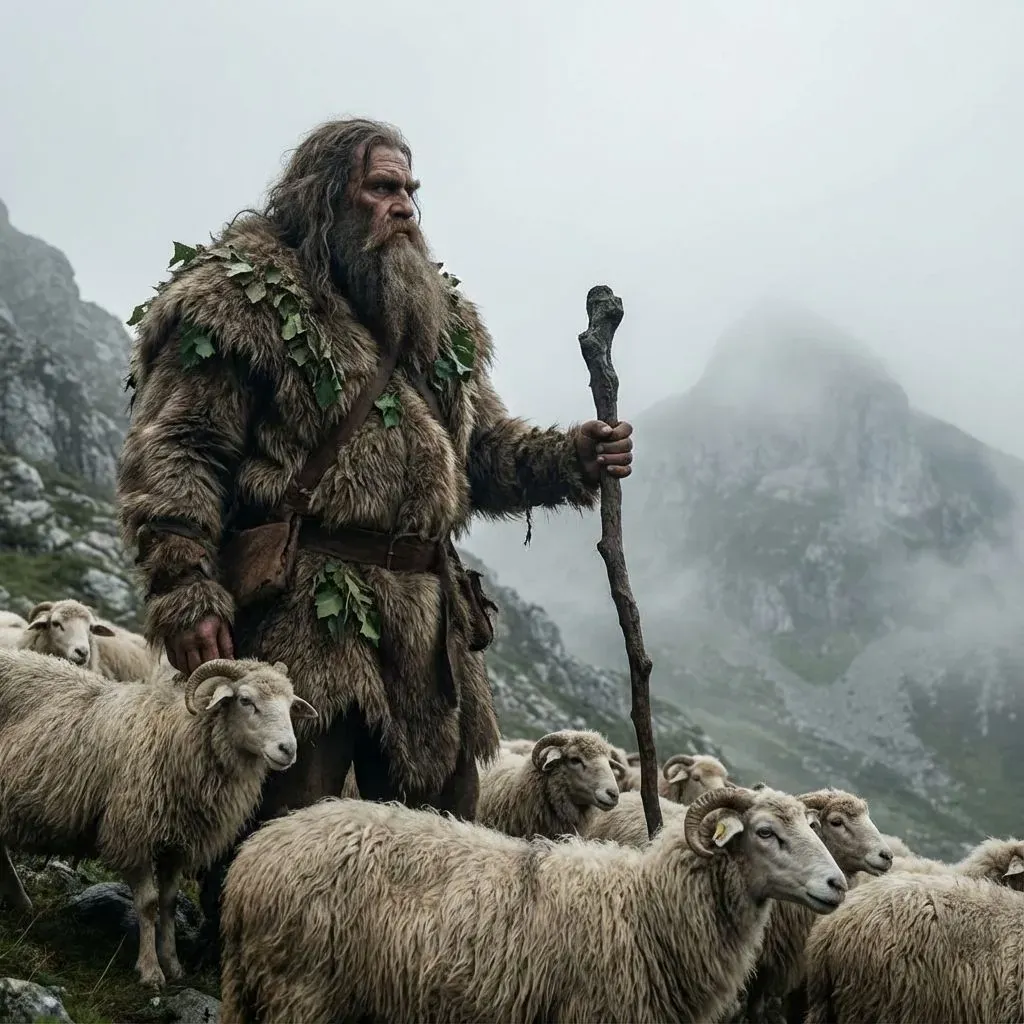
The shaggy giant who lives in the forests, protector of flocks and guardian of the secrets of agriculture and the forge.

Seductive nymphs who dwell in rivers and springs, recognisable by bird feet or fish tails, combing their hair with golden combs.
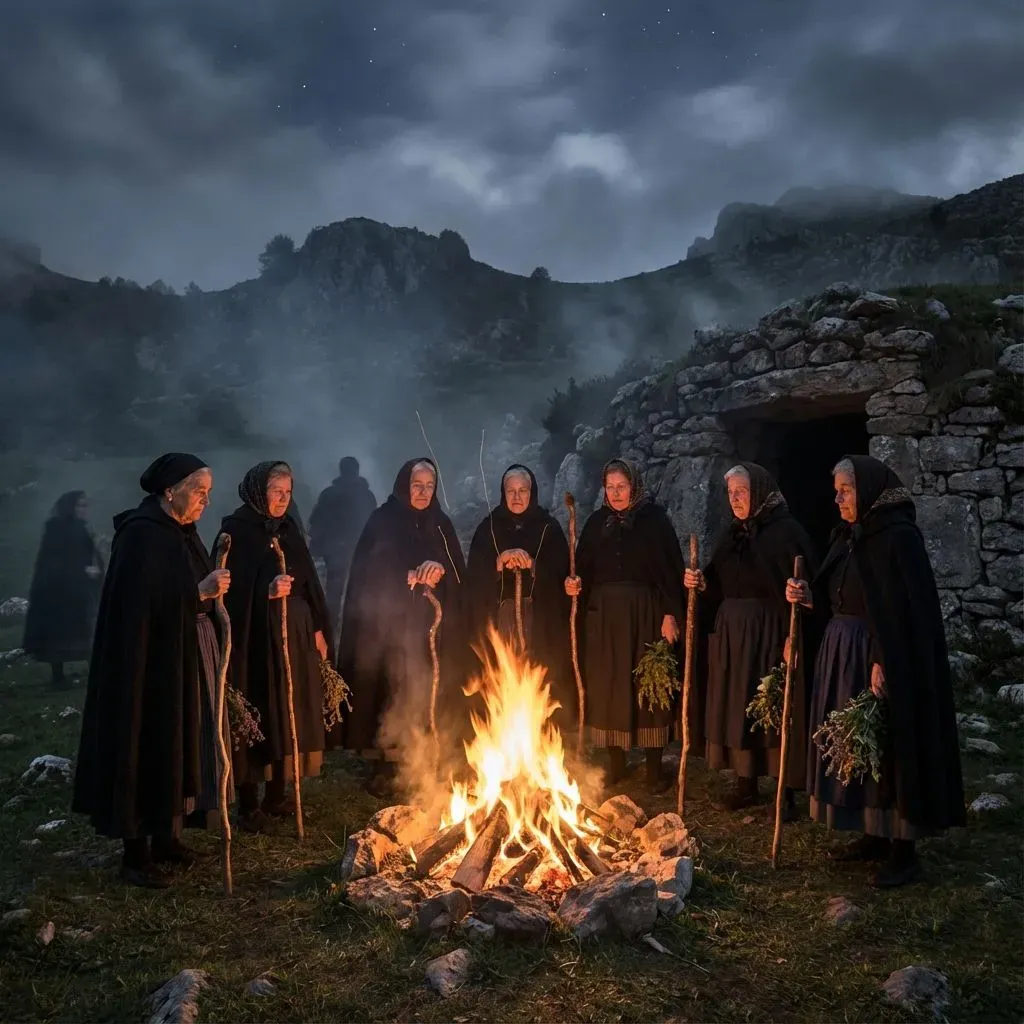
The Basque witches and wise women, priestesses of Mari who mastered potions, curses and the art of flying through the night sky.
Few places have been studied as intensively for their folklore and mythology as the small valley of Ataun in eastern Gipuzkoa. The reason is simple: José Miguel de Barandiarán was born here in 1889. He devoted more than a century of life to systematically documenting traditional Basque culture before modernisation could erase it.
Thanks to the patient work of Barandiarán and his colleagues, Ataun is the Basque municipality with the most academically documented oral information about witches, gods, lamias, Basajaun and ritual practices. Accounts gathered here between the 1910s and the 1980s form the backbone of what we now know as systematically recorded Basque mythology.
Beyond its scientific importance, Ataun is a valley of great natural beauty, opening between the foothills of Aralar to the east and the Txindoki massif to the west. Farmhouses scattered across the slopes, the parish church at the main settlement’s centre and shepherds’ huts in the upland pastures form a landscape that has changed less over the past century than one might expect.
Visiting Ataun with an understanding of Barandiarán’s work brings two layers of time together. The landscape is the one his informants saw as they repeated what their grandparents had told them. That chain of oral transmission, interrupted but not entirely broken, makes Ataun a place where the past remains present beyond its archaeological traces.