Irati Forest
The ancestral home of the Basajaun.
The community of giants in the oldest forest
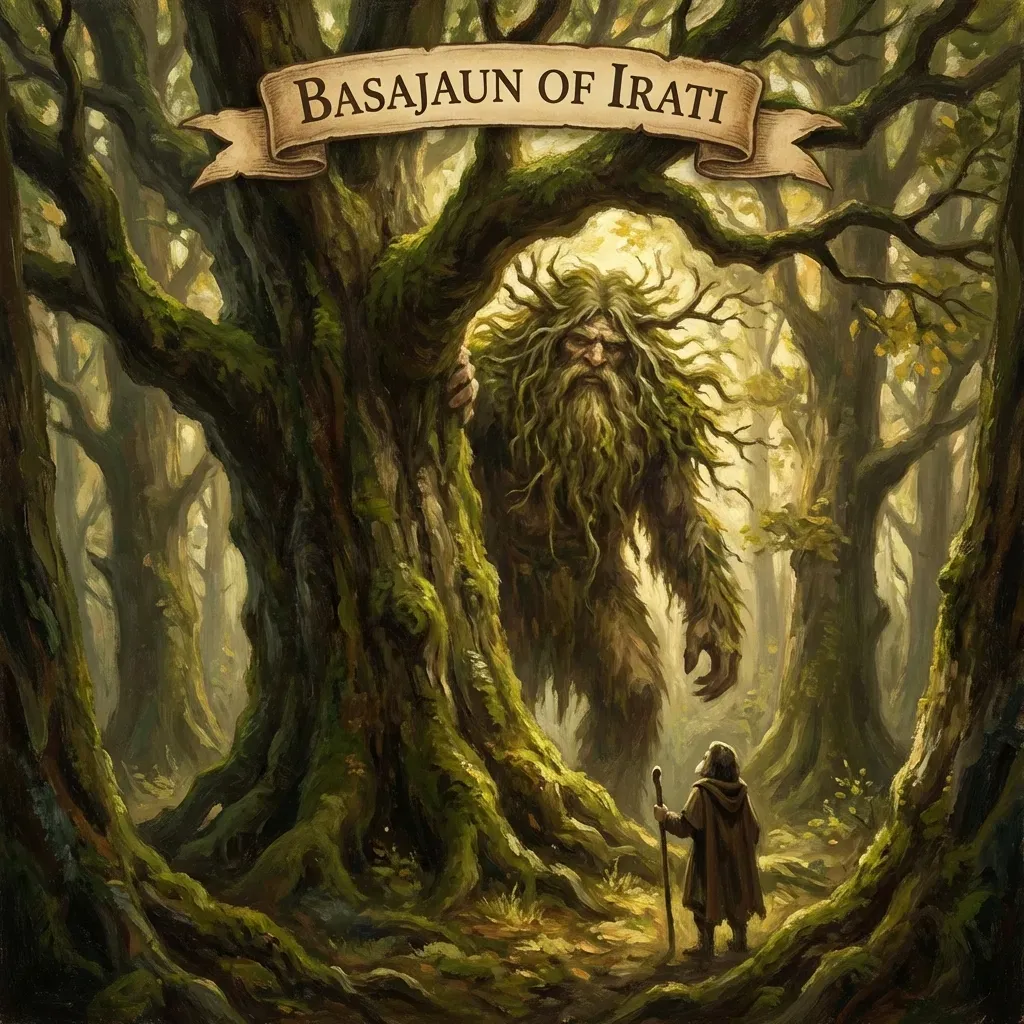
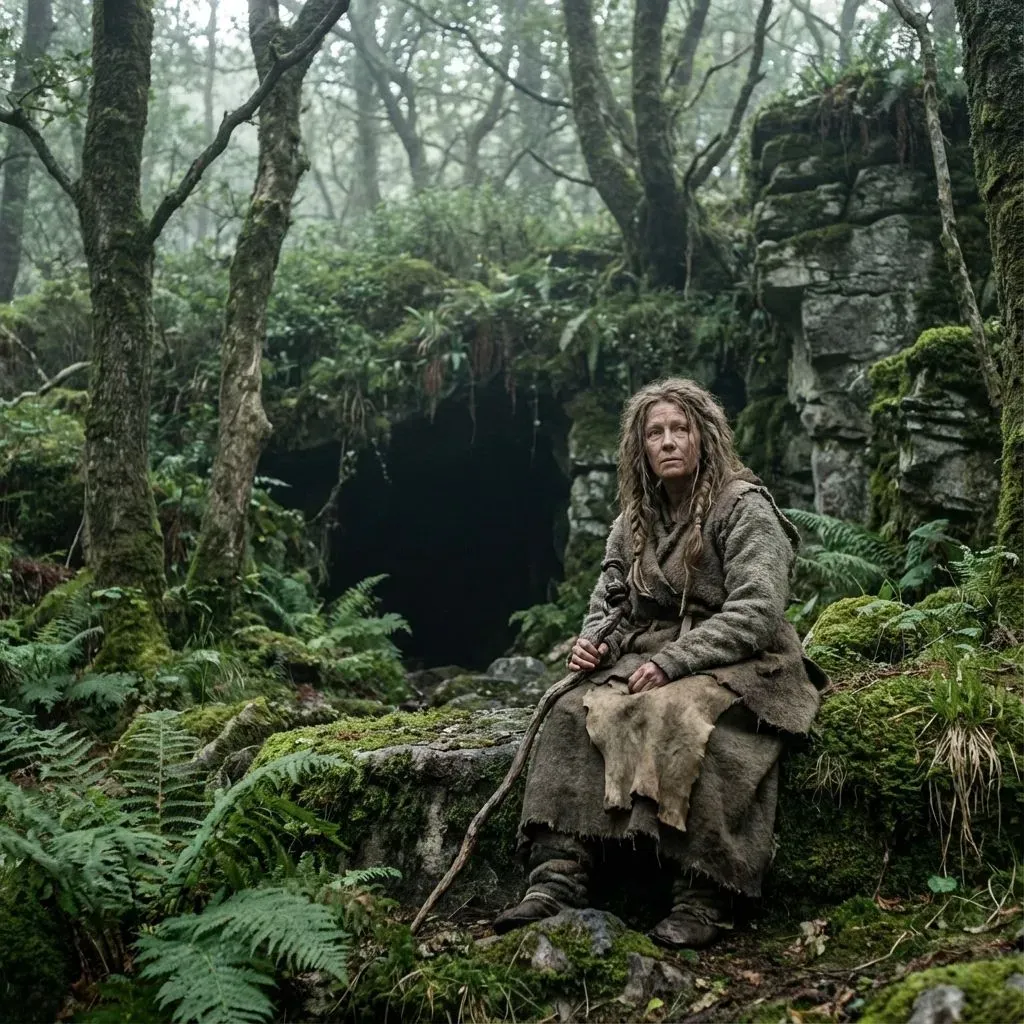
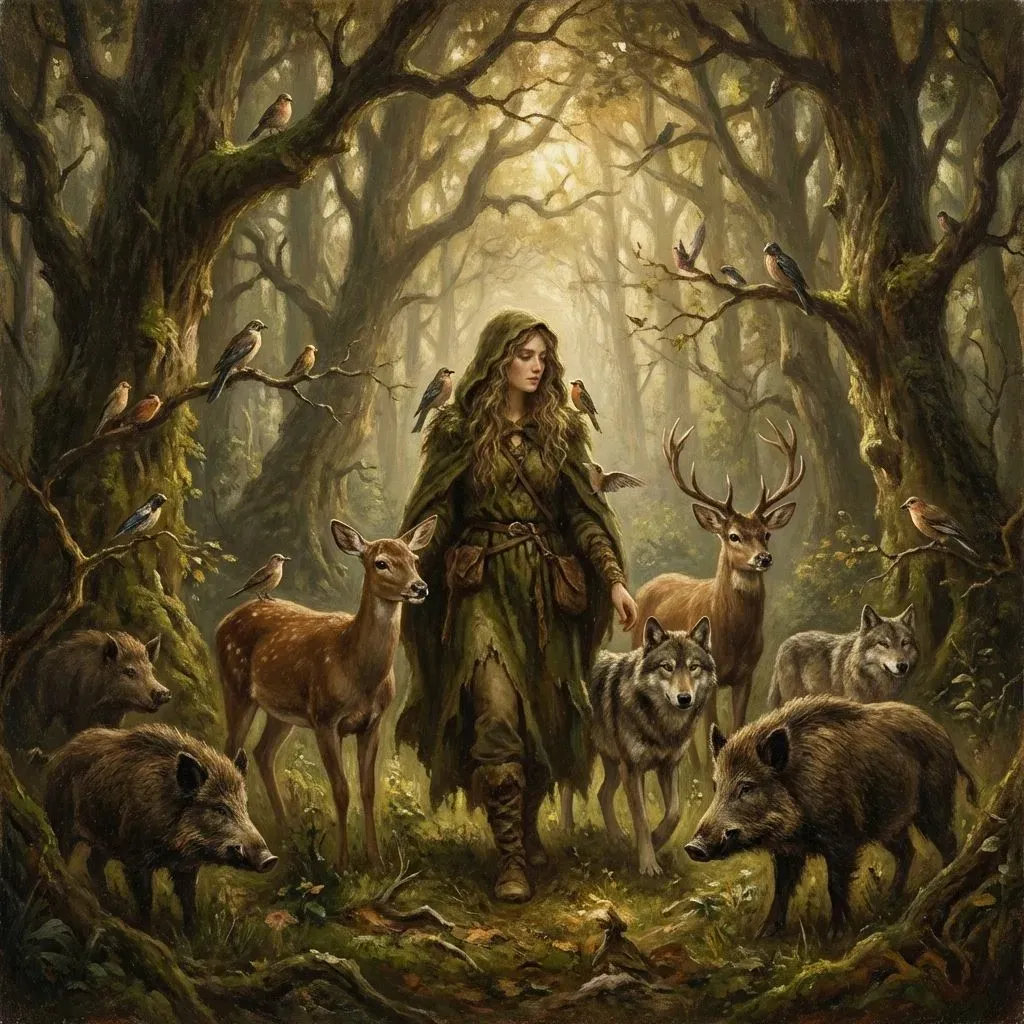
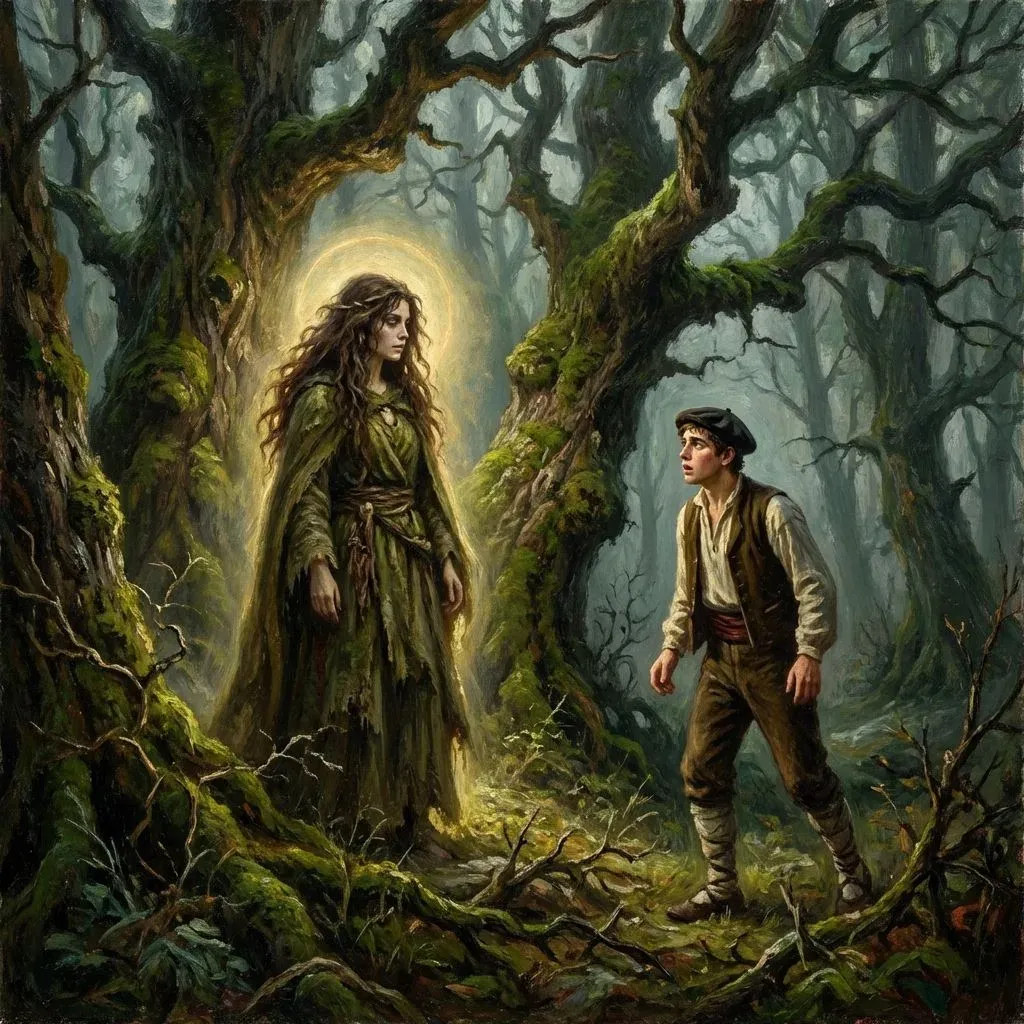
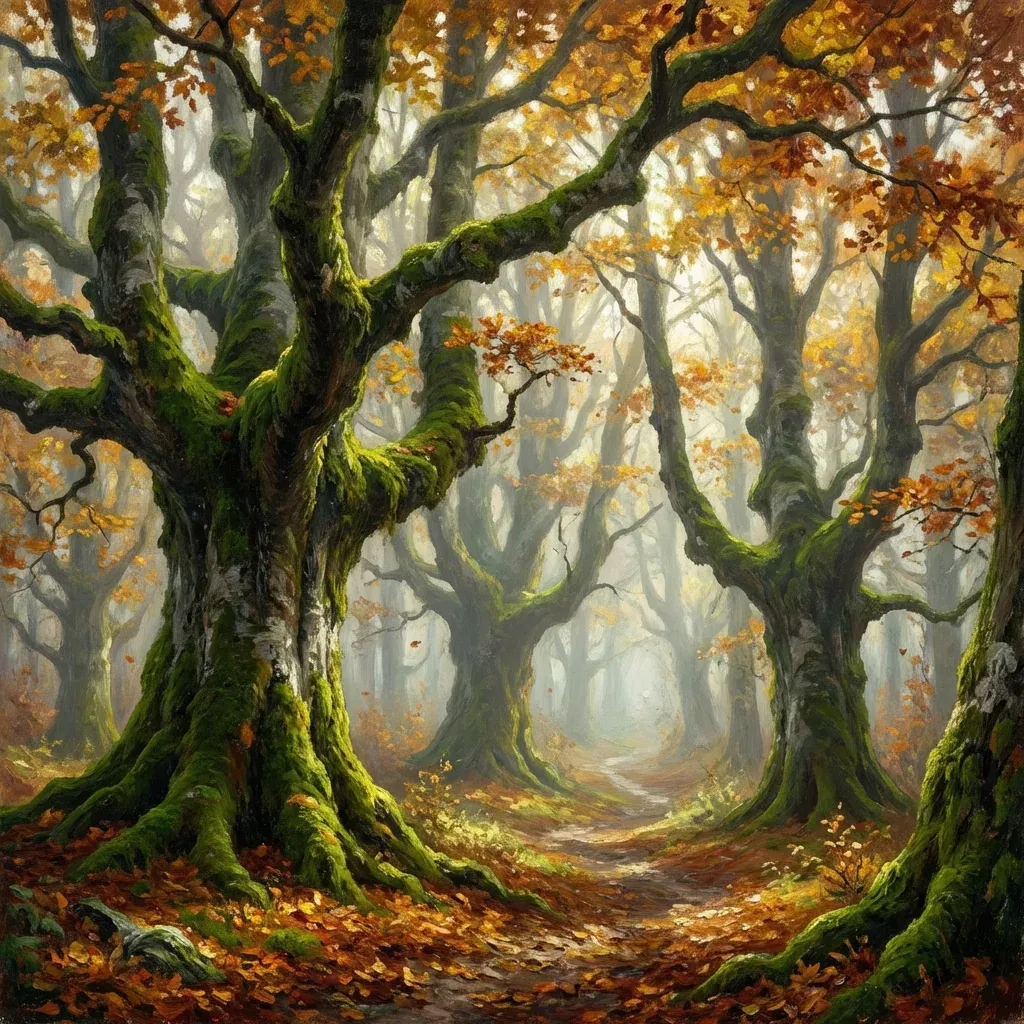
The Irati Forest is the second largest beech woodland in Europe, a green labyrinth of ancient trees where sunlight barely reaches the ground. Elders say that deep inside its impenetrable heart lives not one, but several Basajaun, an entire community of Lords of the Forest.
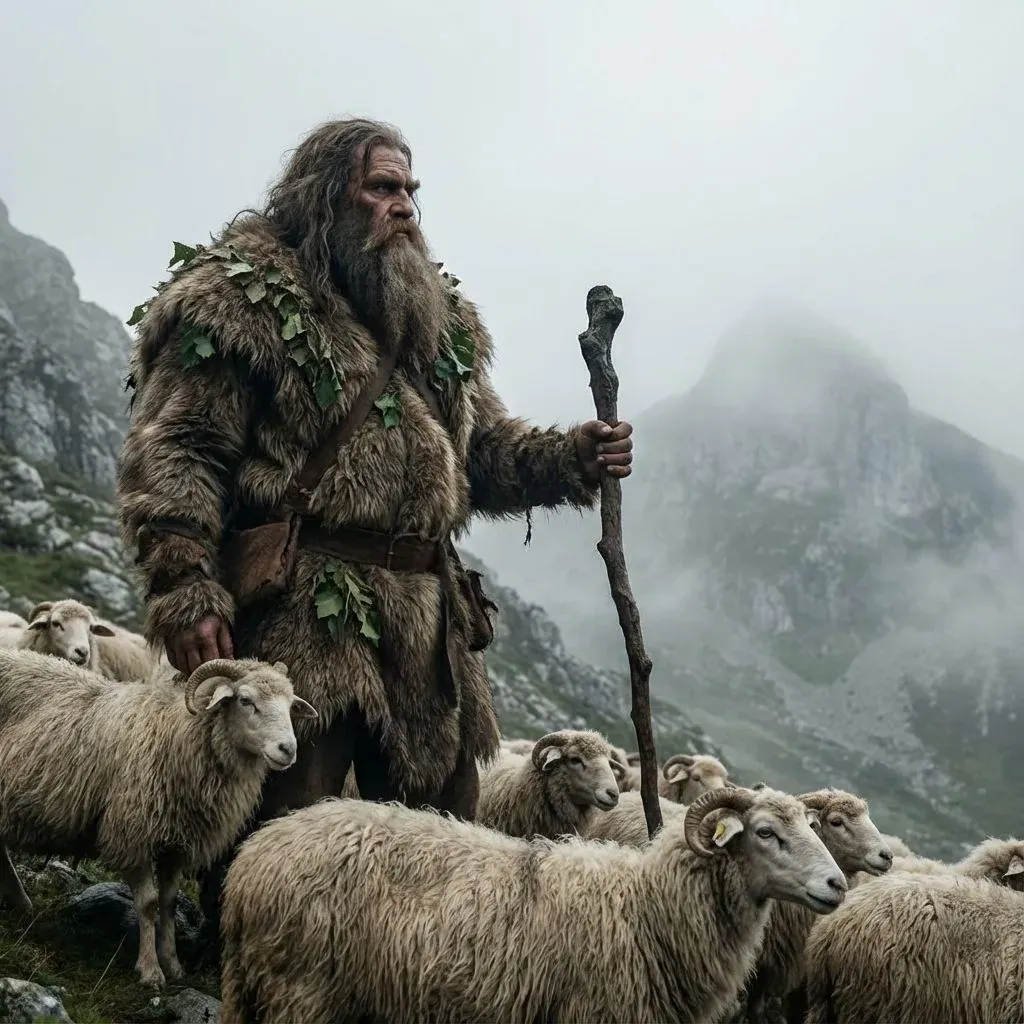
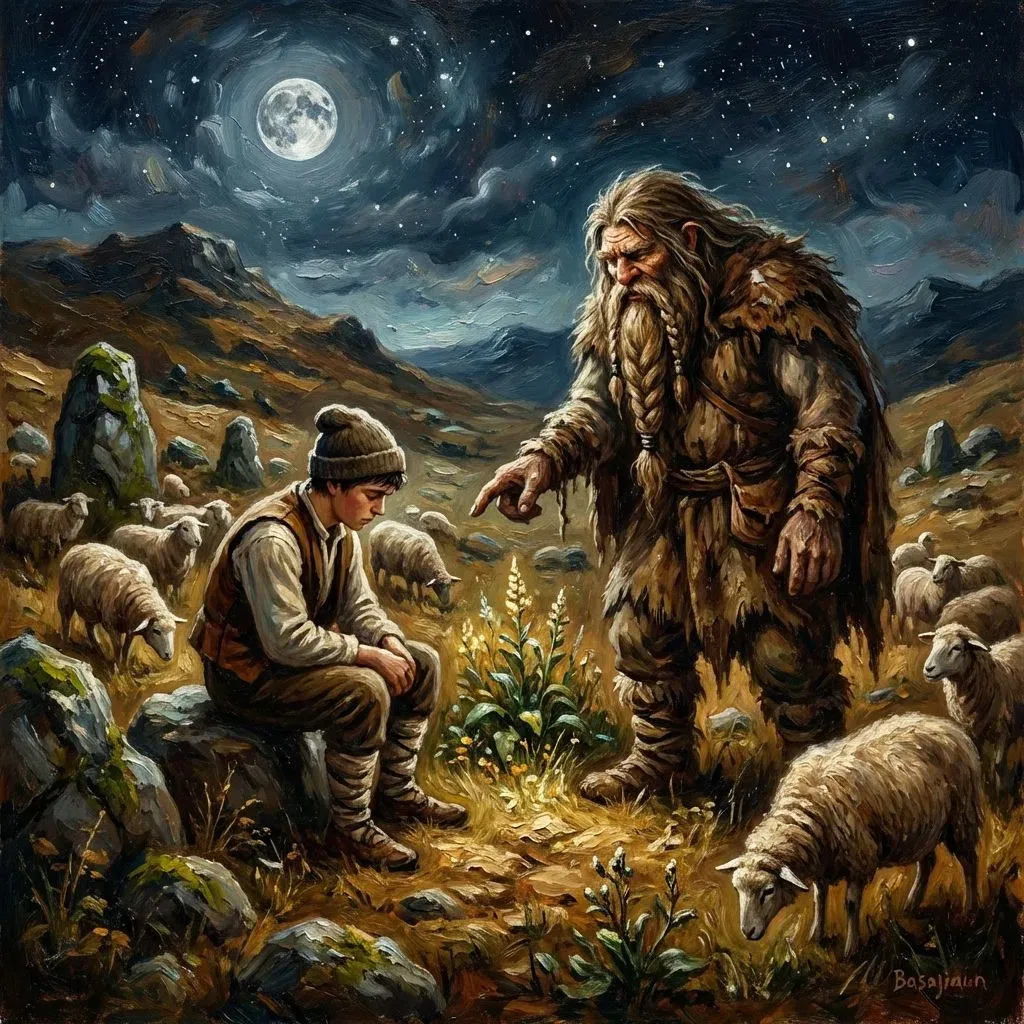
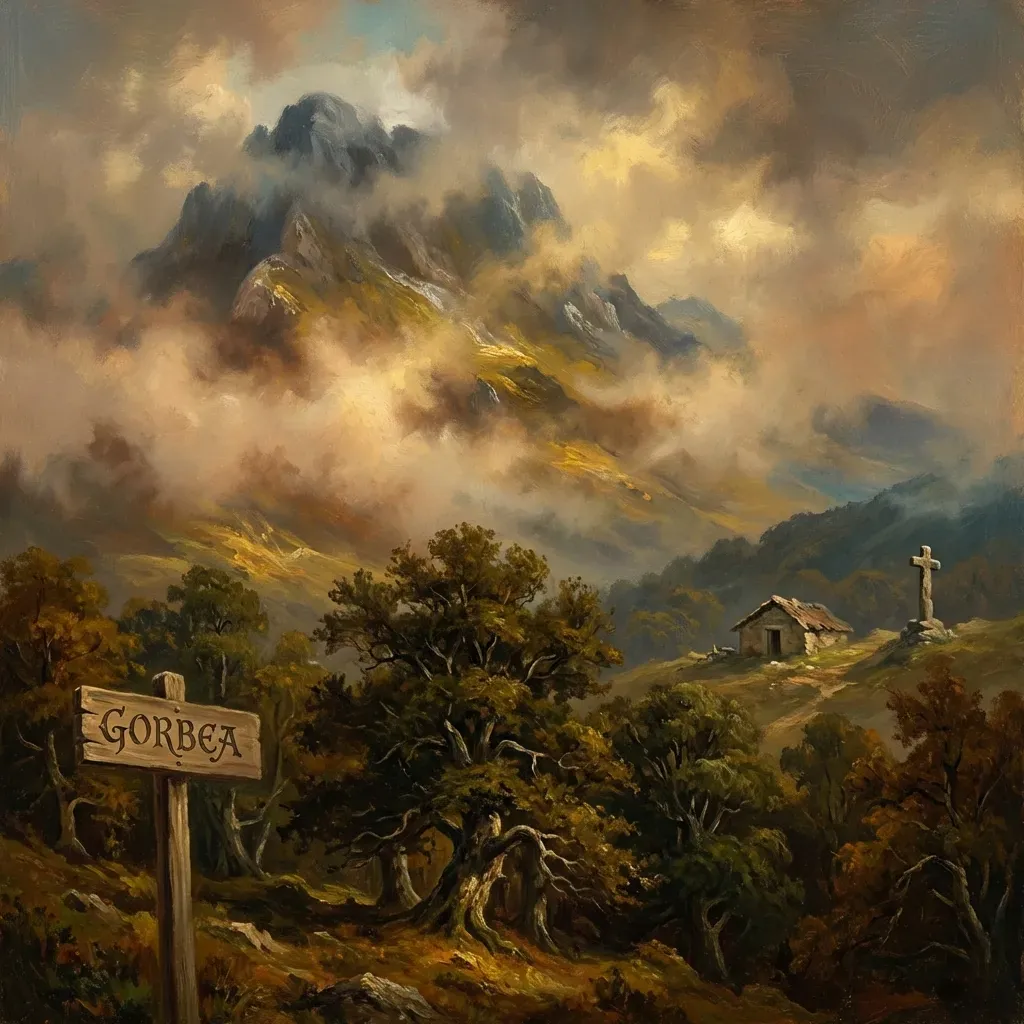
Shepherds who led their flocks to the pastures near the forest listened for their distinctive whistles passing from treetop to treetop. One long whistle meant a storm was near; two short ones meant wolves were close to the herd; three rapid calls meant humans were approaching the sacred territory.
That was how the Basajaun warned one another, watching tirelessly over their ancestral domain that no human should profane. The forest had been their home since time beyond memory.
Some fortunate people claimed to have seen Basajaun couples with their young, small hairy giants playing among the giant ferns. Anyone who respected the forest was tolerated near its edges. But whoever felled trees without leave or killed animals for sport was driven to the limits of the woods, where warning whistles rang like terrible threats.
The ancestral home of the Basajaun.
Where shepherds heard the whistles.
Irati is one of those forests that seem almost made for myth: vast, humid, ancient, and resistant to easy human mapping. It is the perfect setting for a communal vision of the Basajaun, not as a lone giant, but as a whole hidden people.
The whistles are the heart of the legend. They transform the forest into a network of intelligence, warning, and shared guardianship. The woods are listening, speaking, and defending themselves.
This creates a striking moral geography. Respectful humans may pass at the edges, but violence, arrogance, and pointless destruction summon immediate response.
The tale endures because it gives Irati a living sovereignty. The forest is not empty space awaiting use, but a community already inhabited, watched, and morally ordered.