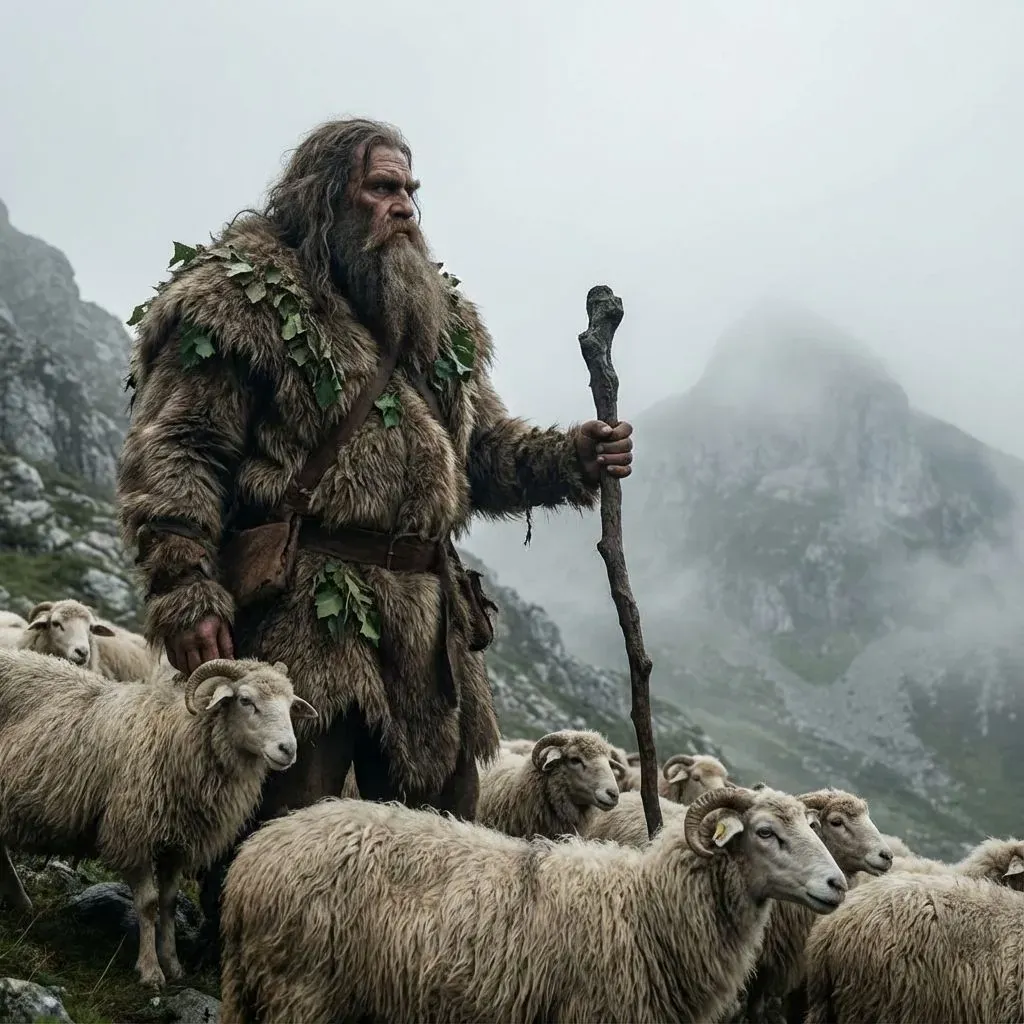
The Basajaun of Irati
Legends about the lord of the forest who lived in Irati and protected shepherds.
— Nafarroa —
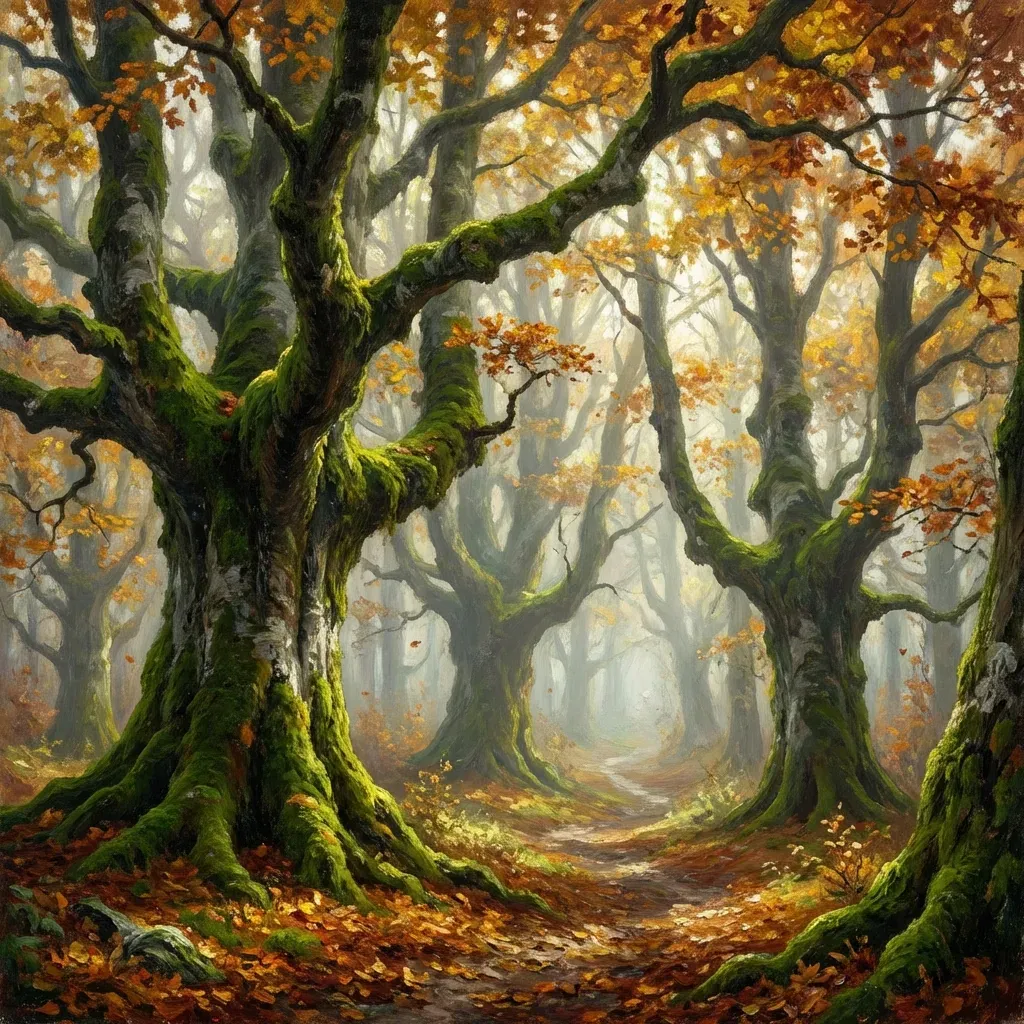
Irati Forest is the second largest and best-preserved beech and fir forest in Europe, surpassed only by Germany's Black Forest. Located in the Navarrese Pyrenees, between the valleys of Aezkoa and Salazar, it is one of the most spectacular wooded landscapes in the Basque world.
Ancient Basques believed Irati was a sacred place where woodland spirits lived among the ancient beeches. Shepherds who brought their flocks to the high pastures told stories of hidden presences, mysterious sounds and paths that seemed to shift under the mist.
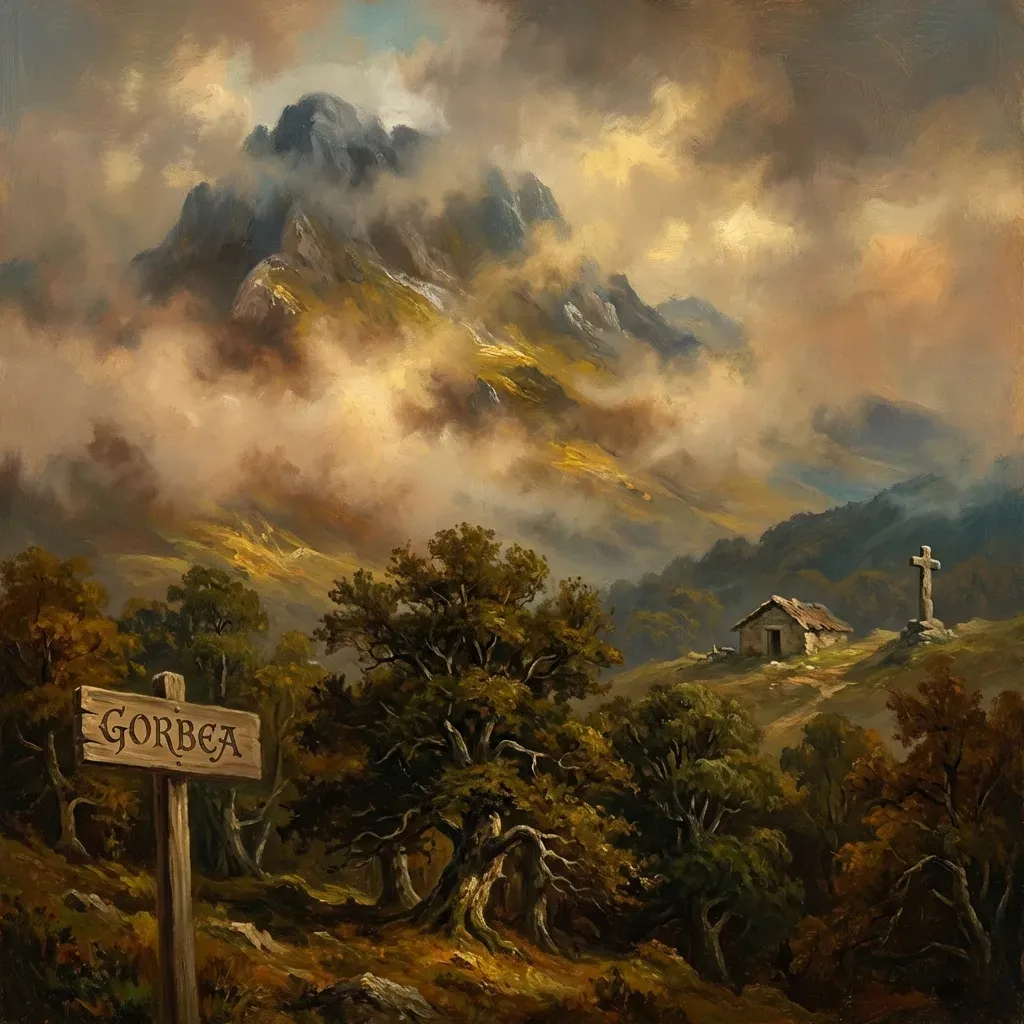
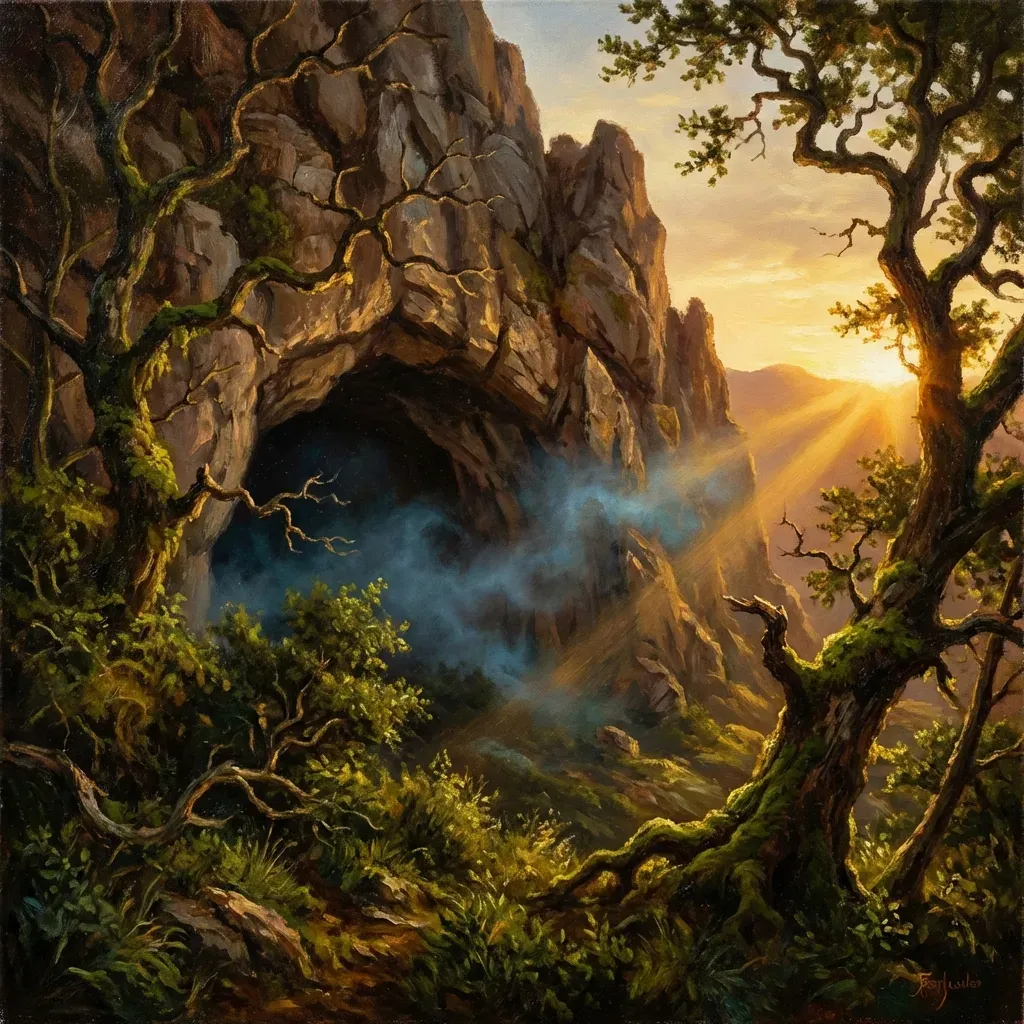
The forest preserves its magical atmosphere thanks to the fog that so often wraps around it, creating storybook scenes where shafts of light cross the canopy of old beeches. In autumn, its colours and silence reinforce the sense of entering a place suspended between nature and legend.
Beyond mythology, Irati shelters rich biodiversity: deer, wild boar, roe deer, foxes and more than 150 bird species, including black woodpeckers and golden eagles. Trails reveal waterfalls, clear streams and corners where time seems to have stopped centuries ago.
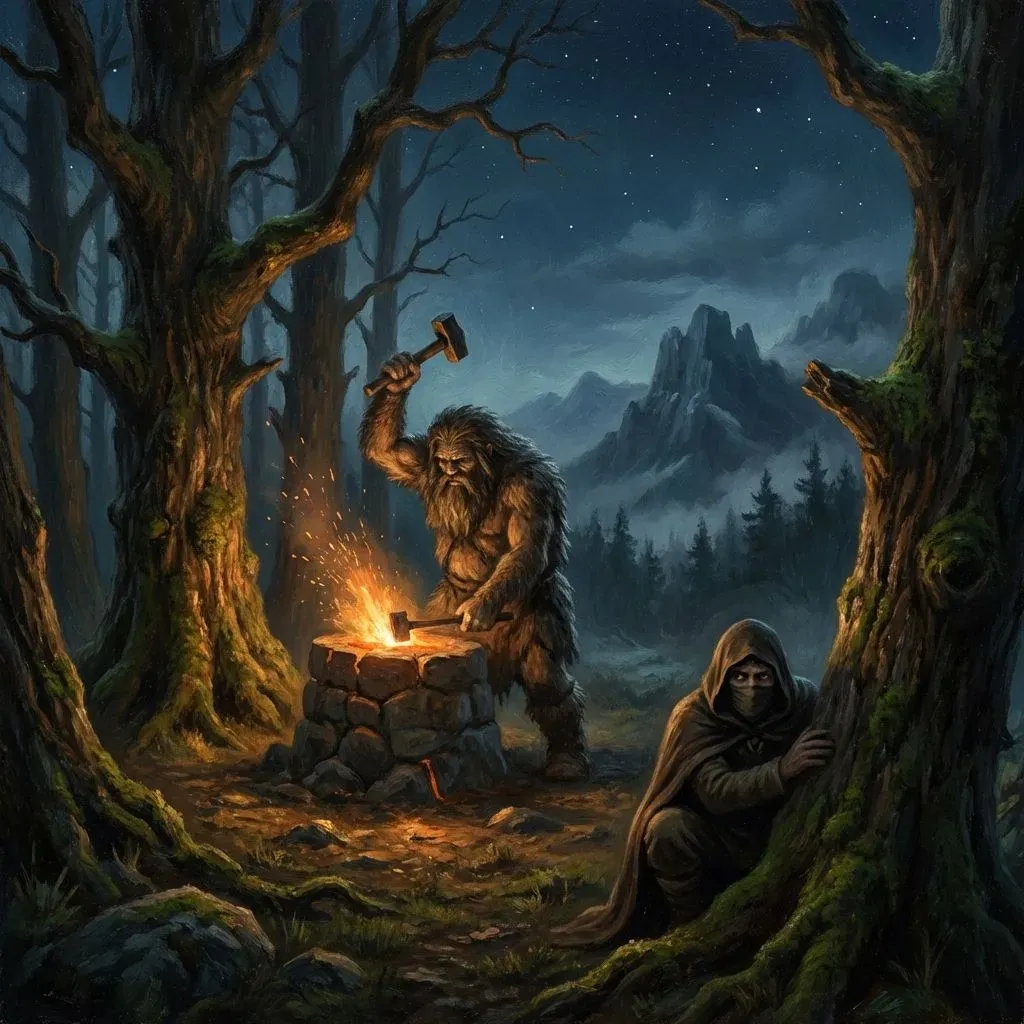
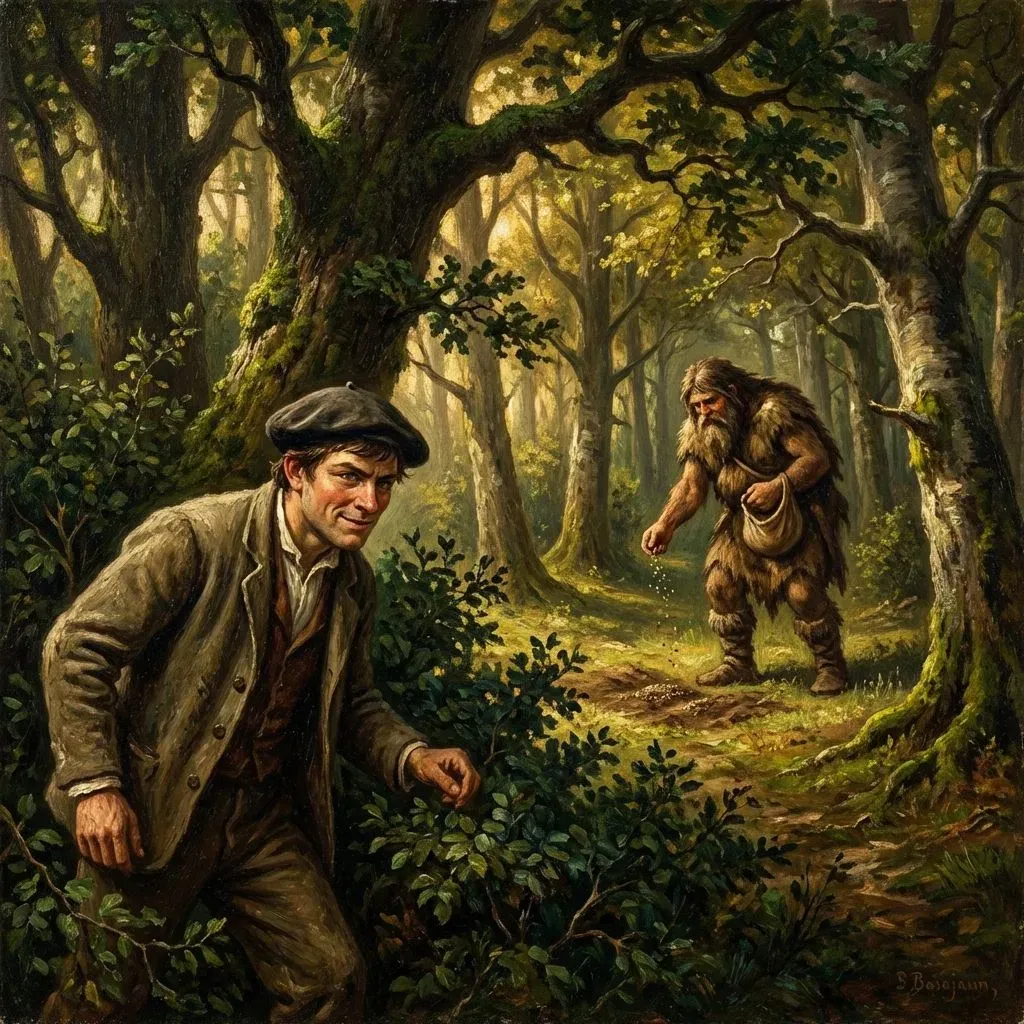
The shaggy giant who lives in the forests, protector of flocks and guardian of the secrets of agriculture and the forge.
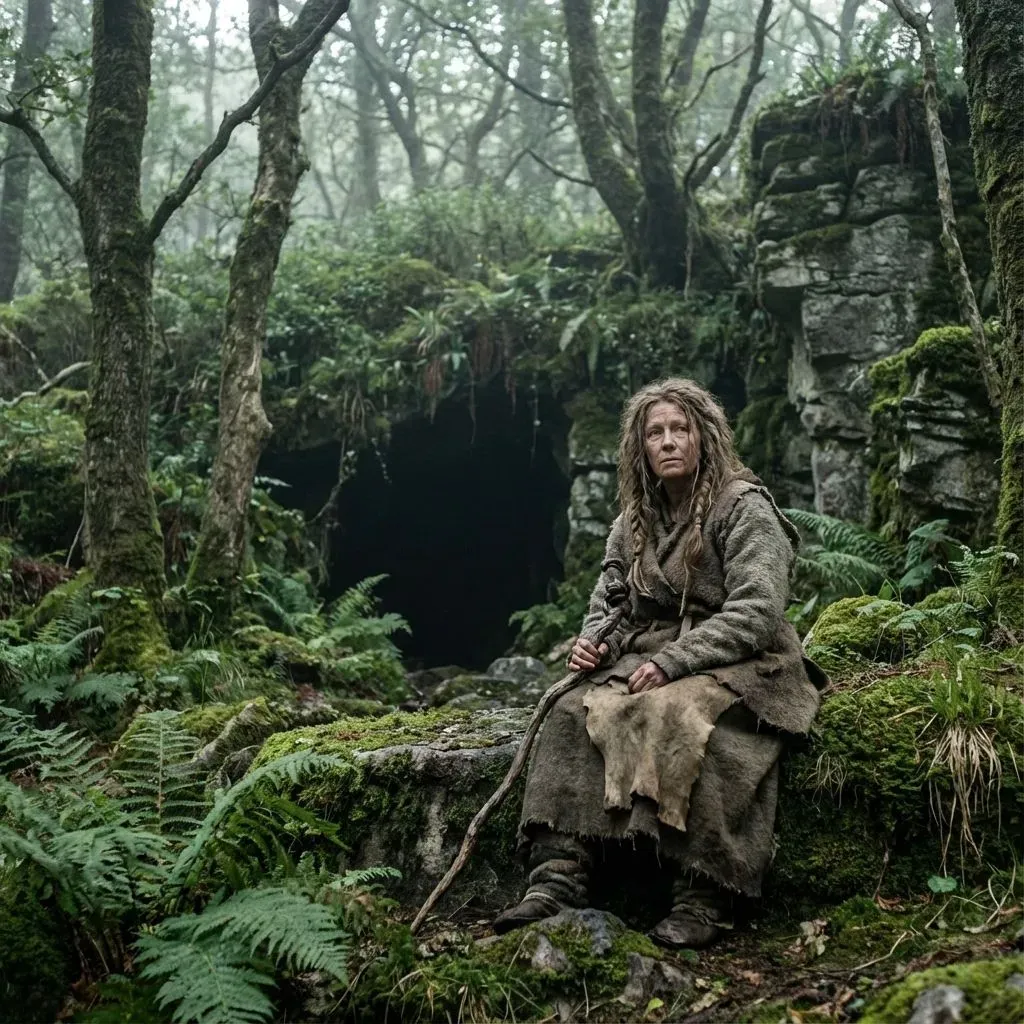
The lady of the forest, Basajaun’s companion, with beauty as wild and untamed as nature itself.

The nymphs of Irati’s rivers and springs, combing their hair with golden combs.
Irati stretches across northern Navarre and continues into the French Basque Country as the forêt d’Iraty. Described as Europe’s second-largest beech-and-fir forest and possibly its best preserved, its more than seventeen thousand continuous hectares, without roads through the core, recall Atlantic mountain woodland before forestry and extensive grazing reduced it to scattered fragments.
Irati’s Basque name refers to the ferns of its undergrowth, while its cultural associations evoke a strong supernatural presence. Stories of Basajaun, lord of the forest, abound in neighbouring Navarrese valleys. In woods so vast and dense, where mist erases landmarks and wind makes the trees seem to move, the feeling of not being alone is hard to shake.
Deep in Irati, beyond forestry tracks and designated access points, old-growth areas contain fallen beeches decomposing without human intervention, creating exceptionally rich microhabitats. Standing dead trees, bracket fungi on stumps and woodpecker cavities in soft wood are features that managed forests cannot offer in the same way.
Autumn turns Irati’s foliage yellow and ochre against dark green firs, offering an intense experience of colour and silence. Solitude deep in the woods, particularly on weekdays away from tourist parking areas, has become an increasingly precious resource for people from nearby cities.