Aralar Range
The link between Basque myth and Christian doctrine.
The deep symbolism of the dragon Herensuge
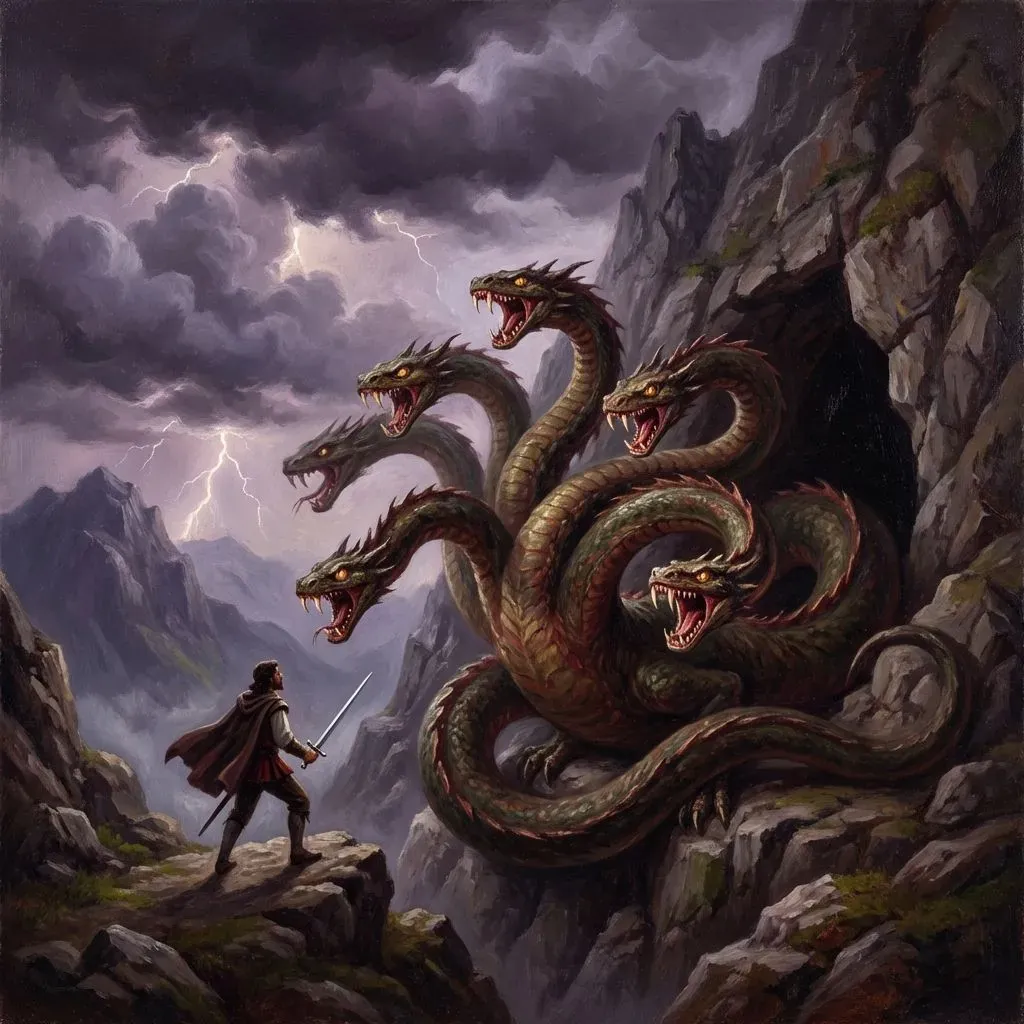
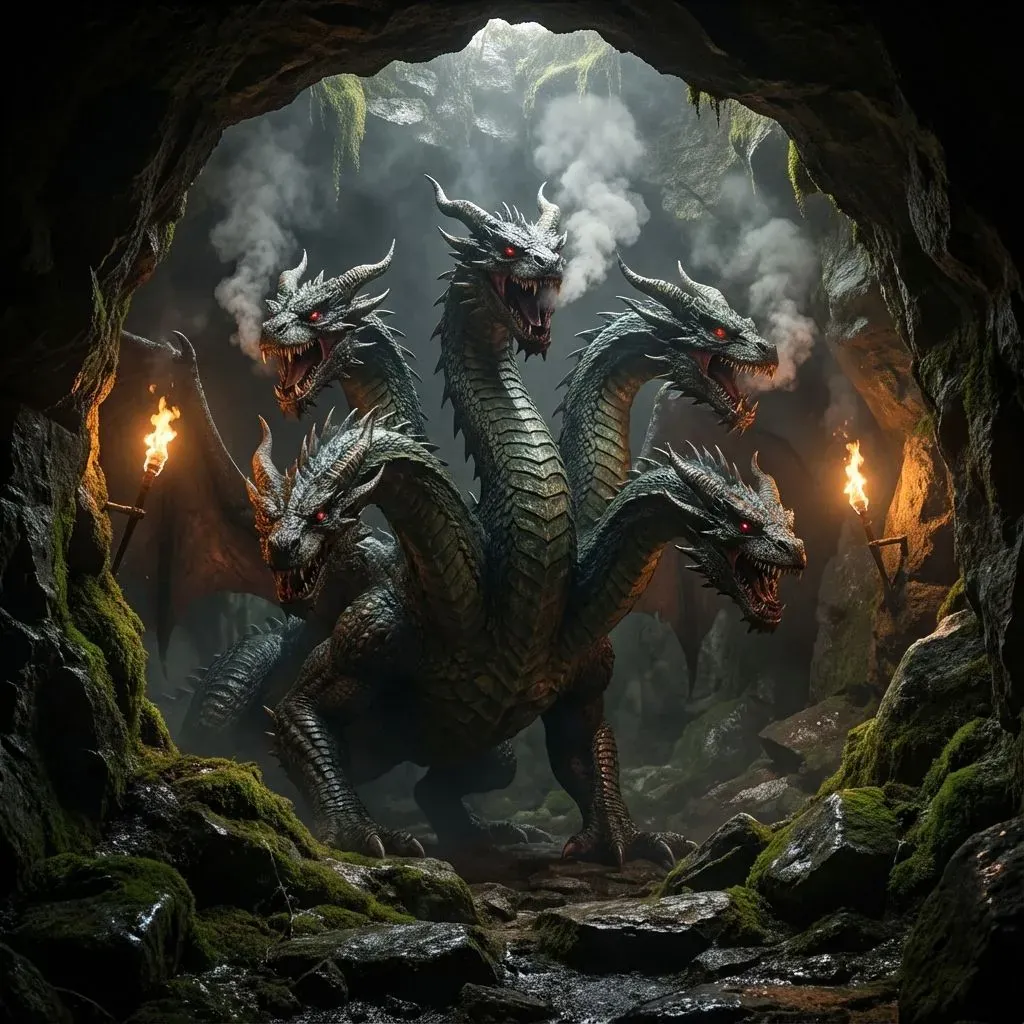
Herensuge was no ordinary dragon: it had seven distinct heads, each with its own temperament and terrible power. The wise people of the region said that the seven heads represented the seven deadly sins that choked and corrupted the land.
The first head was Wrath, spitting destructive fire. The second was Greed, hoarding endless treasure. The third was Lust, luring maidens with false promises. The fourth was Envy, poisoning the fields of neighbours. The fifth was Gluttony, devouring whole flocks without ever being satisfied. The sixth was Sloth, lulling travellers so they never reached their destination.
And the seventh head was Pride, the most terrible of all, daring to challenge the heavenly powers themselves and believing itself invincible.
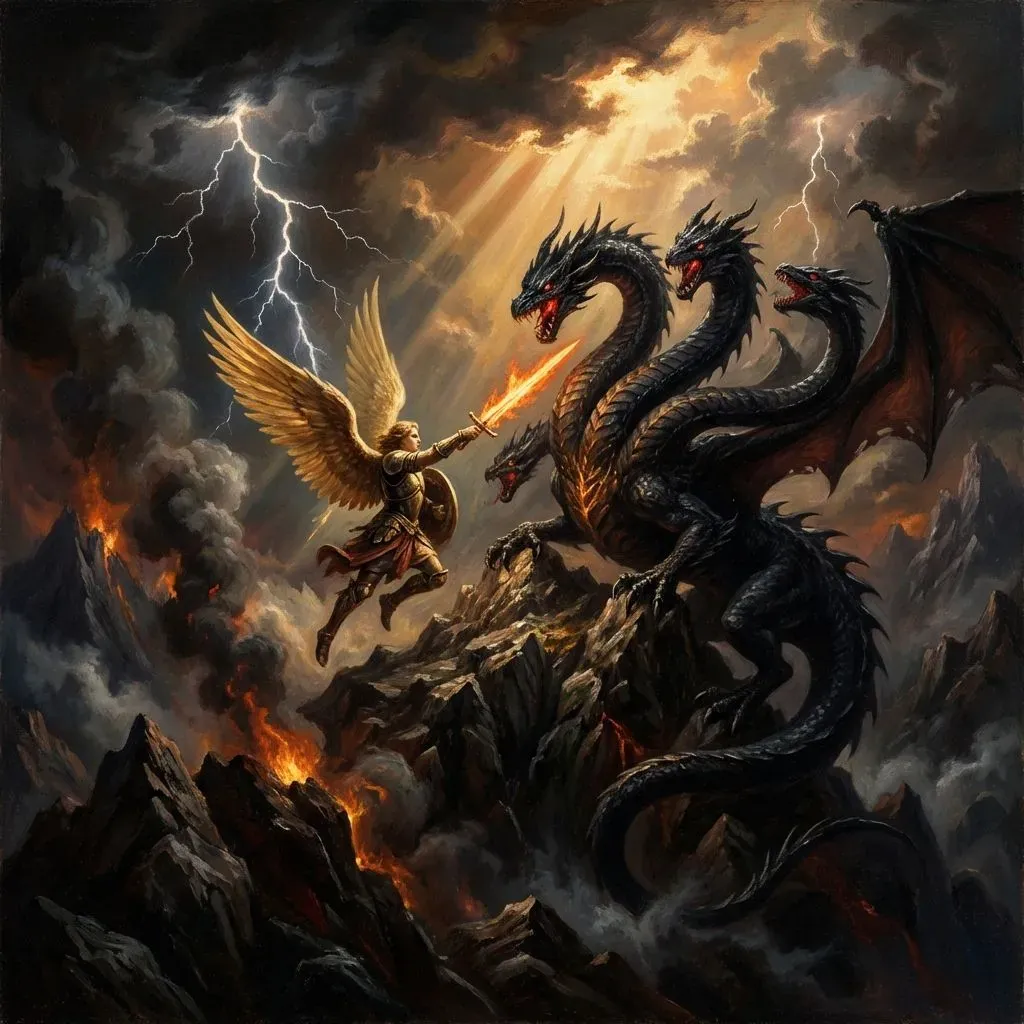
To defeat the dragon, Saint Michael had to overcome each sin one by one through seven days of battle. Only when he cut off the seventh head, the head of Pride, did the monster finally fall. That is why humility is said to be the greatest of virtues: it is the one that defeats evil for good.
The triumph of virtue over sin.
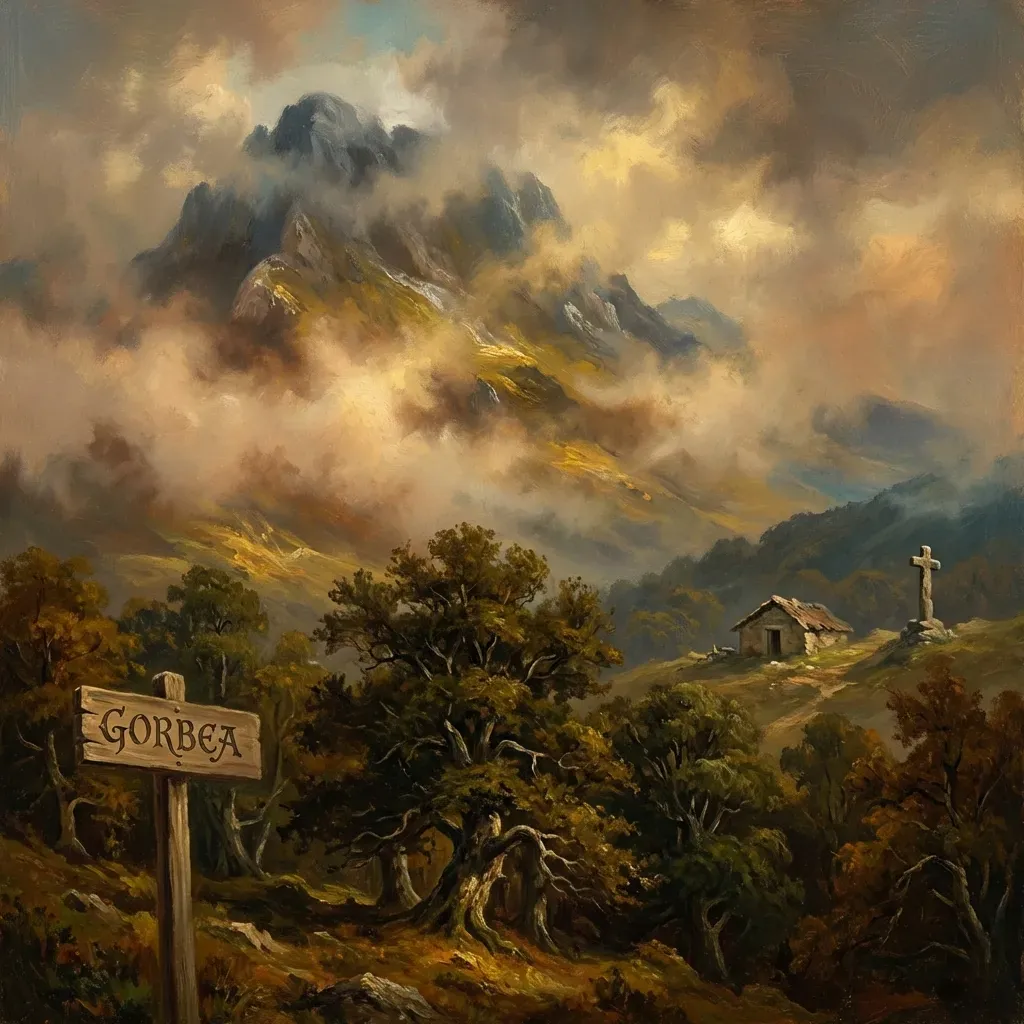
Where Saint Michael defeated the dragon.
Built where the seven heads are said to have fallen.
The seven-headed Herensuge is the most fearsome form of the Basque dragon, a being whose many necks and mouths made any direct confrontation almost impossible. While an enemy focused on one head, the other six remained equally dangerous and deadly. Only a completely different strategy could work.