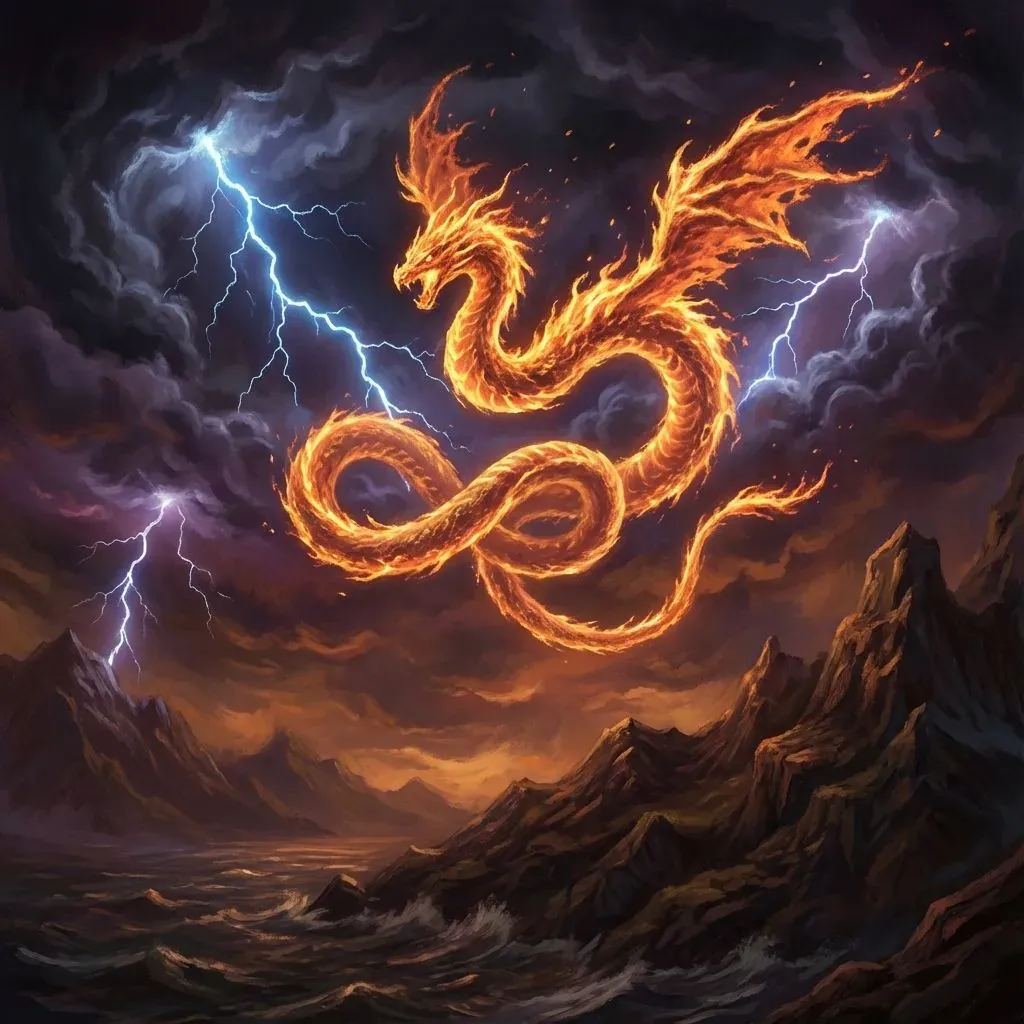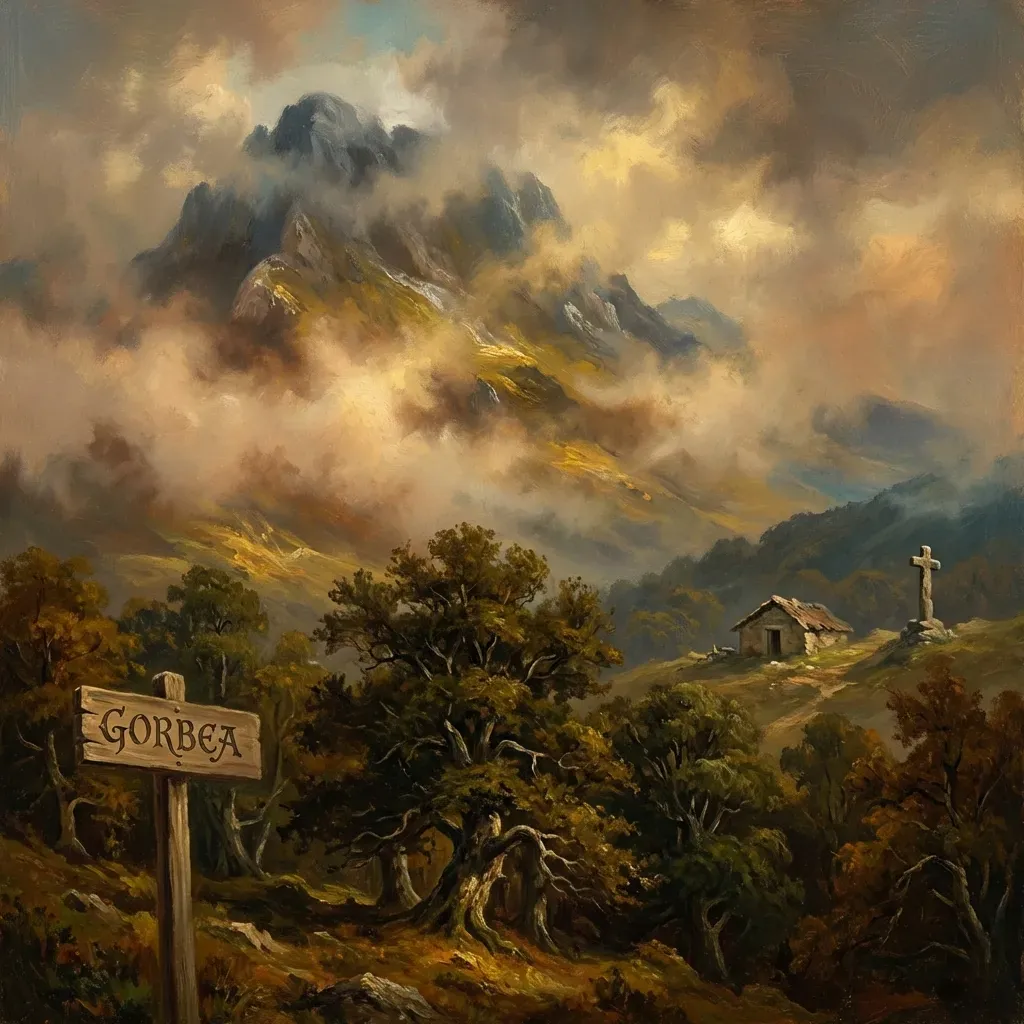
Mountain caves
The traditional dwellings of Herensuge in the deep places of the earth.
— The beast with seven heads —
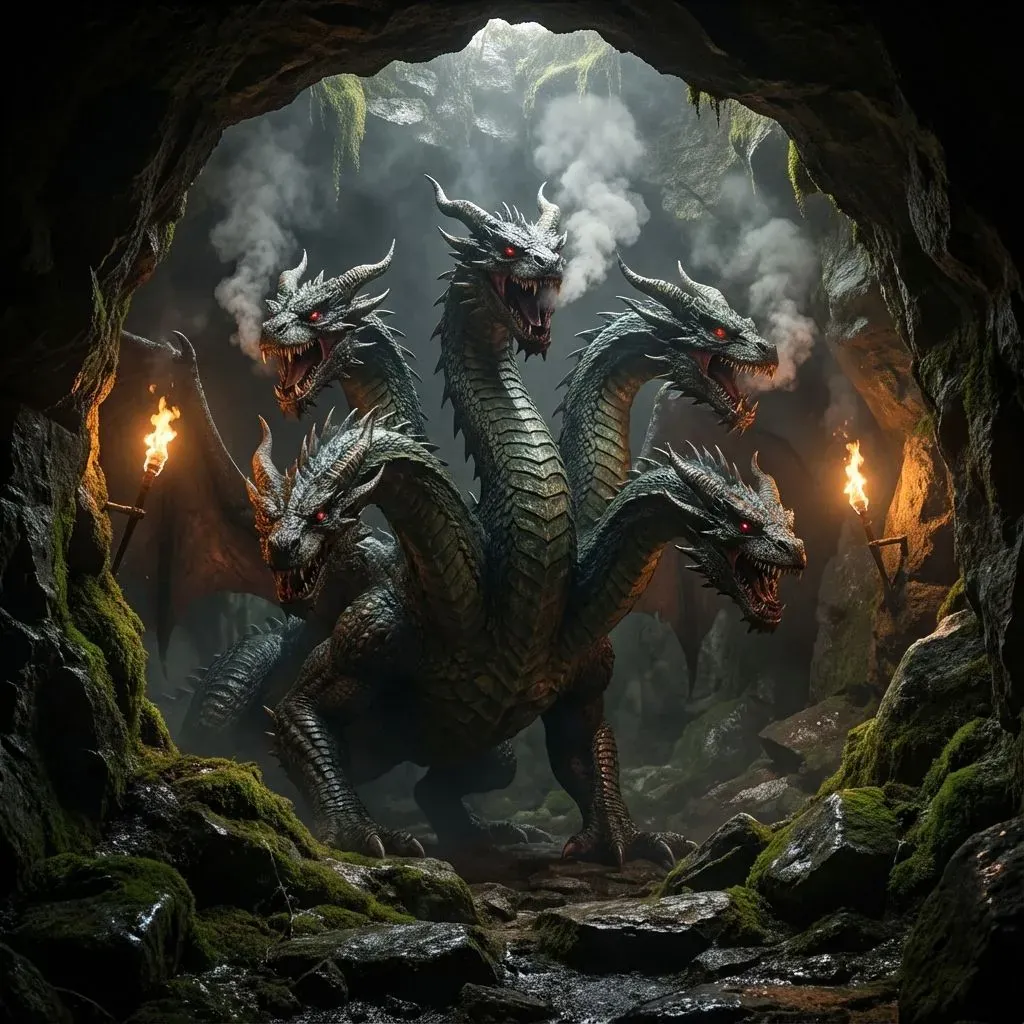
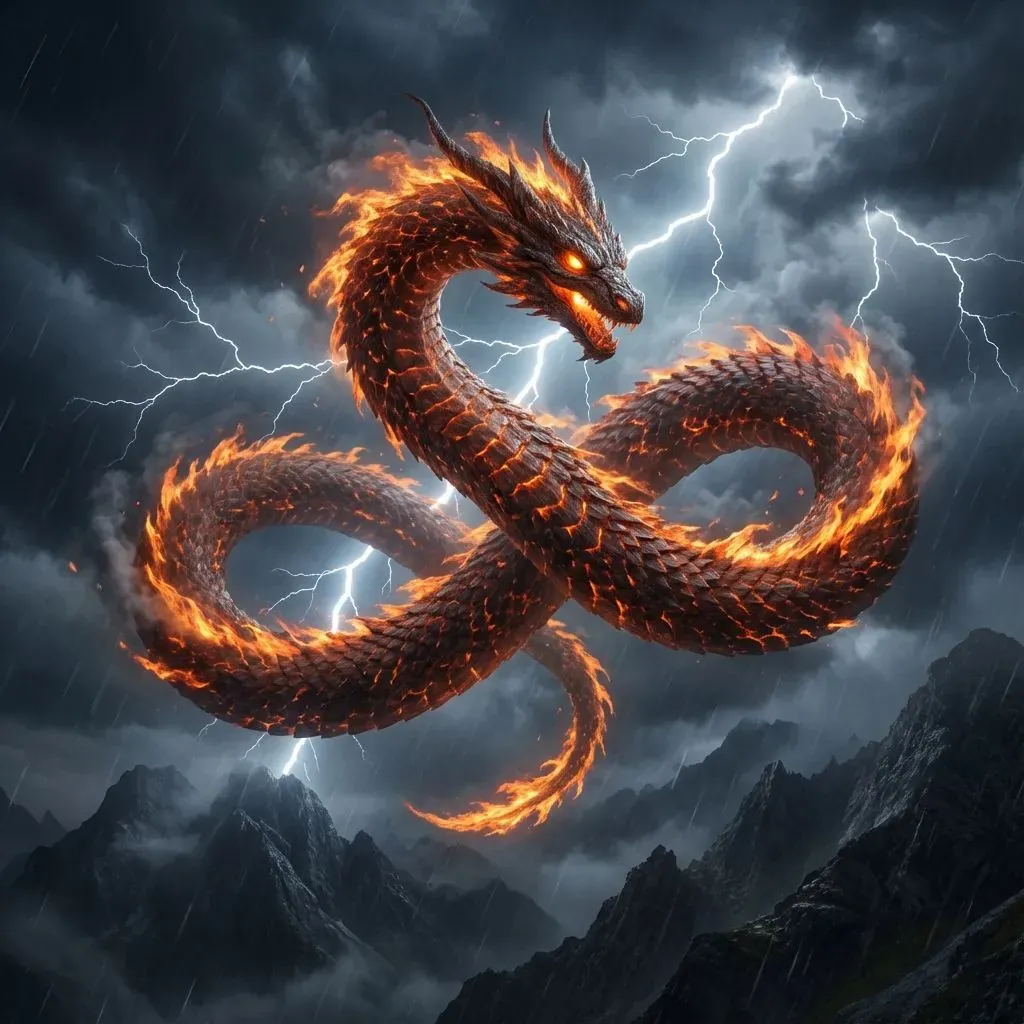
Herensuge, the fearsome seven-headed dragon, terrorized the valleys of Euskal Herria from his cave in the mountains. His poisonous breath withered the crops, and his roar shook even the strongest houses.
The beast demanded a dreadful tribute: from time to time the villagers had to deliver a youth or a maiden to satisfy his hunger. Anyone who refused would see the whole settlement ravaged by the flames pouring from the monster's seven jaws.
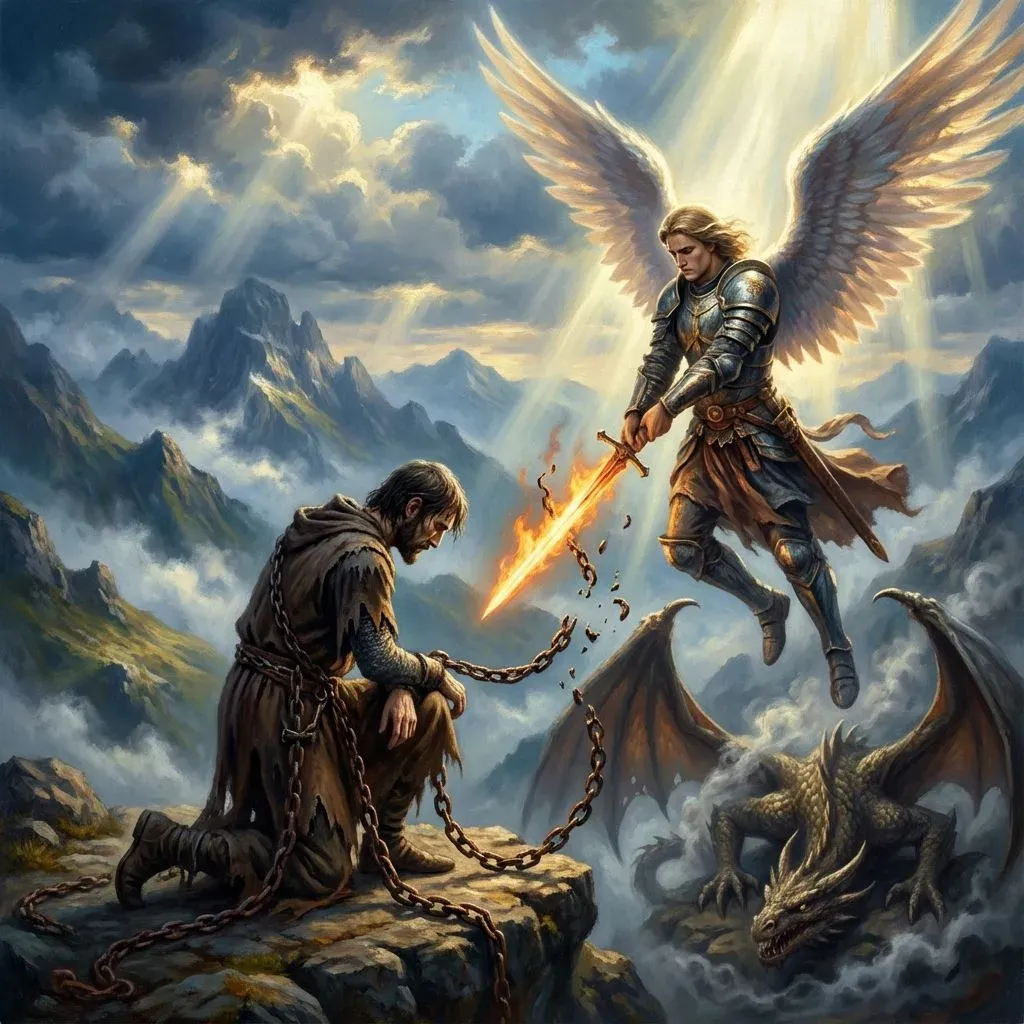
For generations, the communities lived beneath that reign of terror. Until one day a hero rose against the beast. In some versions he is a nameless knight, in others a Christian saint armed with faith. The hero faced Herensuge in his very cave.
The battle was terrible, but in the end the dragon's seven heads fell one by one beneath the hero's sword. The valleys were freed from horror, and later generations remembered the feat as the victory of order over chaos, of good over evil.
The traditional dwellings of Herensuge in the deep places of the earth.
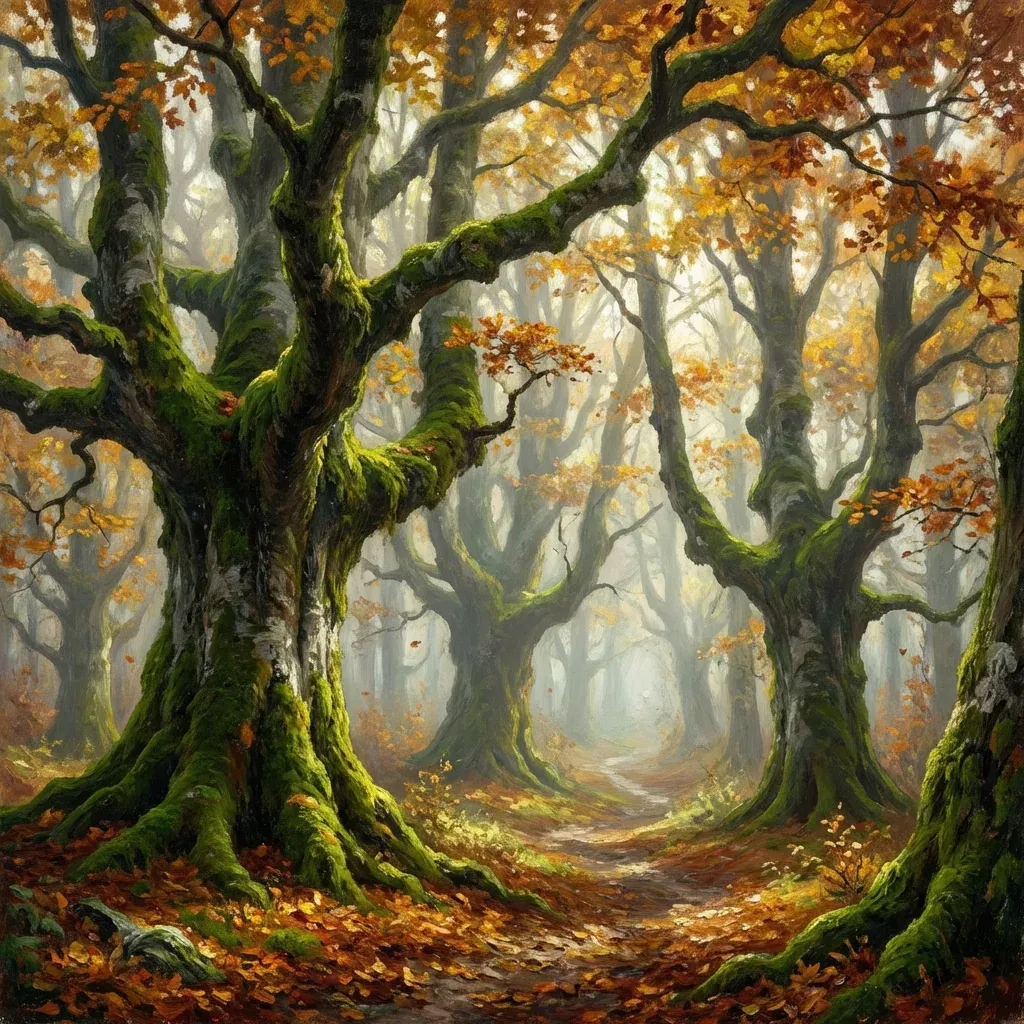
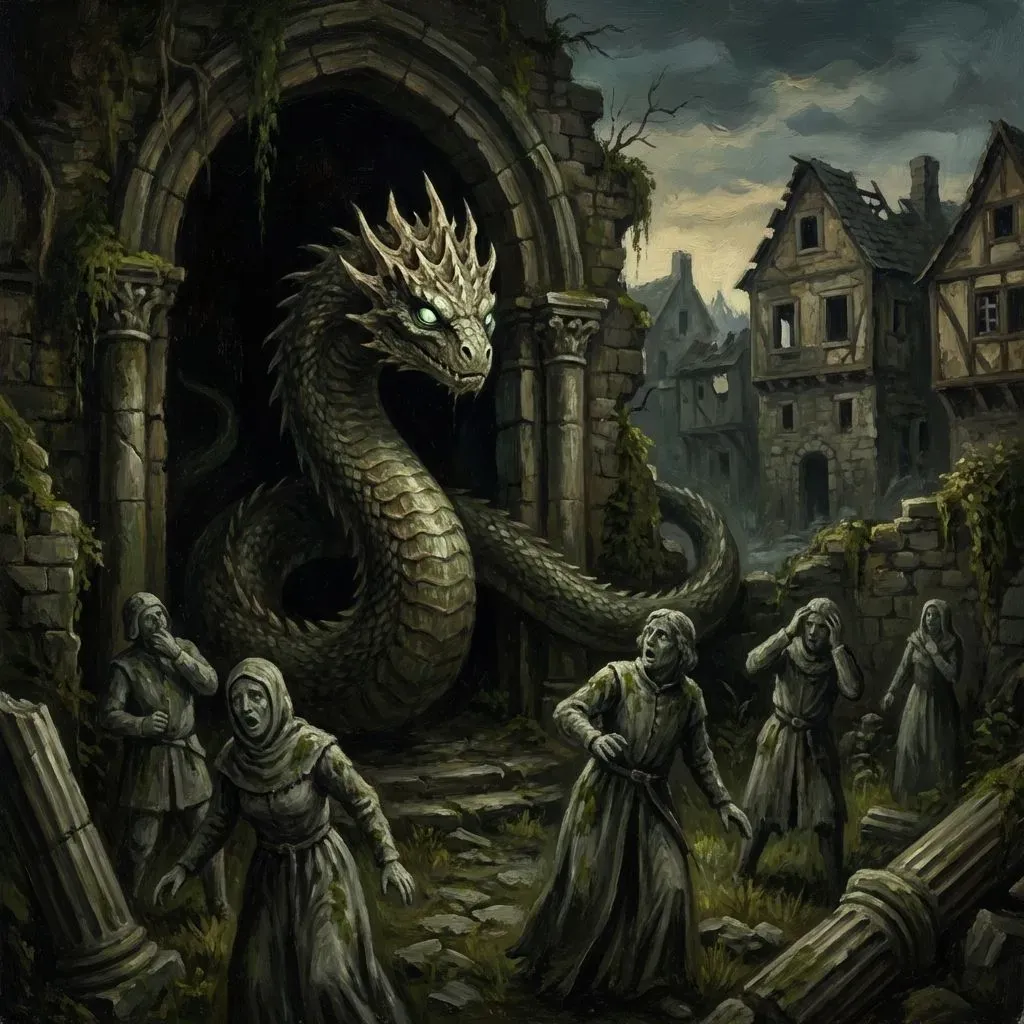
The territories the dragon terrorized with his raids.
Herensuge condenses some of the oldest fears preserved by Basque mythology: fire, appetite, tribute and the monstrous force that dwells beneath the mountains. He is not only a dragon, but also the image of ungoverned devastation.
His body rises from caves and ravines as though the land itself were delivering a punishment. In that sense, Herensuge belongs to a world where the landscape is alive and danger is never completely separated from the sacred.
The requirement of human tribute turns the legend into a communal drama. The monster does not merely attack at random; he imposes a tyrannical order that a hero must finally break through courage, sacrifice and confrontation.
For that reason, every tale of Herensuge is also a tale about liberation. When the dragon falls, the valley recovers not only safety, but moral balance and the right to live without fear.