Teodosius of Goñi
The Navarrese knight who, deceived by the devil, committed parricide and wandered in chains until Saint Michael freed him at Aralar.
— Nafarroa / Gipuzkoa —
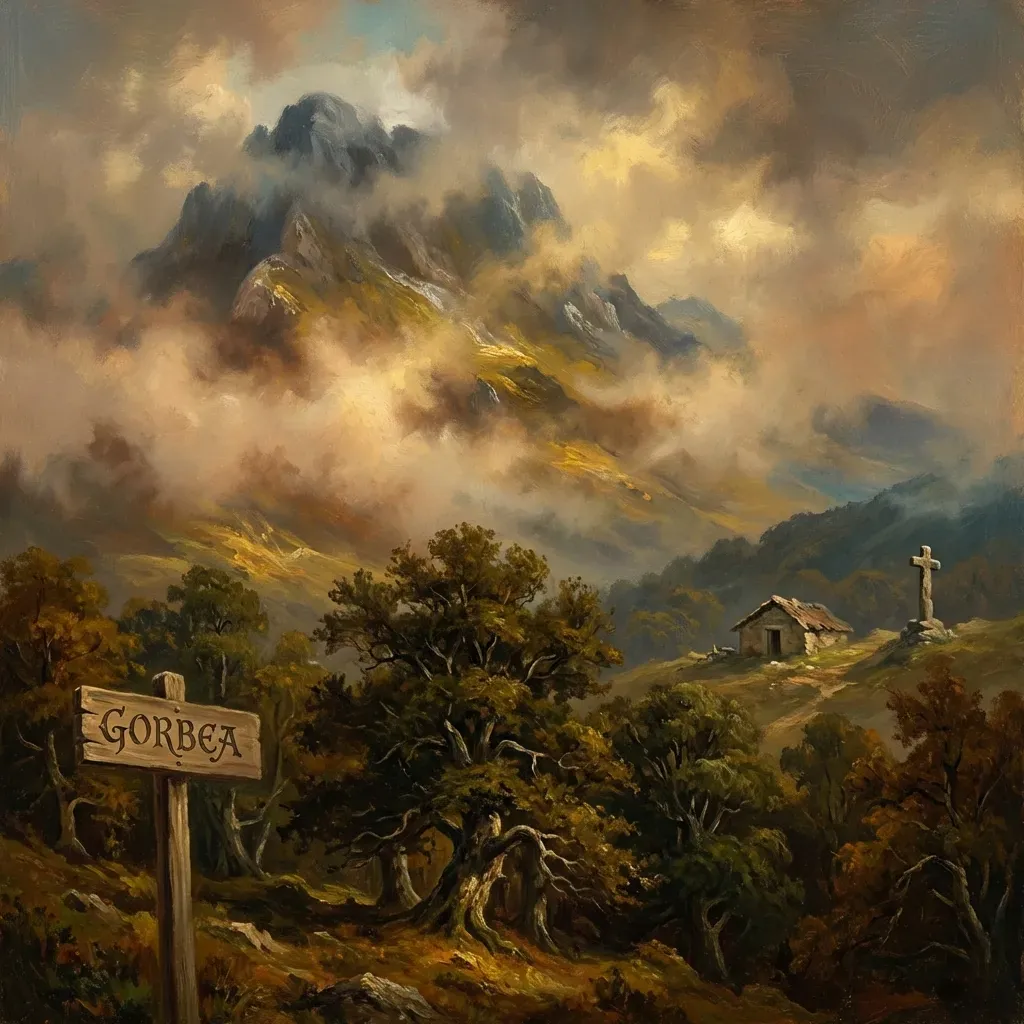
The Aralar range holds one of the greatest concentrations of megalithic monuments in the Basque Country, with more than a hundred dolmens, cromlechs and mounds scattered across its uplands. This makes Aralar one of the key prehistoric sacred landscapes of the western Pyrenees.
The megaliths of Aralar are mainly distributed along high ridges and passes connecting different parts of the range. Sites such as Alotza and other mountain stations show how these monuments were integrated into routes, seasonal movements and ritual geographies of great complexity.
Building these monuments between five and three thousand years ago required substantial collective effort. The great stones had to be transported and placed with precision, turning the landscape itself into a durable archive of memory, death and community.
Today, the megaliths of Aralar can be visited through hiking routes that cross the range. The combination of traditional shepherding, ancient forests, legends of Mari and the giants, and these stone witnesses of prehistory makes the massif one of the most suggestive cultural landscapes in Euskal Herria.
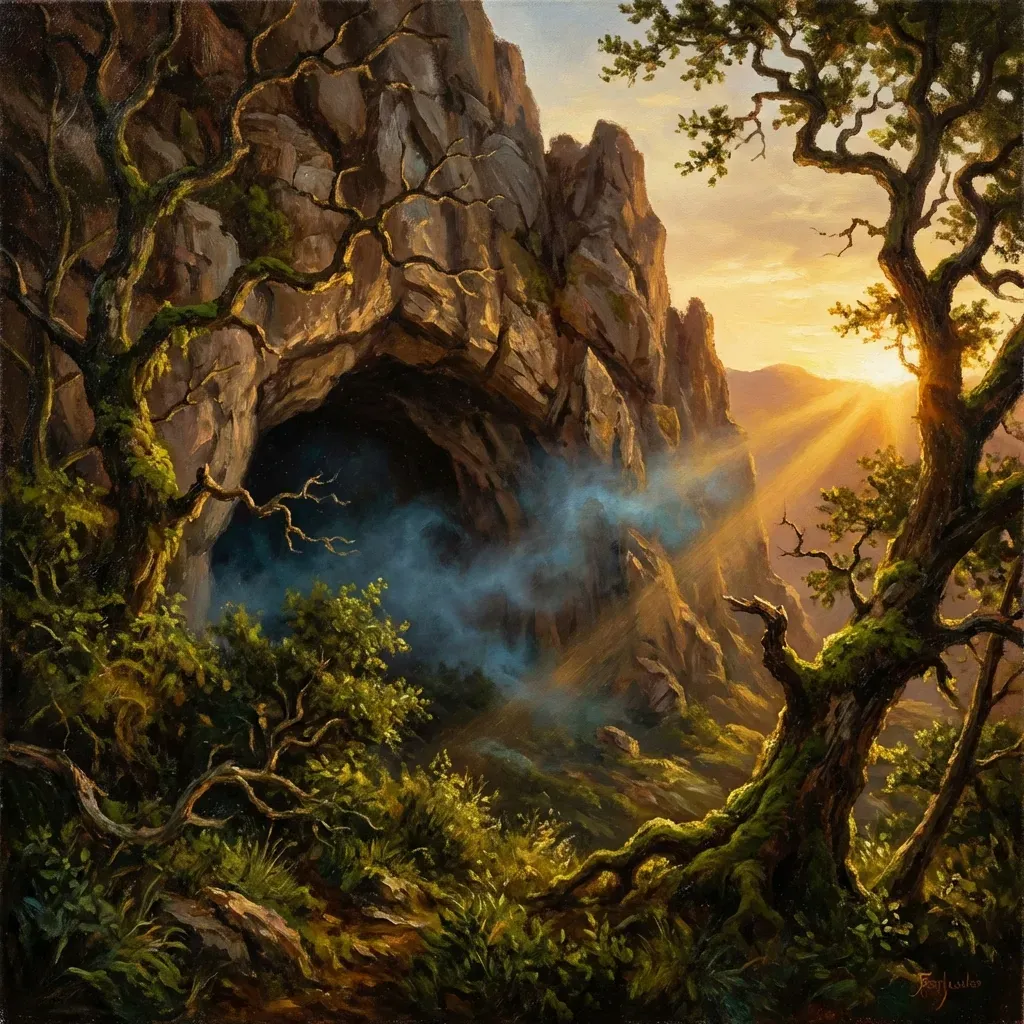
The Navarrese knight who, deceived by the devil, committed parricide and wandered in chains until Saint Michael freed him at Aralar.
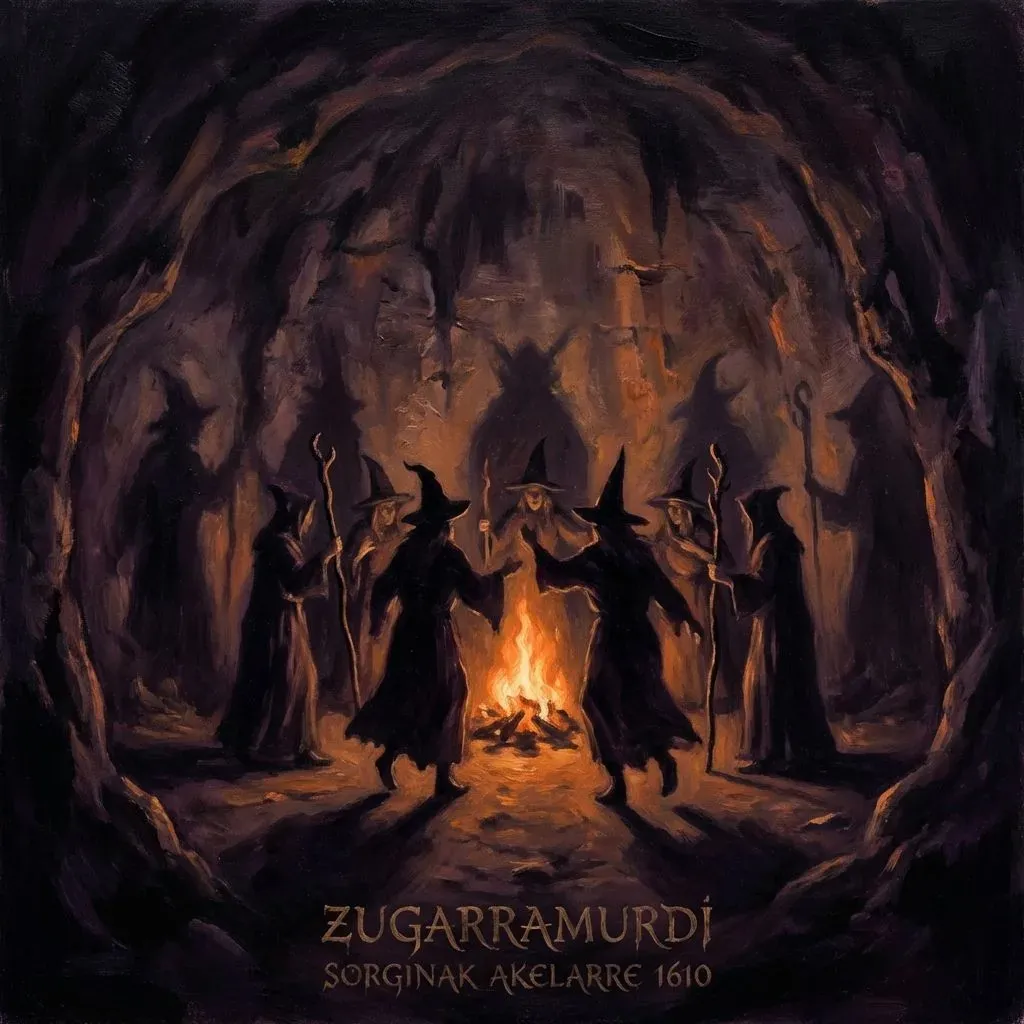
The famous inquisitorial trial of 1610 against the Navarrese witches who held akelarres in the sacred cave.
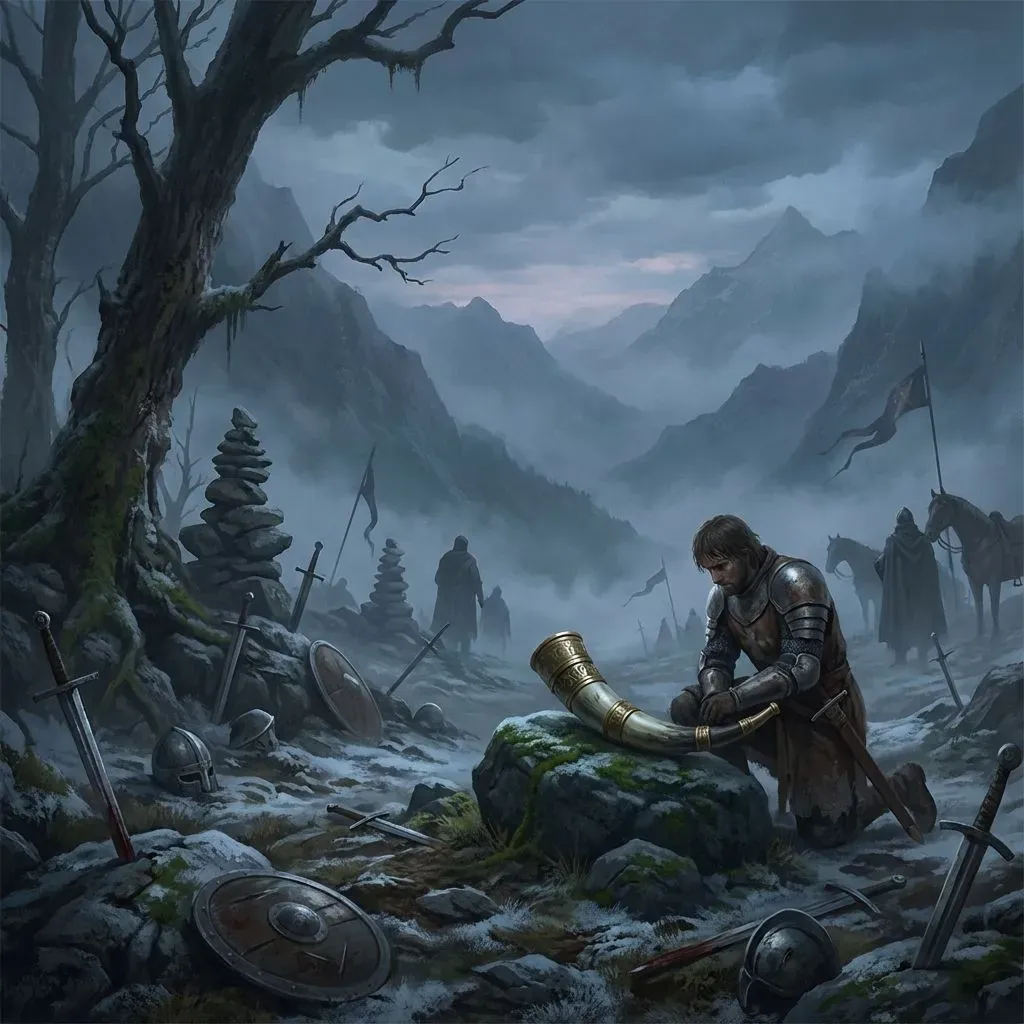
The Basque ambush against Charlemagne's army in the Pyrenean pass where the legendary Roland fell.
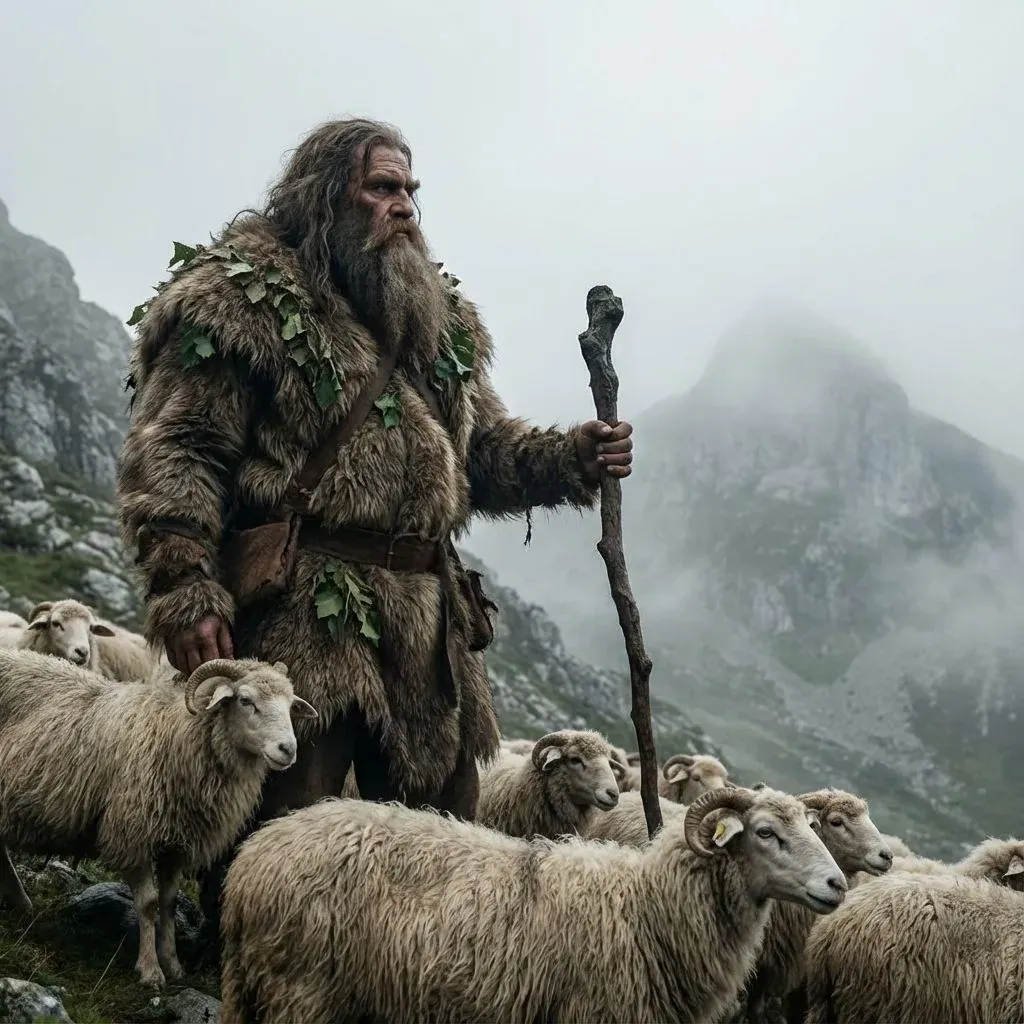
The shaggy giant who lives in the forests, protector of flocks and guardian of the secrets of agriculture and the forge.

Seductive nymphs who dwell in rivers and springs, recognisable by bird feet or fish tails, combing their hair with golden combs.
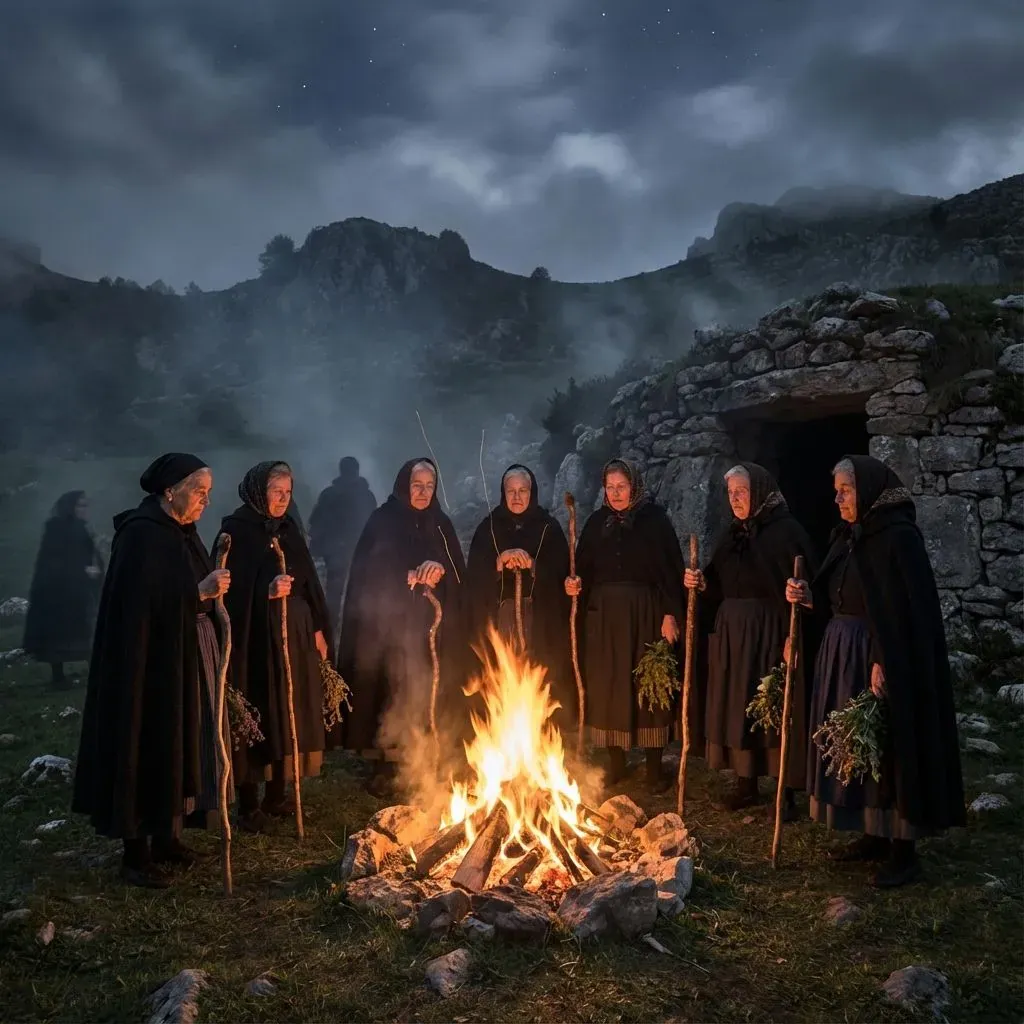
The Basque witches and wise women, priestesses of Mari who mastered potions, curses and the art of flying through the night sky.
Aralar’s concentration of megalithic monuments is unrivalled elsewhere in the Basque Country. Nearly forty documented dolmens, standing stones and stone circles occupy a small area, forming the territory’s largest prehistoric stone archive and one of the Cantabrian region’s densest, comparable in relative density to major complexes in Brittany or the British Isles.
Aralar’s Neolithic and Chalcolithic dolmens were not placed at random. They generally stand where surrounding valleys are most visible, on flats suitable for gatherings or beside springs supplying the summer pastures. Each records how its builders understood the territory and their relationship with it.
Aralar’s standing stones, vertical slabs without burial chambers, remain particularly debated. Some appear to mark astronomical horizons, others grazing territories or natural routes between passes. They probably served different purposes in different contexts; the reasons for placing a stone in a particular spot may be more practical than romantic views of megaliths suggest.
Exploring Aralar’s megaliths with a map is among the most rewarding forms of Basque cultural walking. The upland landscape’s austere beauty and the quiet but constant presence of prehistoric monuments encourage contemplation, whether your interest is archaeology, philosophy or simply being somewhere unlike anywhere else.