Teodosius of Goñi
The Navarrese knight who, deceived by the devil, committed parricide and wandered in chains until Saint Michael freed him at Aralar.
— Zuberoa —
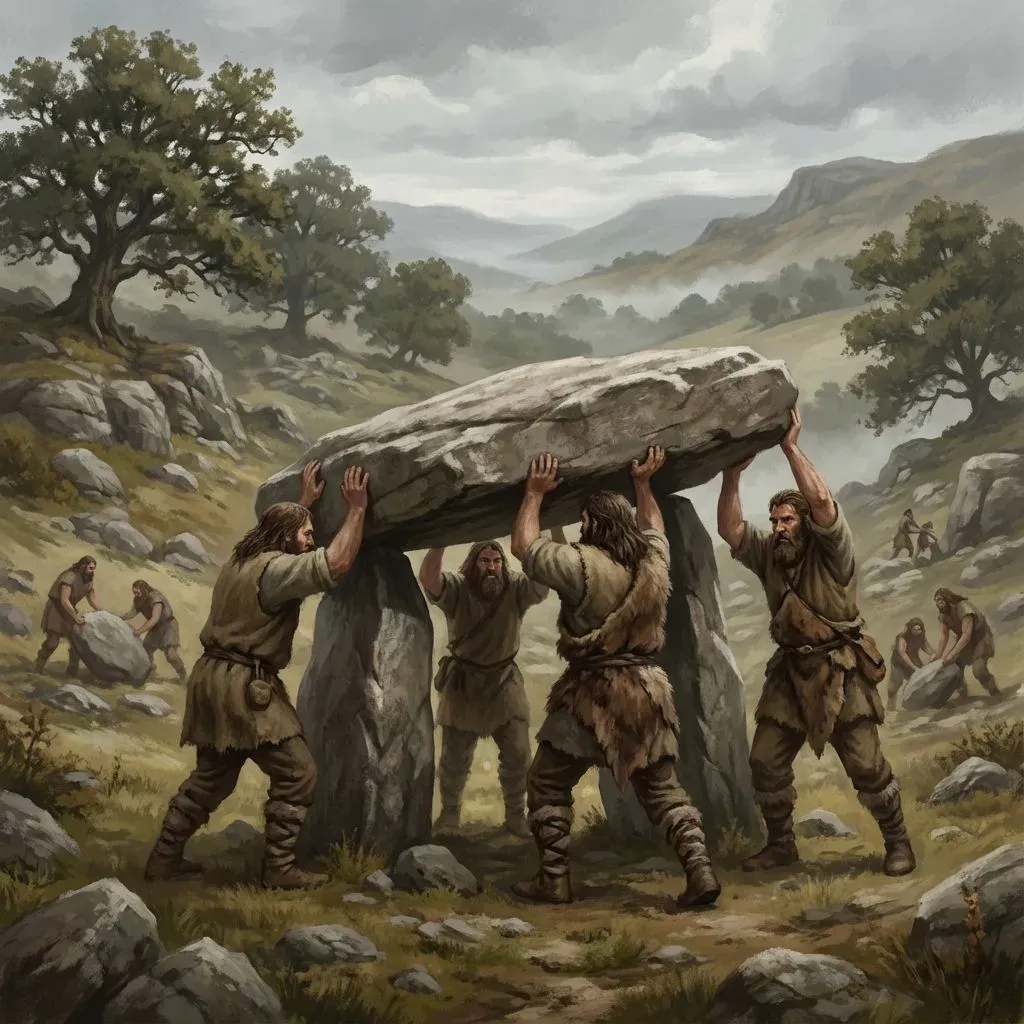
The cromlechs of Zuberoa, known in French as Soule, form one of the most important groups of protohistoric funerary architecture in the Pyrenean region. Spread across high grazing grounds and mountain passes, they reveal how ritual and landscape remained closely linked in the western Basque mountains.
Zuberoa contains hundreds of catalogued cromlechs, mainly concentrated in upland pasture areas. Megalithic zones such as Iraty, Organbidexka and the surrounding ridges preserve an extraordinary density of stone circles, turning the province into one of the great laboratories of Pyrenean prehistory.
These Zuberoan cromlechs are usually formed by small standing stones defining circles of four to seven metres in diameter. Inside them, cremated remains were buried, which makes these monuments both funerary structures and enduring markers of territory, memory and pastoral movement.
A visit to these monuments also reveals the extraordinary natural heritage of Zuberoa: the beech woods of Iraty, wild horses grazing freely and vultures circling high above. It is difficult to imagine a better setting in which to understand the deep bond between ancestral ritual and mountain landscape.
The Navarrese knight who, deceived by the devil, committed parricide and wandered in chains until Saint Michael freed him at Aralar.
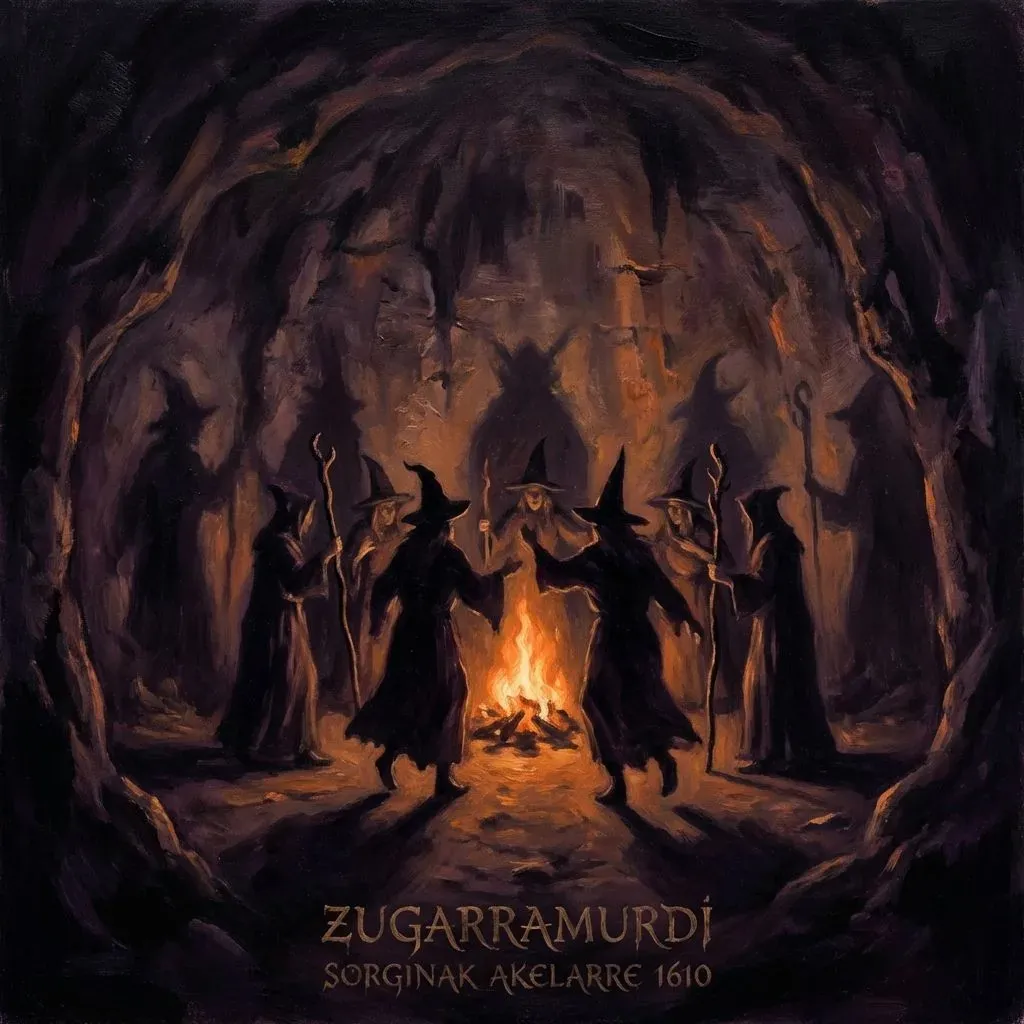
The famous inquisitorial trial of 1610 against the Navarrese witches who held akelarres in the sacred cave.
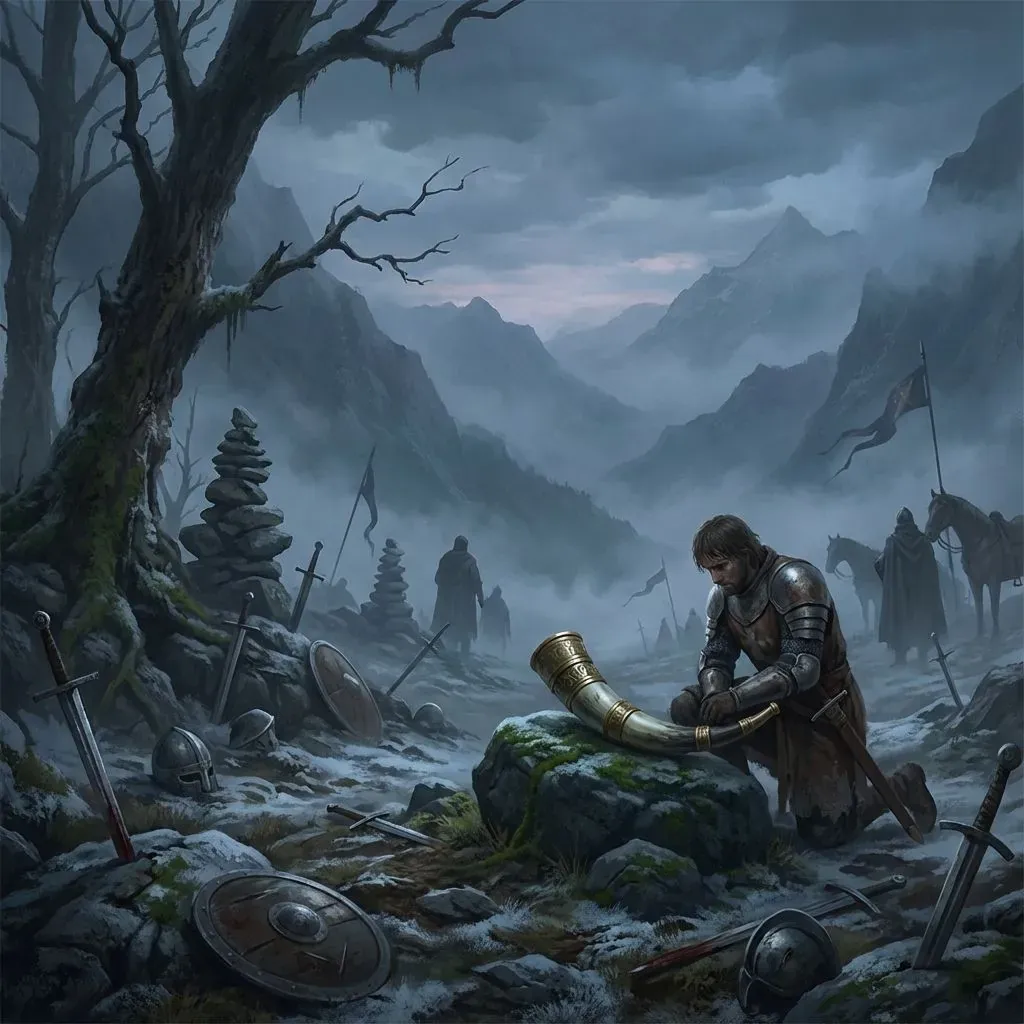
The Basque ambush against Charlemagne's army in the Pyrenean pass where the legendary Roland fell.
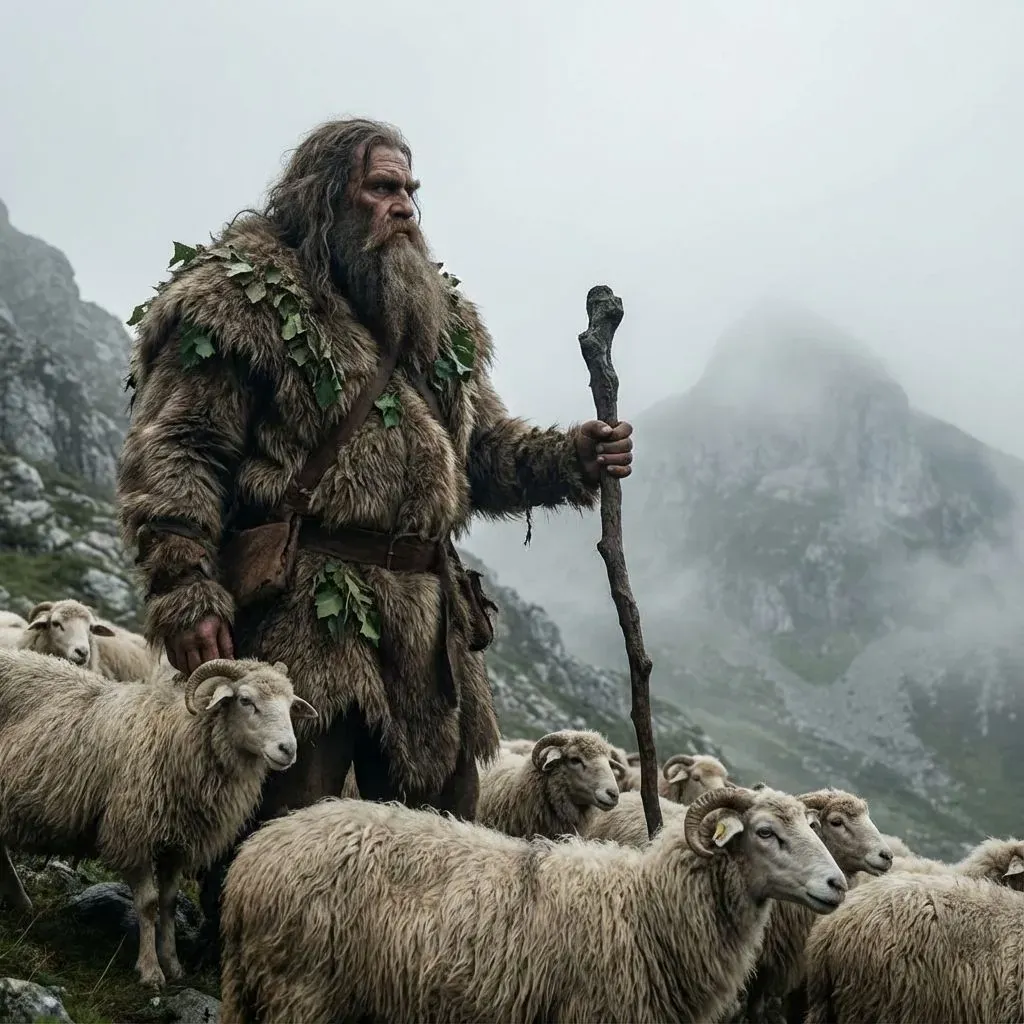
The shaggy giant who lives in the forests, protector of flocks and guardian of the secrets of agriculture and the forge.

Seductive nymphs who dwell in rivers and springs, recognisable by bird feet or fish tails, combing their hair with golden combs.
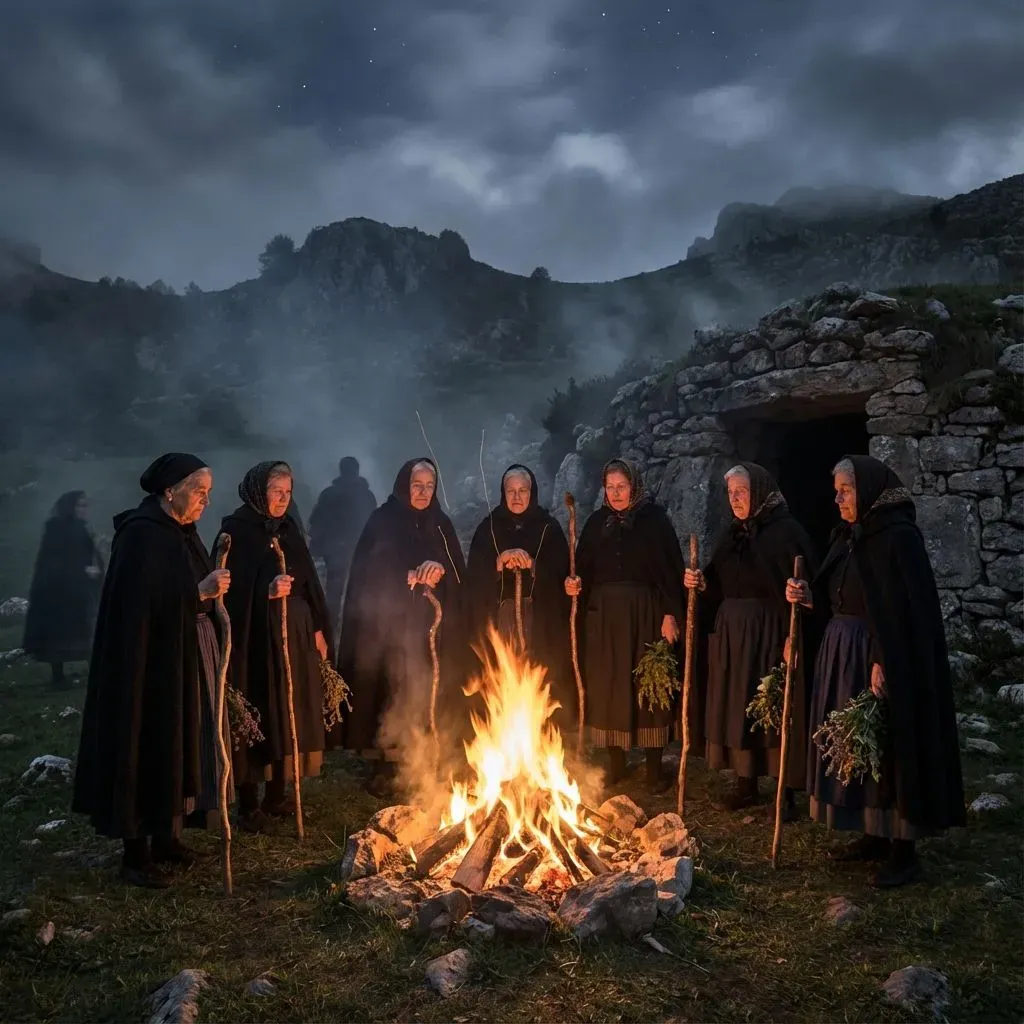
The Basque witches and wise women, priestesses of Mari who mastered potions, curses and the art of flying through the night sky.
Zuberoa, the easternmost and least-known province of the French Basque Country, has many megalithic monuments in its high mountains and summer pastures. Local shepherds lived alongside them for generations without asking much about their builders or purpose before modern archaeologists arrived. The popular answer was always the same: the Mairuak, ancestral builders from mythical times.
Zuberoa’s stone circles, particularly around the Iraty and Larrau passes and the highlands bordering the Arbailles massif, differ slightly from those elsewhere in Basque territory. Generally smaller and less regular than examples in Gipuzkoa or Navarre, they are closely associated with historic transhumance routes, supporting the theory that pastoral communities erected many as permanent markers of seasonal territories.
Zuberoa is also where Basque has preserved its most archaic and distinctive variety, Souletin or zuberotar, whose phonological and grammatical features linguists regard as close to early Basque. This linguistic preservation accompanies a broader cultural continuity, including unique musical traditions such as the masked folk theatre of the Zuberoan masquerades, with parallels in winter rituals across the Pyrenees.
Visiting Zuberoa also means discovering a less-travelled Basque Country whose material and intangible traditions have evolved more slowly than those of areas more exposed to tourism and modernisation.