Main content
Explore Lurkaia
Gods and spirits
Step into the Basque mythological pantheon, where ancestral divinities coexist with spirits of nature in one of Europe's most distinctive symbolic universes.
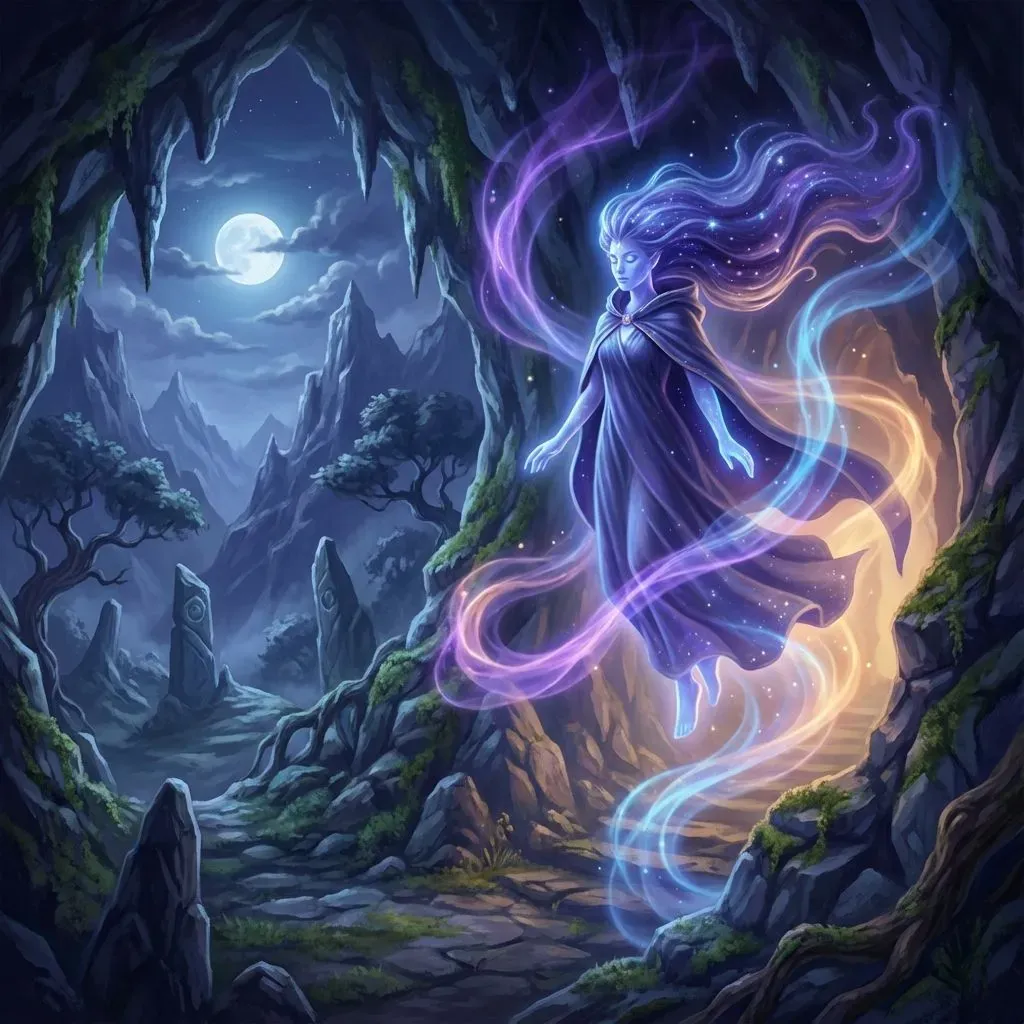
Basque mythology is one of the oldest and most singular systems of belief in Europe. Older than Christianity and preserved for centuries through the geographical particularity of Euskal Herria, it reflects a profound bond with mountains, caves, weather and the living landscape. At the centre stands Mari, the great mother figure and sovereign of the elements, whose presence is felt in storms, fertility and the rhythms of the earth.
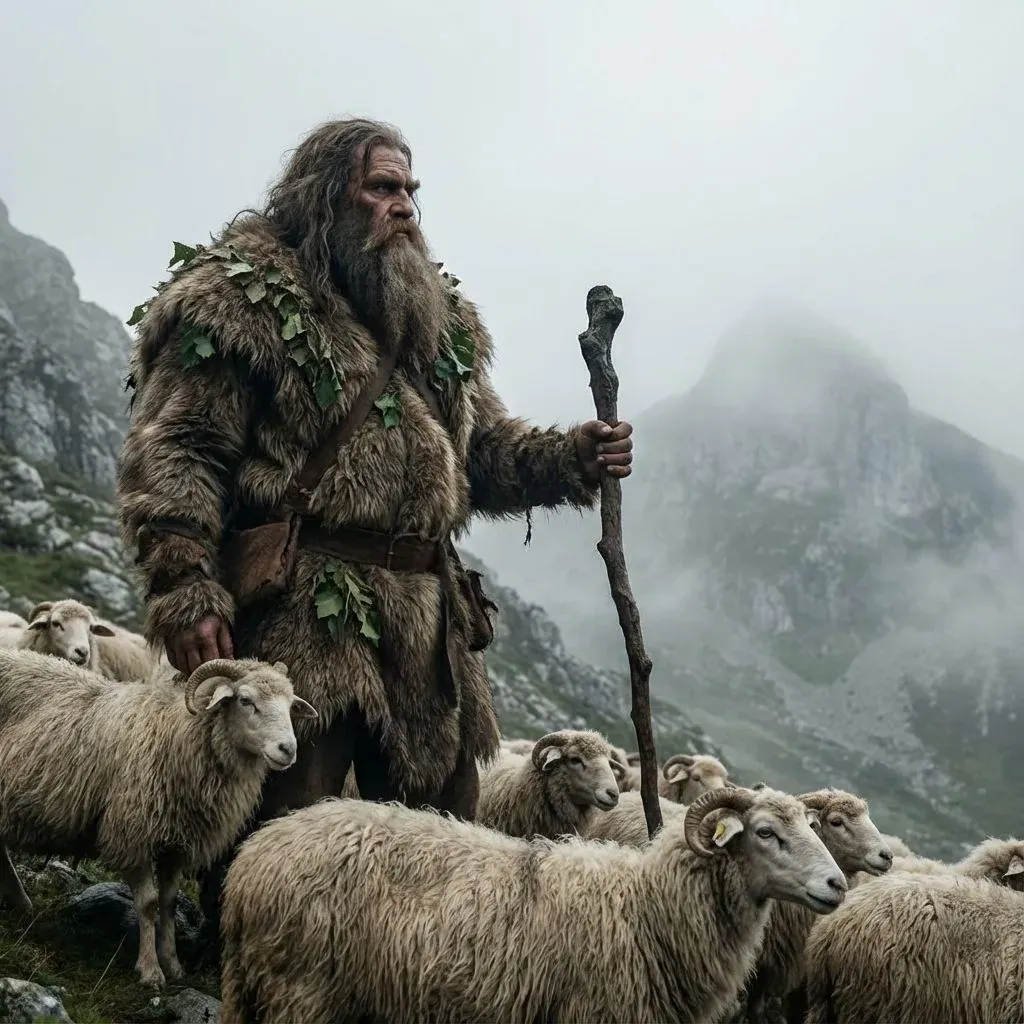
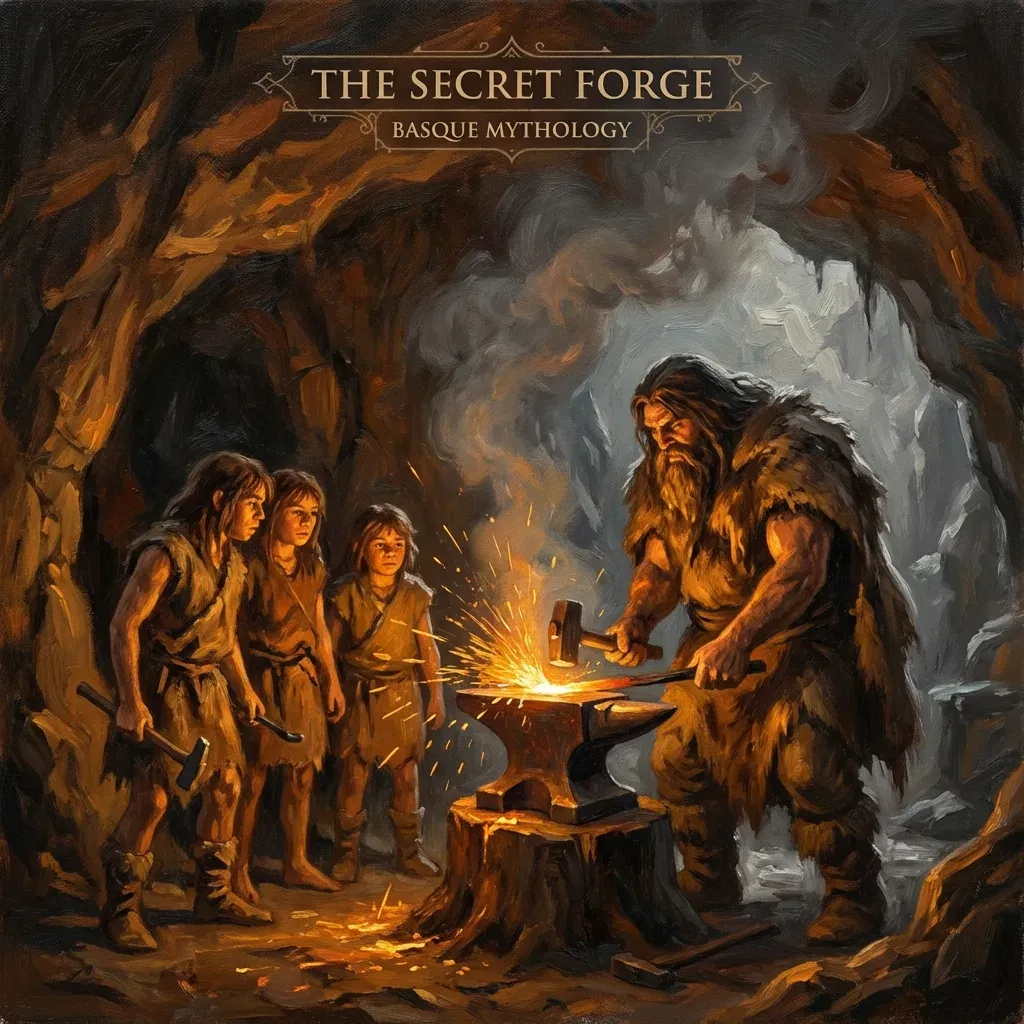
Alongside Mari appears Sugaar, her serpentine consort, crossing the sky as dragon or streak of fire and symbolising a complementary masculine force. Basajaun, the wild guardian of the forest, teaches humans agriculture and metallurgy in many legends. The lamias, with their water-bound and liminal nature, can reward respect or punish arrogance, while figures such as Gaueko embody the laws of night and the danger of crossing natural limits.
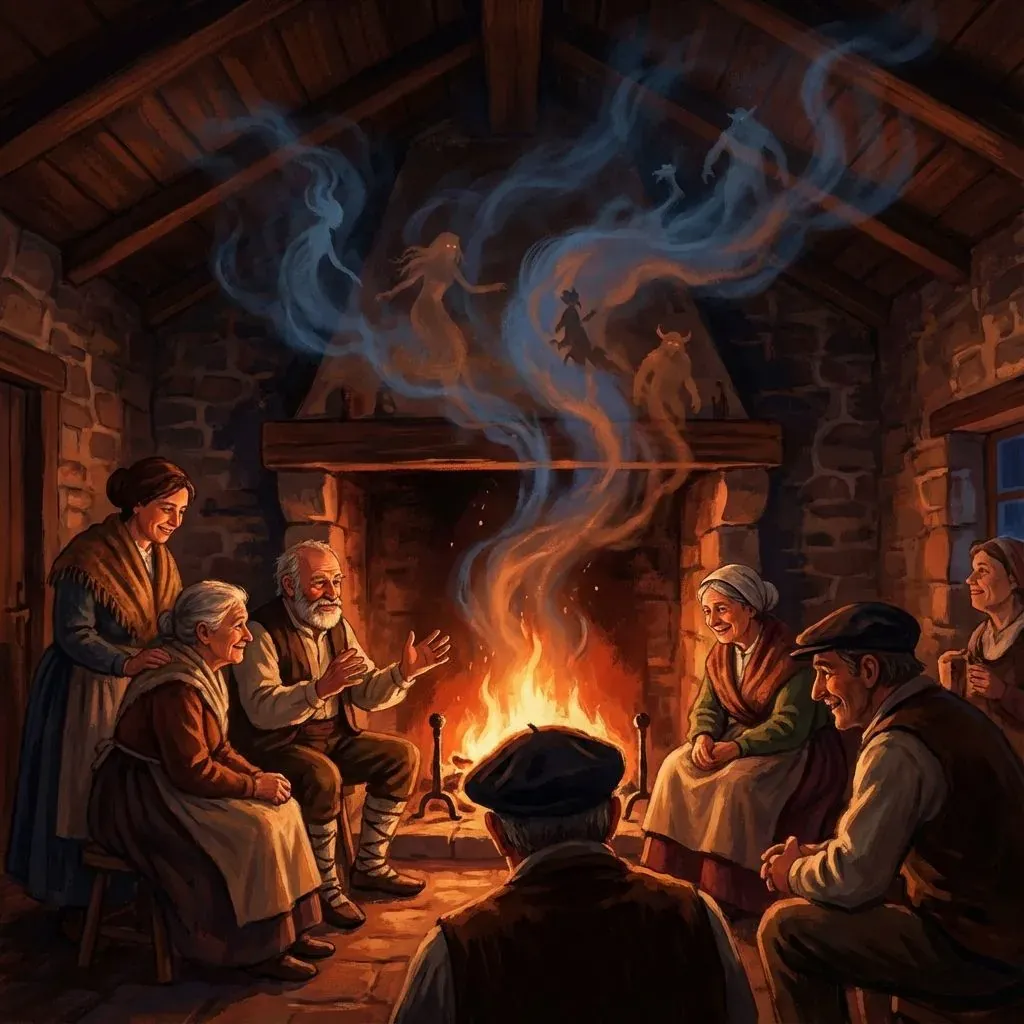
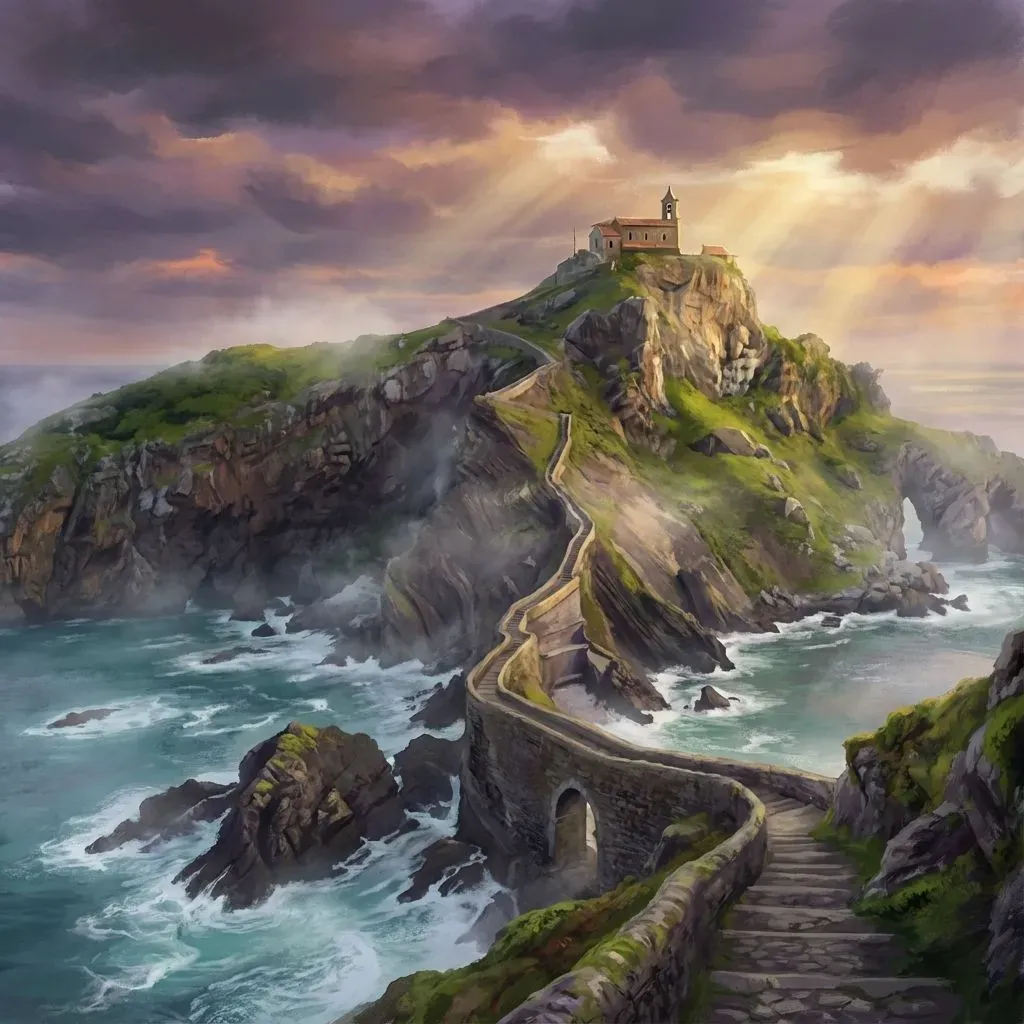
This mythology is not simply a relic of the past. It remains alive in place names, local festivals and collective memory. Caves such as Anboto, Aizkorri or Aralar still retain mythical resonance, and many rituals or local stories echo these older beliefs. To study Basque mythology is to enter a cosmology in which humanity, nature and the supernatural form a single, interdependent order.