Teodosius of Goñi
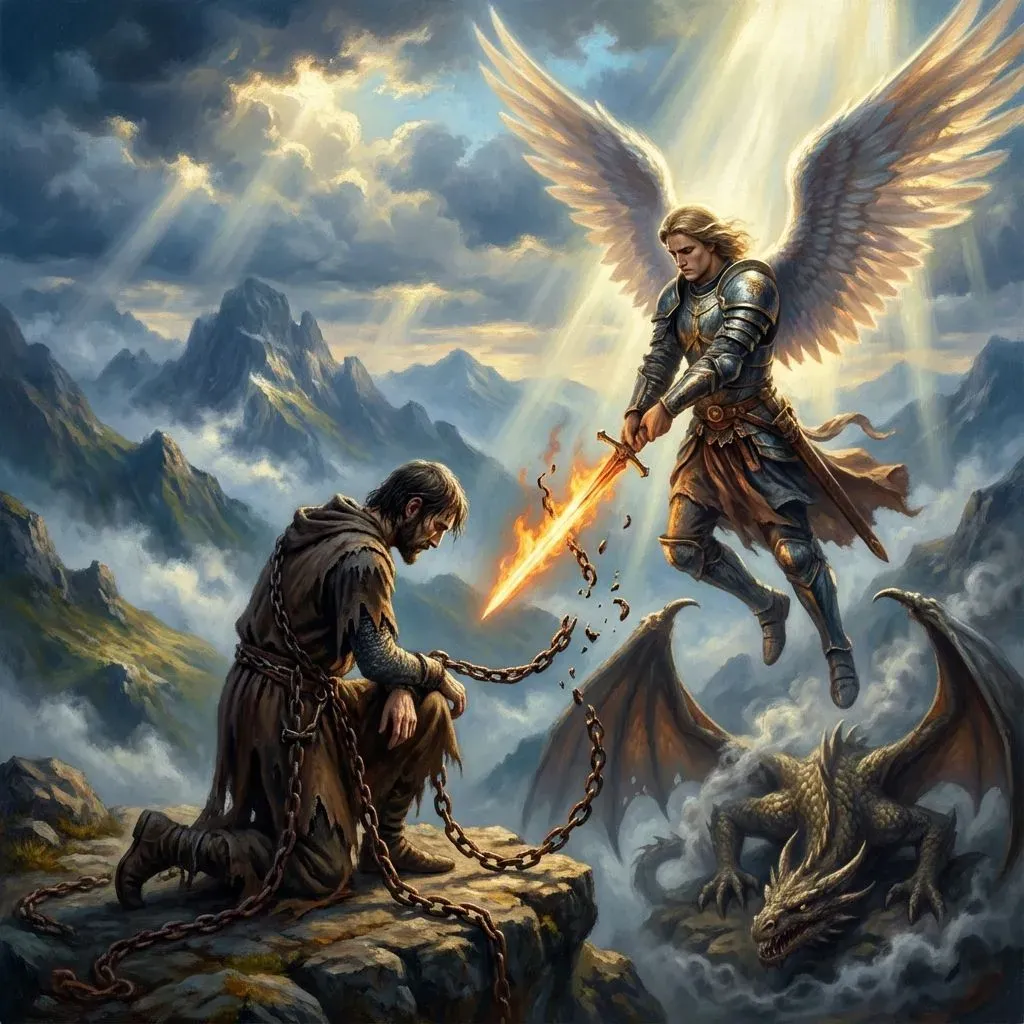
The Navarrese knight who, deceived by the devil, committed parricide and wandered in chains until Saint Michael freed him at Aralar.
— Bizkaia —
The Basilica of Begona is the most important Marian sanctuary in Bizkaia and one of the most beloved centres of devotion for the people of Bilbao. Rising above the city on its hillside setting, it has long been one of the spiritual and emotional reference points of the territory.
The Virgin of Begona, patroness of Bizkaia, has inspired devotion at least since the sixteenth century. According to tradition, the image was found in an oak on the hillside, a discovery that gave rise to the sanctuary and helped root Marian worship deeply in the history of Bilbao and its surroundings.
The present church, built in late Gothic style over the course of the sixteenth century, holds an impressive Renaissance altarpiece and the cherished image of the Virgin. Pilgrimages, local festivals and the constant presence of the shrine in Bilbao?s skyline have kept Begona alive as both monument and symbol.
The festivities of Our Lady of Begoña on 15 August herald Bilbao’s Aste Nagusia, the city’s main celebrations. The procession from the basilica to central Bilbao brings together thousands of people in a celebration combining religious fervour and popular festivity.
The Navarrese knight who, deceived by the devil, committed parricide and wandered in chains until Saint Michael freed him at Aralar.
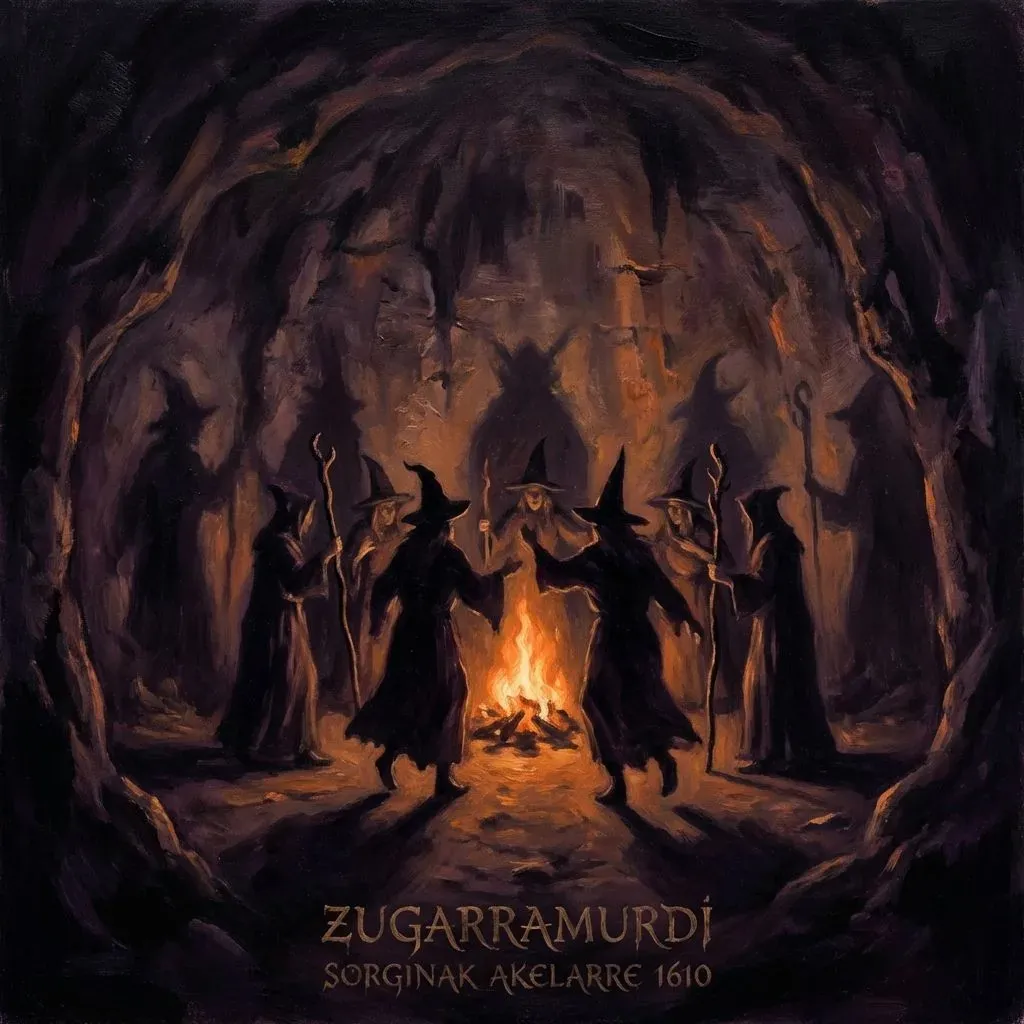
The famous inquisitorial trial of 1610 against the Navarrese witches who held akelarres in the sacred cave.
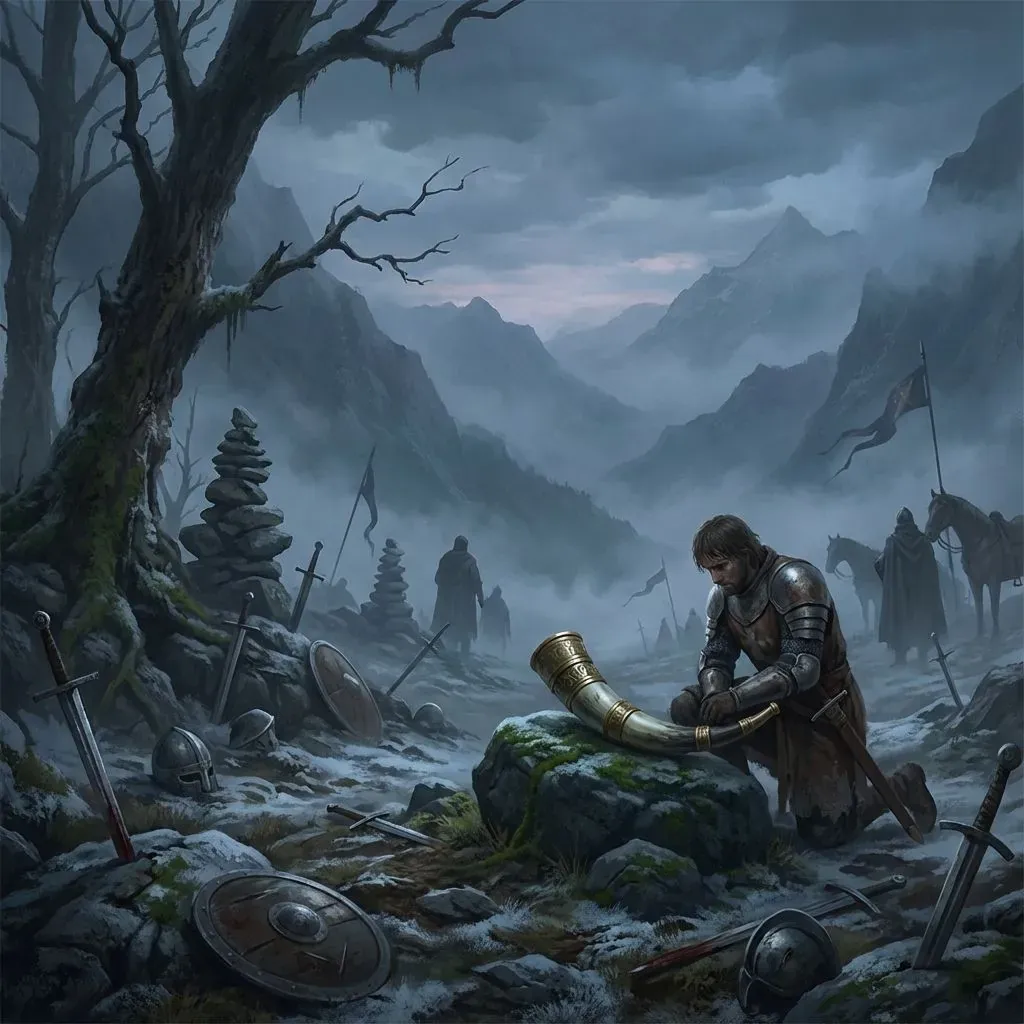
The Basque ambush against Charlemagne's army in the Pyrenean pass where the legendary Roland fell.
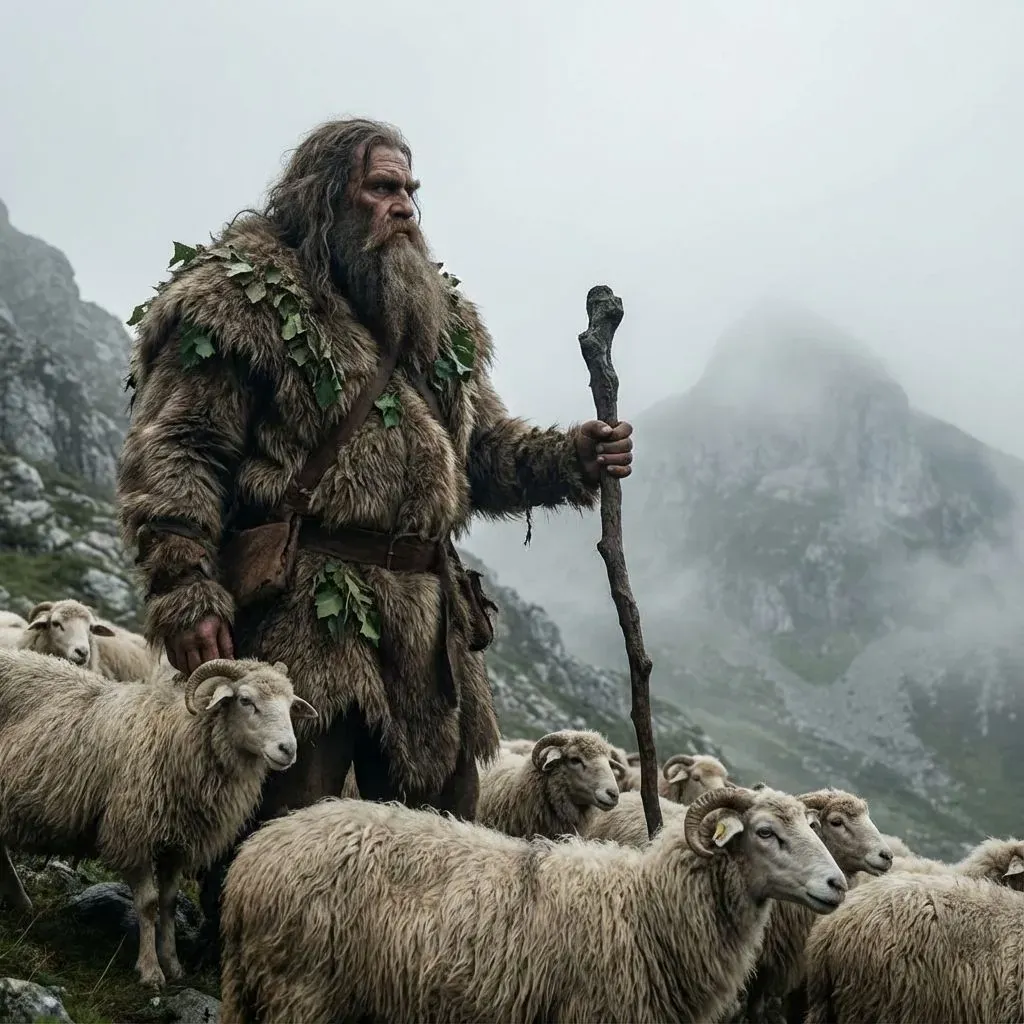
The shaggy giant who lives in the forests, protector of flocks and guardian of the secrets of agriculture and the forge.

Seductive nymphs who dwell in rivers and springs, recognisable by bird feet or fish tails, combing their hair with golden combs.
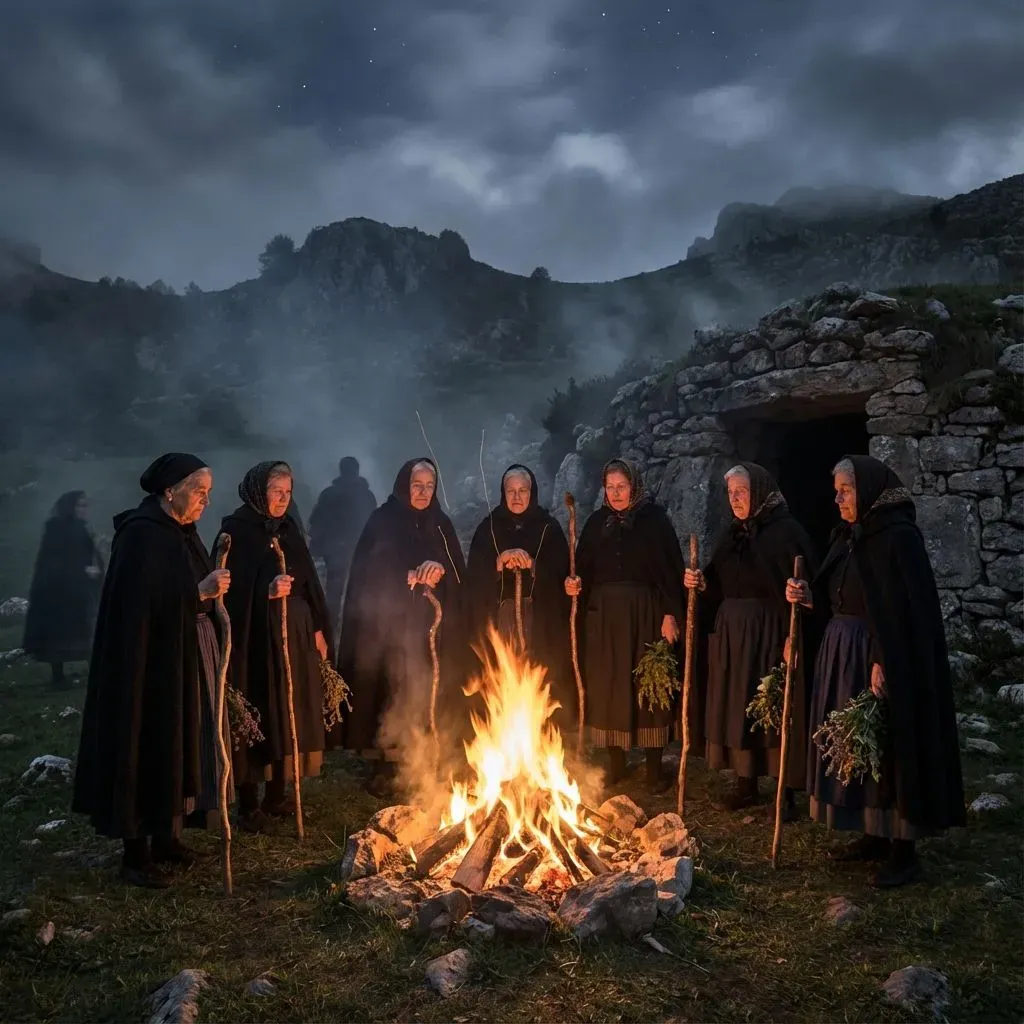
The Basque witches and wise women, priestesses of Mari who mastered potions, curses and the art of flying through the night sky.
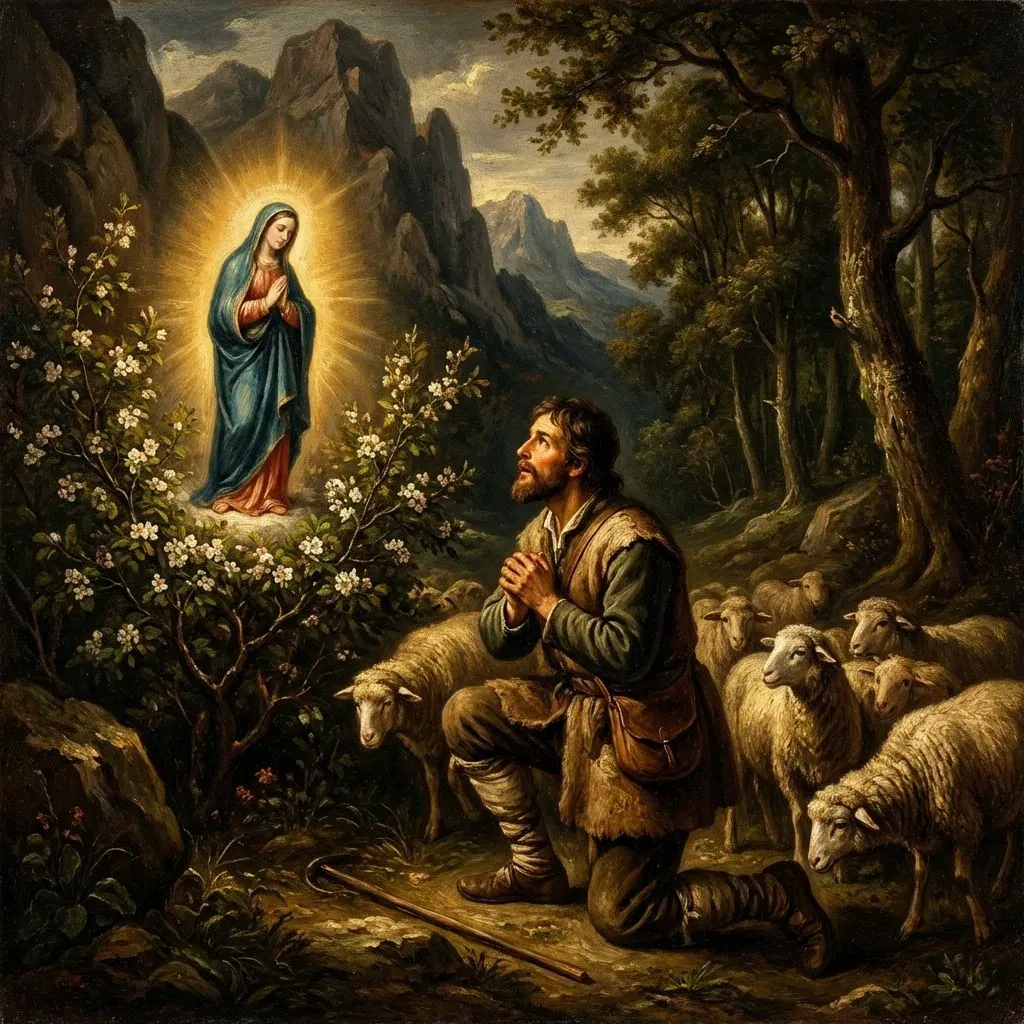
Standing above the neighbourhood of the same name on a hill overlooking Bilbao’s old town, Begoña basilica houses the patron saint of Bizkaia. Tradition traces her veneration to a Marian apparition in the sixteenth century. According to the popular account, a shepherd following his cow along the hillside found the Virgin’s image, beginning one of the Basque Country’s most deeply rooted forms of worship.
Stories of miraculous discoveries founding sanctuaries are widespread in Catholic Europe, but acquire additional resonance in the Basque context. The cow leading the shepherd to the sacred image recalls Aatxe, the mystical calf who guards and carries messages from invisible worlds in Basque mythology. The parallel suggests continuity between pre-Roman imagery and the forms Christian worship took in this territory.
Begoña’s festivities on 15 August attract tens of thousands of devotees from Bizkaia and from the worldwide Basque diaspora returning to Bilbao in summer. The procession through the old town and the walk up from the Arenal to the basilica unite worship and celebration with a naturalness that formal devotion alone can hardly explain.
The basilica itself, built in the sixteenth century over an earlier hermitage and enlarged several times, is a valuable architectural record of four centuries of religious art in Bizkaia. Its altarpieces, cloister and place in Bilbao’s urban and emotional fabric make it a landmark extending far beyond religion alone.