Teodosius of Goñi
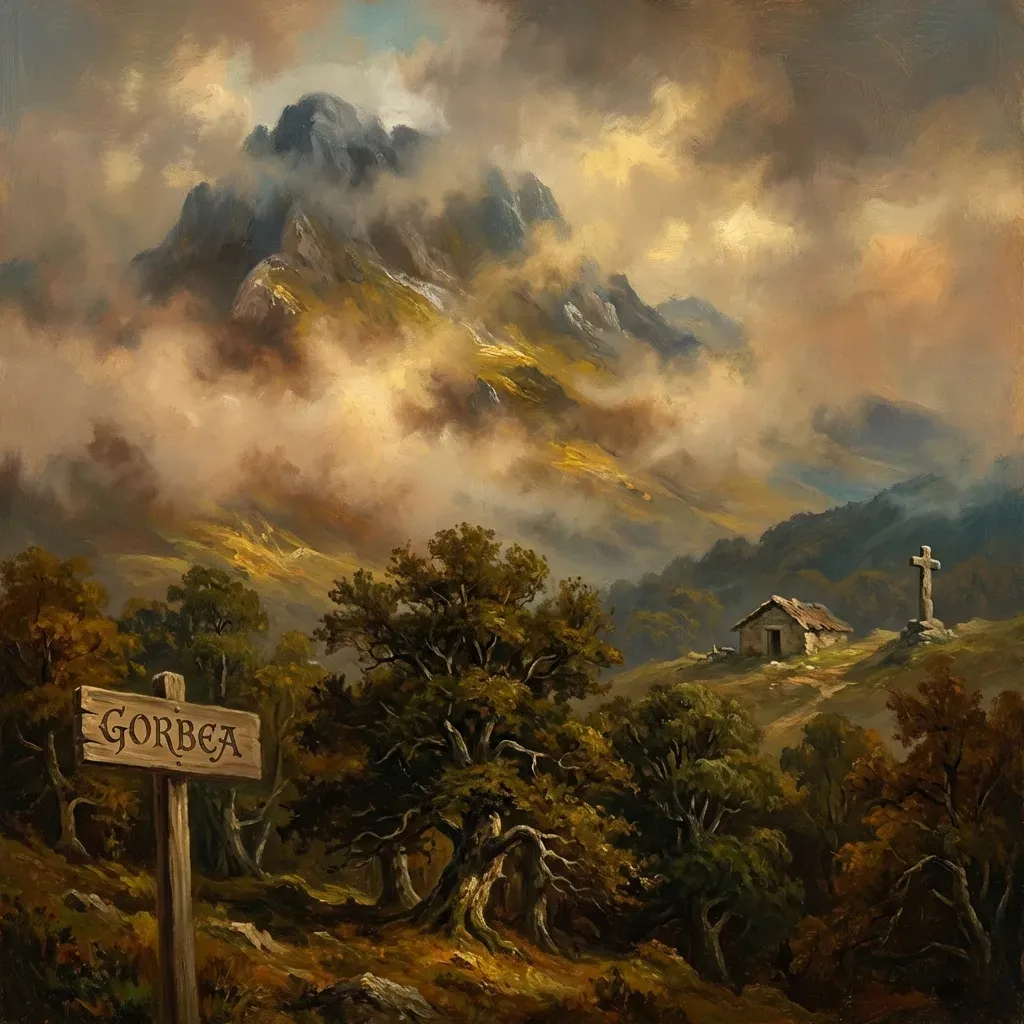
The legend of the knight Teodosio de Goñi, whose penance ends when San Miguel frees him from his chains in Aralar.
— Gipuzkoa —
The sanctuary of Loyola is one of the most impressive monumental ensembles in the Basque Country, built around the tower house where Saint Ignatius of Loyola was born in the Urola valley. It combines dynastic memory, spiritual transformation and baroque grandeur in a single architectural setting.
The baroque basilica follows the design of Carlo Fontana. Its circular floor plan and dome contrast with the appearance of the family house that the complex preserves.
After being wounded in Pamplona in 1521, Ignatius spent part of his convalescence here. The readings and reflections of that period marked his life change.
Loiola is a place of pilgrimage and one of the references in the history of the Society of Jesus. The birthplace and the basilica allow us to learn about different stages of that legacy.
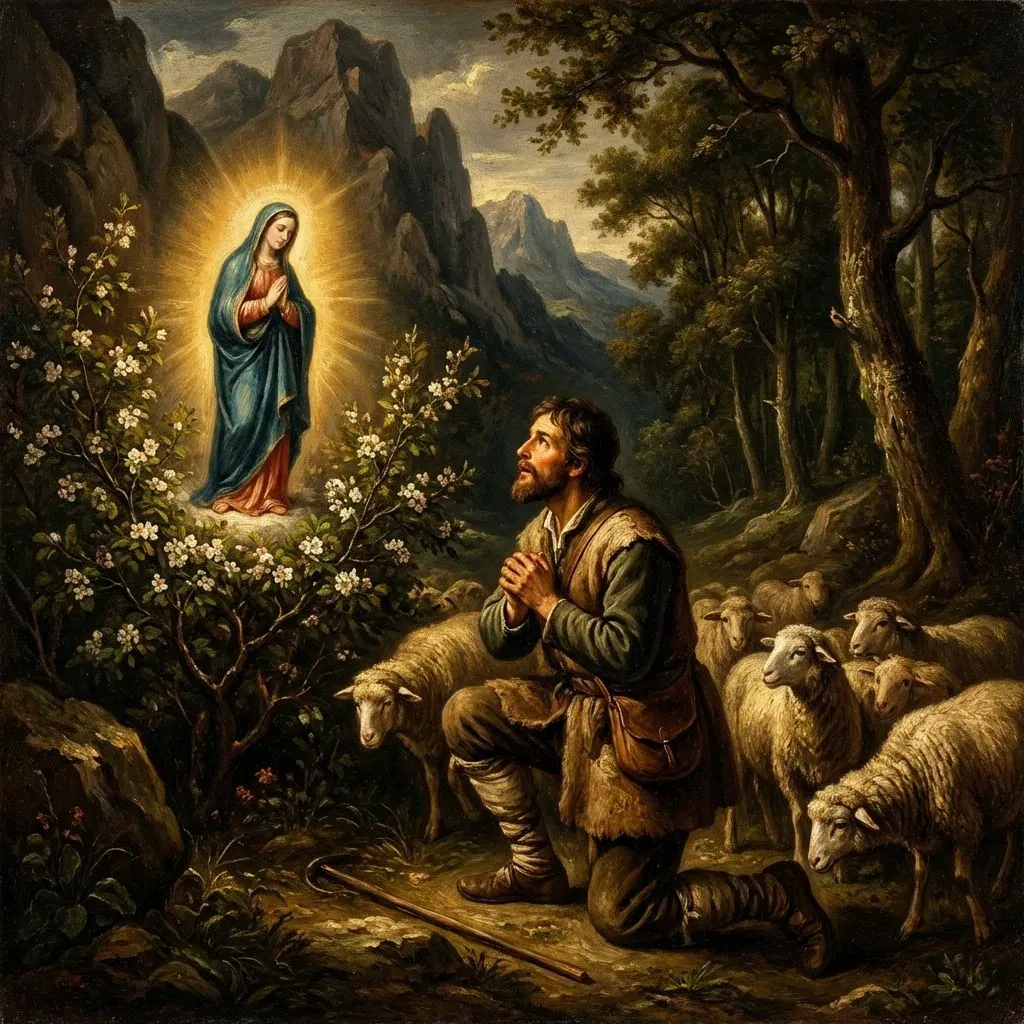
The legend of the knight Teodosio de Goñi, whose penance ends when San Miguel frees him from his chains in Aralar.
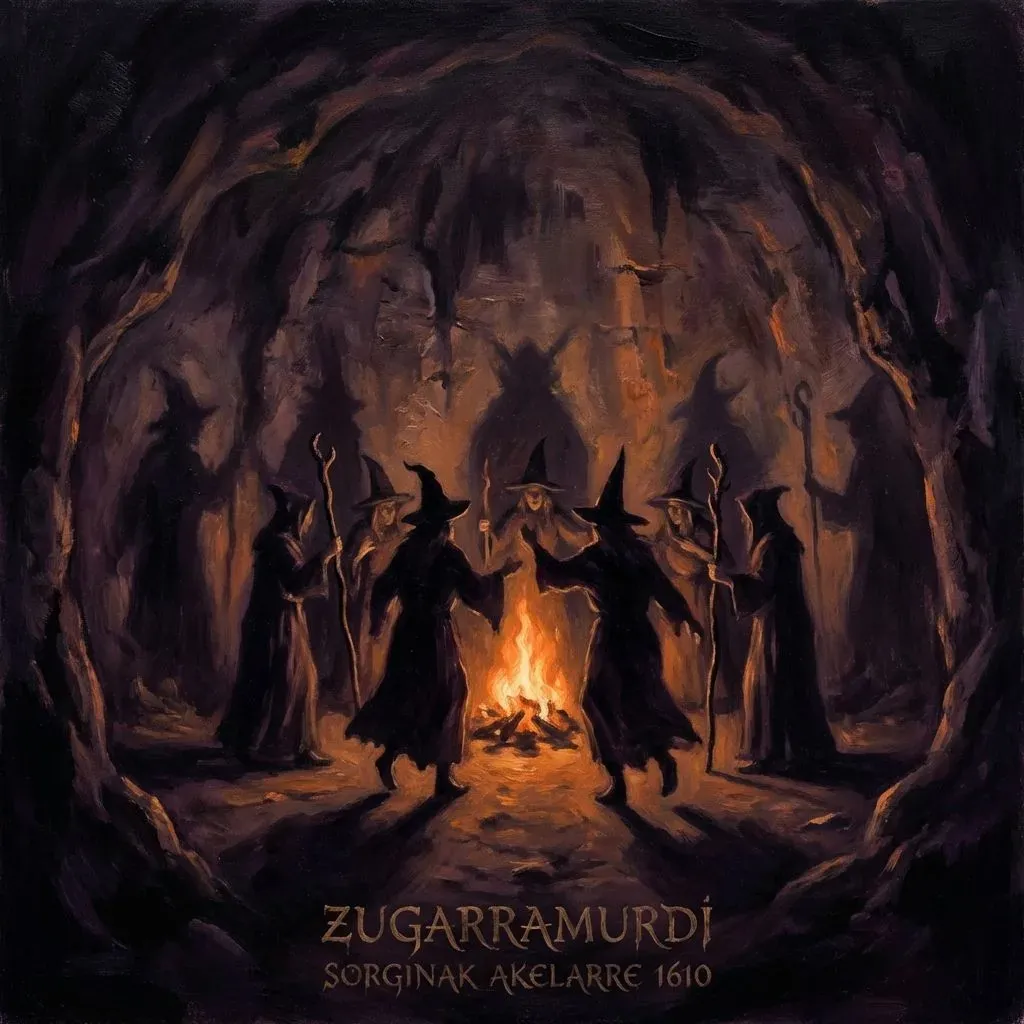
The inquisitorial process of 1610 and the memory of the people accused of witchcraft in Zugarramurdi.
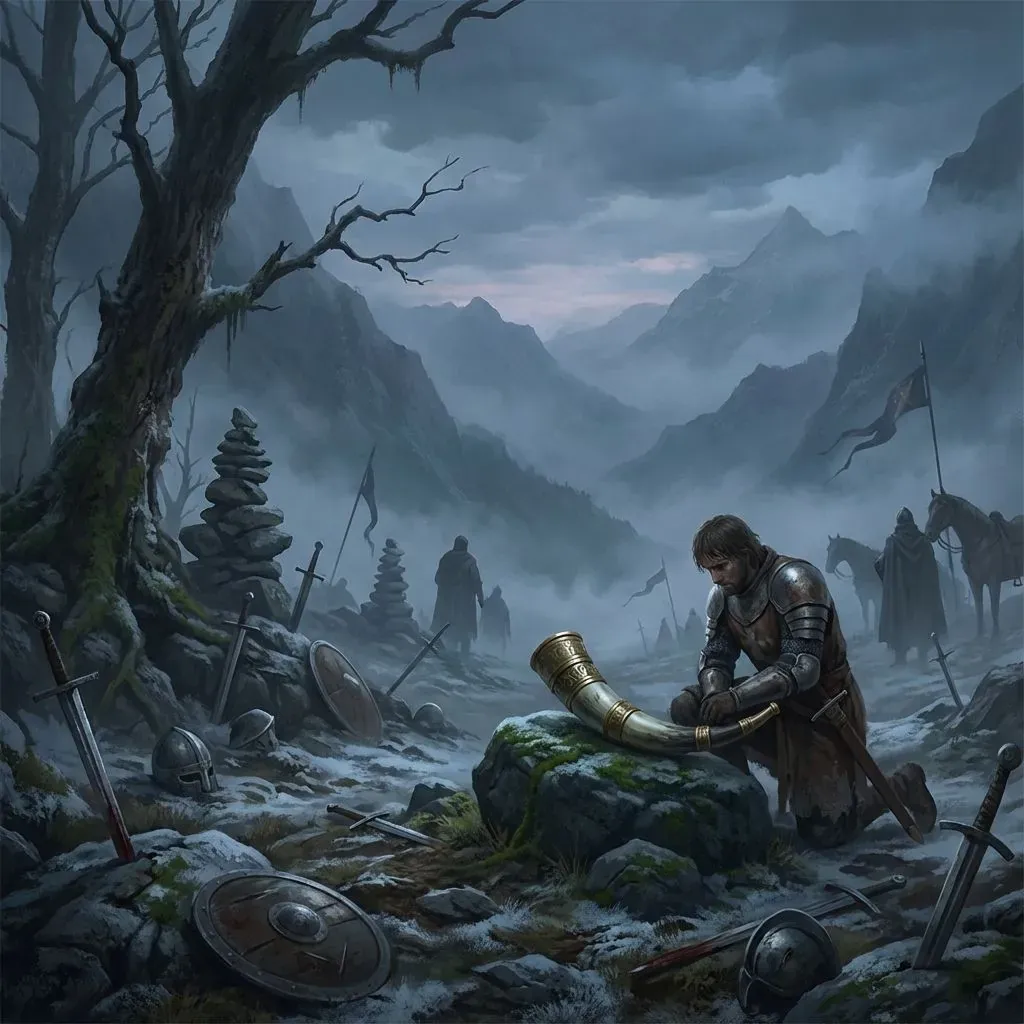
The ambush on Charlemagne's rear at Roncesvalles and the stories about Roland that emerged afterwards.
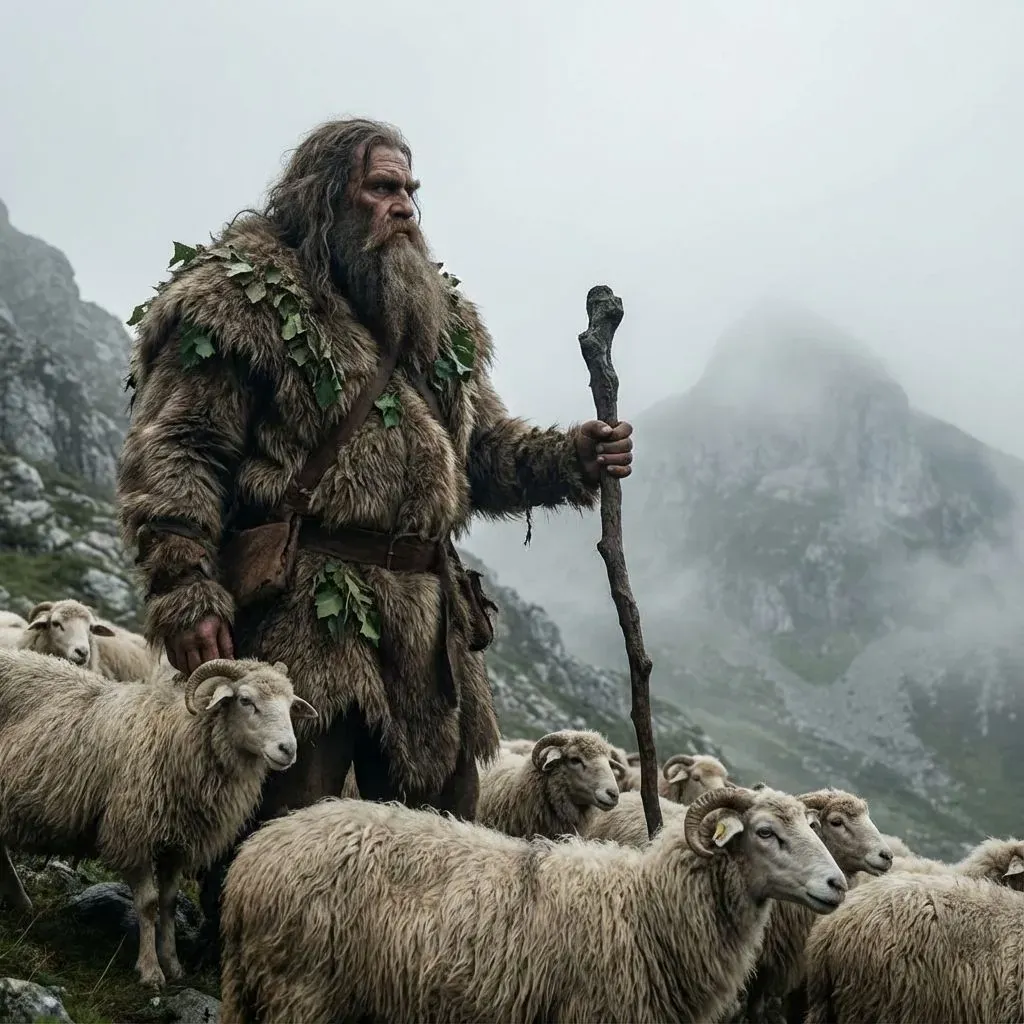
The lord of the forest, protector of flocks and possessor of knowledge that humans try to obtain in legends.

Beings of legends linked to rivers and fountains, recognizable by their bird feet and golden combs; some marine variants have a fish tail.
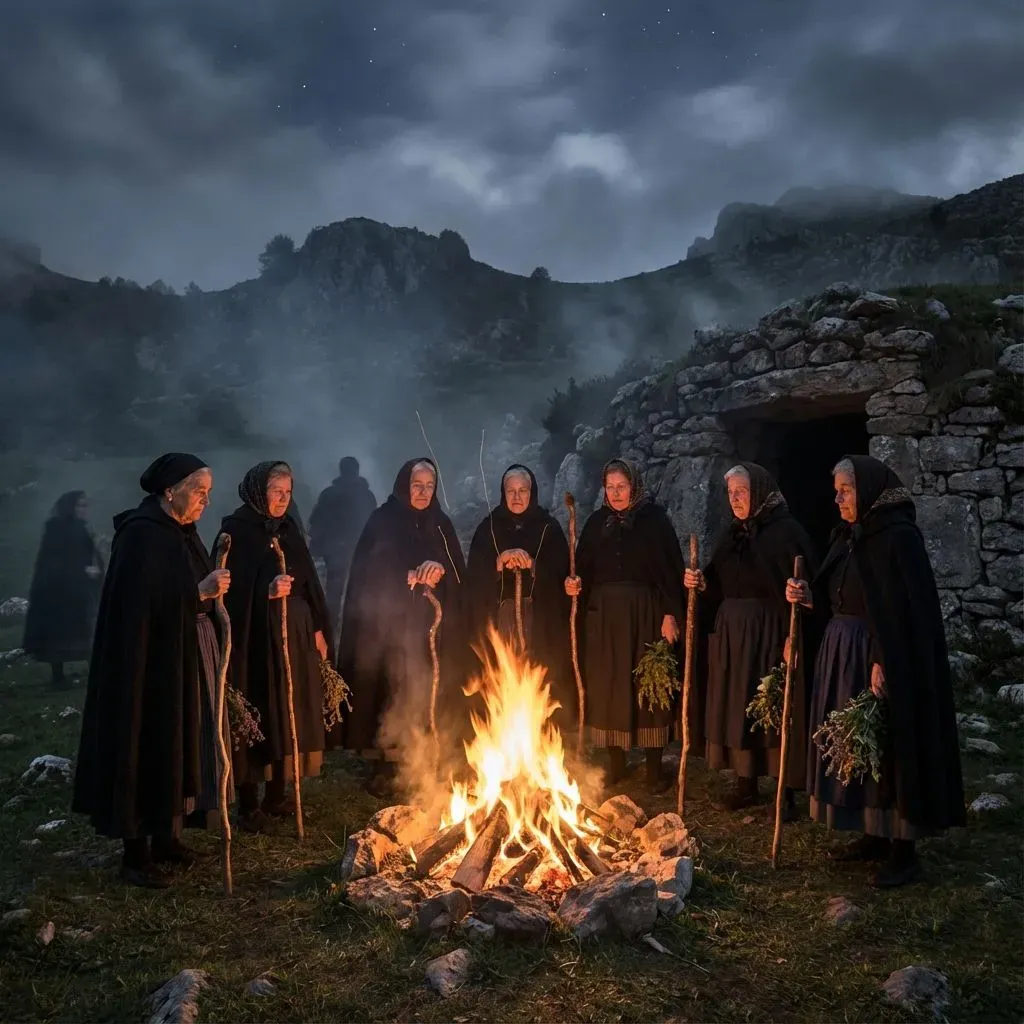
The sorginak of oral tradition, linked to night meetings, incantations and stories of Mari.
The Loiola complex brings together the memory of Ignatius and an architecture designed to accommodate his devotion. The birthplace retains the most direct link with his biography.
The injury suffered in Pamplona interrupted his previous career. During his recovery at the family home, he began a spiritual reflection that guided his subsequent decisions.
The baroque basilica organizes the complex around a circular space covered by a large dome. The tower house maintains a scale and materials typical of its residential origin.
The coexistence of both buildings allows us to distinguish the place where Ignacio lived from the sanctuary built to remember him. Its history is linked to the Urola valley and a devotion of international reach.
Documentation on this place and its cultural context.