Teodosius of Goñi
The Navarrese knight who, deceived by the devil, committed parricide and wandered in chains until Saint Michael freed him at Aralar.
— Araba —
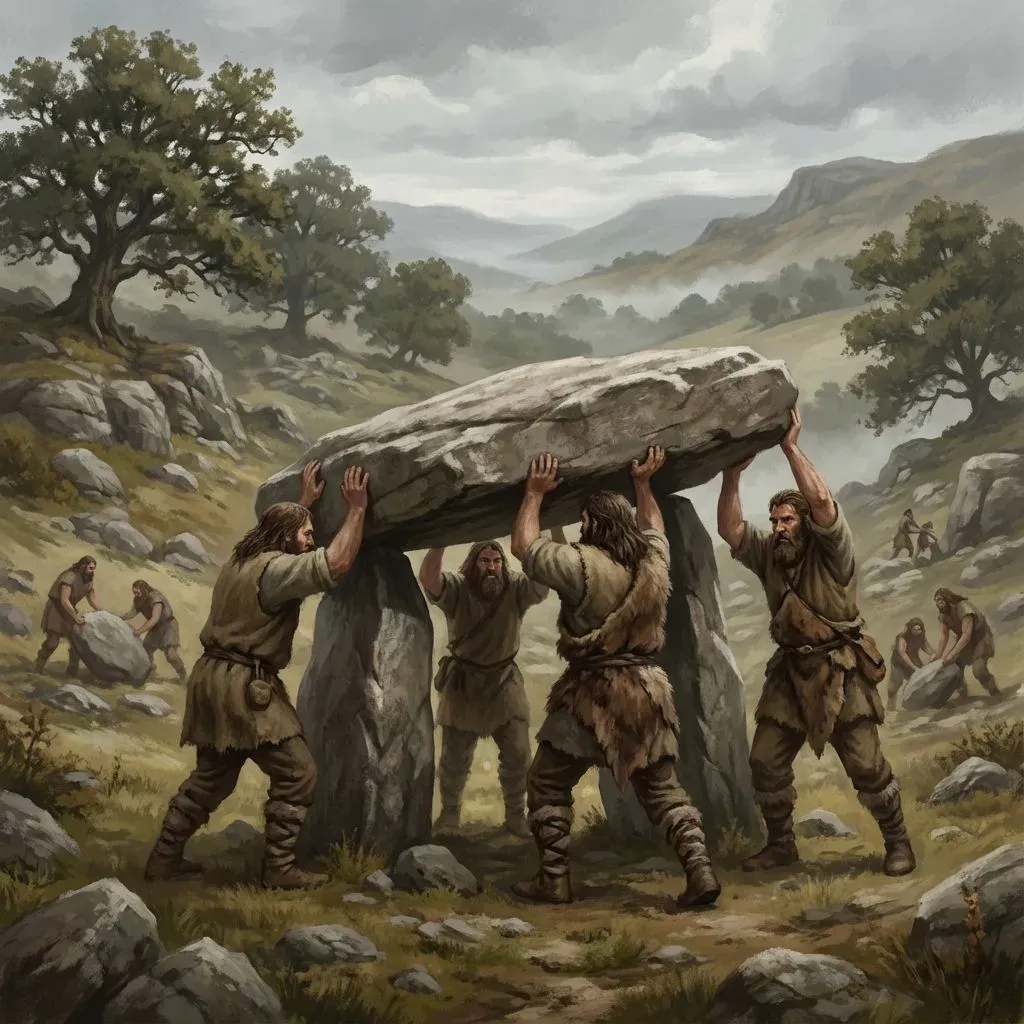
Chabola de la Hechicera is one of the best preserved dolmens in Rioja Alavesa, standing near the village of Elvillar. This Neolithic funerary monument dominates an open landscape of vineyards and hills, reminding visitors that prehistoric ritual left a deep mark on southern Araba.
The popular name of the dolmen evokes the legends that have long surrounded these ancient stones. Local people attributed their construction to witches or supernatural beings, a reminder of how later folklore often tried to explain monuments whose true origin had already been forgotten.
Chabola de la Hechicera was excavated in the twentieth century, revealing collective burials and grave goods that are now preserved in museums. The structure still conveys great monumentality and keeps alive the link between archaeology, oral tradition and sacred landscape.
The dolmen stands in a privileged setting, surrounded by vineyards and open views towards the Cantabrian range. A visit can be paired with nearby megaliths such as Alto de la Huesera or San Martin, forming a rewarding route through the prehistoric heritage of Rioja Alavesa.
The Navarrese knight who, deceived by the devil, committed parricide and wandered in chains until Saint Michael freed him at Aralar.
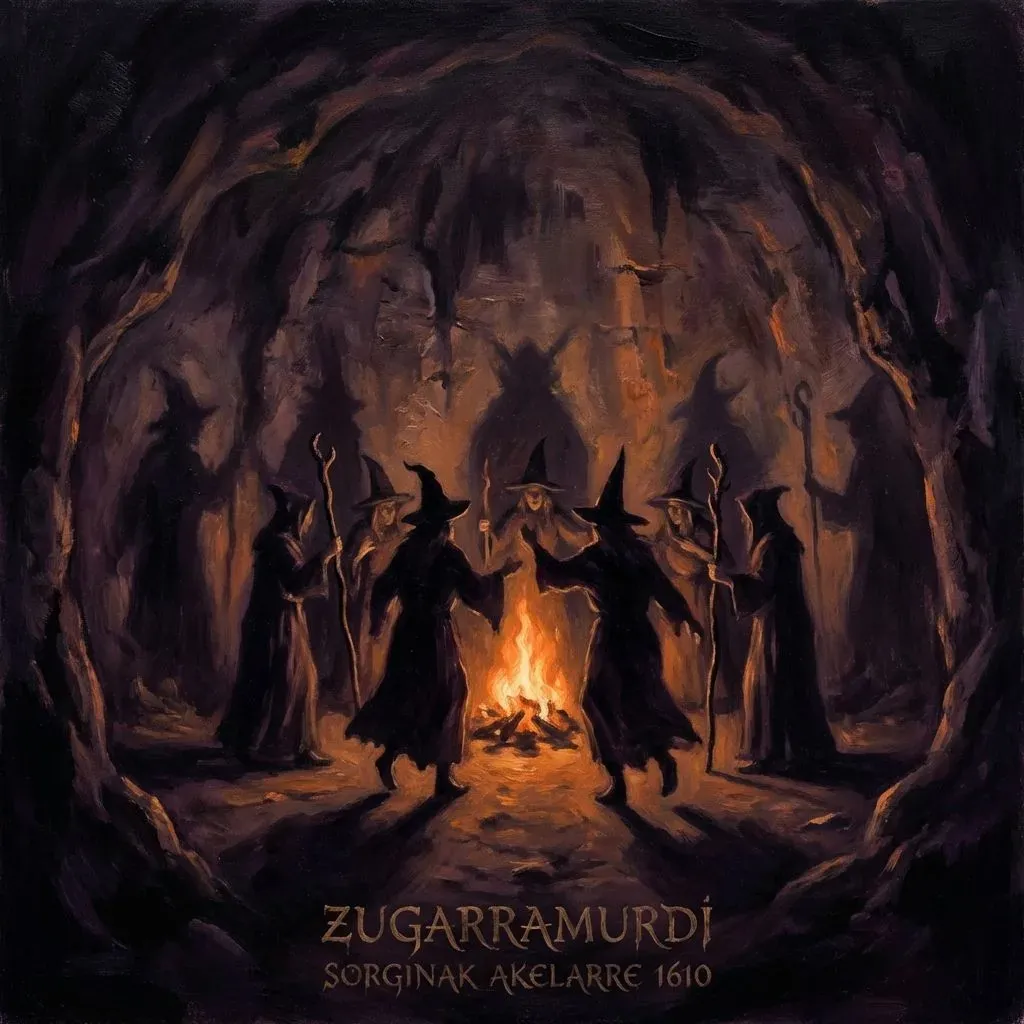
The famous inquisitorial trial of 1610 against the Navarrese witches who held akelarres in the sacred cave.
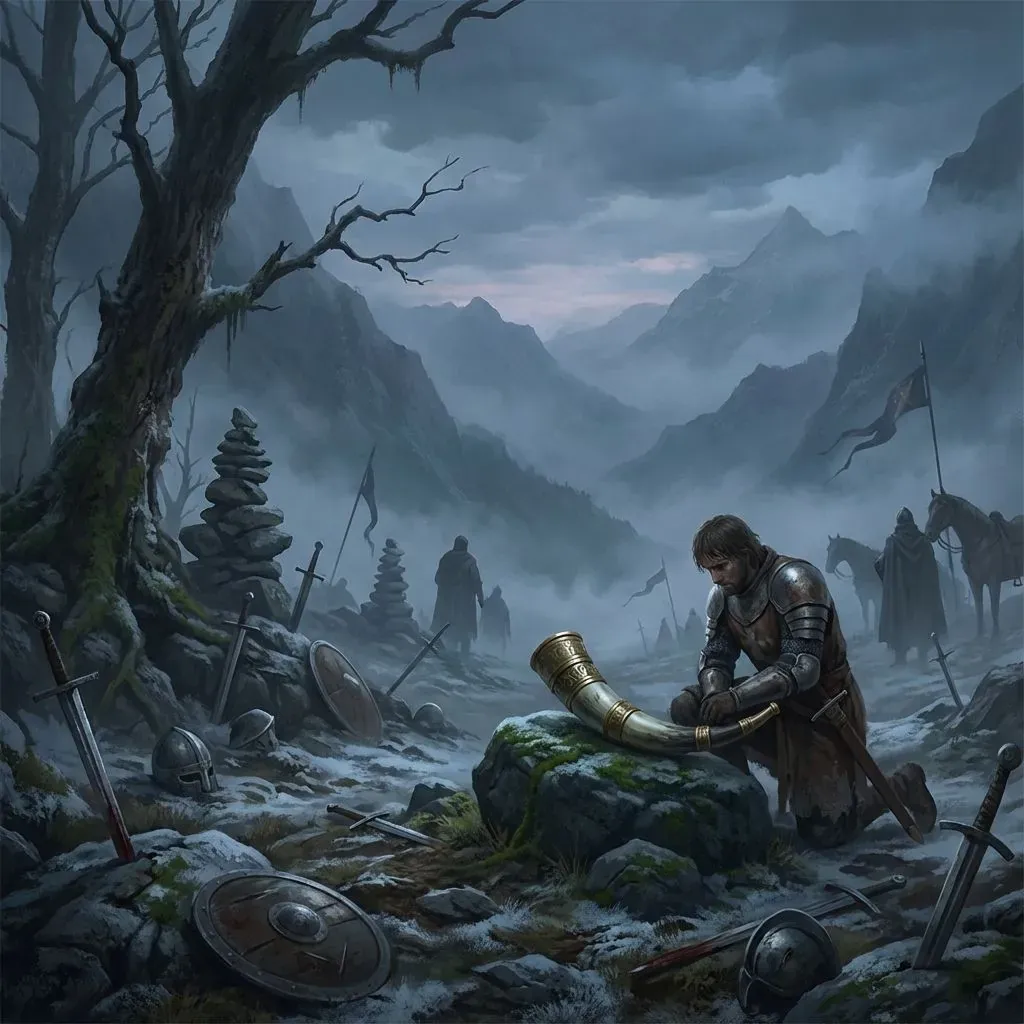
The Basque ambush against Charlemagne's army in the Pyrenean pass where the legendary Roland fell.
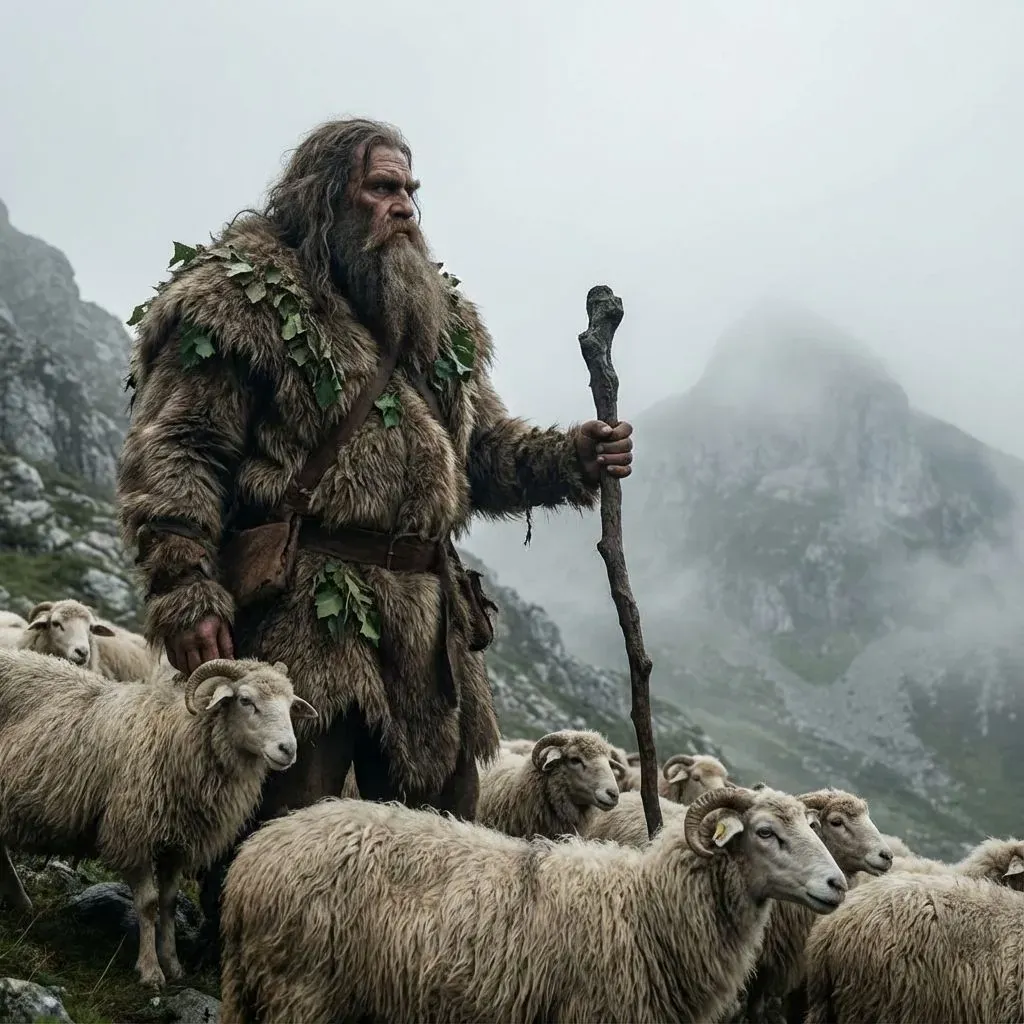
The shaggy giant who lives in the forests, protector of flocks and guardian of the secrets of agriculture and the forge.

Seductive nymphs who dwell in rivers and springs, recognisable by bird feet or fish tails, combing their hair with golden combs.
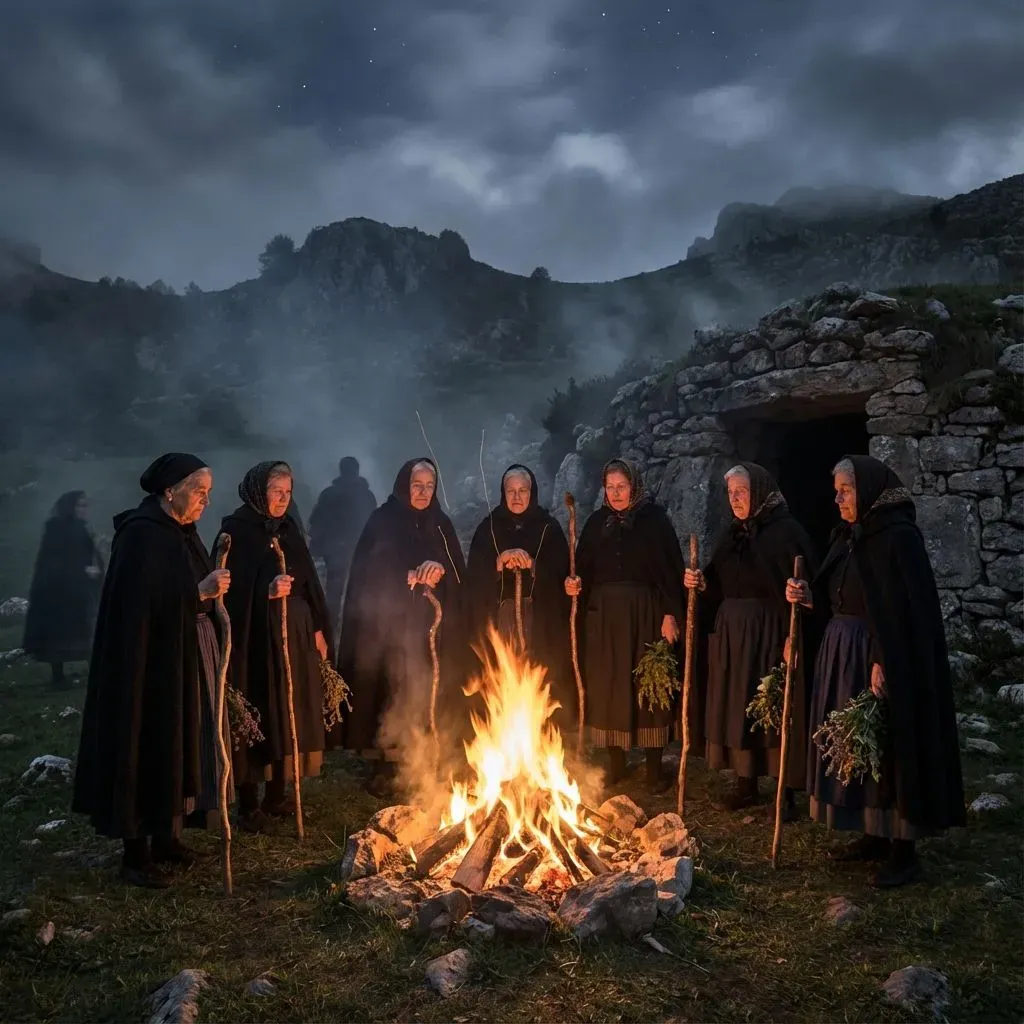
The Basque witches and wise women, priestesses of Mari who mastered potions, curses and the art of flying through the night sky.
La Chabola de la Hechicera is one of the Basque Country’s best-preserved dolmens and among the most accessible for visitors wishing to encounter the region’s megalithic heritage. In the El Cabío range, in the Álava municipality of Elvillar, it stands at 800 metres, overlooking the Ebro valley to the south and the foothills of the Cantabria range to the north.
The dolmen’s popular name, recalling a sorceress or witch, reflects how Basque oral tradition associated megalithic monuments with supernatural beings once their original funerary purpose had been forgotten. What modern archaeologists see as a Neolithic collective burial chamber was, to medieval and later shepherds, the work of the Mairuak or a sorceress with extraordinary powers.
The four upright stones and capstone of La Chabola de la Hechicera are more than five thousand years old, making this one of Rioja Alavesa’s oldest human structures. Their survival reflects both the Neolithic builders’ skill and centuries of local respect, perhaps born of fear, which proved more protective than modern heritage legislation.
A visit to La Chabola de la Hechicera gains meaning with every piece of context. Simply knowing that human hands placed these stones here five thousand years ago to honour the dead changes the monument from a geological curiosity into a point of contact with the longest span of human history in this territory.