Teodosius of Goñi
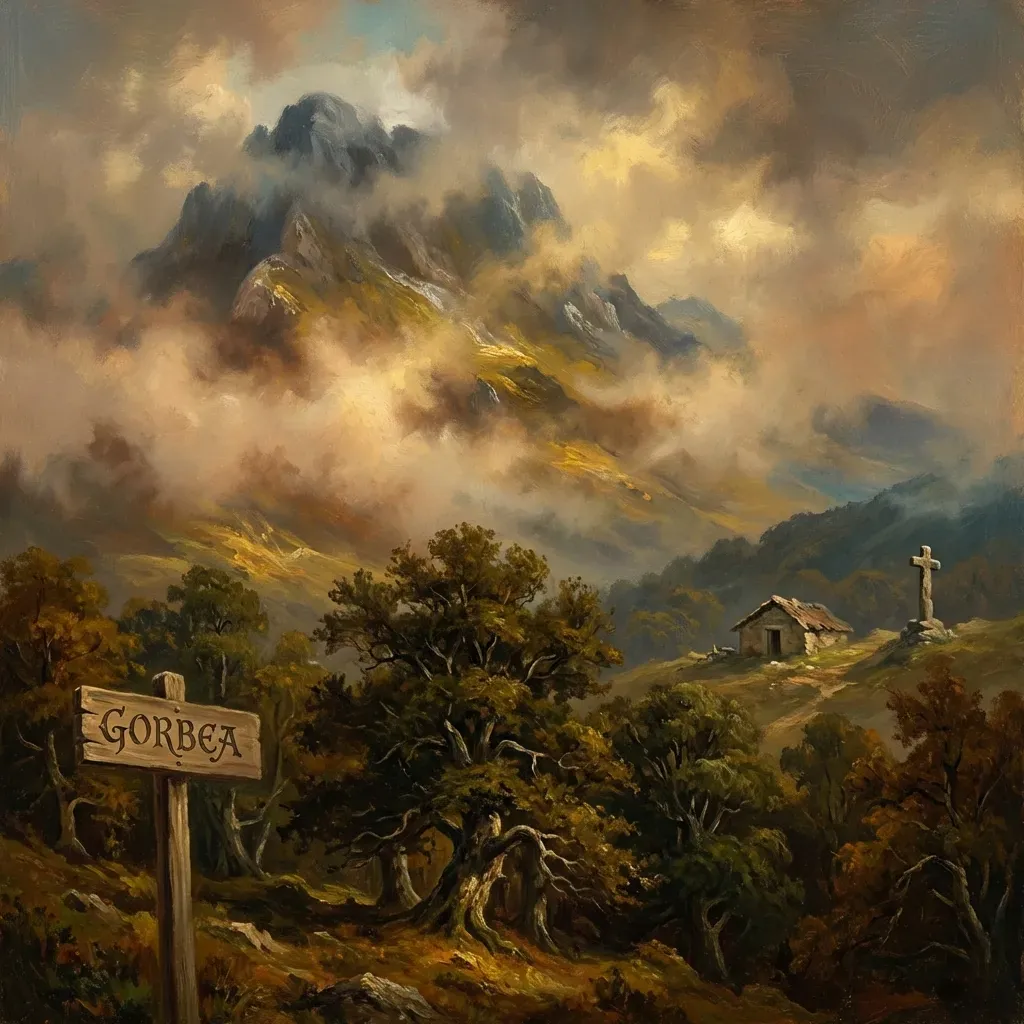
The Navarrese knight who, deceived by the devil, committed parricide and wandered in chains until Saint Michael freed him at Aralar.
— Bizkaia —
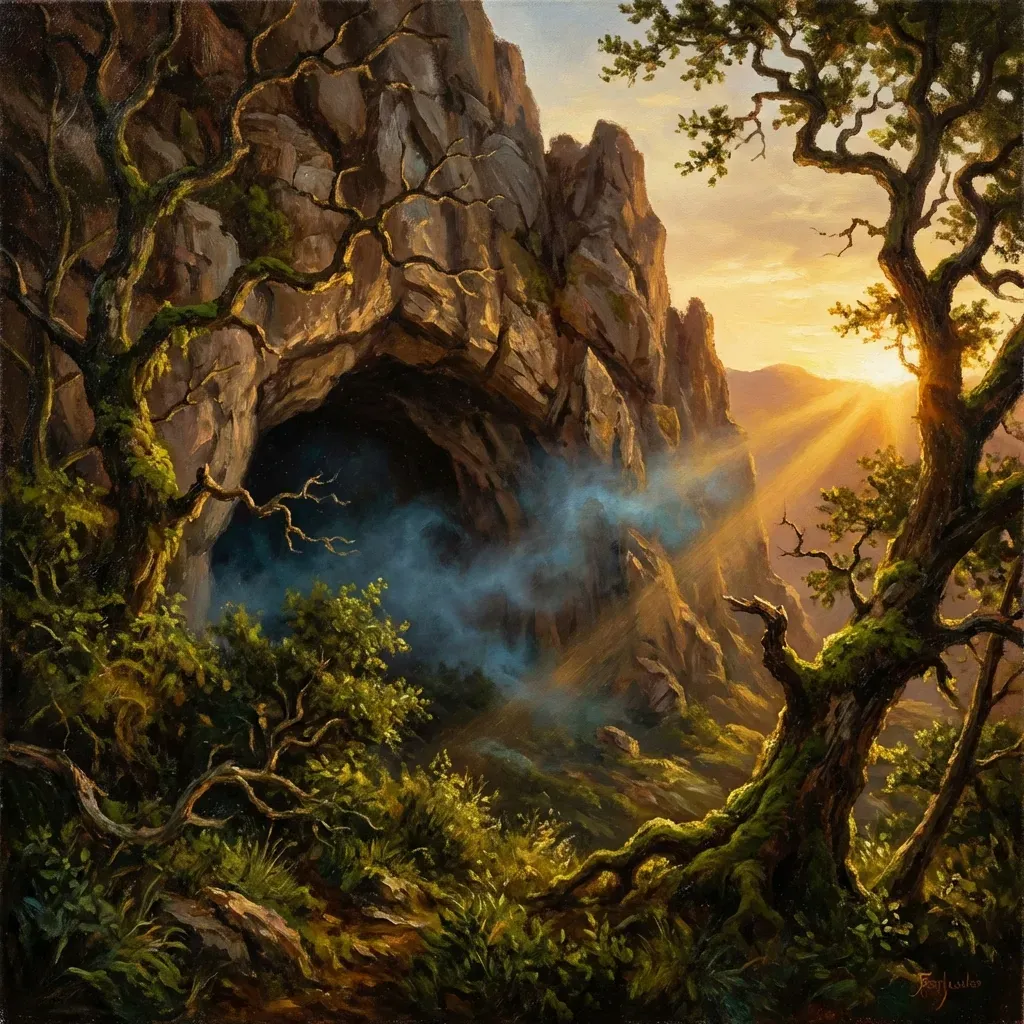
Pozalagua Cave contains one of the largest concentrations of eccentric stalactites in the world. Located in the Carranza Valley, in the Encartaciones of Bizkaia, it offers one of the most extraordinary geological spectacles in the Basque underground landscape.
What makes Pozalagua unique are its eccentric formations: stalactites that seem to defy gravity by growing in every direction, creating delicate structures that look almost impossible. Their abundance and variety have made the cave internationally famous among geologists and visitors alike.
The origin of these capricious formations is still studied today. Factors such as air currents, capillary water pressure and mineral composition seem to explain their strange growth, but for many visitors the cave still feels like a hidden chamber of natural wonder bordering on the mythical.
A visit to Pozalagua is an unforgettable visual experience. The carefully designed lighting highlights the delicacy of the formations, creating a subterranean landscape that seems to belong to another world. The cave?s surroundings, in the Karrantza Valley, add a rural and mountainous setting of great beauty.
The Navarrese knight who, deceived by the devil, committed parricide and wandered in chains until Saint Michael freed him at Aralar.
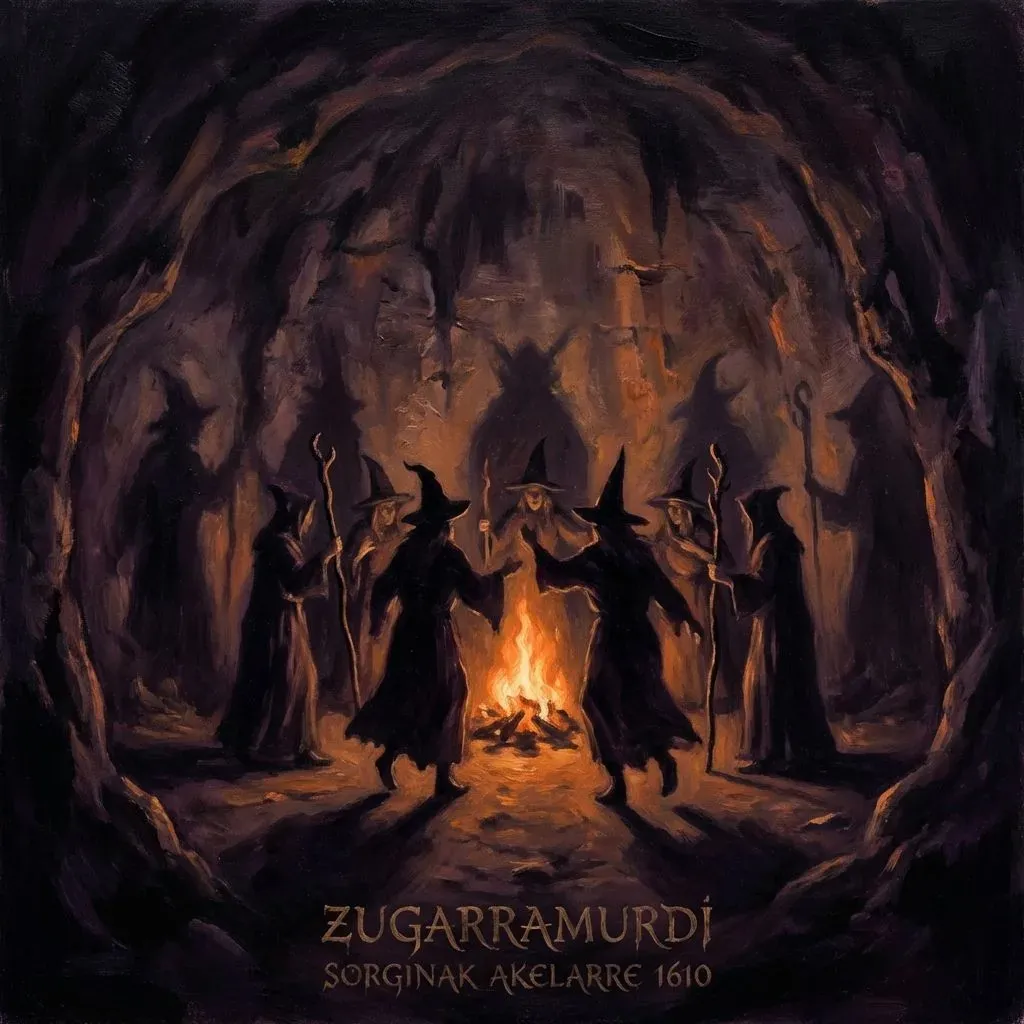
The famous inquisitorial trial of 1610 against the Navarrese witches who held akelarres in the sacred cave.
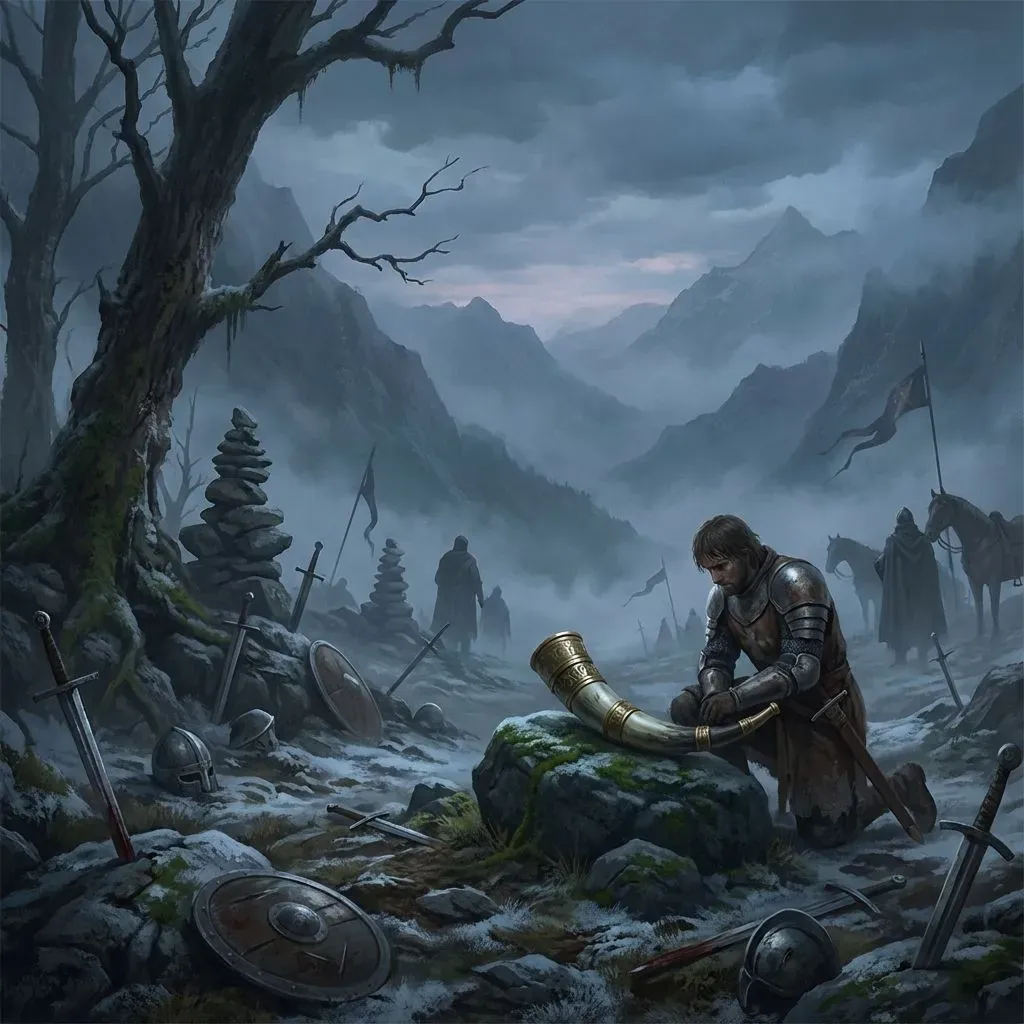
The Basque ambush against Charlemagne's army in the Pyrenean pass where the legendary Roland fell.
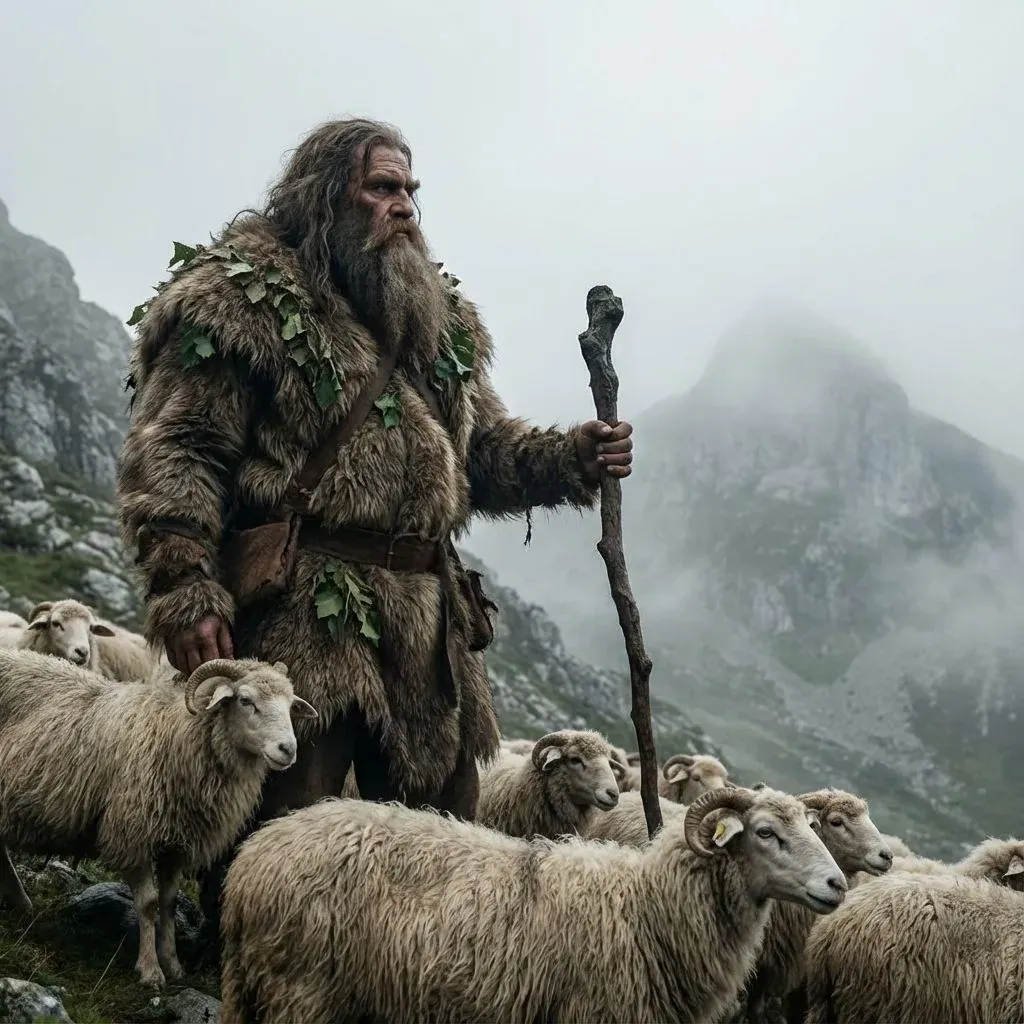
The shaggy giant who lives in the forests, protector of flocks and guardian of the secrets of agriculture and the forge.

Seductive nymphs who dwell in rivers and springs, recognisable by bird feet or fish tails, combing their hair with golden combs.
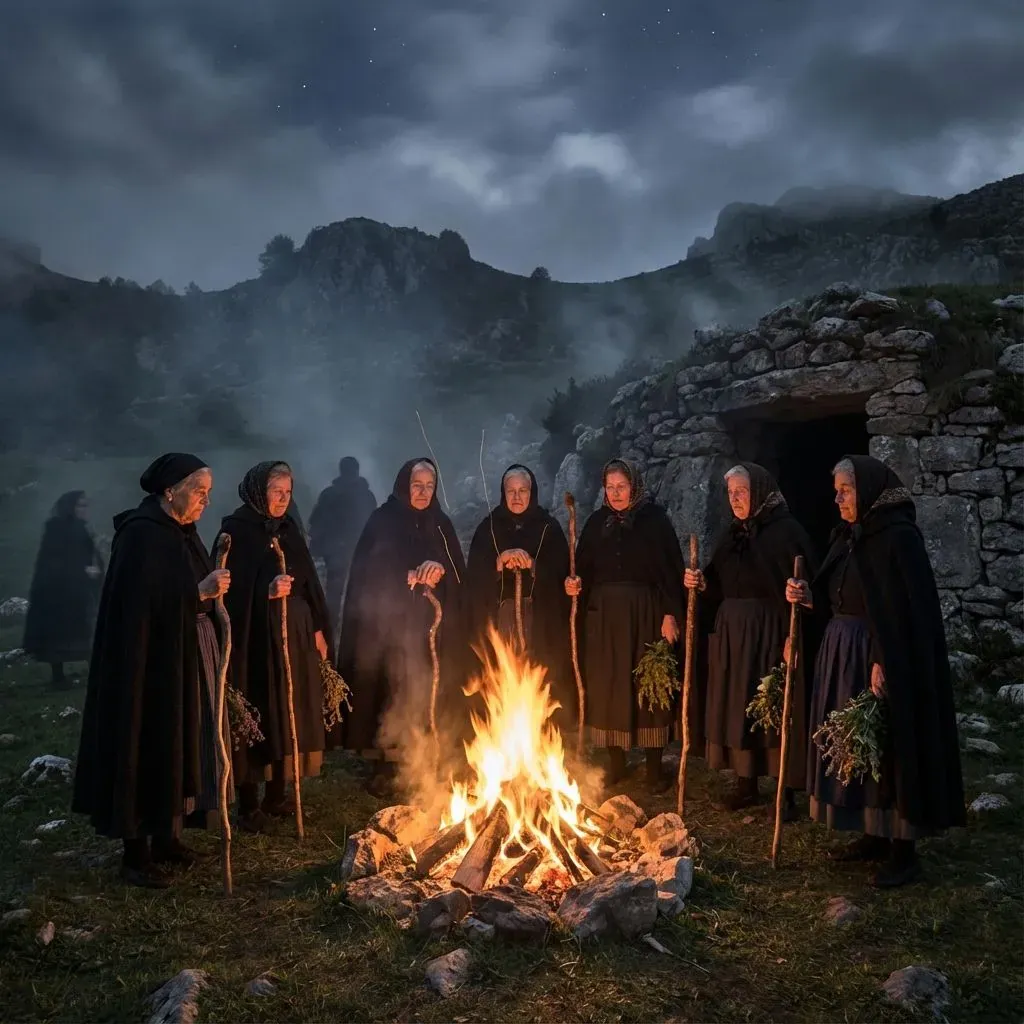
The Basque witches and wise women, priestesses of Mari who mastered potions, curses and the art of flying through the night sky.
Pozalagua cave in Bizkaia’s Armañón Natural Park holds one of Europe’s most extraordinary collections of eccentric speleothems. These stalactites grow in unexpected directions, seemingly defying gravity. They result from precise conditions of temperature, humidity and air movement that rarely coincide intensely or long enough to create formations as dense as those at Pozalagua.
Pozalagua’s formations grow by barely a centimetre per century, meaning the longest are tens of thousands of years old. This imperceptible growth offers another encounter with geological time: what we see began forming when the first anatomically modern humans arrived in Europe from Africa.
Shepherds in the Carranza valley had known of the cave since time immemorial, although its interior was not systematically explored until the twentieth century. Local legends attributed its origins to the Moors or unspecified supernatural powers. Its dark opening was approached with the respect and cautious curiosity accorded to entrances to the underground world in Basque tradition.
A guided visit to Pozalagua is among the Basque Country’s most visually striking nature experiences. Lighting reveals the eccentric stalactites’ three-dimensional forms, creating a sense of unreality that visitors can appreciate without any prior geological knowledge.