Teodosius of Goñi
The Navarrese knight who, deceived by the devil, committed parricide and wandered in chains until Saint Michael freed him at Aralar.
— Lapurdi —
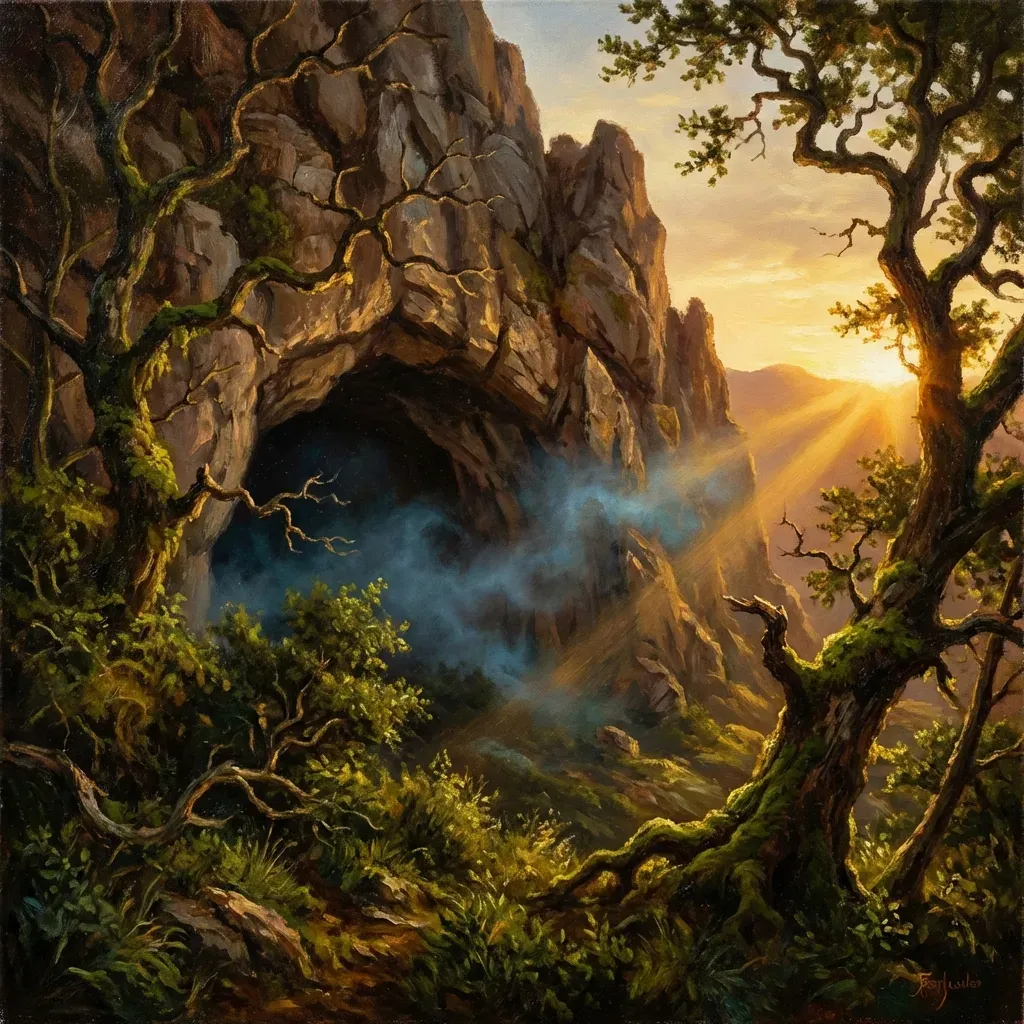
The caves of Sara, known in Basque as Lezeak, are a group of caverns on the slopes of Mount Atxuria, in the picturesque village of Sara in the French Basque Country. This underground complex combines geological beauty, prehistoric remains and a deep legendary aura.
The guided visit follows around 900 metres of galleries descending up to 60 metres below ground. Along the way, visitors can admire striking geological formations such as stalactites, stalagmites and natural chambers shaped by water over immense spans of time.
But Sara is not only about prehistory. In popular imagination, these caves are closely linked to the legends of lamias and other magical beings said to inhabit their depths, making the site one of the clearest encounters between underground landscape and Basque myth.
The village of Sara, listed among the most beautiful in France, completes an unforgettable visit. Its traditional farmhouses, church with discoidal stelae cemetery and the natural surroundings of Mount Larrun create one of the most evocative cultural landscapes in Lapurdi.
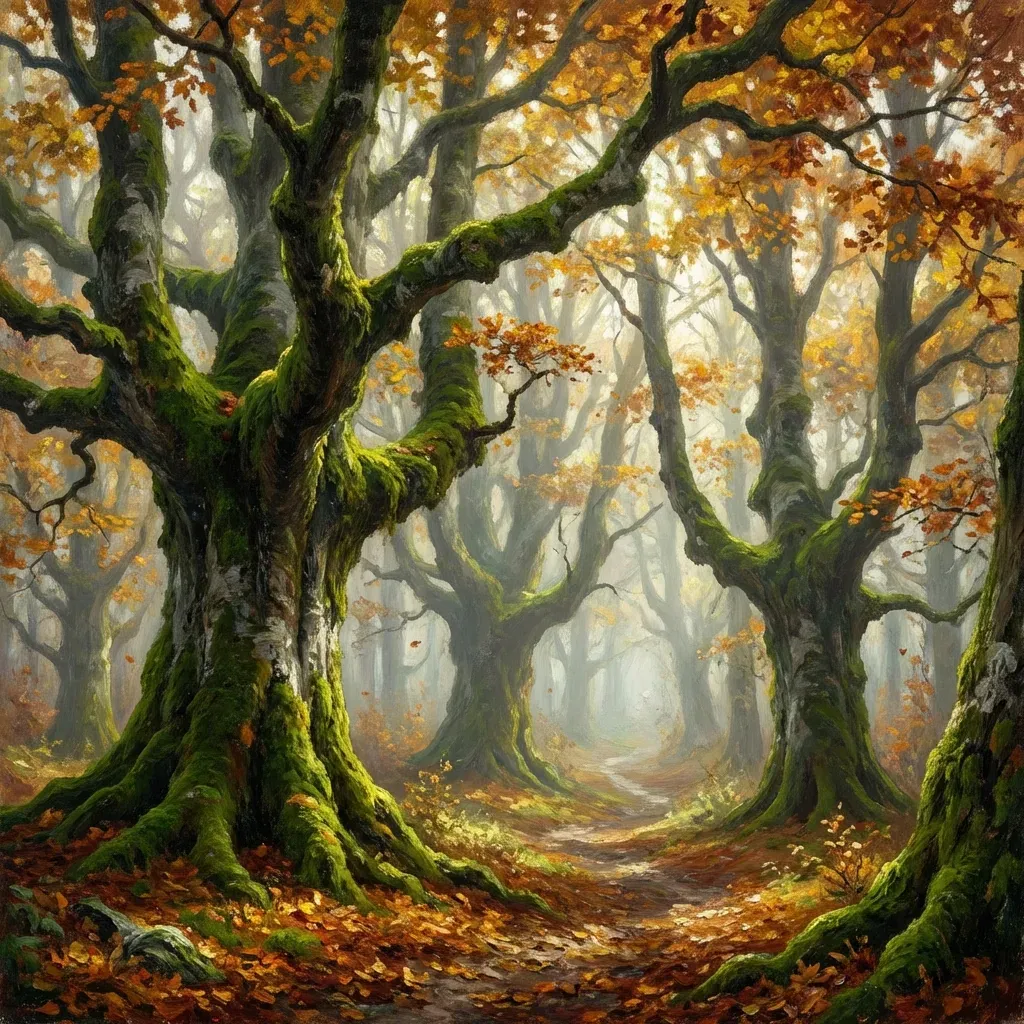
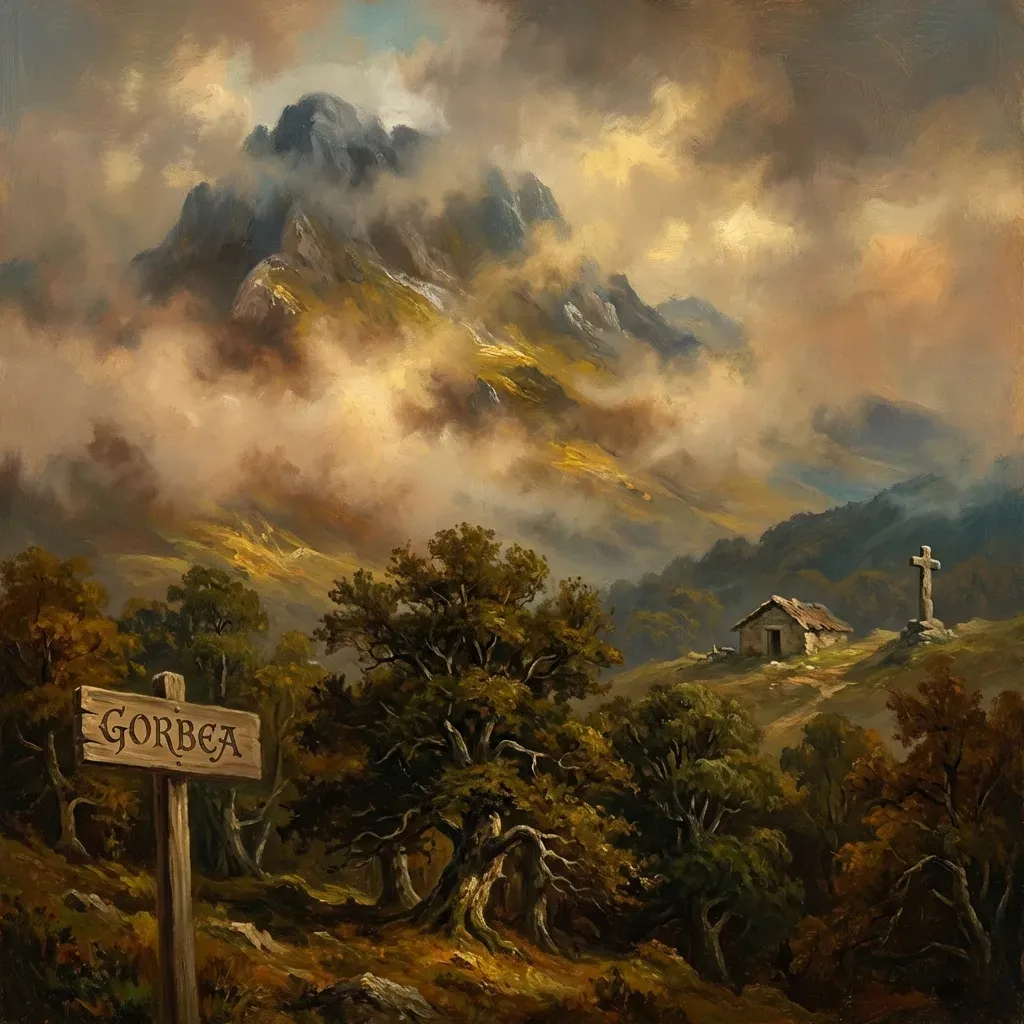
The Navarrese knight who, deceived by the devil, committed parricide and wandered in chains until Saint Michael freed him at Aralar.
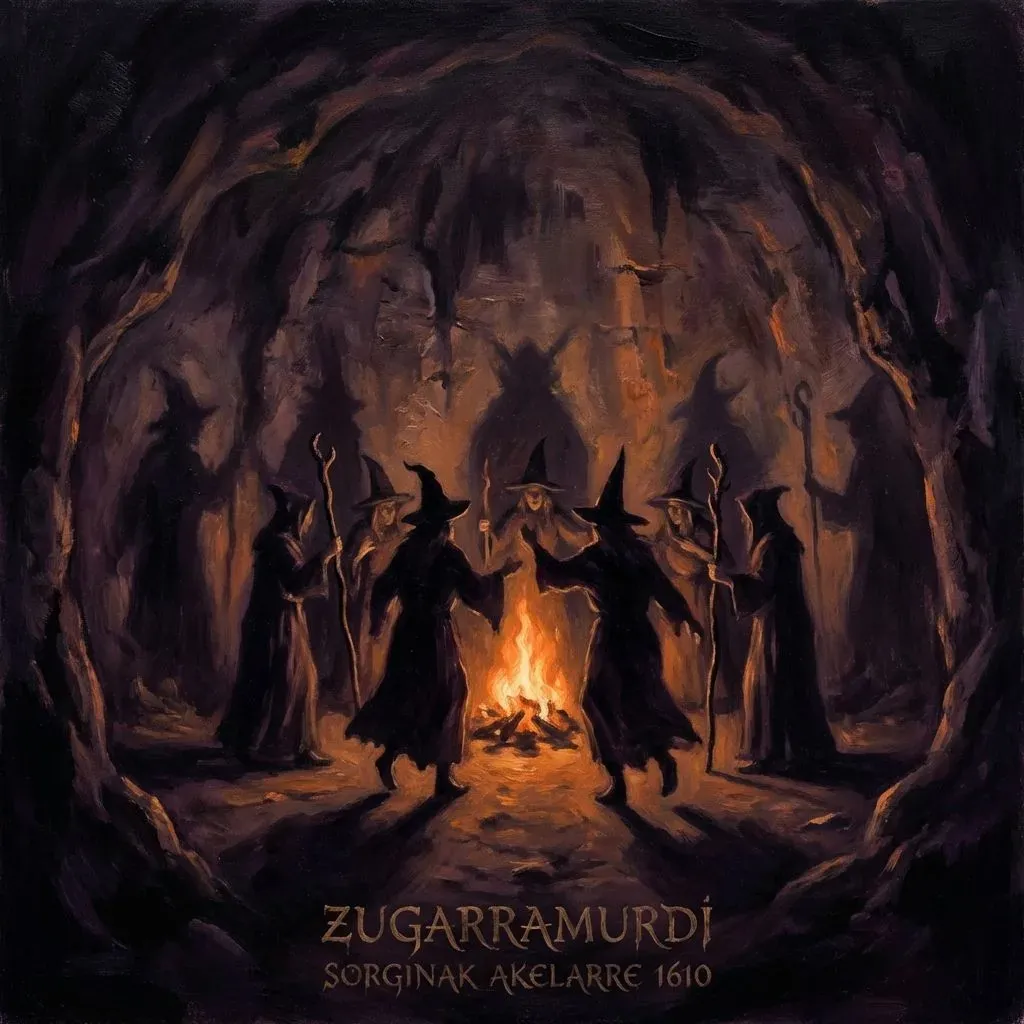
The famous inquisitorial trial of 1610 against the Navarrese witches who held akelarres in the sacred cave.
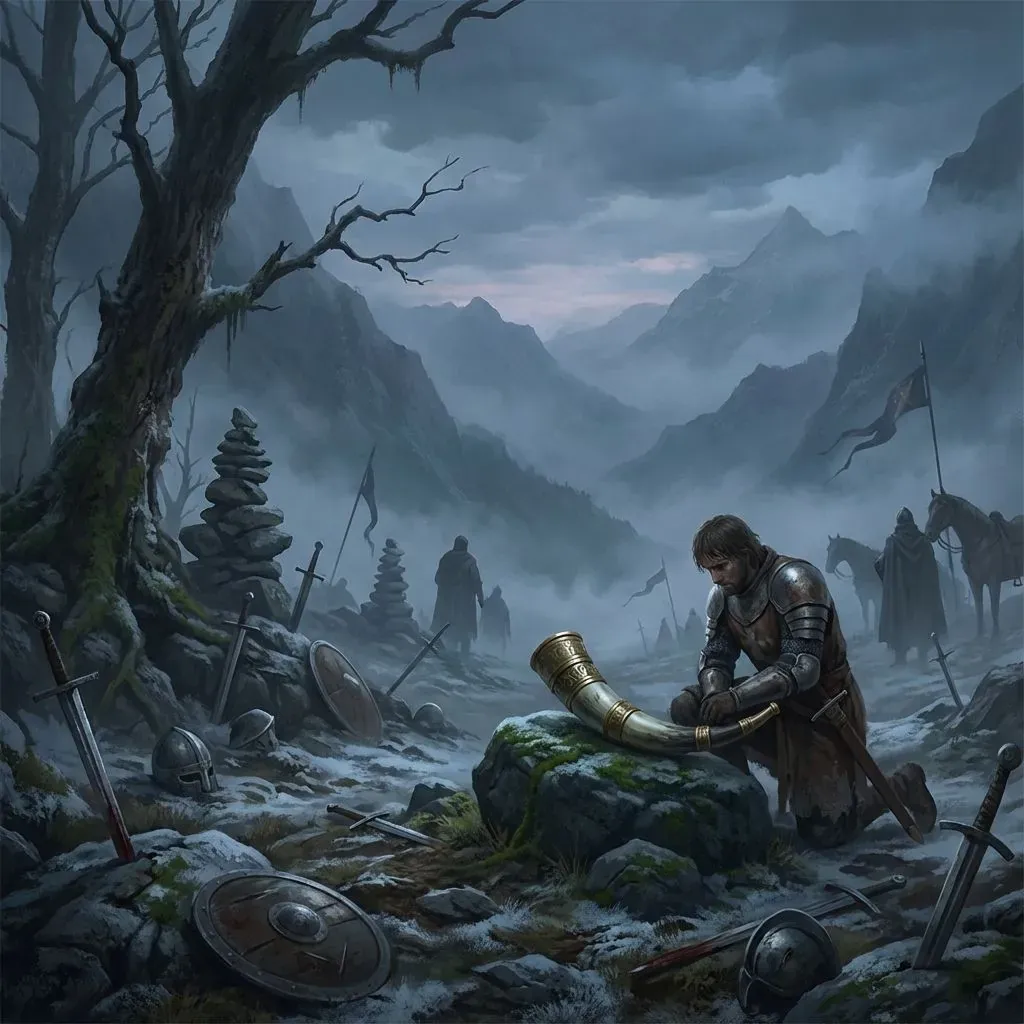
The Basque ambush against Charlemagne's army in the Pyrenean pass where the legendary Roland fell.

The shaggy giant who lives in the forests, protector of flocks and guardian of the secrets of agriculture and the forge.

Seductive nymphs who dwell in rivers and springs, recognisable by bird feet or fish tails, combing their hair with golden combs.
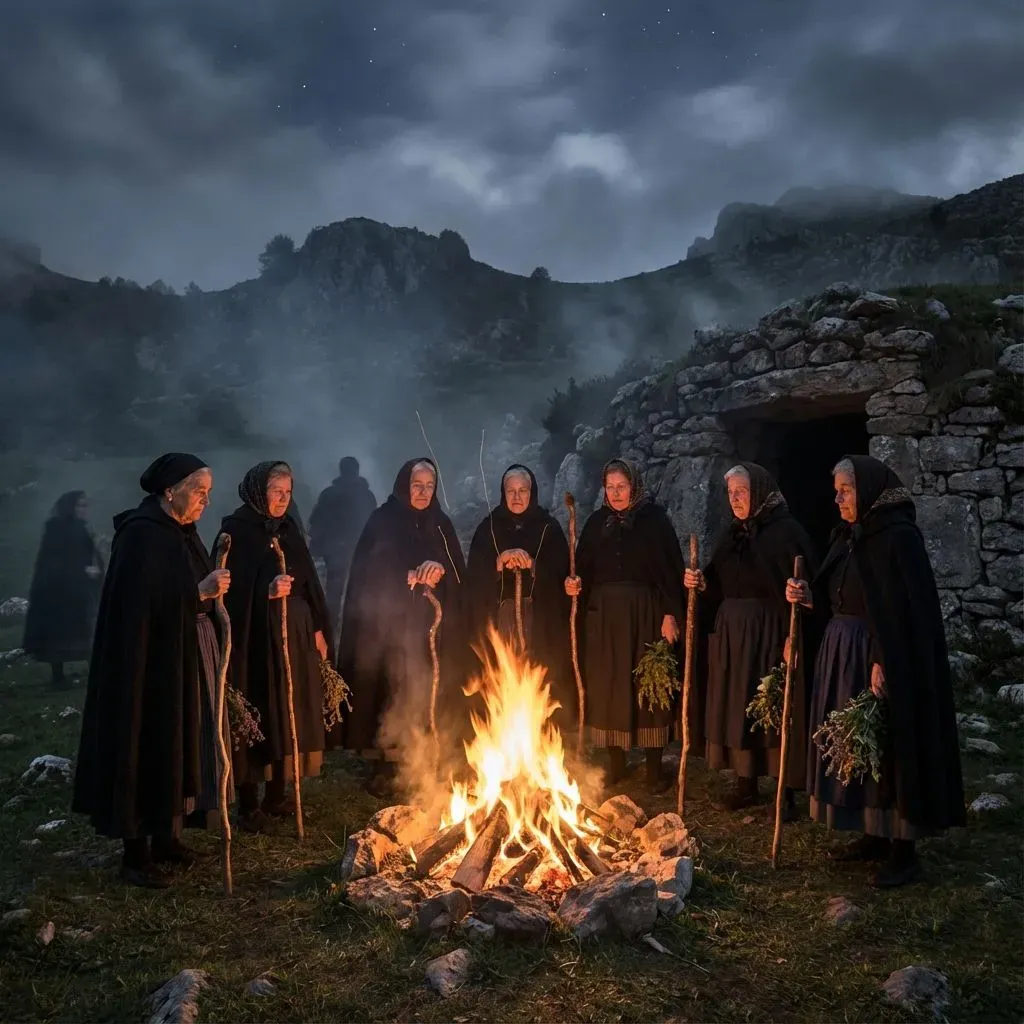
The Basque witches and wise women, priestesses of Mari who mastered potions, curses and the art of flying through the night sky.
The caves of Sara, in the Labourd municipality of the same name, are among the French Basque Country’s most visited attractions and a natural meeting point between tourist caving and Basque folklore. Their galleries in the Atlantic Pyrenees’ limestone karst contain beautiful stalagmites and a geological history extending over millions of years.
French Basque oral tradition places the northern Pyrenees’ favourite lamiak dwellings in these caves and the many cavities between Sara and Ainhoa. Local shepherds described hearing a golden comb tinkling against damp rock on mild nights; the faint light of a torch seen from outside confirmed that someone other than a human lived within.
Beyond its caves, Sara is one of Labourd’s most photogenic and unspoilt villages, with a seventeenth-century church, a pelota court on the square and well-preserved white farmhouses with red timber framing. Traditional architecture, green rolling hills and proximity to the Pyrenees make it popular, yet less crowded than nearby coastal towns.
Visiting Sara’s caves means encountering the Atlantic Pyrenees’ geology from within. The gentle green landscape above is the roof of a world of galleries and chambers that water continues to carve into the rock with a patience beyond any human timescale.