Teodosius of Goñi
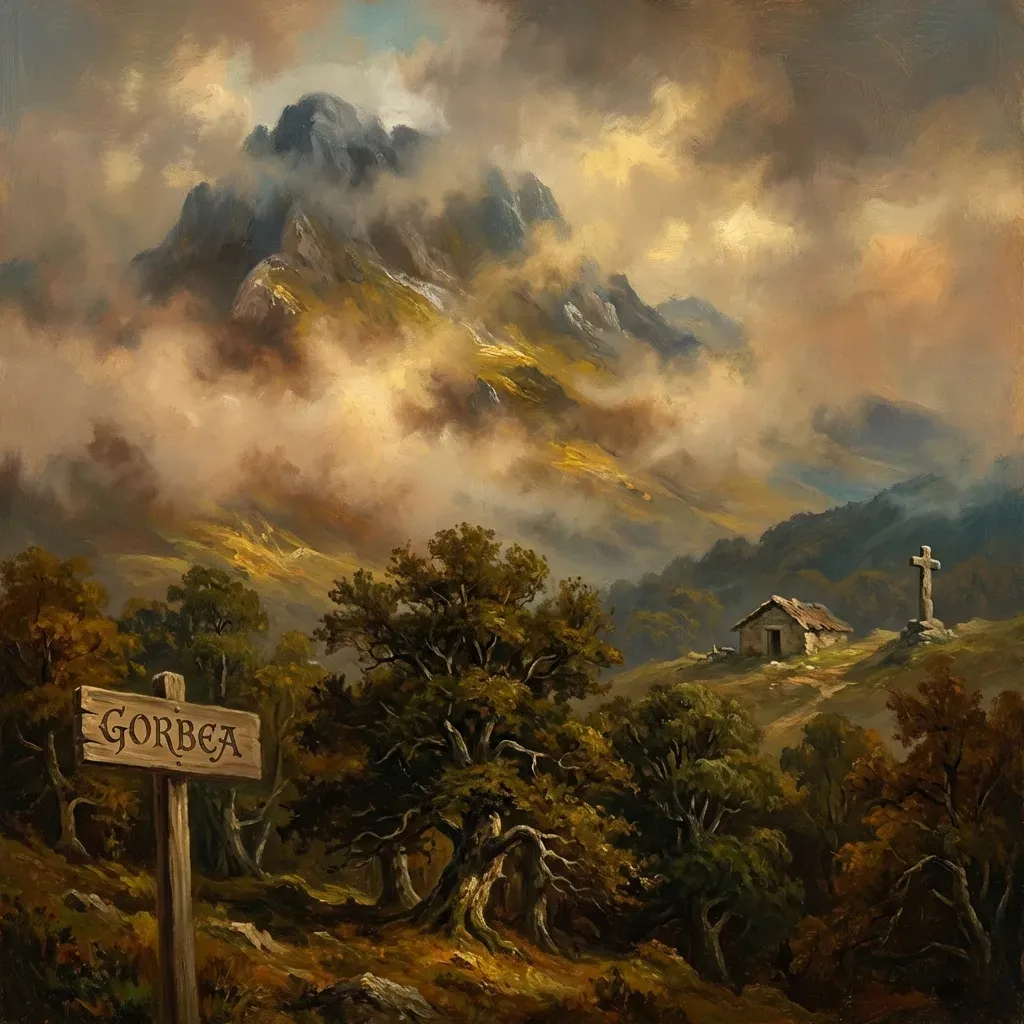
The Navarrese knight who, deceived by the devil, committed parricide and wandered in chains until Saint Michael freed him at Aralar.
— Araba —
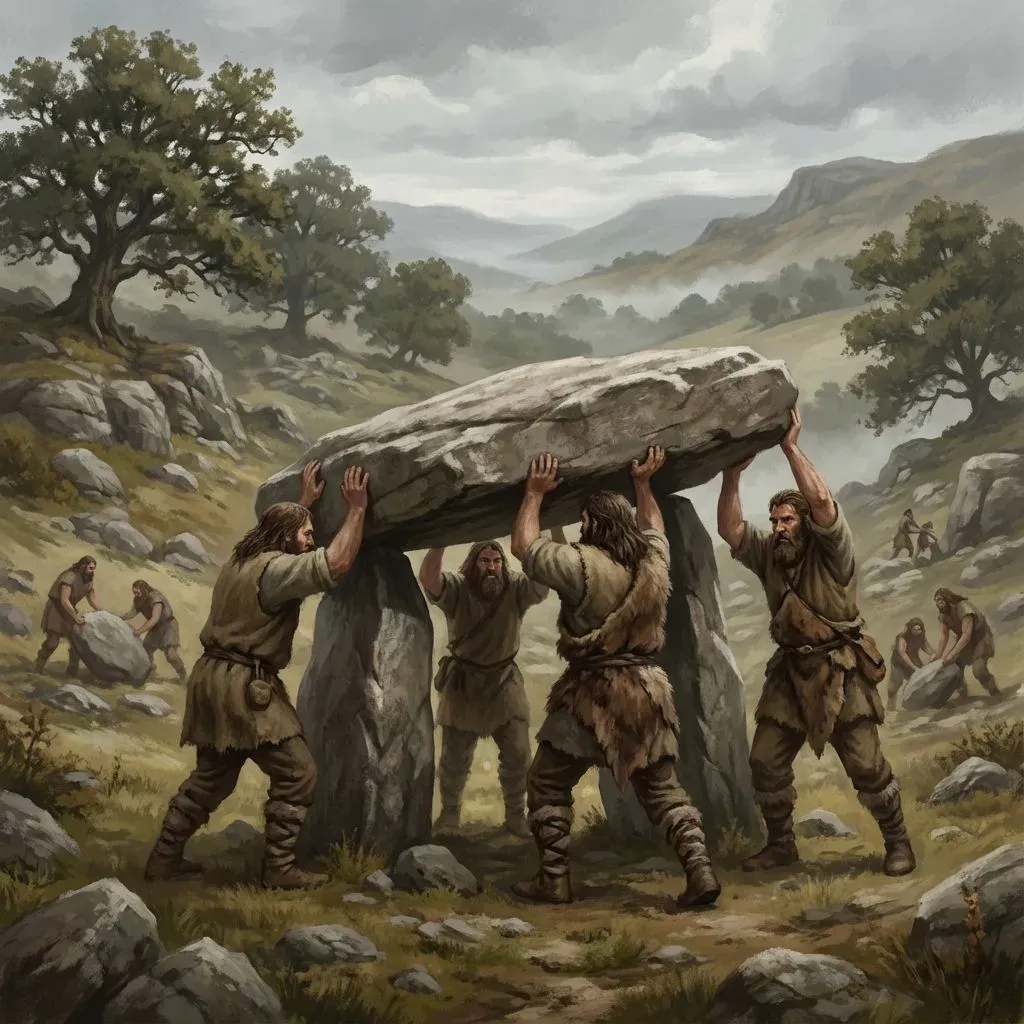
The dolmen of Aizkomendi, located in the Alava municipality of Eguilaz, is one of the most important megalithic monuments in the Basque Country. Built around five thousand years ago, it still dominates the plain as one of the clearest signs of prehistoric ceremonial architecture in Araba.
The dolmen consists of a rectangular chamber defined by great upright slabs and covered by an enormous horizontal stone. Human remains and grave goods were discovered inside, confirming its function as a collective burial site and a place of ritual significance for the communities that raised it.
The location of Aizkomendi is no accident. Megalith builders carefully chose the placement of their monuments, which served not only as funerary spaces but also as territorial markers and places where memory, landscape and belief were brought together.
A visit to Aizkomendi can be combined with other nearby megaliths, including Sorginetxe dolmen and sites around Salvatierra. Together they form one of Euskal Herria’s largest concentrations of prehistoric funerary architecture.
The Navarrese knight who, deceived by the devil, committed parricide and wandered in chains until Saint Michael freed him at Aralar.
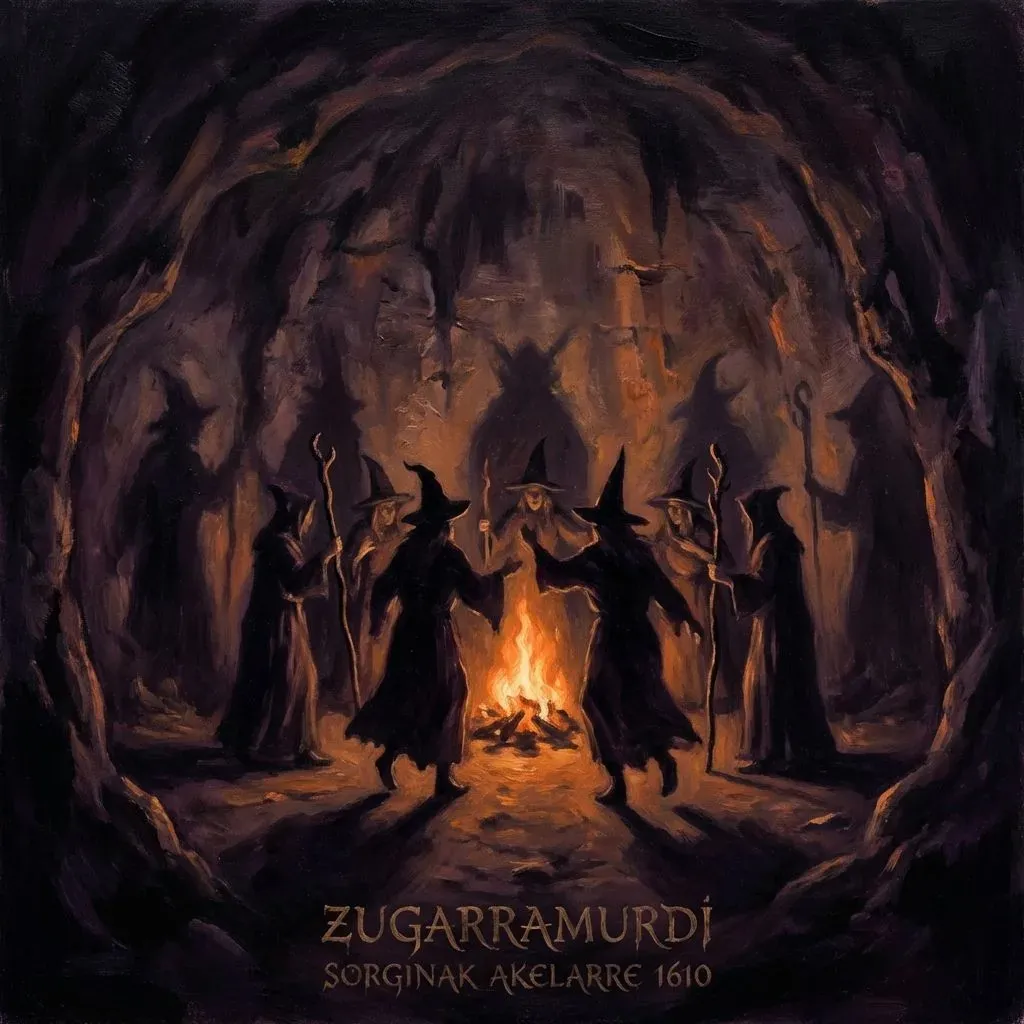
The famous inquisitorial trial of 1610 against the Navarrese witches who held akelarres in the sacred cave.
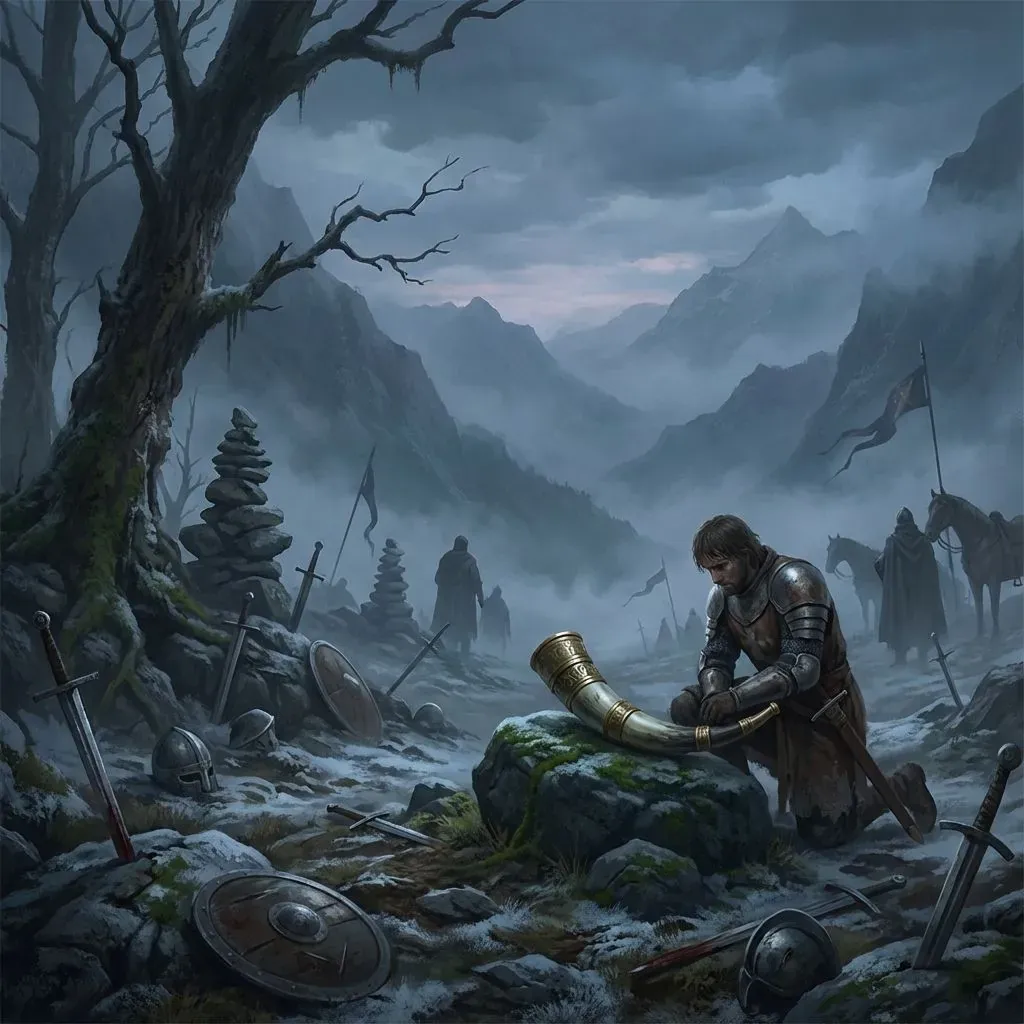
The Basque ambush against Charlemagne's army in the Pyrenean pass where the legendary Roland fell.
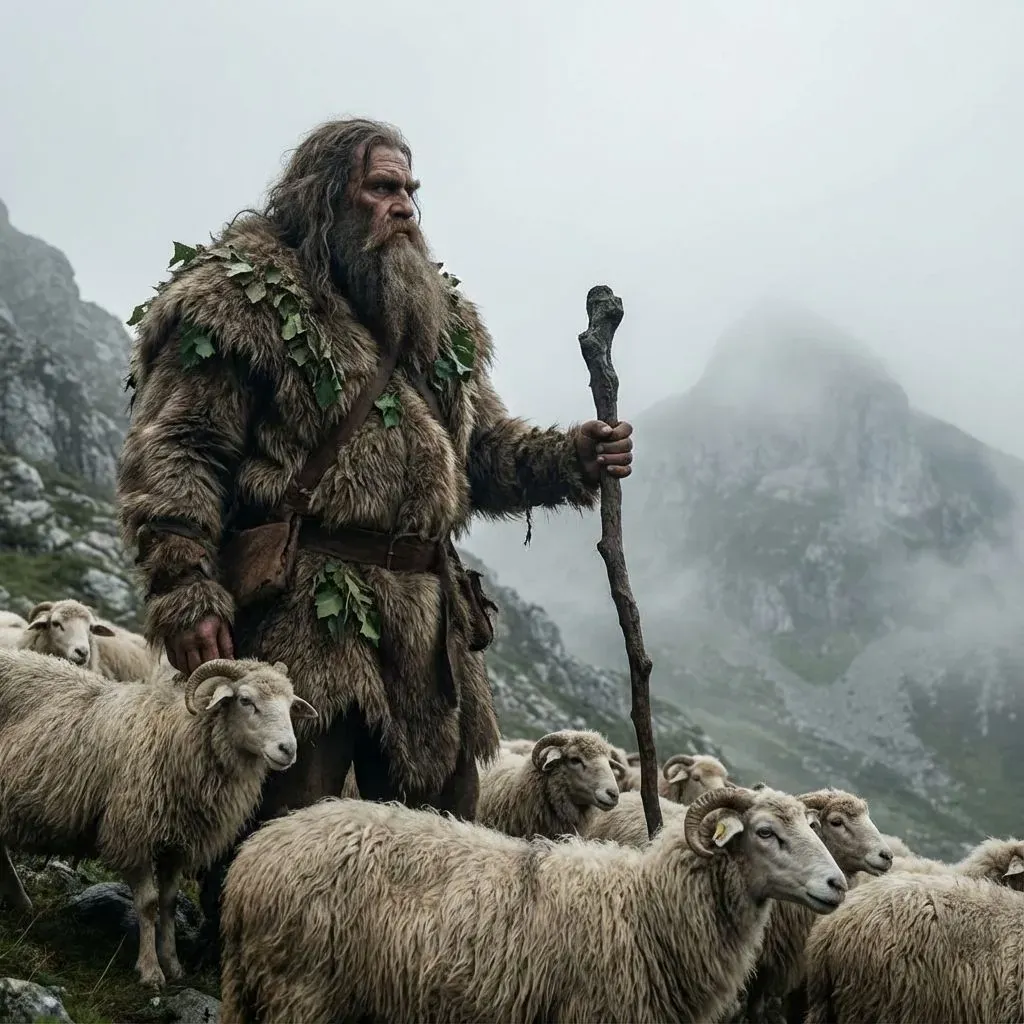
The shaggy giant who lives in the forests, protector of flocks and guardian of the secrets of agriculture and the forge.

Seductive nymphs who dwell in rivers and springs, recognisable by bird feet or fish tails, combing their hair with golden combs.
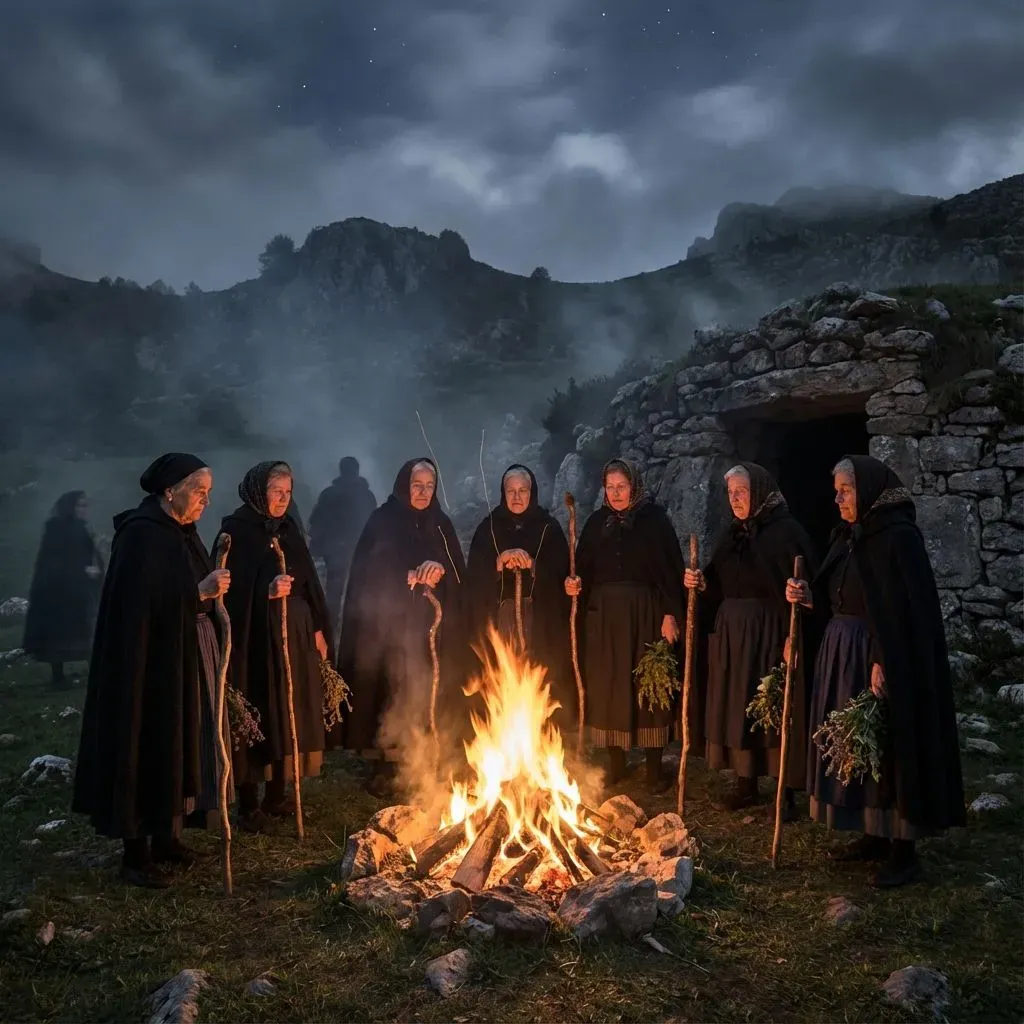
The Basque witches and wise women, priestesses of Mari who mastered potions, curses and the art of flying through the night sky.
Aizkomendi dolmen, in Eguilaz in Álava, is among the province’s best-preserved and most imposing megalithic monuments. A sandstone capstone over four metres long and weighing several tonnes rests on five uprights, forming a burial chamber whose proportions fully justify the traditional local name, the giants’ table.
Built around 4,500 years ago in the Late Neolithic or Chalcolithic, the dolmen served as a collective tomb for the community living in this part of the Álava plain. Human remains excavated in the nineteenth and early twentieth centuries belonged to dozens of people of different ages, confirming its use over generations as a funerary and probably ritual landmark.
Aizkomendi stands in the wide, open Álava plain, unlike the enclosed valleys containing many Basque dolmens. Its visibility was probably deliberate: it marked the territory from afar, asserted a community’s presence and guided people along prehistoric routes across the plain.
Today Aizkomendi is protected and accessible, with interpretation panels explaining its history and meaning. Just kilometres from Vitoria-Gasteiz, it is among the Basque prehistoric monuments closest to a major city and among the most visited. It has gained a second life as a symbol of collective cultural identity, perhaps not unlike its role for its builders 4,500 years ago.